
 Förhandsvisa
 Skicka
 Dela
Dela
 Visa detaljer
 Guide
Guide

 Ladda ner
 Liknande objekt
 Röntgen
 Bildspel
 Frågor och svar
 Statistik
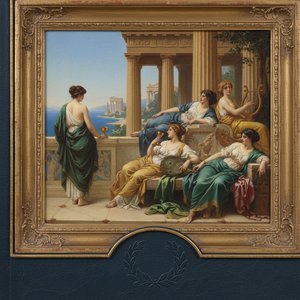
Athenais

- 101.0 x 61.0 cm


 Visa mer
Giclée / Konsttryck
Giclée- eller canvasprint av museumskvalitet med snabb produktion och flexibla ytbehandlingsalternativ. ( Beställ handmålad reproduktion Byt till digital bild)




P118B Skr10

P118H Skr10

P118W Skr10

P438Z Skr10

P508JH Skr12

P508YH Skr12

P805H Skr10

P805Z Skr10

P919BZ Skr10

P919G Skr10

P919XJ Skr10

P959ZH Skr10

P968JZ Skr12

W106C Skr8

W218G Skr10

W218JH Skr8

W218Y Skr10

W307PJ Skr10

W316G Skr10

W316PJ Skr8

W316Y Skr10

W398PJ Skr8

W4111J Skr10

W500HY Skr15

W500JH Skr15

W692G Skr12

W849H Skr8

W940BG Skr15

W953PJ Skr8




Välj bland våra förinställda storlekar som motsvarar konstverkets ursprungliga proportioner.

Ange den bredd och höjd du behöver för att passa din ram eller vägg. Ett tryck kan endast beskäras, aldrig göras större än originalbilden, vilket innebär att ett format med en annan proportion leder till att en del av bilden går förlorad. Vi skickar en digital mockup för godkännande innan vi påbörjar tryckningen. Bilden som visas på denna sida visar inte den faktiska beskärningen — det är endast mockuppen som gör det.
Leverans över hela världen () på 2 veckor istället för standard 4/5 veckor. (5 november)

Fri expressfrakt över hela världen

Högkvalitativ linnecanvas

Fullständig fraktförsäkring

Garantier för återbetalning av tullavgifter

Garantier för exakt färgåtergivning

100 dagars returrätt (endast vid fel)

100% pengarna tillbaka-garanti

Mängdrabatt erbjuds
 Glasalternativet är endast tillgängligt i storlekar under 110 cm.

Athenais
Giclée / Konsttryck
Storlek på reproduktion
-


Slutgiltigt pris
Skr 811
A Vision of Classical Splendor
In the luminous realm of Neo-Classicism, few works capture the serene intersection of human grace and architectural grandeur as exquisitely as John William Godward’s Athenais. Painted in 1908, this masterpiece serves as a breathtaking window into a lost era of antiquity, reimagined through the meticulous lens of the late Victorian era. The painting presents us with a central figure of incomparable elegance, draped in a flowing, vibrant red gown that commands the viewer's gaze. As she stands with a poised hand upon her hip, her presence is not merely decorative but foundational to the composition, embodying a sense of quiet confidence and timeless beauty. The rich, crimson hue of her attire creates a striking visual dialogue with the pale, marble textures surrounding her, ensuring that the subject remains the beating heart of this classical dreamscape.
The setting of Athenais is nothing short of theatrical, designed to transport the observer to a world of myth and marble. Godward surrounds his protagonist with an array of sculpted figures—Greek gods and goddesses carved into architectural elements—which lend the scene an air of sacred permanence. These statues, rendered with such precision that one can almost feel the coolness of the stone, provide a structural rhythm to the piece. The inclusion of delicate birds, fluttering near the periphery, introduces a subtle layer of life and movement, breaking the stillness of the marble and infusing the atmosphere with a sense of tranquil harmony. This careful balance between the static permanence of architecture and the fleeting vitality of nature is what makes the work so profoundly captivating.
Mastery of Technique and Light
To behold Athenais is to witness the pinnacle of academic realism and the masterful application of oil on canvas. Godward’s technique is characterized by an extraordinary attention to texture; he layers his pigments with a devotion that allows the viewer to distinguish between the soft, supple folds of silk and the hard, weathered grain of ancient stone. The lighting within the painting is masterfully diffused, casting gentle shadows that sculpt the woman's form and provide a realistic sense of depth. This soft illumination avoids harsh contrasts, instead bathing the entire scene in a warm, nostalgic glow that enhances the romanticism of the subject matter.
The color palette is a sophisticated study in balance, dominated by deep reds, pristine whites, and muted earth tones. These colors work in concert to create a sense of stability and order, reflecting the core tenets of the Neo-Classical movement. The lines are predominantly smooth and flowing, guiding the eye through the organic curves of the human form and into the geometric precision of the classical backdrop. For the discerning collector or interior designer, this painting offers more than just visual beauty; it provides a sophisticated focal point that brings an aura of cultured refinement and historical depth to any space.
Symbolism and Lasting Emotional Resonance
Beyond its aesthetic brilliance, Athenais is steeped in symbolic resonance. The figure herself, often interpreted through the lens of classical mythology, evokes themes of purity, vulnerability, and the eternal nature of beauty. The architectural setting—a monument to civilization and human achievement—serves as a powerful counterpoint to the organic grace of the woman, suggesting a harmonious coexistence between humanity and the enduring legacies of the past. There is a profound sense of nostalgia in Godward's work, a longing for the perceived order and moral seriousness of the ancient world.
For those seeking to adorn their homes with art that inspires contemplation, this painting offers an emotional journey into the sublime. It invites the viewer to pause, to breathe in the stillness of the scene, and to reconnect with the classical ideals of beauty and grace. Whether viewed as a historical document of the late 19th-century academic style or as a timeless piece of decorative art, Athenais remains an enduring testament to the power of the brush to resurrect the splendor of antiquity.
Frågor och svar
Hur hög är kontrasten i "Athenais" av John William Godward?
"Athenais" av John William Godward uppvisar en Bold kontrast mellan sina ljusa och mörka partier.
Var och för vilket ändamål rekommenderas "Athenais"?
"Athenais" rekommenderas för Focal och passar utmärkt i ett Living Room.
Var rekommenderas det att visa "Athenais" i Tall-formatet?
Format (Tall) och rekommenderat utrymme (Living Room) är de två placeringsfakta som finns registrerade för "Athenais" av John William Godward.
Konstnärsbiografi
John William Godward: En nyklassicistisk mästare från den viktorianska eran
Tidigt liv och bakgrund
- Född: 9 augusti 1861, Wimbledon, England.
- Död: 13 december 1922, London, England.
- John William Godward var den äldste av fem barn till John Godward, en investeringskontorist, och Sarah Eboral.
- Hans tidiga liv präglades av en tillbakadragen natur, vilket till stor del tillskrevs hans föräldrars dominerande personligheter. Denna introversion kom att påverka hans konstnärliga sinne på ett djupgående sätt.
Konstnärlig utveckling och influenser
- Tidig utbildning: Godward fick en formell konstnärlig utbildning, även om specifika detaljer förblir sällsynta på grund av förstörelsen av hans personliga papper.
- Viktiga influenser: Han var starkt influerad av Sir Lawrence Alma-Tadema och Frederic Leighton, båda framstående gestalter inom den viktorianska nyklassicismen.
- Liksom Alma-Tadema uppvisade Godward en minutiös uppmärksamhet på detaljer vid återgivningen av klassisk arkitektur och texturer. Han utvecklade dock sin egen särpräglade stil, kännetecknad av livfulla färger och idealiserade skildringar av skönhet.
Karriär och betydande verk
- Utställningar vid Royal Academy: Godward ställde för första gången ut vid Royal Academy 1887, vilket markerade början på hans offentliga erkännande.
- Betydande målningar:
- Dolce far Niente (1904): Kanske hans mest kända verk, inköpt av Andrew Lloyd Webber 1995.
- When the Heart is Young (1902): Ett exempel på Godwards förmåga att fånga ungdomlig oskuld och skönhet.
- The Mirror (1899): Visar hans skicklighet i att kontrastera texturer och skapa en känsla av djup.
- In the Tepidarium (1913): En halvnaken figur som demonstrerar hans mångsidighet inom den nyklassicistiska genren.
- Athenais: Ett fantastiskt exempel på hans idealiserade kvinnogestalter i klassiska miljöer.
- Flytten till Italien: År 1912 flyttade Godward till Rom tillsammans med en av sina modeller, ett beslut som ledde till en brytning med hans familj.
Stil och teman
- Nyklassicistisk stil: Godwards arbete kännetecknas av dess trohet mot klassiska former, teman och estetik.
- Återkommande motiv: Han avbildade ofta vackra kvinnor i klassiska kläder, ofta fångade i ögonblick av vila eller kontemplation.
- Teknisk mästerskap: Godward var berömd för sin noggranna detaljrikedom, särskilt vid återgivningen av texturer som marmor, päls och tyger. Hans användning av livfulla färger bidrog ytterligare till att särskilja hans stil.
- Han beskrivs ofta som en "högviktoriansk drömmare" på grund av målningarnas idealiserade och romantiserade natur.
Tragiskt slut och arv
- Död: Godward tog tragiskt sitt eget liv 1922 vid 61 års ålder.
- Familjens reaktion: Hans familj, som skämdes över hans självmord, förstörde hans papper och försökte utplåna hans minne.
- Historisk betydelse: Trots försöken att undertrycka hans arv har Godwards verk upplevt en renässans i popularitet. Han förblir en betydande figur inom den viktorianska nyklassicismen, hyllad för sin tekniska skicklighet, idealiserade skönhet och stämningsfulla skildringar av klassiska teman.

John William Godward
1861 - 1922 , England
Kortfakta
- Birth Date: 1861
- Death Date: 1922
- Influenced By:
- Sir Lawrence Alma-Tadema
- Frederic Leighton
- Movement: Nyklassicism, viktorianskt måleri
- Name: John William Godward
- Nationality: Brittisk
- Notable Works:
- Dolce far Niente
- When the Heart is Young
- The Mirror
- In the Tepidarium
- Athenais
- Expectancy
Relaterade artiklar

De 10 mästerverk som definierade nyklassicismen – konst för ditt hem | OriginalUniqueArt.com
Utforska de 10 mästerverk som definierade nyklassicismen! Lär känna Jacques-Louis David, Ingres & Canova. Upptäck konsthistoria och hitta inspiration för din inredning med museumkvalitativa reproduktioner på OriginalUniqueArt.com.

The Enduring Allure of the Nude: A Historical & Artistic Exploration of the Human Form
Explore the captivating history of nude art! Discover iconic paintings & artists from classical to modern eras. Uncover symbolism, techniques & find museum-quality reproductions at OriginalUniqueArt.

John Constables 25 Mästerverk: En Konstnärlig Resa i Det Engelska Landskapet | OriginalUniqueArt
Utforska John Constables 25 mest ikoniska målningar – romantikens mästare av det engelska landskapet. Upptäck historien, tekniken & skönheten i verk som 'Hay Wain'. Köp exklusiva konsttryck på OriginalUniqueArt.com.
R.B.A. John William Godward: A Study in Neoclassical Sensibility & Decadence
Explore the captivating Neo-Classical world of John William Godward. Discover his exquisite paintings, artistic influences, and investment potential. Expert analysis for discerning collectors.

John Singer Sargents 25 Mästerverk: Porträtt & Impressionism för Hemmet | OriginalUniqueArt
Utforska John Singer Sargents 25 mest ikoniska målningar! Lär känna porträttkonsten, impressionismen och hans unika ljusspel. Hitta inspiration & köp högkvalitativa konsttryck på OriginalUniqueArt.com – för en elegant heminredning.