

 Förhandsvisa
 Skicka
 Dela
Dela
 Visa detaljer
 Guide
Guide

 Ladda ner
 Liknande objekt
 Röntgen
 Bildspel
 Statistik
Still Life. Peaches.
 Oil On Canvas
- WallArt
- Fauvism
 1916
1916- Modern
 64.0 x 81.0 cm
 Visa mer
Giclée / Konsttryck
Giclée- eller canvasprint av museumskvalitet med snabb produktion och flexibla ytbehandlingsalternativ. ( Beställ handmålad reproduktion Byt till digital bild)




P118B Skr10

P118H Skr10

P118W Skr10

P438Z Skr10

P508JH Skr12

P508YH Skr12

P805H Skr10

P805Z Skr10

P919BZ Skr10

P919G Skr10

P919XJ Skr10

P959ZH Skr10

P968JZ Skr12

W106C Skr8

W218G Skr10

W218JH Skr8

W218Y Skr10

W307PJ Skr10

W316G Skr10

W316PJ Skr8

W316Y Skr10

W398PJ Skr8

W4111J Skr10

W500HY Skr15

W500JH Skr15

W692G Skr12

W849H Skr8

W940BG Skr15

W953PJ Skr8




Välj bland våra förinställda storlekar som motsvarar konstverkets ursprungliga proportioner.

Ange den bredd och höjd du behöver för att passa din ram eller vägg. Ett tryck kan endast beskäras, aldrig göras större än originalbilden, vilket innebär att ett format med en annan proportion leder till att en del av bilden går förlorad. Vi skickar en digital mockup för godkännande innan vi påbörjar tryckningen. Bilden som visas på denna sida visar inte den faktiska beskärningen — det är endast mockuppen som gör det.
Leverans över hela världen () på 2 veckor istället för standard 4/5 veckor. (26 oktober)

Fri expressfrakt över hela världen

Högkvalitativ linnecanvas

Fullständig fraktförsäkring

Garantier för återbetalning av tullavgifter

Garantier för exakt färgåtergivning

100 dagars returrätt (endast vid fel)

100% pengarna tillbaka-garanti

Mängdrabatt erbjuds
 Glasalternativet är endast tillgängligt i storlekar under 110 cm.

Still Life. Peaches.
Giclée / Konsttryck
Storlek på reproduktion
-


Slutgiltigt pris
Skr 793
Still Life. Peaches.: A Vibrant Exploration of Color and Form
Pyotr Konchalovsky's "Still Life. Peaches," created in 1916, is a captivating example of Fauvism, an art movement celebrated for its bold use of color and expressive brushwork. This artwork, measuring 64 x 81 cm, transcends the traditional still life genre by imbuing everyday objects with a dynamic energy and emotional depth.
The Artist and His Style: A Pioneer of Russian Modernism
Pyotr Konchalovsky (1876-1956) was a pivotal figure in Russian art, recognized as a founding member of the "Jack of Diamonds" group. This collective championed avant-garde styles, seeking to modernize Russian art by embracing influences from Western European movements like Fauvism and Cubism. Konchalovsky's artistic journey reflects this evolution, moving from representational realism towards increasingly expressive and abstract forms. His work is characterized by a spontaneity and vitality that are particularly evident in "Still Life. Peaches." He was born in Slavianka, Kharkov Gubernia (now Ukraine) into an artistic family – his father being an art publisher. Konchalovsky’s early exposure to the world of art undoubtedly shaped his future career. He studied at the Imperial Academy of Arts in Saint Petersburg and later traveled to Paris to study at the Académie Julian.
Fauvism: A Revolution in Color
"Still Life. Peaches" exemplifies the core tenets of Fauvism, which translates literally as "wild beasts." This movement, flourishing in the early 20th century, rejected traditional academic approaches to color and form. Instead, Fauvist artists like Konchalovsky employed intense, non-naturalistic colors to convey emotion and create a visual impact. The painting features a bowl of peaches set against a deep purple background. These vibrant hues are not intended to accurately represent the objects' appearance but rather to evoke a feeling—a sense of warmth, ripeness, and perhaps even a touch of melancholy. The expressive brushstrokes further amplify this emotional intensity, adding texture and movement to the composition.
Composition and Symbolism
While seemingly simple in subject matter, "Still Life. Peaches" demonstrates a sophisticated understanding of composition. The arrangement of the peaches within the bowl creates a sense of balance and harmony, while the contrasting colors draw the viewer's eye across the canvas. The choice of peaches themselves carries symbolic weight; often associated with abundance, prosperity, and sensuality, they add another layer of meaning to the artwork. The inclusion of other elements like cups and saucers suggests an intimate domestic setting, inviting viewers to contemplate the quiet beauty of everyday life.
Emotional Impact and Legacy
"Still Life. Peaches" is more than just a depiction of fruit; it's a powerful expression of emotion through color and form. The painting’s vibrant palette and energetic brushwork create a dynamic visual experience that resonates with viewers long after they have looked away. Konchalovsky's work, including this striking still life, continues to inspire artists and art lovers alike, solidifying his place as a significant figure in the history of Russian modernism.
Frågor och svar
Vilken mättnad och intensitet har "Still Life. Peaches." av Pyotr Konchalovsky?
"Still Life. Peaches." av Pyotr Konchalovsky återges med en Subtle Color mättnad och en Monochromatic intensitet.
Finns det ett faktablad om "Still Life. Peaches." av Pyotr Konchalovsky för studenter?
Guiden till "Still Life. Peaches." är konstverkets Faktablad för elever-sida – ett utskrivbart faktablad som visar konstverket tillsammans med dess bildtext, källhänvisning och identitetstabell (konstnär, datum, medium, originalstorlek, samling).
Hur hög är kontrasten i "Still Life. Peaches." av Pyotr Konchalovsky?
Kontrastnivån i "Still Life. Peaches." av Pyotr Konchalovsky är Gentle.
Konstnärsbiografi
A Life Immersed in the Russian Artistic Spirit
Pyotr Petrovich Konchalovsky, född den 21 februari 1876 i byn Slavianka nära Jarkiv (Kharkiv), var mer än bara en målare; han var en visuell skildrare av ett Ryssland som genomgick en djupgående transformation. Hans konstnärliga resa speglade nationens egna turbulenta övergång genom revolution och ideologiska förändringar, präglad av en obeveklig strävan efter nya uttryckslösningar. Konchalovskys barndom etsade in honom i en atmosfär rik på intellektuella och kreativa strömningar. Hans far, Petr Petrovich Konchalovsky, var en respekterad översättare och konstförläggare vars Moskvas hem blev ett levande centrum som frekventerades av ledande konstnärer från sin tid – Valentin Serov, Mikhail Vrubel, Vasily Surikov alla besökte deras hem efter familjens flytt till huvudstaden 1889. Denna tidiga exponering var inte bara observativ; den inställde inom ung Pyotr en djup uppskattning för konstnärligt uttryck och lade grunden för hans framtida väg. Lördagar spenderade med att absorbera mästerverk i Tretyakovs galleri formade hans estetiska känslor med kraften hos de ryska mästarna.From Parisian Influences to Avant-Garde Innovation
Konchalovskys formella utbildning började på Moskvas konst-, skulptur- och arkitekturskola, men en avgörande period följde i Paris från 1896 till 1898 vid Académie Julian. Denna immersion i den franska konstvärlden visade sig vara transformativ. Han stötte på de banbrytande arbetena av Paul Cézanne och Vincent van Gogh, konstnärer som utmanade konventionell representation och utforskade nya sätt att uppfatta form och färg. En efterföljande resa till Arles gav honom en djupare förståelse för Van Goghs konstnärliga vision – en pilgrimsfärd in i hjärtat av uttrycksfull intensitet. Återvändande till Ryssland fortsatte han sina studier vid den kejserliga konstakademin i Sankt Petersburg, och tog examen 1907. Men det var först på sin återkomst som Konchalovsky verkligen började forma sin egen distinkta stil. Han blev en central figur i den ryska avantgardekonströrelsen, grundande den inflytelserika ”Jack of Diamonds” (Knave of Diamonds) sällskapet 1910. Denna grupp avvek från akademiska traditioner och förespråkade experiment, sökte inspiration inte bara från västerländskt europeiskt modernism utan också från Rysslands egen folkkonst – ikoner, skylttexter och färgglada populära tryck så kallade *lubok*. Som gruppens första ordförande spelade han en nyckelroll i att forma dess riktning och främja dess radikala idéer.Navigating Shifting Ideologies: Style and Subject Matter
Konchalovskys konstnärliga stil utvecklades under hela hans karriär, återspeglande både personlig utforskning och den föränderliga politiska klimatet i Ryssland. Initialt influerad av Fauvisme och Cézanne, var hans tidiga verk kännetecknade av djärva färger, förenklade former och en fokus på struktur. Målningar som ”Still Life med kaffekopp” exemplifierar denna period, och visar en livlig palett och en dynamisk komposition. Efter tjänstgöring i den ryska armén under första världskriget började Konchalovskys stil att förflytta sig. Uppkomsten av socialistisk realism under Sovjetunionen krävde konst som tjänade ideologiska syften, firande sociala ideal och porträtterande framstående personer. Även om detta representerade ett avståndstagande från hans tidigare avantgardistiska utforskningar, anpassade Konchalovskys sig, och blev känd för sina ceremonielle porträtt. Trots dessa förändringar behöll han en distinkt konstnärlig röst, och infogade till och med i sina mer politiskt laddade verk en känsla av stabilitet och monumentalitet. Under sin produktiva karriär – uppskattningsvis över 5 000 stycken – utforskade han ständigt stillivor, landskap och porträtt, och visade en anmärkningsvärd mångsidighet och ett engagemang för sitt hantverk. Han var inte bara att följa; han fann sätt att uttrycka sin konstnärliga känslomässiga sida inom ramen för en ny era.Key Achievements and Historical Significance
Pyotr Konchalovsky’s bidrag till rysk konst är obestridligt. Han broderade samman den tidiga modernismen med socialistisk realism, navigerade komplexa politiska strömningar samtidigt som han var en betydande konstnärlig kraft. Hans första solos utställning på Tretyakovs galleri 1922 säkrade hans rykte som en av Rysslands ledande konstnärer. Utöver sin egen verk, främjade Konchalovsky en familj som var djupt involverad i konsten; hans son, Mikhail Petrovich Konchalovsky, blev en känd filmskapare, och hans dotter, Natalia Konchalovskaya, var en skicklig konstnärinna själv. Hans målningar är inte bara estetiskt tilltalande objekt utan också historiska dokument, som speglar den turbulenta period i vilken de skapades. De ger värdefulla insikter i utvecklingen av rysk konst och utmaningarna som konståtterna mötte inom ett snabbt föränderligt samhälle. Konchalovskys förmåga att anpassa sig samtidigt som han behöll en distinkt stil säkrade hans plats i den ryska konsthistorien, lämnande efter sig ett arv som fortsätter att inspirera och fängsla publiken idag. Hans verk står som ett testamente till konstens uthållighet inför politiska upplopp, och hans inflytande kan fortfarande ses i samtida rysk konst.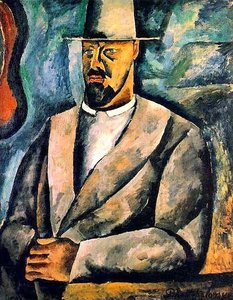
Pyotr Konchalovsky
1876 - 1956 , Ryssland
Kortfakta
- Artistic Movement Or Style: Avant-garde, Fauvism
- Artists Or Movements Influenced By This Artist: ['Jack of Diamonds']
- Artists Who Influenced This Artist:
- Paul Cézanne
- Van Gogh
- Date Of Birth: 21 feb 1876
- Date Of Death: 2 feb 1956
- Full Name: Pyotr Petrovich Konchalovsky
- Nationality: Rysk
- Notable Artworks:
- Still Life
- Landskap
- Place Of Birth: Kharkiv, Ryssland
Relaterade artiklar

Silent Narratives: Exploring the Enduring Appeal of Still Life Painting Across Centuries
Explore the rich history of still life painting with OriginalUniqueArt. Discover Dutch Masters, decode vanitas symbolism & learn about collecting timeless art. Expert insights and museum-quality reproductions.

Vladimir Makovsky: Realism, Social Commentary & Russian Life in Late 19th-Century Painting
Explore the captivating world of Vladimir Makovsky, a leading Russian realist painter. Discover his insightful depictions of 19th-century life, social commentary & legacy with OriginalUniqueArt.

Victor Vasnetsov: Myth, Nationalism & the Revival of Russian Fairy Tale Painting
Explore the captivating world of Victor Vasnetsov, a co-founder of Russian folklorist painting. Discover his iconic works, influence on national identity, and lasting legacy in this expert guide.
Fauvismens 10 Mästerverk: Konst som Chockade Världen – Upptäck Nu!
Utforska fauvismens 10 mest ikoniska mästerverk! Lär känna Matisse, Derain och andra pionjärer. Starka färger & djärva penseldrag definierade epoken. Hitta konsttryck av högsta kvalitet på OriginalUniqueArt.com – för din heminredning.

Ivan Bilibin: A Synthesis of Folklore, Modernism & National Identity in Russian Illustration
Explore the enchanting world of Ivan Bilibin, a master Russian illustrator who synthesized folklore, Art Nouveau & national identity. Discover his iconic fairy tale illustrations and legacy with OriginalUniqueArt.
