

 Förhandsvisa
 Skicka
 Dela
Dela
 Visa detaljer
 Guide
Guide

 Ladda ner
 Liknande objekt
 Röntgen
 Bildspel
 Statistik
Diana and Cupid
 Oil On Canvas
- WallArt
- Baroque Classicism
 1761
1761- Early Modern
 125.0 x 173.0 cm
 Metropolitan Museum of Art
 Visa mer
Giclée / Konsttryck
Giclée- eller canvasprint av museumskvalitet med snabb produktion och flexibla ytbehandlingsalternativ. ( Beställ handmålad reproduktion Byt till digital bild)




P118B Skr10

P118H Skr10

P118W Skr10

P438Z Skr10

P508JH Skr12

P508YH Skr12

P805H Skr10

P805Z Skr10

P919BZ Skr10

P919G Skr10

P919XJ Skr10

P959ZH Skr10

P968JZ Skr12

W106C Skr8

W218G Skr10

W218JH Skr8

W218Y Skr10

W307PJ Skr10

W316G Skr10

W316PJ Skr8

W316Y Skr10

W398PJ Skr8

W4111J Skr10

W500HY Skr15

W500JH Skr15

W692G Skr12

W849H Skr8

W940BG Skr15

W953PJ Skr8




Välj bland våra förinställda storlekar som motsvarar konstverkets ursprungliga proportioner.

Ange den bredd och höjd du behöver för att passa din ram eller vägg. Ett tryck kan endast beskäras, aldrig göras större än originalbilden, vilket innebär att ett format med en annan proportion leder till att en del av bilden går förlorad. Vi skickar en digital mockup för godkännande innan vi påbörjar tryckningen. Bilden som visas på denna sida visar inte den faktiska beskärningen — det är endast mockuppen som gör det.
Leverans över hela världen () på 2 veckor istället för standard 4/5 veckor. (26 oktober)

Fri expressfrakt över hela världen

Högkvalitativ linnecanvas

Fullständig fraktförsäkring

Garantier för återbetalning av tullavgifter

Garantier för exakt färgåtergivning

100 dagars returrätt (endast vid fel)

100% pengarna tillbaka-garanti

Mängdrabatt erbjuds
 Glasalternativet är endast tillgängligt i storlekar under 110 cm.

Diana and Cupid
Giclée / Konsttryck
Storlek på reproduktion
-


Slutgiltigt pris
Skr 793
The Divine Encounter: Diana and Cupid
To gaze upon this depiction of Diana and Cupid is to step directly into the luminous embrace of classical mythology filtered through the refined sensibilities of the Rococo era. Pompeo Batoni, master chronicler of aristocratic life and antiquity, captures a moment suspended between divine grace and tender domesticity. The goddess of the hunt, Diana, stands as an embodiment of wild, untamed beauty, yet here she is portrayed with a gentle intimacy as she regards her young son, Cupid. This painting transcends a mere portrait; it is a carefully orchestrated tableau vivant, rich with implied narrative tension that has captivated connoisseurs for generations.
A Study in Neoclassical Grace
Batoni’s artistic vocabulary is deeply indebted to the grandeur of classical antiquity, yet his execution retains the airy elegance characteristic of French Rococo influences. His style positions him as a crucial bridge figure—a precursor to the stark clarity of Neoclassicism while retaining a palpable warmth. Observe the handling of the drapery and the idealized forms; they speak to an academic refinement learned from masters like Raphael, yet imbued with a distinctly Italian luminosity. The composition itself is masterful, balancing the verticality of Diana’s stance against the grounded presence of her kneeling son and the watchful companionship of the two dogs flanking them. This careful arrangement ensures that every element contributes to a harmonious, almost breathless sense of poise.
Symbolism Woven into the Bow
The symbolism within this work is as potent as its visual beauty. Diana’s bow, elegantly held and seemingly paused mid-gesture, is not merely an accessory; it represents her dominion over nature and passion itself. The subtle tension Batoni introduces—the moment she withholds the weapon from Cupid—suggests a profound control over primal forces. Furthermore, the inclusion of the dogs adds a layer of pastoral warmth, grounding the divine subject matter in relatable companionship. It invites the viewer to contemplate the delicate balance between wild instinct and cultivated affection.
Historical Resonance and Decorative Appeal
Commissioned during a period when aristocratic patrons sought to visually link their modern status with the timeless virtues of ancient Rome, this piece served as more than mere decoration; it was a statement of cultured pedigree. For the contemporary collector or designer, owning a reproduction of Diana and Cupid offers an unparalleled opportunity to infuse a space with historical depth and sophisticated narrative flair. The scale (125 x 173 cm) allows it to function as a breathtaking focal point in a grand salon or library, echoing the stately elegance that defined the Enlightenment period.
Frågor och svar
Vem rekommenderas "Diana and Cupid" av Pompeo Batoni som present till?
"Diana and Cupid" föreslås som en gåva till Anniversary.
Går det att förhandsvisa "Diana and Cupid" i augmented reality?
Sidan för Förhandsvisning i AR av "Diana and Cupid" av Pompeo Batoni använder förstärkt verklighet (AR) för att visa konstverket i ditt eget utrymme på en kompatibel enhet.
Varifrån kommer besökarna till "Diana and Cupid" av Pompeo Batoni?
Statistik för "Diana and Cupid" av Pompeo Batoni finns på verkets Besöksstatistik-sida: månatliga besök för verket, besök för konstnärens verk samt en uppdelning av nyligen anlända besökare per land och språk.
Konstnärsbiografi
Tidigt liv och utbildning
- Född: Lucca, Italien (1708)
- Död: 1787
- Pompeo Batoni flyttade till Rom år 1727.
- Han utbildades under Agostino Masucci, Sebastiano Conca och/eller Francesco Imperiali.
- Hans första självständiga uppdrag kom som ett resultat av de regn som drabbade Rom i april 1732.
- Målningen "Sankta Katarina av Siens extas" illustrerar hans akademiska förfining av den senbarocka stilen.
Konstnärlig stil och influenser
- Batonis stil hämtade inspiration från klassisk antiken, fransk rokoko, bolognesisk klassicism och konstnärer som Nicolas Pосsin, Claude Lorrain och framför allt Rafael.
- Han betraktas som en föregångare till nyklassicismen.
- Hans verk finns att finna på olika museer, bland annat Pinacoteca di Brera i Milano, Italien.
Betydande verk och uppdrag
- Jungfrun och barnet med helgon
- En riddare i Rom: Charles Cecil Roberts – Ett berömt porträtt av en brittisk resenär mot en fond av romerska ruiner.
- Venedigs triumf
- Talrika altartavlor för kyrkor i Italien, såsom Museo del Duomo i Siena.
- Han var mycket eftertraktad för sina porträtt, särskilt bland brittiska resenärer på "Grand Tour" som beställde stående porträtt i antika miljöer.
Utveckling och historisk betydelse
- Batoni blev en mycket modeen konstnär i Rom efter att hans rival, Anton Raphael Mengs, lämnat staden för Spanien 1761.
- Han knöt vänskap med Winckelmann och strävade efter att dämpa klassicismen i sitt måleri.
- Hans porträtt fångade tidsandan under Grand Tour-eran och speglade den europeiska elitens fascination för den klassiska antiken.
- Batonis förmåga att förena barockens tekniker med framväxande nyklassiska ideal placerade honom som en övergångsfigur i den italienska konsthistorien.
Arv
- Pompeo Batoni gick bort den 4 februari 1787 i Rom.
- Han lämnade efter sig ett arv som en av sin tids mest berömda italienska målare.
- Hans verk fortsätter att beundras för sin tekniska skicklighet, sina eleganta kompositioner och sina insiktsfulla porträtteringar av individer inom deras historiska kontext.

Pompeo Batoni
1708 - 1787 , Italien
Kortfakta
- Artistic Movement Or Style: Neoklassicism
- Artists Who Influenced This Artist:
- Nicolas Poussin
- Claude Lorrain
- Rafael
- Date Of Birth: 1708
- Date Of Death: 1787
- Full Name: Pompeo Batoni
- Nationality: Italiensk
- Notable Artworks:
- Jungfrun och barnet med helgon
- En riddare i Rom
- Venedigs triumf
- Place Of Birth (City And Country): Lucca, Italien
Relaterade artiklar

Rokokons mästerverk: Topp 10 konstverk som definierade epoken | OriginalUniqueArt.com
Upptäck rokokons 10 mest ikoniska mästerverk! Lär känna Boucher, Watteau & andra stora konstnärer. Vackra målningar fyllda av pastellfärger och elegans. Hitta din favorit – utforska hela kollektionen online på OriginalUniqueArt.com.

The Rococo Aesthetic: Opulence, Rebellion & the Pursuit of Pleasure in 18th-Century Art
Explore the opulent world of Rococo art! Discover its origins, key artists like Watteau & Boucher, and lasting influence on design. Expert insights for collectors & enthusiasts.

The Allure of Elegance in Art: A Historical & Aesthetic Exploration of Refinement & Grace
Explore the exquisite world of Rococo art! Discover its history, masters (Watteau, Boucher & more), and defining elegance. Expert insights for collectors seeking museum-quality reproductions & custom portraits.
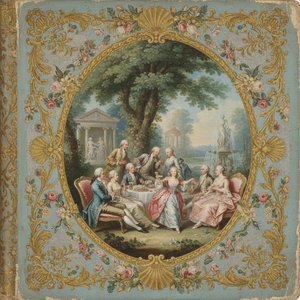
The Rococo Style: Aristocratic Leisure & the Pursuit of Delight in 18th-Century Art
Explore the opulent world of Rococo art! Discover Watteau, Boucher & Nattier's masterpieces. Expert insights for collectors seeking museum-quality reproductions and custom portraits at OriginalUniqueArt.

1700-talets Mästverk: 10 Konstverk som Fångar Epokens Ande
Upptäck 1700-talets konstnärliga skönhet! Från Boucher till David – utforska 10 ikoniska mästerverk, deras historia och stil. Hitta inspiration & museumkvalitativa reproduktioner på OriginalUniqueArt.com.
