

 Förhandsvisa
 Skicka
 Dela
Dela
 Visa detaljer
 Guide
Guide

 Ladda ner
 Liknande objekt
 Röntgen
 Bildspel
 Statistik
The Tailor


 Visa mer
Giclée / Konsttryck
Giclée- eller canvasprint av museumskvalitet med snabb produktion och flexibla ytbehandlingsalternativ. ( Beställ handmålad reproduktion Byt till digital bild)




P118B Skr10

P118H Skr10

P118W Skr10

P438Z Skr10

P508JH Skr12

P508YH Skr12

P805H Skr10

P805Z Skr10

P919BZ Skr10

P919G Skr10

P919XJ Skr10

P959ZH Skr10

P968JZ Skr12

W106C Skr8

W218G Skr10

W218JH Skr8

W218Y Skr10

W307PJ Skr10

W316G Skr10

W316PJ Skr8

W316Y Skr10

W398PJ Skr8

W4111J Skr10

W500HY Skr15

W500JH Skr15

W692G Skr12

W849H Skr8

W940BG Skr15

W953PJ Skr8




Välj bland våra förinställda storlekar som motsvarar konstverkets ursprungliga proportioner.

Ange den bredd och höjd du behöver för att passa din ram eller vägg. Ett tryck kan endast beskäras, aldrig göras större än originalbilden, vilket innebär att ett format med en annan proportion leder till att en del av bilden går förlorad. Vi skickar en digital mockup för godkännande innan vi påbörjar tryckningen. Bilden som visas på denna sida visar inte den faktiska beskärningen — det är endast mockuppen som gör det.
Leverans över hela världen () på 2 veckor istället för standard 4/5 veckor. (25 oktober)

Fri expressfrakt över hela världen

Högkvalitativ linnecanvas

Fullständig fraktförsäkring

Garantier för återbetalning av tullavgifter

Garantier för exakt färgåtergivning

100 dagars returrätt (endast vid fel)

100% pengarna tillbaka-garanti

Mängdrabatt erbjuds
 Glasalternativet är endast tillgängligt i storlekar under 110 cm.

The Tailor
Giclée / Konsttryck
Storlek på reproduktion
-


Slutgiltigt pris
Skr 793
A Glimpse into Venetian Life: Pietro Longhi’s “The Tailor”
Pietro Longhi's "The Tailor," painted in 1741, isn’t merely a portrait; it’s a meticulously crafted window into the bustling, sophisticated world of 18th-century Venice. Often dubbed the ‘Venetian Hogarth,’ Longhi possessed a remarkable talent for capturing the everyday dramas and social nuances of his time – a departure from the grand historical narratives favored by many of his contemporaries. This particular work, housed within the Gallerie dell’Accademia in Venice, offers an intimate study of bourgeois society, revealing a keen eye for detail and a subtle, often satirical, commentary on the era's customs and values.
The scene unfolds within a richly appointed interior, characteristic of Rococo design – a style defined by its opulence, elegance, and focus on refined leisure. The composition centers around a family group, presided over by a man presumably engaged in overseeing the work of a tailor. A young girl stands beside him, while a servant attends to their needs. The figures are arranged with a deliberate formality, yet there’s an undeniable sense of relaxed intimacy, suggesting a domestic setting of considerable wealth and status. The linear precision of the architecture – the fireplace, wall paneling, and even the folds of clothing – is balanced by the organic forms of the human figures and the luxurious drapery that dominates the space.
The Art of Venetian Genre Painting
Longhi’s genius lay in his specialization in *genre* paintings—a genre largely pioneered by artists like Giuseppe Maria Crespi. Unlike the idealized portraits or mythological scenes prevalent at the time, Longhi focused on capturing ordinary life: gambling dens, fashionable salons, and the interactions of everyday Venetians. This shift reflected a broader cultural trend – a growing interest in the private sphere and the lives of the middle classes. His work provides invaluable insight into the social customs, fashion trends, and even the gossip of the time, offering a remarkably detailed portrait of Venetian society.
The painting’s technique is a testament to Longhi's mastery of oil paint. Notice the meticulous layering of colors, creating a remarkable sense of texture – from the velvet upholstery to the shimmering fabric of the tailor’s garment. The use of light is particularly effective, casting subtle shadows that add depth and volume to the figures and objects within the scene. The slightly flattened perspective, typical of portraiture during this period, prioritizes clarity of form over strict realism, allowing Longhi to convey a sense of immediacy and engagement.
Symbolism and Social Commentary
Beyond its aesthetic qualities, “The Tailor” is rich in symbolic meaning. The presence of the portrait on the wall – depicting a male ancestor – immediately establishes a lineage of wealth and status. The elaborate clothing worn by the family members signifies their social standing and access to luxury. However, Longhi doesn’t simply present a straightforward celebration of wealth; there's an underlying current of observation and perhaps even gentle critique. The slightly bewildered expression on the young girl’s face, coupled with the servant’s attentive posture, hints at the complexities of social roles and expectations within this privileged household.
The inclusion of the tailor himself is particularly noteworthy. He represents a skilled artisan – a vital part of Venetian society – yet he's presented as somewhat detached from the family's immediate concerns. This subtle positioning suggests a commentary on the relationship between labor, wealth, and social hierarchy. Furthermore, the painting’s numerous faceless figures—often masked—add another layer of intrigue, hinting at the hidden realities and unspoken conversations that likely transpired behind closed doors in this opulent setting.
A Legacy of Venetian Observation
Pietro Longhi's “The Tailor” stands as a quintessential example of Venetian genre painting – a vibrant snapshot of daily life captured with remarkable skill and insight. His work, alongside that of his contemporaries like Canaletto and Guardi, offers an unparalleled glimpse into the social fabric of 18th-century Venice. Longhi’s legacy extends beyond individual masterpieces; he fundamentally shifted the focus of Venetian painting, moving away from grand historical narratives towards a more intimate and nuanced exploration of human experience. Reproductions of this captivating work continue to resonate with art lovers today, offering a timeless reminder of the beauty and complexity of everyday life.
Frågor och svar
Finns det ett faktablad om "The Tailor" av Pietro Longhi för studenter?
En Faktablad för elever-sida finns tillgänglig för "The Tailor" av Pietro Longhi: ett utskrivbart faktablad om konstverket, utformat för studenter och undervisning i klassrummet.
Vilken känsla förmedlar färgerna i "The Tailor" av Pietro Longhi?
Den Earthy färgpaletten i "The Tailor" av Pietro Longhi harmonierar med dess Nostalgic emotionella ton. Färg är ett av de sätt som ett verk förmedlar känsla på.
Hur hittar jag konstverk som påminner om "The Tailor" av Pietro Longhi?
Sidan Liknande verk för "The Tailor" av Pietro Longhi visar liknande konstverk.
Konstnärsbiografi
Pietro Longhi (1701-1785): A Venetian Chronicler of Daily Life
Pietro Longhi, born Pietro Falca in Venice on November 5th, 1701, wasn’t painting grand historical narratives or mythological scenes; he was capturing the quiet dramas unfolding within the city's elegant homes and bustling streets. He became renowned for his witty genre paintings – intimate glimpses into the lives of 18th-century Venetians, a departure from the prevailing artistic trends of his time. The son of Alessandro Falca, a silversmith, Longhi’s early training began under the Veronese painter Antonio Balestra, who recognized and nurtured the young artist's talent. This foundation in traditional technique would later serve as a subtle counterpoint to the innovative spirit he brought to his chosen subject matter. He adopted the surname “Longhi” upon beginning his artistic career, a symbolic shedding of his father’s trade for the pursuit of painting.Early Influences and Artistic Training
Longhi's formative years were marked by exposure to Venetian artistic traditions. His initial mentor, Antonio Balestra, instilled in him a mastery of Venetian painting techniques—broken brushwork and vibrant color glazes—a stylistic hallmark of the era. This meticulous attention to detail would become evident throughout his oeuvre, particularly in his depictions of interiors and fabrics. Recognizing Longhi’s potential, Balestra recommended him to Giuseppe Maria Crespi, a Bolognese painter who was highly regarded for both religious and genre painting. Crespi's influence encouraged Longhi to explore broader artistic horizons while retaining the core principles of Venetian art. He diligently studied Crespi’s methods, absorbing his understanding of light and color—a crucial element in achieving realism and conveying emotion. This early training solidified Longhi’s commitment to capturing the nuances of everyday life with remarkable accuracy.Religious Beginnings and Transition Towards Genre Painting
Like many artists of his time, Longhi began his artistic career with religious commissions. His 1732 altarpiece for the church of San Pellegrino exemplifies this initial phase—a testament to Balestra’s influence and demonstrating a skillful command of traditional Venetian painting techniques. The composition is carefully balanced, utilizing chiaroscuro to create dramatic depth and highlighting key figures within the scene. However, Longhi's artistic trajectory took an unexpected turn in the late 1730s. Sensing a shift in cultural sensibilities—a growing fascination with the private lives of the bourgeoisie—he deliberately moved away from grand historical narratives and embraced genre painting. This decision represented a bold departure from prevailing artistic conventions and signaled Longhi’s burgeoning independence as an artist. He began to depict scenes of Venetian society, capturing moments of domestic life, social interaction, and theatrical performance.The Venetian Hogarth: Satirical Observation and Artistic Innovation
Longhi quickly established himself as “the Venetian Hogarth,” a moniker bestowed upon him by critics who recognized his uncanny ability to infuse seemingly mundane subjects with layers of social commentary—much like William Hogarth’s unflinching depictions of London life. Unlike Hogarth's moralizing pronouncements, Longhi’s satire possessed a subtle irony and a keen awareness of human folly. His paintings are populated with masked figures – a vibrant reminder of Venice’s Carnival celebrations – engaged in various activities ranging from gambling and flirtation to clandestine meetings and dubious transactions. The Concert, for example, portrays a gathering of Venetian nobles, capturing the atmosphere of aristocratic society with meticulous detail. Longhi's masterful use of light and color—influenced by Caravaggio—further enhanced his artistic innovation, creating an illusionistic depth that captivated audiences. He wasn’t merely recording life as it was; he was offering a perceptive critique of its complexities and contradictions.Legacy and Recognition
Longhi’s oeuvre comprises approximately 150 paintings, predominantly genre scenes depicting Venetian interiors and daily life. His works are characterized by their remarkable realism—a testament to his unwavering dedication to observation and technique. He achieved considerable fame during his lifetime, earning the admiration of fellow artists and critics alike. Notably, Carlo Goldoni praised Longhi’s commitment to truth, emphasizing his ability to portray human behavior with unflinching honesty. His paintings continue to resonate with viewers today, appreciated for their charm, wit, and artistic sophistication. Longhi served as Director of the Academy of Drawing and Carving from 1763, furthering his influence within Venetian art circles and ensuring that his legacy would endure. He died peacefully in Venice on May 8th, 1785, leaving behind a body of work that remains an enduring symbol of Venetian artistic excellence—a true chronicler of the Enlightenment era.
Pietro Longhi
1701 - 1785 , Italien
Kortfakta
- Artistic Movement Or Style: Venetian painting, Rococo
- Artists Or Movements Influenced By This Artist: ['William Hogarth']
- Artists Who Influenced This Artist:
- Antonio Balestra
- Giuseppe Maria Crespi
- Date Of Birth: November 5, 1701
- Date Of Death: May 8, 1785
- Full Name: Pietro Longhi
- Nationality: Italian
- Notable Artworks:
- The Tailor
- The Baptism
- Painter in his studio
- Place Of Birth: Venice, Italy
Relaterade artiklar

Pietro Longhi's Venetian Scenes: A Study of Rococo Society & Domestic Life
Explore the captivating world of Pietro Longhi's Venetian scenes! Discover insightful analysis of his Rococo masterpieces & social commentary on 18th-century life. Learn about this 'Venetian Hogarth' and his lasting artistic legacy.

Rokokons mästerverk: Topp 10 konstverk som definierade epoken | OriginalUniqueArt.com
Upptäck rokokons 10 mest ikoniska mästerverk! Lär känna Boucher, Watteau & andra stora konstnärer. Vackra målningar fyllda av pastellfärger och elegans. Hitta din favorit – utforska hela kollektionen online på OriginalUniqueArt.com.

Francesco Guardi: Venetian Light, Atmospheric Perspective & the Rococo to Neoclassical Transition
Explore the captivating world of Francesco Guardi, master of Venetian light and atmosphere. Discover his transition from Rococo to Neoclassicism, influence on Impressionism & investment potential with OriginalUniqueArt.
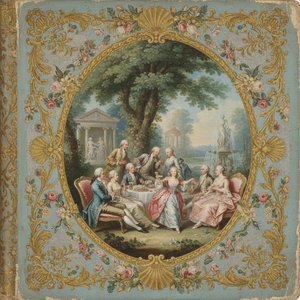
The Rococo Style: Aristocratic Leisure & the Pursuit of Delight in 18th-Century Art
Explore the opulent world of Rococo art! Discover Watteau, Boucher & Nattier's masterpieces. Expert insights for collectors seeking museum-quality reproductions and custom portraits at OriginalUniqueArt.

The Rococo Aesthetic: Opulence, Rebellion & the Pursuit of Pleasure in 18th-Century Art
Explore the opulent world of Rococo art! Discover its origins, key artists like Watteau & Boucher, and lasting influence on design. Expert insights for collectors & enthusiasts.