
 Förhandsvisa
 Skicka
 Dela
Dela
 Visa detaljer
 Guide
Guide

 Ladda ner
 Liknande objekt
 Röntgen
 Bildspel
 Q&A
Q&A Statistik
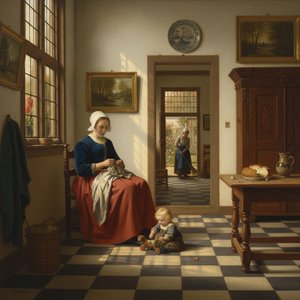
The Visit

- 68.0 x 58.0 cm


 Visa mer
Giclée / Konsttryck
Giclée- eller canvasprint av museumskvalitet med snabb produktion och flexibla ytbehandlingsalternativ. ( Beställ handmålad reproduktion Byt till digital bild)




P118B Skr10

P118H Skr10

P118W Skr10

P438Z Skr10

P508JH Skr12

P508YH Skr12

P805H Skr10

P805Z Skr10

P919BZ Skr10

P919G Skr10

P919XJ Skr10

P959ZH Skr10

P968JZ Skr12

W106C Skr8

W218G Skr10

W218JH Skr8

W218Y Skr10

W307PJ Skr10

W316G Skr10

W316PJ Skr8

W316Y Skr10

W398PJ Skr8

W4111J Skr10

W500HY Skr15

W500JH Skr15

W692G Skr12

W849H Skr8

W940BG Skr15

W953PJ Skr8




Välj bland våra förinställda storlekar som motsvarar konstverkets ursprungliga proportioner.

Ange den bredd och höjd du behöver för att passa din ram eller vägg. Ett tryck kan endast beskäras, aldrig göras större än originalbilden, vilket innebär att ett format med en annan proportion leder till att en del av bilden går förlorad. Vi skickar en digital mockup för godkännande innan vi påbörjar tryckningen. Bilden som visas på denna sida visar inte den faktiska beskärningen — det är endast mockuppen som gör det.
Leverans över hela världen () på 2 veckor istället för standard 4/5 veckor. (1 november)

Fri expressfrakt över hela världen

Högkvalitativ linnecanvas

Fullständig fraktförsäkring

Garantier för återbetalning av tullavgifter

Garantier för exakt färgåtergivning

100 dagars returrätt (endast vid fel)

100% pengarna tillbaka-garanti

Mängdrabatt erbjuds
 Glasalternativet är endast tillgängligt i storlekar under 110 cm.

The Visit
Giclée / Konsttryck
Storlek på reproduktion
-


Slutgiltigt pris
Skr 804
A Moment Frozen in Delft Light
In the quiet, sun-drenched interiors of the seventeenth century, moments of profound connection were often found in the most mundane settings. Pieter de Hooch's "The Visit," painted in 1657, stands as a quintessential emblem of Dutch Baroque artistry—a deceptively simple tableau that speaks volumes about the social fabric and artistic sensibilities of its era. Captured in muted tones of ochre, ivory, and charcoal gray, this masterpiece transports us back to Delft during the zenith of the Dutch Golden Age, offering an intimate glimpse into the daily life of a bourgeois household. The painting’s enduring appeal lies not merely in its visual beauty but also in its masterful execution and subtle symbolic resonance, inviting viewers to step through a doorway into a world of domestic tranquility.
The scene unfolds with a palpable sense of realism, as de Hooch captures a group of individuals gathered around a dining table. There is a quiet drama in the way the figures are positioned; some stand while others sit, their presence suggesting a convivial conversation and shared enjoyment. The table itself is laden with details that ground the scene in reality—multiple wine glasses catch the light, hinting at a celebratory or social meal, while a book rests near one of the guests, perhaps a remnant of a shared intellectual pursuit before dinner began. Even the subtle inclusion of a clock on the wall serves as a poignant reminder of the passage of time, anchoring this fleeting social interaction within the eternal flow of history.
Mastery of Light and Texture
De Hooch's style embodies the Baroque preoccupation with illusionism and chiaroscuro—the dramatic interplay between light and shadow. Unlike the overtly theatrical compositions of his contemporaries, "The Visit" achieves grandeur through the meticulous observation of natural light filtering into a domestic interior. The artist skillfully renders textures with remarkable accuracy; one can almost feel the grain of the worn wooden bench and the crispness of the linen tablecloth. Through subtle gradations of tone, de Hooch sculpts form and conveys a profound sense of depth, drawing the viewer’s eye into the room's corners and through its architectural layers.
This technical precision makes the work an extraordinary subject for high-quality reproductions. For the art collector or interior designer, the painting offers a sophisticated palette that complements a variety of decor styles. Its monochrome-leaning tones of gray and earth colors provide a neutral yet emotionally resonant anchor for a room, bringing a sense of historical weight and calm sophistication to any space. The way de Hooich utilizes light creates an atmospheric quality that can transform a modern living area into a sanctuary of classical elegance.
A Reflection of Golden Age Prosperity
Beyond its aesthetic brilliance, "The Visit" reflects a pivotal moment in Dutch history—the burgeoning prosperity fueled by global trade and exploration. During this era, Delft was a thriving center for craftsmanship and commerce, attracting affluent families eager to establish their social standing through the cultivation of refined domestic environments. De Hooch’s depiction captures the aspirational ideal of bourgeois comfort: a world where peace, plenty, and companionship are the ultimate markers of success.
To possess a reproduction of this work is to invite the spirit of the Dutch Golden Age into one's home. It serves as more than just decoration; it is a window into a vanished era of stability and grace. Whether placed in a sunlit study or a formal dining room, "The Visit" continues to inspire awe through its ability to find the extraordinary within the ordinary, reminding us that true beauty often resides in the quietest moments of human connection.
Frågor och svar
Hur förhåller sig "The Visit" till resten av Pieter de Hoochs konstnärskap?
Inom Pieter de Hoochs produktion är "The Visit" skapad i Baroque-stil, med de återkommande temana baroque realism, domestic tranquility, dutch society, light’s subtle grace, artistic legacy.
Hur kan jag få en digital fil av "The Visit" av Pieter de Hooch?
En digital bild av "The Visit" av Pieter de Hooch kan köpas på dess sida för Digital bild i hög upplösning: en högupplöst digital bildnedladdning.
Vem är konstnären bakom "The Visit"?
Konstnären bakom "The Visit" är Pieter de Hooch. Verket är katalogiserat under Pieter de Hoochs namn.
Konstnärsbiografi
tidigt liv och utbildning
pieter de hooch, en framstående gestalt under den nederländska guldåldern, föddes den 20 december 1629 i rotterdam, nederländerna. han var den äldste av fem barn till hendrick hendricksz de hooch, en murare, och annetge pieters, en barnmorska. lite är känt om hans tidiga år, men det antas att han verkade i rotterdam, delft och amsterdam. de hoochs konstnärliga skolning ägde rum i haarlem under landskapsmålaren nicolaes berchem, tillsammans med sin vän jacob ochchtervelt. denna period lade grunden för hans framtida framgång som målare av stillsamma hemscener med öppna dörrpartier som bjuder in betraktaren.konstnärlig stil och teman
de hoochs skapelser kännetecknas av en fängslande detaljrikedom, naturalism och ett mästerligt utnyttjande av ljuset. hans målningar fångade ofta vardagslivet och speglade de värderingar och ambitioner som fanns hos den framväxande medelklassen. ett anmärkningsvärt exempel på denna stil är "gården till ett hus i delft" (1658), som uppvisar hans förmåga att fånga vardagens mest anspråkslösa detaljer. de hoochs verk delar även teman och kompositioner med emanuel de witte, men hans fokus på människorna och deras inbördes relationer gör honom unik. detta blir särskilt tydligt i verk som "kvinna som ammar" (1658) och "kvinna med ett spädbarn i knät" (1658), vilka vittnar om hans djupa intresse för det intima hemmalivet.noterbara verk och arv
några av de hoochs mest betydelsefulla verk inkluderar:- "den glade drickaren" (ca 1650)
- "kortspelare i ett solbelyst rum" (1658)
- "en kvinna som förbereder bröd och smör åt en pojke" (1661)
museer och samlingar
de hoochs verk kan finnas på olika museer, däribland koninklijk museum voor schone kunsten i antwerpen, belgien, som rymmer en omfattande samling av europeisk konst från 15:e till 20:e århundradet. upptäck mer om pieter de hooch och hans verk på OriginalUniqueArt: [https://OriginalUniqueArt.com/@/pieter-de-hooch](https://OriginalUniqueArt.com/@/pieter-de-hooch) /sv/art/show/art-d3b4kt-sv/ (upptäck mästerverken från koninklijk museum voor schone kunsten, belgien)
Pieter de Hooch
1629 - 1694 , Nederländerna
Kortfakta
- Artistic Movement Or Style: Delfts skola
- Artists Or Movements Influenced By This Artist: ['Jan Vermeer']
- Artists Who Influenced This Artist:
- Nicolaes Berchem
- Hendrik Sorgh
- Date Of Birth: 1629-12-20
- Full Name: Pieter Hendricksz de Hooch
- Nationality: Nederländska
- Notable Artworks:
- Kortgård i Delft
- Kvinnan som ammalar barn
- Place Of Birth: Rotterdam, Netherlands
Relaterade artiklar

Golden Light & Dutch Skies: The Timeless Magic of Dutch Golden Age Landscapes
Discover the breathtaking beauty of Dutch Golden Age landscapes. Explore the mastery of light, chiaroscuro, and 17th-century realism through an expert art history lens, celebrating the enduring legacy of the Dutch Masters for discerning collectors and art lovers.

Willem van de Velde the Elder: Master of Maritime Painting & Chronicler of the Dutch Golden Age
Discover the captivating maritime paintings of Willem van de Velde the Elder, a master chronicler of the Dutch Golden Age. Explore his unparalleled realism and lasting influence on naval art history.

Mastering Light & Shadow: A Journey Through the Dutch Golden Age's Luminous Legacy
Embark on a cultural journey through the Dutch Golden Age. Explore the masterful interplay of light and shadow in 17th-century masterpieces, from Rembrandt to Vermeer, and discover how this era of profound realism continues to inspire fine art collectors today.
Pieter de Hooch: Illuminating Dutch Domestic Life & Golden Age Charm
Explore the captivating world of Pieter de Hooch, a master of Dutch Golden Age painting. Discover his innovative use of light, intimate domestic scenes, and lasting influence on art history. Learn more at OriginalUniqueArt.

Nederländsk Guldålder: Topp 10 mästerverk som definierade epoken – konst & heminredning
Utforska de 10 ikoniska mästerverken från den nederländska guldåldern! Lär känna Rembrandt, Vermeer och Hals – deras teknik & berättelser. Hitta konsttryck och inspiration för din heminredning på OriginalUniqueArt.com. Upptäck hela samlingen online!

