

 Förhandsvisa
 Skicka
 Dela
Dela
 Visa detaljer
 Guide
Guide

 Ladda ner
 Liknande objekt
 Röntgen
 Bildspel
 Statistik
Wide River Landscape
 Oil On Canvas
- WallArt
- Dutch Golden Age
 1648
1648- Early Modern
 41.0 x 58.0 cm
 Metropolitan Museum of Art
 Visa mer
Giclée / Konsttryck
Giclée- eller canvasprint av museumskvalitet med snabb produktion och flexibla ytbehandlingsalternativ. ( Beställ handmålad reproduktion Byt till digital bild)




P118B Skr10

P118H Skr10

P118W Skr10

P438Z Skr10

P508JH Skr12

P508YH Skr12

P805H Skr10

P805Z Skr10

P919BZ Skr10

P919G Skr10

P919XJ Skr10

P959ZH Skr10

P968JZ Skr12

W106C Skr8

W218G Skr10

W218JH Skr8

W218Y Skr10

W307PJ Skr10

W316G Skr10

W316PJ Skr8

W316Y Skr10

W398PJ Skr8

W4111J Skr10

W500HY Skr15

W500JH Skr15

W692G Skr12

W849H Skr8

W940BG Skr15

W953PJ Skr8




Välj bland våra förinställda storlekar som motsvarar konstverkets ursprungliga proportioner.

Ange den bredd och höjd du behöver för att passa din ram eller vägg. Ett tryck kan endast beskäras, aldrig göras större än originalbilden, vilket innebär att ett format med en annan proportion leder till att en del av bilden går förlorad. Vi skickar en digital mockup för godkännande innan vi påbörjar tryckningen. Bilden som visas på denna sida visar inte den faktiska beskärningen — det är endast mockuppen som gör det.
Leverans över hela världen () på 2 veckor istället för standard 4/5 veckor. (27 oktober)

Fri expressfrakt över hela världen

Högkvalitativ linnecanvas

Fullständig fraktförsäkring

Garantier för återbetalning av tullavgifter

Garantier för exakt färgåtergivning

100 dagars returrätt (endast vid fel)

100% pengarna tillbaka-garanti

Mängdrabatt erbjuds
 Glasalternativet är endast tillgängligt i storlekar under 110 cm.

Wide River Landscape
Giclée / Konsttryck
Storlek på reproduktion
-


Slutgiltigt pris
Skr 797
A Window into the Dutch Golden Age
In the quiet, sweeping vistas of Philips de Koninck’s Wide River Landscape, one finds more than just a depiction of water and earth; one encounters a profound meditation on the serenity of the seventeenth-century Dutch countryside. Painted in 1648, this exquisite oil on canvas serves as a breathtaking portal to an era defined by prosperity, meticulous observation, and a deep-seated connection to the land. As the eye wanders across the meandering river that dominates the foreground, there is an immediate sense of expansion, as if the boundaries of the frame have dissolved to reveal an infinite horizon. The composition masterfully employs atmospheric perspective, where the distant trees and structures soften into a gentle haze, inviting the viewer to lose themselves in the vastness of the scene.
The artistry of De Koninck is particularly evident in his sophisticated use of light and shadow. While the palette is anchored by comforting earth tones—rich ochres, deep umbers, and mossy greens—there is a subtle tension introduced by the overcast sky. This silvery, muted light reflects off the calm surface of the river, creating a rhythmic interplay between the warmth of the land and the cool, contemplative mood of the atmosphere. Such technical precision allows the artist to breathe life into the inanimate, making the stillness of the water feel heavy with history and the distant houses feel like silent witnesses to the passage of time.
The Harmony of Life and Nature
Beyond its technical brilliance, the painting captures a delicate balance between human presence and the natural world. The inclusion of small boats scattered along the riverbank and the faint outlines of dwellings nestled among the foliage adds a layer of narrative depth, suggesting a landscape that is not merely wild, but lived-in and cherished. These tiny details of life and activity provide a sense of scale and purpose, grounding the expansive view in the reality of Dutch daily existence during the Golden Age. It is a scene of quiet industry and peaceful coexistence, where the pulse of human endeavor beats softly against the enduring rhythm of the river.
For the discerning collector or interior designer, this masterpiece offers an unparalleled opportunity to introduce a sense of timeless tranquility into a contemporary space. The painting’s ability to evoke emotion—ranging from nostalgic warmth to a meditative stillness—makes it a versatile centerpiece for any curated collection. Whether placed in a sunlit gallery or a sophisticated study, the Wide River Landscape commands attention through its subtle elegance rather than through loud or jarring colors. It is an investment in atmosphere, providing a focal point that inspires reflection and brings the enduring beauty of the Dutch masters into the modern home.
Frågor och svar
Är "Wide River Landscape" typisk för vad Philips De Koninck vanligtvis skapade?
Philips De Konincks återkommande teman inkluderar dutch landscape tradition, rembrandt's atmospheric light, secluded rural life", golden age realism, "calm, contemplative scene", harmony with nature, serene countryside views; "Wide River Landscape" fokuserar på dutch landscape, river scene art, rural countryside, atmospheric light, 17th-century painting, panoramic view”, “classic scenery”.
Vilken historisk plats har "Wide River Landscape" i konsthistorien?
Historiskt sett är "Wide River Landscape" ett Dutch Golden Age-verk från den bredare Early Modern-eran.
Vilken typ av verk är "Wide River Landscape"?
"Wide River Landscape" av Philips De Koninck är klassificerat som WallArt. Kategorin beskriver vilken typ av konstverk originalet är.
Konstnärsbiografi
Philips de Koninck: En panoramisk vision av det nederländska landskapet
Philips de Koninck (1619–1688) framstår som en framstående gestalt inom den nederländska guldåldern, främst hyllad för sina vidsträckta landskap som fångar det nederländska landsbygselns storslagenhet och subtilitet. Även om han var relativt produktiv jämfört med samtida mästare som Rembrandt eller Rubens, förblir hans produktion blygsam – uppskattningsvis runt 50 målningar – vilket gör honom till en något gåtfull konstnär vars arv är sammanflätat med vetenskapliga debatter om attribuering och konstnärlig härkomst. Född i Amsterdam, präglades de Konincks liv av betydande framgångar som affärsman; han bodde på Reguliersgracht, där han levde ett välbärgat liv. Likväl tycks hans konstnärliga strävanden ha förföljts till stor del oberoende, vilket speglar en hängivenhet till själva hantverket snarare än till storslagna mecenatprojekt.- Tidigt liv och utbildning: Lite är definitivt känt om de Konincks formativa år. Han var lärling under Jacob Savery, en flamländsk landskapsmålare som förespråkade barockstilen och absorberade influenser från Rubens och Caravaggio – konstnärer vars dramatiska kompositioner och mästerliga användning av ljus utan tvivel skulle forma hans konstnärliga sinnen.
- Ateljén i Amsterdam och den konstnärliga stilen: De Koninck etablerade sin egen ateljé i Amsterdam, där han lockade till sig elever och främjade en kollaborativ mililljö. Hans landskap kännetecknas av en minutiös detaljrikedom som fångar texturer i bark, lövverk och vatten med anmärkningsvärd precision. Avgörande var hans användning av atmosfäriskt perspektiv – en teknik pionjerad av Rembrandt – för att förmedla djup och realism, vilket simulerade effekten av solljus som filtreras genom trädkronorna och skapar en illusion av avstånd.
Panoramiska vyer och Rembrandts inflytande
De Konincks landskap är omedelbart igenkännbara för sin monumentala skala och sina svindlande vyer. Till skillnad från många av sin tids konstnärer, som föredrog mindre och mer intima scener, valde han panoramiska kompositioner med målet att omsluta betraktaren i det nederländska landskapets storslagenhet – ett medvetet val som speglar barockens fascination för det spektakulära och förmedlar en känsla av sublim skönhet. Hans målningar avbildar ofta skogspartier badade i ett gyllene ljus, där han fångar flyktiga ögonblick av atmosfäriskt drama. Inflytandet från Rembrandt är omisskännligt; hans mästerliga användning av chiaroscuro – samspelet mellan ljus och skugga – ger hans dukar en emotionell resonans som transcenderade den rent visuella representationen. Betrakta exempelvis ’An Extensive Wooded Landscape’ (AQR46N), där det fläckvisa solljuset lyser upp skogsmarkens intrikata detaljer och speglar Rembrandts signaturstil.- Betydande verk: Bland hans mest hyllade målningar finns ’The Seamstress’ (AQR47J) och ’The Shepherdess’, som båda skildrar lantliga gestalter mot dramatiska bakgrunder. Dessa verk exemplifierar de Konincks förmåga att förmedla psykologiskt djup sida vid sida med visuell prakt.
- Tvister om attribuering: De Konincks oeuvre har varit föremål för betydande kontroverser gällande vem som faktiskt målat verken. Många målningar som tillskrivits Rembrandt har slutgiltigt bevisats vara utförda av hans brorson, Salomon de Koninck – en lärjunge som skickligt imiterade Rembrandts stil. Denna förvirring understryker de utmaningar konsthistoriker står inför när de ska fastställa upphovsmannaskap och komplicerar vår förståelse av den konstnärliga innovationen under guldåldern.
Arv och historisk betydelse
Trots de attributionsstrider som omger hans arbete förblir Philips de Koninck en betydande bidragsgivare till det nederländska landskapsmåleriet. Hans målningar finns bevarade på museer över hela Europa – inklusive Rijksmuseum i Amsterdam och Kunsthistorisches Museum i Wien – vilket vittnar om deras bestående lockelse. De Konincks landskap står som kraftfulla förkroppsliganden av barockens estetik och speglar epokens besatthet av storslagenhet, emotion och det sublima. Han befäste Rembrandts arv genom att demonstrera hur man kan översätta dramatiskt ljus till landskapgenren, vilket säkrade hans plats bland sin tids mest inflytelserika konstnärer.- Vidare utforskning: För mer information om Philips de Konincks liv och konst, besök Art UK (

Philips De Koninck
1619 - 1688 , Nederländerna
Kortfakta
- Artistic Movement Or Style: Nederländskt landskapsmåleri
- Artists Or Movements Influenced By This Artist: Barock
- Artists Who Influenced This Artist: Rembrandt
- Date Of Death: 1688
- Full Name: Philips de Koninck
- Nationality: Nederländsk
- Notable Artworks:
- Ett omfattande skogslandskap
- Sömmerskan
- Place Of Birth: Amsterdam, Nederländerna
Relaterade artiklar

Goyas 25 Mästerverk: En Konstnärlig Resa Genom Spansk Historia | OriginalUniqueArt
Utforska Goyas 25 mest ikoniska målningar! Fördjupa dig i spansk konsthistoria, romantikens dramatik och mörka färger. Köp museumkvalitativa reproduktioner & inred med tidlösa klassiker på OriginalUniqueArt.com.
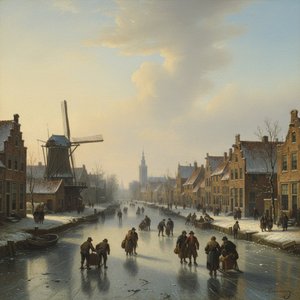
Charles Leickert: Capturing the Dutch Golden Age Light – A Comprehensive Study of Technique, Context, and Legacy
Explore the captivating winter landscapes of Charles Leickert, a master of Dutch Golden Age light & atmosphere. Discover his techniques, symbolism, and lasting legacy – a comprehensive study for art enthusiasts and collectors.
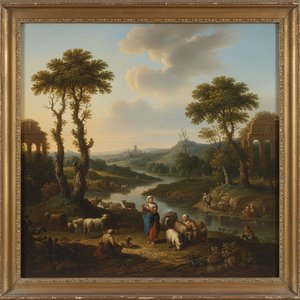
Nicolaes Berchem: Dutch Golden Age Pastoralism & the Evolution of Landscape Painting
Explore the captivating world of Nicolaes Berchem, a leading Dutch Golden Age painter. Discover his idyllic landscapes, masterful technique & lasting influence on art history. Learn more at OriginalUniqueArt.

Golden Light & Dutch Skies: Bringing the Magic of Dutch Golden Age Landscapes into Your Home
Transform your home with the breathtaking light of Dutch Golden Age landscapes. Discover how hand-painted oil reproductions of masterworks like Ruisdael and Vermeer bring timeless elegance, atmosphere, and soulful texture to modern interiors. Elevate your space with museum-quality art.

Golden Light & Dutch Skies: The Timeless Magic of Dutch Golden Age Landscapes
Discover the breathtaking beauty of Dutch Golden Age landscapes. Explore the mastery of light, chiaroscuro, and 17th-century realism through an expert art history lens, celebrating the enduring legacy of the Dutch Masters for discerning collectors and art lovers.