
 Förhandsvisa
 Skicka
 Dela
Dela
 Visa detaljer

 Ladda ner
 Liknande objekt
 Röntgen
 Bildspel
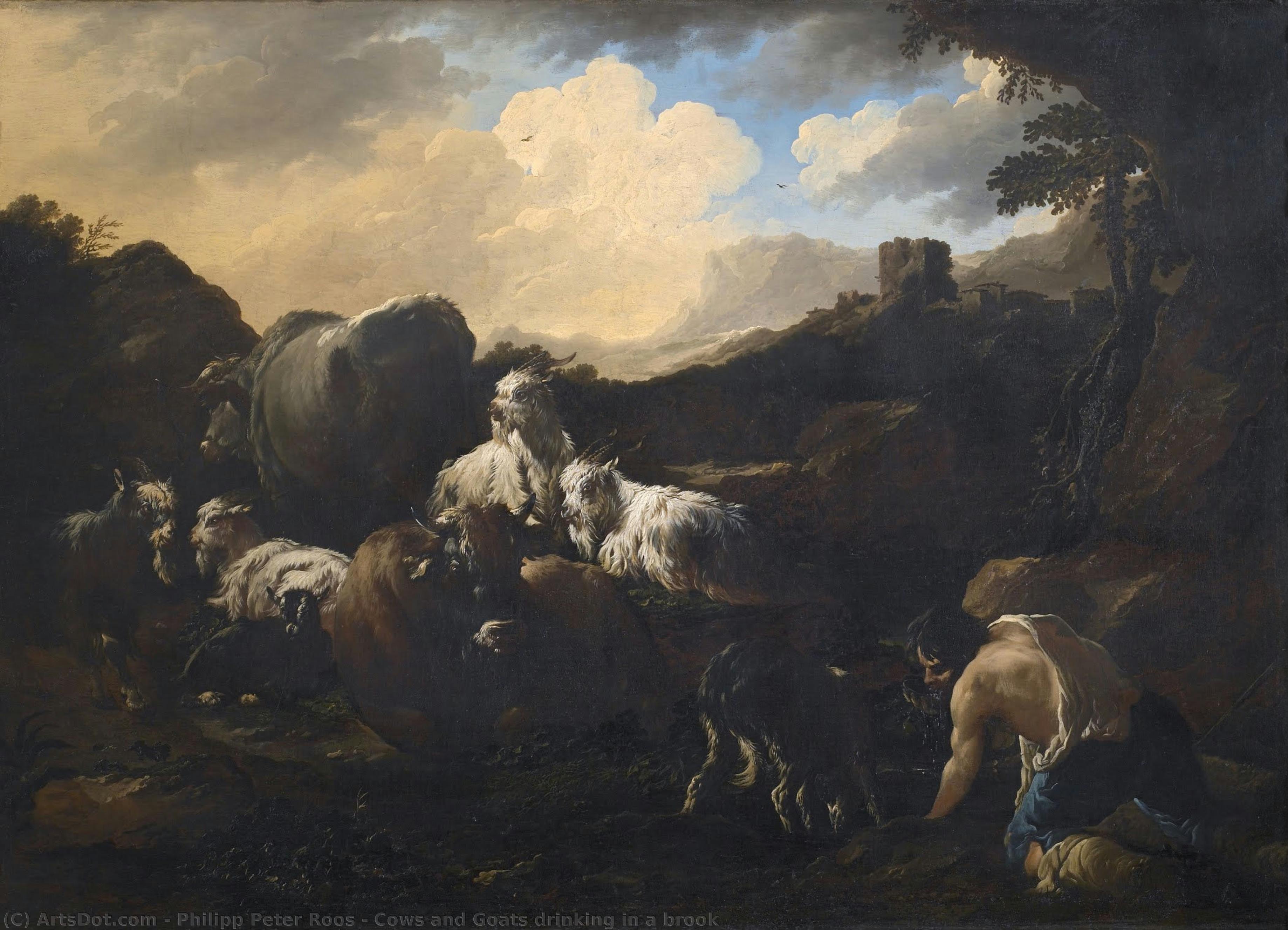
Kor och får som dricker i en bäck


 Visa mer
Handgjord oljereproduktion
Handmålad olja på duk i din valda storlek och ram, tillverkad efter beställning av våra konstnärer. ( Beställ tryck Köp högupplöst bild)




P118B $10

P118H $10

P118W $10

P438Z $10

P508JH $12

P508YH $12

P805H $10

P805Z $10

P919BZ $10

P919G $10

P919XJ $10

P959ZH $10

P968JZ $12

W106C $8

W218G $10

W218JH $8

W218Y $10

W307PJ $10

W316G $10

W316PJ $8

W316Y $10

W398PJ $8

W4111J $10

W500HY $15

W500JH $15

W692G $12

W849H $8

W940BG $15

W953PJ $8




Välj bland våra förinställda storlekar som motsvarar konstverkets ursprungliga proportioner.

Du kan ange egna mått för att passa en specifik ram eller yta. Om den valda storleken inte matchar originalbildens proportioner kommer vi antingen att beskära konstverket eller utöka målningen med ytterligare handmålade element. En digital skiss skickas till dig för godkännande innan produktionen påbörjas.
Observera att förhandsvisningen på skärmen inte återspeglar den faktiska beskärningen eller utökningen. Endast skissen visar den slutgiltiga kompositionen korrekt.
Även om anpassade storlekar är möjliga, rekommenderar vi att du väljer en dimension från den fördefinierade listan för att bevara originalproportionerna.
Efter beställning kommer OriginalUniqueArt.com team att mejla kunden för instruktioner och tillhandahålla en skissförhandsvisning
Leverans över hela världen () på 3–4 veckor istället för standard 5 veckor. (20 augusti). Inga kompromisser med kvaliteten.

Fri expressfrakt över hela världen

Högkvalitativ linnecanvas

Fullständig fraktförsäkring

Garantier för återbetalning av tullavgifter

Garantier för exakt färgåtergivning

60 dagars returrätt (endast vid fabrikationsfel)

100% pengarna tillbaka-garanti

Mängdrabatt erbjuds
 Glasalternativet är endast tillgängligt i storlekar under 110 cm.

Kor och får som dricker i en bäck
Reproduktionsmedium
Storlek på reproduktion
-


Slutgiltigt pris
$ 300
Beskrivning av konstverket
En Idylisk Betraktelse över Natur och Djurlighet – Philipp Peter Roos’ Verk “Cows and Goats drinking in a brook”
Philipp Peter Roos, senare känd som Rosa di Tivoli, är en fascinerande gestalt inom barockkonsten i Italien – särskilt i den blomstrande miljön kring Tivoli och Rom. Född omkring 1655 i Frankfurt am Main, präglades hans konstnärliga resa av familjär influens och drivs framåt av patriciers stöd, vilket slutligen ledde till erkännande för sin distinkta stil: italienska landskap befoljade av noggrant återgivna djur. Hans arv ligger inte bara i estetiskt tilltalande föreställningar utan också i att han återspeglar själva tiden som kämpar med vetenskaplig frågeställning sida vid sida med religiös fervor. Detta mästerverk, “Cows and Goats drinking in a brook”, är ett perfekt exempel på denna konstnärliga anda och Roos’ förmåga att fånga essensen av en epok där naturlig skönhet och religiös kontemplation möttes i samma ögonblick. Roos’ tidiga utbildning ägde rum under faderns vägledning, Johann Heinrich Roos, en landskapsmålare som överförde till honom en grundläggande förståelse för tonal harmoni och kompositionsbalans. Detta tidiga stöd visade sig vara ovärderligt när han utvecklade sina färdigheter självständigt innan han accepterade ett erbjudande att måla för Charles I, Landgrave av Hesse-Kassel, vilket han gjorde 1677. Detta projekt gav honom möjlighet att skapa verk som skulle komma att bli ikoniska inom sin samtid och cementera hans plats i konsthistorien. Verket är en svartvit bild av kor och getter som dricker från en bäck i bergen. Djuren är samlade kring vattenkällan, där vissa står närmare framför medan andra ligger längre bakom. Det finns minst 12 kor synliga i scenen, var och en varierande i storlek och position. Förutom korna finns tre getter närvarande i målningen. En är placerad nära bildens mittpunkt, ytterligare en något till vänster och den tredje på höger sida. Djuren verkar njuta av sin tid vid bäckens kant, vilket skapar en lugn och naturlig atmosfär. Detta är ett klassiskt exempel på Roos’ teknik där han använder ljus och skugga för att skapa djup och realism i sina landskap. Hans målning visar upp en imponerande detaljrikedom och förmåga att återge komplexiteten i den naturliga världen med stor precision. Roos stil kännetecknas av italienska landskap, vilket var mycket populärt under barocktiden. Han hämtade inspiration från samtida konstnärer som Pietro Paolo Marinelli och Johann Georg Wolffram, vilka också använde sig av tonal harmoni och kompositionsbalans för att skapa sina verk. Detta är särskilt märkbart i användningen av ljus och skugga, vilket Roos använder för att skapa en känsla av atmosfär och rörelse i sina målningar. Dessutom är hans förmåga att återge djur på ett realistiskt sätt imponerande och visar upp hans omfattande kunskap om anatomi och beteende. Detta verk är inte bara ett tekniskt mästerverk utan också ett emotionellt engagerande konstverk som väcker känslor av lugn, harmoni och kärlek till naturen. Det är en påminnelse om att även i komplexa historiska sammanhang kan konstnärlig skönhet och djup förståelse för världen omkring oss finnas sida vid sida. Detta mästerverk kommer säkert att inspirera många inom interiordesign och konstsamlingar.Konstnärsbiografi
The Shepherd of Tivoli: The Life and Legacy of Philipp Peter Roos
In the golden light of the Italian Baroque, few names evoke the pastoral serenity of the countryside quite like Philipp Peter Roos. Known to history by his evocative moniker, Rosa di Tivoli, this German-born master transformed the landscape genre through a profound, almost visceral connection to the natural world. Born in 1655 in the Rhineland region—specifically near Sankt Goar—Roos was destined for the brush from his earliest years. He was the son of Johann Heinrich Roos, a respected landscape painter who provided the foundational lessons in tonal harmony and compositional balance that would later define the artist's mature style. This early apprenticeship was not merely about technique; it was an immersion into a way of seeing the world through the lens of light, shadow, and the quiet dignity of the earth.
The trajectory of Roos’s life shifted dramatically in 1677, a moment precipitated by the generosity of Charles I, Landgrave of Hesse-Kassel. Recognizing the burgeoning talent within the young painter, the Landgrave provided the financial means for Roos to embark on a transformative journey to Rome. This migration from the Germanic traditions to the heart of the Italian Baroque allowed Roos to absorb the vibrant energy of Roman art. It was here that he sought mentorship under the celebrated Giacinto Brandi, whose influence helped refine Roos’s ability to blend classical structure with a more spontaneous, atmospheric realism. This period in Rome was also deeply personal; it was during these years that Roos fell in love with Isabella Brandi, the daughter of his mentor. Their union would eventually lead him to settle in Tivoli, a move that would forever link his identity to the landscape he so loved.
A Living Studio: The Artistry of the Natural World
What truly distinguishes the oeuvre of Rosa di Tivoli is the unparalleled authenticity of his animal subjects. Unlike many of his contemporaries who used animals as mere decorative afterthoughts in a landscape, Roos treated every creature—from the heavy-set bull to the nimble goat—with the reverence of a portraitist. His residence in Tivoli was famously designed around a concept akin to a living studio; he maintained a sprawling collection of exotic and domestic animals, effectively turning his surroundings into a continuous study of movement, anatomy, and temperament. This intimate proximity allowed him to capture the subtle twitch of an ear or the muscular tension of a beast under duress, lending his canvases a breathtaking vitality.
His technical mastery is evident in the way he navigated the complexities of the Baroque aesthetic. While his compositions often draw upon the serene, atmospheric qualities of the Dutch Golden Age, they are infused with a dramatic intensity characteristic of the Italian school. His works frequently feature:
- Pastoral Serenity: Idyllic scenes where shepherds and livestock exist in a state of timeless, quiet harmony.
- Dramatic Action: Rare but striking moments of tension, such as his depictions of hounds attacking prey, which showcase his ability to render raw, naturalistic conflict.
- Tonal Mastery: A sophisticated use of muted, earthy palettes that ground his landscapes in a sense of profound realism and atmospheric depth.
Historical Significance and the Baroque Spirit
The historical importance of Philipp Peter Roos lies in his ability to bridge the gap between the structured landscape traditions of Northern Europe and the emotive, light-filled drama of Italy. He emerged at a time when the scientific inquiry of the era was beginning to demand more precise observations of the natural world, even as religious and mythological themes still dominated the artistic consciousness. In his paintings, one finds both the meticulous detail of a naturalist and the poetic soul of a romantic. By documenting the flora and fauna of the Roman countryside with such devotion, he created a visual record that is as much about the spirit of the age as it is about the subjects themselves.
Though he passed away in 1706, leaving behind a legacy etched into the very soil of Tivoli, his influence endured. He remains a pivotal figure for anyone studying the evolution of animalier painting and the development of the Italianate landscape. Through his eyes, we do not merely see a collection of livestock; we witness a profound celebration of life in its most fundamental, unadorned forms. His work continues to resonate as a testament to the power of observation and the enduring beauty of the pastoral ideal.

Philipp Peter Roos
1655 - 1706 , Germany
Kortfakta
- Artistic Movement Or Style: Baroque
- Artists Or Movements Influenced By This Artist: ['Dutch Golden Age']
- Artists Who Influenced This Artist: ['Johann Heinrich Roos']
- Date Of Birth: 1655
- Date Of Death: 1706
- Full Name: Philipp Peter Roos
- Nationality: German
- Notable Artworks:
- A Landscape with a Milkmaid
- Landscape with Goats and Cattle
- Landscape with Bull, Goats and Attendant
- Place Of Birth: Frankfurt am Main, Germany
Relaterade artiklar
Djurens Bestående Närvaro i Konsten: Symbolik och Inredningsdesign
Utforska djurens fascinerande symbolik i konsten och hur du kan integrera dessa teman i din inredning. Expertinsikter om hundar, katter, hästar och mer!

Drama in Nature: The Captivating Grandeur of Baroque Landscapes and the Art of Emotional Spectacle
Explore the breathtaking drama of Baroque landscapes. From Rubens's grand vistas to the mastery of chiaroscuro, discover how 17th-century artists transformed nature into a theatrical stage of emotion and light. A deep dive for true art enthusiasts.
Landskapets Mästare: Topp 10 Konstverk som Fångar Naturens Skönhet – OriginalUniqueArt.se
Upptäck de 10 mest ikoniska landskapskonstverken! Från Monet till Van Gogh – utforska naturens skönhet, konsthistorien och tekniken bakom mästerverken. Hitta din perfekta tavla för heminredningen på OriginalUniqueArt.com.
Epic Drama & Dark Vibes: The Ultimate Collector's Guide to Baroque Landscapes
Master the art of drama with our ultimate guide to Baroque landscapes. Discover the power of chiaroscuro, explore legendary masters, and learn how to curate epic, dark-vibe masterpieces for your collection with expert insights from OriginalUniqueArt.

Romantiska landskap: Topp 10 mästerverk som definierade en epok – OriginalUniqueArt.se
Utforska de 10 mest ikoniska mästerverken inom romantisk landskapsmålning! Lär känna Caspar David Friedrich, Turner & andra. Hitta inspiration och köp museumkvalitativa konsttryck på OriginalUniqueArt.com.


