
 Förhandsvisa
 Skicka
 Dela
Dela
 Visa detaljer
 Guide
Guide

 Ladda ner
 Liknande objekt
 Röntgen
 Bildspel
 Frågor och svar
 Statistik
Clair de Lune (Moonlight)

- 57.0 x 72.0 cm


 Visa mer
Giclée / Konsttryck
Giclée- eller canvasprint av museumskvalitet med snabb produktion och flexibla ytbehandlingsalternativ. ( Beställ handmålad reproduktion Byt till digital bild)




P118B Skr10

P118H Skr10

P118W Skr10

P438Z Skr10

P508JH Skr12

P508YH Skr12

P805H Skr10

P805Z Skr10

P919BZ Skr10

P919G Skr10

P919XJ Skr10

P959ZH Skr10

P968JZ Skr12

W106C Skr8

W218G Skr10

W218JH Skr8

W218Y Skr10

W307PJ Skr10

W316G Skr10

W316PJ Skr8

W316Y Skr10

W398PJ Skr8

W4111J Skr10

W500HY Skr15

W500JH Skr15

W692G Skr12

W849H Skr8

W940BG Skr15

W953PJ Skr8




Välj bland våra förinställda storlekar som motsvarar konstverkets ursprungliga proportioner.

Ange den bredd och höjd du behöver för att passa din ram eller vägg. Ett tryck kan endast beskäras, aldrig göras större än originalbilden, vilket innebär att ett format med en annan proportion leder till att en del av bilden går förlorad. Vi skickar en digital mockup för godkännande innan vi påbörjar tryckningen. Bilden som visas på denna sida visar inte den faktiska beskärningen — det är endast mockuppen som gör det.
Leverans över hela världen () på 2 veckor istället för standard 4/5 veckor. (6 november)

Fri expressfrakt över hela världen

Högkvalitativ linnecanvas

Fullständig fraktförsäkring

Garantier för återbetalning av tullavgifter

Garantier för exakt färgåtergivning

100 dagars returrätt (endast vid fel)

100% pengarna tillbaka-garanti

Mängdrabatt erbjuds
 Glasalternativet är endast tillgängligt i storlekar under 110 cm.

Clair de Lune (Moonlight)
Giclée / Konsttryck
Storlek på reproduktion
-


Slutgiltigt pris
Skr 809
A Nocturnal Symphony of Light and Shadow
In the quietude of the night, where the boundaries between reality and dream begin to blur, Philip James de Loutherbourg’s "Clair de Lune (Moonlight)" emerges as a breathtaking testament to the power of atmospheric storytelling. This exquisite oil on canvas, dating from 1777, invites the viewer into a world of profound serenity and nocturnal mystery. At first glance, the eye is drawn to the luminous full moon, a celestial beacon that pierces through the velvet darkness to cast a shimmering path across the gentle river. The composition is masterfully balanced; on the left bank, a cluster of grazing cows rests in peaceful repose, their soft forms rendered with a delicate touch that suggests the warmth of life even amidst the cool night air. Opposite them, the rugged textures of rocks and the dark silhouettes of trees provide a structural weight to the scene, creating a sense of enclosure and intimacy that wraps around the viewer like a quiet lullaby.
The artist’s mastery of chiaroscuro—the dramatic interplay between light and shadow—is nothing short of transformative. Loutherbourg does not merely paint a landscape; he orchestrates a theatrical event of light. The brilliant white glow of the moon creates sharp, high-contrast highlights against the deep grays, browns, and blacks of the nocturnal terrain. This technique breathes life into the water's surface, where flowing, reflective strokes mimic the rhythmic movement of a slow-moving stream. A subtle, warm orange glow from a distant small fire on the right bank offers a poignant counterpoint to the cool lunar light, adding a layer of human presence and warmth to an otherwise wild and untamed landscape. This careful manipulation of light guides the eye through the depth of the painting, leading it past the foreground textures toward a distant, hazy village that sits nestled under the vast, star-dusted sky.
The Intersection of Rococo Elegance and Romantic Spirit
Historically, "Clair de Lune" stands at a fascinating crossroads of artistic movements. While the painting retains the meticulous attention to detail and refined elegance characteristic of the Rococo period, it simultaneously pulses with the burgeoning emotional intensity of Romanticism. Loutherbourg, a man whose career was defined by his ability to blend scientific observation with theatrical illusion, uses this piece to explore the sublime beauty of nature. The organic shapes—the rounded contours of the cattle, the irregular silhouettes of the foliage, and the billowing, ethereal clouds—all contribute to a sense of natural spontaneity. There is an undeniable emotional resonance in the work; it evokes a deep sense of tranquility, inviting collectors and art enthusiasts to find a moment of meditative stillness within its depths.
For the discerning interior designer or art collector, this reproduction offers more than just visual beauty; it provides an atmospheric anchor for a sophisticated space. The muted color palette of charcoal, silver, and deep earth tones allows the piece to integrate seamlessly into both classical and contemporary settings, adding a layer of intellectual depth and quiet drama to any room. Whether placed in a study to inspire contemplation or in a grand living area to serve as a focal point of elegance, "Clair de Lune" remains an enduring masterpiece. It serves as a window into a time when the night was not something to be feared, but a canvas upon which the heavens could paint their most enchanting and peaceful illusions.
Frågor och svar
Vilket rum rekommenderas för "Clair de Lune (Moonlight)" av Philip James de Loutherbourg?
En reproduktion av "Clair de Lune (Moonlight)" passar bra i ett Living Room.
Vid vilket tillfälle rekommenderas "Clair de Lune (Moonlight)" av Philip James de Loutherbourg som present?
"Clair de Lune (Moonlight)" av Philip James de Loutherbourg rekommenderas som en gåva till Anniversary. En reproduktion av konstverket är ett utmärkt presentalternativ.
Är "Clair de Lune (Moonlight)" av Philip James de Loutherbourg fri från upphovsrätt?
När det gäller upphovsrätt är "Clair de Lune (Moonlight)" allmän egendom – upphovsrätten har löpt ut.
Konstnärsbiografi
Philip James de Loutherbourg: Ett liv av konst, teater och intriger
- Född: Strasbourg, Frankrike (1740)
- Död: 1812
Philip James de Loutherbourg, även känd som Philip Jacques de Loutherbourg, var en fransktalande brittisk målare som hyllades för sina dramatiska skildringar av sjöslag, vidsträckta landskap och sina banbrytande bidrag till teaterns scenografi. Hans karriär sträckte sig över flera decennier och präglades av en enorm konstnärlig mångsidighet, ett kortvarigt steg in i det ockulta samt ett betydande inflytande på efterföljande generationer av konstnärer.
Tidigt liv och konstnärlig utbildning
Loutherbourg föddes i Strasbourg år 1740, och hans tidiga liv formades av hans far, som var en graverare och miniatyrmålare. Trots att han ursprungligen var ämnad för kyrkan, valde han att överge denna bana för att istället följa sin passion för konsten. Hans formella utbildning tog sin början i Paris under ledning av Charles-André van Luge och Francesco Giuseppe Casanova. Loutherbourg uppvisade snabbt en exceptionell talang och fick erkännande vid Salongen 1763 med ett landskapsmåleri som inkluderade både figurer och djur. Han fortsatte att ställa ut framgångsrikt vid efterföljande salonger, där han vann lovord från inflytelserika kritiker som Denis Diderot. År 1767 valdes han in i den franska akademin, vilket stod som ett bevis på hans snabbt växande rykte.
Karriären i England: Sjöscener, landskap och teater
År 1771 flyttade Loutherbourg till London, där han snabbt etablerade sig som en framstående konstnär. Genom en avgörande introduktion av David Garrick fick han betydande uppdrag för scenografi vid Drury Lane Theatre. Hans teaterinnovationer var banbrytande, och inkluderade skapandet av Eidophusikon år 1781 – en mekanisk teater som använde perspektiv och illusionistiska effekter för att skapa omslutande scener. Denna uppfinning visade hans uppfinningsrikedom och markerade honom som en pionjär inom teaterteknik.
Samtidigt vann Loutherbourg berömmelse för sina historiemålningar, särskilt sina skildringar av sjöslag. Hans mest kända verk, Lord Howe's Action, or the Glorisk First of June (1795), för att fira en betydande brittisk seger och etablerade honom som en ledande kronikör av maritima händelser. Hans landskap, även om de ibland kritiserades för att vara något teatrala, fångade den pittoreska skönheten i det engelska landsbygden och reflekterade tidens estetiska ideal.
- Betydande verk: Lord Howe's Action, or the Glorious First of June, The Destruction of the Armada, Coalbrookdale by Night
En period av ockulta intressen och de senare åren
I en överraskande vändning övergav Loutherbourg tillfälligt måleriet år 1789 för att utforska ett intresse för alkemi och det övernaturliga. Han kom i kontakt med Alessandro di Cagliostro, en ökänd figur känd för sina bedrägliga påståenden om odödlighet och ockulta krafter. Loutherbourg reste tillsammans med Cagliostro innan dennes dödsdom föll, även om detaljerna kring denna period förblir något dunkla. Efter att ha mött offentligt motstånd mot sina metoder för helande genom tro, återvände han till måleriet, där han fokuserade på historiska motiv och fortsatte att producera både landskap och porträtt.
Arv och inflytande
Philip James de Loutherbourg lämnade efter sig ett bestående arv som en mångsidig konstnär som överbryggade klyftan mellan historiemåleri, landskapskonst och teaterdesign. Hans innovativa Eidophusikon påverkade senare utvecklingar inom scenkonst, medan hans dramatiska sjöscener fångade tidsandan i en era definierad av maritim makt. Hans verk kan finnas i ett flertal museer världen över, däribland National Maritime Museum och British Museum. Han är även erkänd för sitt inflytande på konstnärer som J.M.W. Turner, vilket visar hans betydelsefulla bidrag till utvecklingen av den romantiska konsten i Storbritannien.

Philip James de Loutherbourg
1740 - 1812 , Frankrike
Kortfakta
- Artistic Movement Or Style: Romanticism
- Artists Or Movements Influenced By This Artist: ['Turner']
- Date Of Birth: 1740-10-31
- Date Of Death: 1812-03-11
- Full Name: Philip James de Loutherbourg
- Nationality: Franco-British
- Notable Artworks:
- Lord Howe's Action, or the Glorious First of June
- The Destruction of the Armada
- Coalbrookdale by Night
- Place Of Birth: Strasbourg, France
Relaterade artiklar

Romantiska landskap: Topp 10 mästerverk som definierade en epok – OriginalUniqueArt.se
Utforska de 10 mest ikoniska mästerverken inom romantisk landskapsmålning! Lär känna Caspar David Friedrich, Turner & andra. Hitta inspiration och köp museumkvalitativa konsttryck på OriginalUniqueArt.com.

Goyas 25 Mästerverk: En Konstnärlig Resa Genom Spansk Historia | OriginalUniqueArt
Utforska Goyas 25 mest ikoniska målningar! Fördjupa dig i spansk konsthistoria, romantikens dramatik och mörka färger. Köp museumkvalitativa reproduktioner & inred med tidlösa klassiker på OriginalUniqueArt.com.
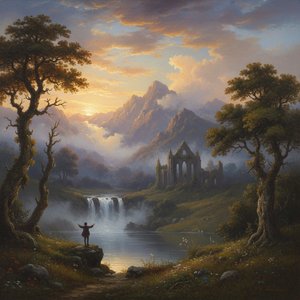
Evoking Emotion & Transcendence: Romantic Landscape Painting (18th-19th Century)
Explore the emotional depth of Romantic landscape painting (18th-19th century). Discover key artists like Friedrich & Cole, and the concepts of the sublime. Expert insights for art lovers & collectors.

Philip James de Loutherbourg: Romantic Visions of Maritime Life & the Sublime
Explore the dramatic naval scenes & landscapes of Philip James de Loutherbourg (1740-1812), a key figure in Romantic painting. Discover his legacy, theatrical innovations & iconic works like 'The Battle of the Nile' at OriginalUniqueArt.

Evocations of Place: A Historical Journey Through Landscape Art
Explore the rich history of landscape art with OriginalUniqueArt. Discover renowned artists, movements like Impressionism & Romanticism, and expert guidance for collecting timeless pieces. Find your perfect serene escape today!
