

 Förhandsvisa
 Skicka
 Dela
Dela
 Visa detaljer
 Guide
Guide

 Ladda ner
 Liknande objekt
 Röntgen
 Bildspel
 Statistik
Falling Leaves
 Oil On Panel
- Realism
 1895
1895- 19th Century
 80.0 x 64.0 cm
 Visa mer
Handgjord oljereproduktion
Handmålad olja på duk i din valda storlek och ram, tillverkad efter beställning av våra konstnärer. ( Byt till tryck Byt till digital bild)




P118B Skr10

P118H Skr10

P118W Skr10

P438Z Skr10

P508JH Skr12

P508YH Skr12

P805H Skr10

P805Z Skr10

P919BZ Skr10

P919G Skr10

P919XJ Skr10

P959ZH Skr10

P968JZ Skr12

W106C Skr8

W218G Skr10

W218JH Skr8

W218Y Skr10

W307PJ Skr10

W316G Skr10

W316PJ Skr8

W316Y Skr10

W398PJ Skr8

W4111J Skr10

W500HY Skr15

W500JH Skr15

W692G Skr12

W849H Skr8

W940BG Skr15

W953PJ Skr8




Välj bland våra förinställda storlekar som motsvarar konstverkets ursprungliga proportioner.

Ange den bredd och höjd du behöver för att passa din ram eller din vägg. Eftersom detta är handmålat kan konstnären, vid ett annat format, måla lite mer runt bilden eller beskära den något – det är du som väljer. Vi skickar en digital mockup för godkännande innan målningen påbörjas. Bilden som visas på denna sida representerar inte det slutgiltiga resultatet — det är endast mockuppen som visar det.
Efter beställning kommer OriginalUniqueArt.com team att mejla kunden för instruktioner och tillhandahålla en skissförhandsvisning
Leverans över hela världen () på 3–4 veckor istället för standard 5 veckor. (25 oktober). Inga kompromisser med kvaliteten.

Fri expressfrakt över hela världen

Högkvalitativ linnecanvas

Fullständig fraktförsäkring

Garantier för återbetalning av tullavgifter

Garantier för exakt färgåtergivning

100 dagars returrätt (endast vid fel)

100% pengarna tillbaka-garanti

Mängdrabatt erbjuds
 Glasalternativet är endast tillgängligt i storlekar under 110 cm.

Falling Leaves
Reproduktionsmetod
Storlek på reproduktion
-


Slutgiltigt pris
Skr 2973
A Moment Frozen in Time: The Serenity of Falling Leaves
In the quietude of an autumnal afternoon, Philip Alexius De László invites us into a world where time seems to decelerate. His 1895 masterpiece, Falling Leaves, is far more than a mere depiction of a woodland scene; it is a profound meditation on solitude and the gentle passage of time. The painting captures an elderly man seated at a table amidst the dappled sunlight of a forest, a figure seemingly lost in the depths of his own reflections. As the golden light filters through the canopy, it illuminates a scene that feels both intimate and expansive, pulling the viewer into a shared moment of peaceful contemplation. There is a palpable sense of stillness here, broken only by the imagined rustle of descending foliage and the distant flight of a single bird, which adds a delicate pulse of life to the tranquil atmosphere.
The composition is masterfully orchestrated to evoke a feeling of comfort and domesticity within the wildness of nature. The presence of a dining table and chairs nestled among the trees suggests a harmonious coexistence between human civilization and the natural world. This juxtaposition creates a unique emotional resonance, making the woods feel not like a daunting wilderness, but like a sanctuary for the soul. For the collector or interior designer, this piece offers a transformative quality; it possesses the rare ability to instill a sense of calm and groundedness in any space, acting as a window into a more contemplative era.
Mastery of Light and the Elegance of Technique
De László, an artist renowned for his ability to capture the essence of European aristocracy, applies his formidable skill to this landscape with breathtaking precision. Utilizing oil on panel, the artist achieves a level of textural richness and luminous detail that is difficult to replicate in other mediums. The panel support allows for fine, controlled brushwork, which is evident in the way the sunlight dances across the man's features and the delicate textures of the surrounding trees. The play of light and shadow—a hallmark of late 19th-century realism—is used here to create depth and volume, making the forest feel three-dimensional and immersive.
The color palette is a sophisticated arrangement of warm, autumnal tones that wrap the viewer in a gentle glow. De László employs subtle gradations of amber, gold, and deep earth tones to build the atmosphere, ensuring that the light feels organic rather than staged. This technical prowess ensures that every time one views a high-quality reproduction of this work, the interplay of warmth and shadow remains as captivating as it was when the paint first dried in 1895. It is this meticulous attention to the physical properties of light that elevates the painting from a simple landscape to a living, breathing environment.
A Legacy of Poetic Realism
To understand Falling Leaves, one must consider the historical context of De László’s career. Emerging from the academic traditions of Budapest and refined in the artistic hubs of Munich and Paris, the artist was a master of capturing both the physical likeness and the inner spirit of his subjects. While he is often celebrated for his grand portraits of royalty, this particular work reveals his softer, more poetic side. It reflects the late 19th-century fascination with plein air sensibilities and the Romantic movement's reverence for nature as a mirror to human emotion.
The symbolism within the piece is subtle yet deeply moving. The open book on the table serves as a metaphor for the unfolding narrative of life, while the falling leaves represent the cyclical nature of existence—the beauty found in transition and decay. For those seeking to adorn their homes with art that speaks to the enduring beauty of the natural cycle, this painting provides an incomparable focal point. It is a work that does not merely decorate a wall; it enriches the spirit, offering a perennial escape into a sun-drenched woodland where the only requirement is to sit, observe, and breathe.
Frågor och svar
Hur beskrivs färgpaletten i "Falling Leaves" av Philip Alexius De László?
Färgerna i "Falling Leaves" utgör en Earthy palett. Denna klassificering beskriver de dominerande färggrupperna.
Vilken fas i Philip Alexius De Lászlós karriär tillhör "Falling Leaves" (1895)?
Årtalet 1895 placerar "Falling Leaves" i Early Period av Philip Alexius De Lászlós konstnärliga utveckling.
Vilket medium och vilka mått har "Falling Leaves" av Philip Alexius De László?
Originalet "Falling Leaves" av Philip Alexius De László är ett verk i Oil On Panel med måtten 80 x 64 cm. Teknik och storlek beskriver det ursprungliga objektet.
Konstnärsbiografi
Philip Alexius de László: Liv och arv
Tidigt liv och utbildning
Philip Alexius de László, född som Fülöp Laub den 30 april 1869 i Budapest, Ungern, steg från enkla förhållanden för att bli en hyllad porträttmålare av det europeiska kungahuset och aristokratin. Hans föräldrar, Adolf och Johanna Laub, var en skräddare respektive en sömmerska av judisk härkomst. Inledningsvis arbetade han som lärling inom fotografi parallellt med sina konstnärliga studier. Han antogs till den nationella konstakademin i Budapest, där han studerade under Bertalan Székely och Károly Lotz. Vidare studier i München och Paris vidgade hans konstnärliga horisonter.
Konstnärlig utveckling och influenser
De Lázlós tidiga verk uppvisade ett skarpt öga för detaljer och en framväxande mästerskap inom realismen. Hans influenser omfattade de akademiska traditioner han lärde sig vid akademin, såväl som de rådande trenderna inom porträttkonsten under det sena 1800-talet och det tidiga 1900-talet. Han utmärkte sig snabbt genom sin förmåga att fånga inte bara den fysiska likheten, utan även personligheten och den sociala ställningen hos sina modeller. Ett avgörande ögonblick inträffade år 1900 när hans porträtt av påve Leo XIII belönades med en stor guldmedalj vid världsutställningen i Paris, vilket etablerade hans internationella rykte.
Karriär och stora prestationer
Efter sin framgång i Paris flyttade de László till Wien 1903 och slog sig sedan ner i London 1907, där han stannade resten av sitt liv. Han blev en mycket eftertraktad porträttmålare bland den europeiska eliten. Hans klientel inkluderade monarker, adelsmän, industriledare, vetenskapsmän och framstående personer från olika områden.
- Betydande modeller: Sir Alfred East, Winifred Cavendish-Bentinck (hertiginna av Portland), Lady Louise Mountbatten (drottning av Sverige), Vita Sackville-West, påve Leo XIII, Augusta Victoria (tysk kejsarinna), prinsessan Alice av Battenberg och många andra.
- Hedersbetygelser och erkännande: Utnämnd till medlem i Royal Victorian Order (MVO) av Edward VII år 1909. Adlad av kung Franz Joseph I av Ungern år 1912, varpå han antog namnet ”de László de Lombos”.
Privatliv och utmaningar
År 1900 gifte sig de László med Lucy Madeleine Guinness, en medlem av den framstående bankirfamiljen. De fick sex barn och sjutton barnbarn. Han konverterade till anglikanismen vid sitt äktenskap efter ett tidigare intresse för katolicismen. Trots sitt brittiska medborgarskap och sitt etablerade liv i England, drabbades han av internering under första världskriget (1917–1918) på grund av misstankar kring sina österrikiska kopplingar, en period präglad av betydande svårigheter.
Konstnärlig stil och teman
De Lázlós stil kännetecknas av sin realism, noggranna detaljrikedom och levande färgpalett. Han var skicklig på att fånga texturerna i tyger, smycken och hudtoner. Hans porträtt förmedlar ofta en känsla av elegans, sofistikering och social status. Även om han främst är känd för sin porträttkonst, skapade han även landskap och genremåleri.
Historisk betydelse och arv
Philip de Lázlós verk ger värdefulla inblickar i det europeiska högreståndslivets liv och utseende under det sena 1800-talet och det tidiga 1900-talet. Hans porträtt fungerar som historiska dokument som fångar en specifik era och dess sociala dynamik. Trots att han ibland kritiserats för att främst vara en porträttmålare av societeten, är hans tekniska skicklighet och förmåga att fånga karaktär obestridlig. Hans samlade verk omfattar nästan 4 000 verk, inklusive teckningar, och ett katalogiseringsarbete (catalogue raisonné) pågår för närvarande. Han avled den 22 november 1937 i London och lämnade efter sig ett bestående arv som en av sin tids främsta porträttmålare.

Philip Alexius De László
1869 - 1937 , Ungern
Kortfakta
- Birth Date: 1869
- Birth Place: Budapest, Ungern
- Death Date: 1937
- Influenced By:
- Bertalan Székely
- Károly Lotz
- Movement: Realism, Porträttmåleri
- Name: Philip Alexius de László
- Nationality: Ungersk, Brittisk
- Notable Works:
- Porträtt av påve Leo XIII
- Porträtt av europeisk kunglighet och aristokrati
Relaterade artiklar

The Enduring Power of Painting: A Historical & Contemporary Exploration of Form and Emotion
Explore the rich history & enduring techniques of oil painting with OriginalUniqueArt. Discover masterpieces, learn about art collecting, and find authentic handmade reproductions crafted by skilled artists.

The Enduring Legacy of Oil on Canvas: Technique, History & Aesthetic Impact
Explore the rich history & techniques of oil painting – from Renaissance masters to Impressionism. Discover pigments, layering methods, and why this timeless medium endures. Expert insights for artists & art enthusiasts.
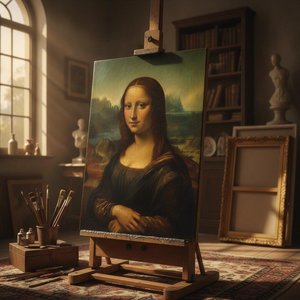
Mastering the Surface: A Historical and Technical Guide to the Art of Oil on Panel Painting
Explore the profound history and technical brilliance of oil on panel painting. From Renaissance masters to modern techniques, discover why this rigid support offers unparalleled precision and permanence for fine art lovers and collectors.

Oil on Board: A Historical Survey of Technique, Aesthetic Qualities & Enduring Appeal
Explore the rich history of oil on board painting! Discover techniques, aesthetic qualities & enduring appeal from early masters to modern practice. Expert insights for collectors and art enthusiasts.

Olja på duk: En tidlös teknik – Historik, process och konstnärliga möjligheter
Utforska oljemålningskonsten! Lär dig om flamländsk teknik, materialval och historisk utveckling. Expertguider för både nybörjare och erfarna konstnärer – bevara dina målningar med bästa praxis.