
 Förhandsvisa
 Skicka
 Dela
Dela
 Visa detaljer
 Guide
Guide

 Ladda ner
 Liknande objekt
 Röntgen
 Bildspel
 Statistik
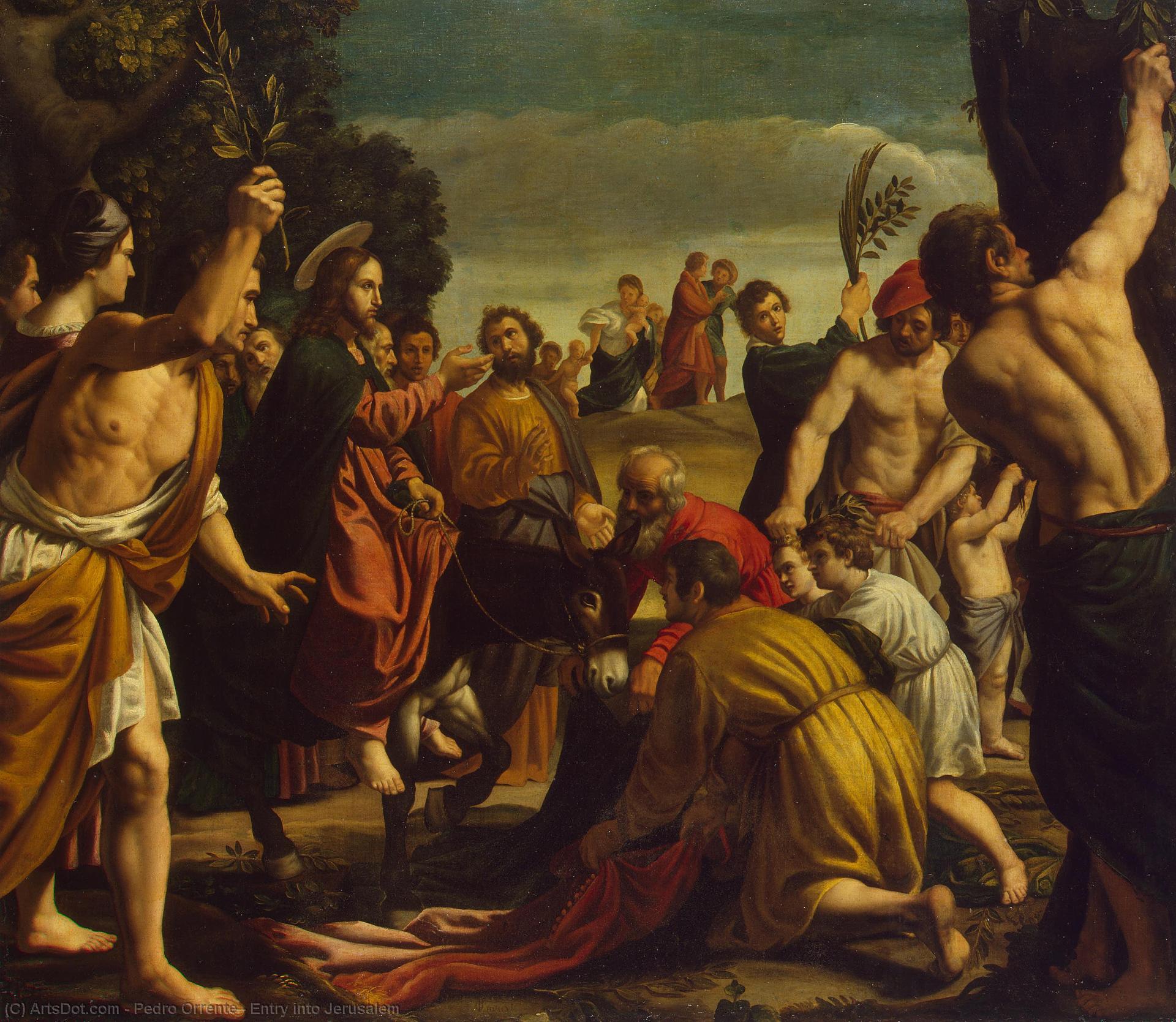
Entré till Jerusalem
 Olja
Olja- Väggkonst
- Spanish Baroque
 1620
1620 112.0 x 127.0 cm
 Ermitaget
 Visa mer
Handgjord oljereproduktion
Handmålad olja på duk i din valda storlek och ram, tillverkad efter beställning av våra konstnärer. ( Byt till tryck Byt till digital bild)




P118B Skr10

P118H Skr10

P118W Skr10

P438Z Skr10

P508JH Skr12

P508YH Skr12

P805H Skr10

P805Z Skr10

P919BZ Skr10

P919G Skr10

P919XJ Skr10

P959ZH Skr10

P968JZ Skr12

W106C Skr8

W218G Skr10

W218JH Skr8

W218Y Skr10

W307PJ Skr10

W316G Skr10

W316PJ Skr8

W316Y Skr10

W398PJ Skr8

W4111J Skr10

W500HY Skr15

W500JH Skr15

W692G Skr12

W849H Skr8

W940BG Skr15

W953PJ Skr8




Välj bland våra förinställda storlekar som motsvarar konstverkets ursprungliga proportioner.

Ange den bredd och höjd du behöver för att passa din ram eller din vägg. Eftersom detta är handmålat kan konstnären, vid ett annat format, måla lite mer runt bilden eller beskära den något – det är du som väljer. Vi skickar en digital mockup för godkännande innan målningen påbörjas. Bilden som visas på denna sida representerar inte det slutgiltiga resultatet — det är endast mockuppen som visar det.
Efter beställning kommer OriginalUniqueArt.com team att mejla kunden för instruktioner och tillhandahålla en skissförhandsvisning
Leverans över hela världen () på 3–4 veckor istället för standard 5 veckor. (27 oktober). Inga kompromisser med kvaliteten.

Fri expressfrakt över hela världen

Högkvalitativ linnecanvas

Fullständig fraktförsäkring

Garantier för återbetalning av tullavgifter

Garantier för exakt färgåtergivning

100 dagars returrätt (endast vid fel)

100% pengarna tillbaka-garanti

Mängdrabatt erbjuds
 Glasalternativet är endast tillgängligt i storlekar under 110 cm.

Entré till Jerusalem
Reproduktionsmetod
Storlek på reproduktion
-


Slutgiltigt pris
Skr 2987
En Inträngande Scen: Pedro Orrentes Porträtt av Jesu Åtgång
Pedro Orrente, en spansk konstnär som levde och arbetade under den sena barocken, skapade 1620 ett verk som inte bara fångar en biblisk händelse utan också speglar tidens ande. “Entry into Jerusalem” (Åtgången till Jerusalem) är mer än bara en religiös illustration; det är en studie i ljus, färg och mänsklig interaktion, en skildring av en ögonblick som bär på djup symbolik och känslomässig resonans. Verket, nu bevarat i Hermitage-museet i St Petersburg, representerar ett viktigt steg i Orrentes konstnärliga utveckling – hans tidiga experiment med naturalism inom den barocka stilen.
Tavlan skildrar Jesu ankomst till Jerusalem under Palmdomen. Jesus, åriden på en häst och en osaddel, omringas av en stor folkmassa. Det är inte en triumfaliskt högtidlig scen i den traditionella bemärkelsen, utan snarare en bild av allmänna människor – bönder, hantverkare, kvinnor – som möter honom med tyst vördnad och hopp. Orrente lyckas fånga denna komplexa atmosfär genom sin noggranna skildring av ansiktsuttryck och kroppsspråk; varje individ i folkmassan har en distinkt karaktär, vilket ger scenen en känsla av realism och livfullhet.
Barockens Naturlighet: Orrentes Innovation
Pedro Orrente var en pionjär inom den spanska barocken. Medan många av hans samtida, som El Greco, föredrog dramatiska, överdådiga stilar, valde Orrente att fokusera på realistisk representation och psykologisk djup. Han var en av de första konstnärerna i Spanien att prioritera detaljerad skildring av mänskliga ansikten och kroppar, samtidigt som han behöll den barocka stilen med sin dynamiska komposition och starka känslomässiga uttryck. Hans teknik är präglad av en mjuk, oljebaserad penseldragning som ger färgerna en rikhet och djup. Han använder ljus och skugga på ett subtilt sätt för att skapa volym och dimension, vilket bidrar till den visuella övertygelsen i scenen.
Det är intressant att notera att Orrente var en ivrig observatör av sin omgivning. Han studerade människor noggrant och försökte fånga deras essens på canvas. Detta syns tydligt i hans skildring av folkmassan, där varje individ har en unik utseende och ett distinkt uttryck. Han var också en mästare på att skapa en känsla av rörelse och dynamik i sina verk, vilket gör dem levande och engagerande.
Symbolism och Andlighet: En Fördjupad Betraktelse
”Entry into Jerusalem” är fylld med symbolisk betydelse. Palmblad, som placeras på marken som en tronskål, representerar hopp och frälsning. Jesus’ åder på hästen symboliserar hans gudomliga makt och hans roll som Messias. Folkmassan, som välkomnar honom med ”Hosanna!”, uttrycker deras tro och förväntan på den kommande frälsningen. De två fåglarna i himlen kan tolkas som ett tecken på Guds närvaro och vägledning.
Verket är inte bara en historisk skildring utan också en meditation över mänsklig tro, hopp och förlåtelse. Orrente lyckas förmedla en känsla av andlighet och mystik som fångar betraktarens uppmärksamhet. Det är ett verk som bjuder in till reflektion och eftertanke om livets mening och den gudomliga planen.
Reproduktionens Magi: Återskapa Ett Klassiskt Konstverk
OriginalUniqueArt erbjuder nu handmålade reproduktioner av Pedro Orrentes “Entry into Jerusalem”. Våra konstnärer, inspirerade av originalet i Hermitage-museet, återger tavlans detaljer och atmosfär med samma precision och känslomässiga djup. Vi använder endast högkvalitativa oljefärger på ett tjockt, naturligt canvas för att skapa en reproduktion som är både vacker och hållbar. Varje målning är unik och bär spår av konstnärens hantverk – penseldrag, textur och färgtoner som återspeglar originalets autenticitet.
Genom att investera i en OriginalUniqueArt-reproduktion får du inte bara ett vackert konstverk utan också en del av konsthistorien. Det är ett sätt att ta med dig den andliga och estetiska skönheten från Pedro Orrentes mästerverk in i ditt hem eller kontor.
Frågor och svar
Var i Pedro Orrentes karriär placerar sig "Entré till Jerusalem"?
Inom Pedro Orrentes karriär tillhör "Entré till Jerusalem" perioden Late Baroque. Denna fas underlättar jämförelser med konstnärens övriga verk.
Vilken storlek rekommenderas för "Entré till Jerusalem" i ett Vardagsrummet?
För ett Vardagsrummet rekommenderas "Entré till Jerusalem" i tryckstorleken Stor.
Vilket format har "Entré till Jerusalem"?
Formatet för "Entré till Jerusalem" är Liggande format. Detta är användbart när du planerar var en reproduktion ska placeras.
Konstnärsbiografi
The Spanish Bassano: The Life and Legacy of Pedro Orrente
In the vibrant tapestry of the Spanish Golden Age, few threads are as intricately woven yet subtly colored as those left by Pedro Orrente. Born in Murcia in 1580, Orrente emerged during a transformative era when the dramatic tensions of the Baroque were beginning to coalesce with a burgeoning interest in naturalism. While history often shines its brightest spotlight on more flamboyant figures like El Greco, Orrente carved out a profound niche by bridging these two worlds. His life was one of movement and adaptation, traveling from his native Murcia to the artistic hubs of Toledo and eventually settling in Valencia, where he would pass away in 1645. This nomadic existence allowed him to absorb the diverse artistic currents of Spain, creating a body of work that feels both deeply rooted in Spanish tradition and breathlessly connected to the broader European landscape.
The foundations of Orrente’s mastery were laid in his early years, likely under the tutelage of the Murcia painter Juan de Arizmendi. However, it was his time in Toledo around 1600 that truly ignited his professional ascent. It was here that he encountered Jorge Manuel Theotocóp_uli, the son of El Greco, a friendship that undoubtedly exposed him to the lingering echoes of Mannerism. Yet, Orrente’s true artistic soul found its resonance elsewhere. His travels took him to Venice, where the influence of the Bassano family became an indelible part of his visual vocabulary. Often referred to as "the Spanish Bassano," Orrente adopted their unique ability to transform biblical narratives into dynamic genre scenes. He learned to populate his canvases with lively figures set against lush, detailed landscapes, moving away from stiff, idealized compositions toward a more visceral, human experience of the divine.
A Mastery of Naturalism and Dramatic Light
Orrente’s technical prowess is most evident in his ability to manipulate light and shadow to evoke profound emotional responses. He was a pioneer of naturalism within the Spanish Baroque framework, prioritizing an accurate, almost tactile representation of the world around him. In masterpieces such as "The Sacrifice of Isaac" (1616), one can witness this tension between the sacred and the earthly. The composition is charged with an urgent, palpable anxiety, where the intervention of the angel provides a moment of divine grace amidst the raw, human terror of the scene. His use of chiaroscuro—the dramatic interplay of light and dark—serves not merely as a stylistic flourish but as a narrative tool to anchor the viewer’s eye to the most poignant emotional beats of his stories.
This skill is further illuminated in works like "Entry into Jerusalem" (c. 1620), where the biblical event is stripped of distant abstraction and rendered as a vibrant, crowded tableau. Through his brush, Jesus does not arrive merely as a theological icon but as a figure moving through a real, breathing world, surrounded by a diverse crowd of worshippers, skeptics, and onlookers. Orrente had a remarkable gift for detail; whether it was the texture of a donkey's coat, the fluttering of birds in a vast sky, or the subtle expressions of devotion on a disciple's face, his work invites a slow, meditative gaze that rewards the observer with endless layers of meaning.
Historical Significance and Artistic Triumph
The enduring significance of Pedro Orrente lies in his role as a transitional architect of Spanish art. He stood at the crossroads of eras, helping to steer the Spanish aesthetic away from the elongated, spiritualized forms of the late Renaissance toward the grounded, dramatic realism that would define much of the 17th century. His ability to synthesize the Venetian approach to landscape and genre with the intense religious fervor of Spain created a unique visual language that resonated across the regions where he worked.
Reflecting on his contributions, several key elements define his artistic triumph:
- Pioneering Naturalism: He was among the first in his region to prioritize realistic, human-centric representations within religious subjects.
- The Venetian Connection: His successful integration of the Bassano family's style allowed him to introduce a new sense of landscape and movement to Spanish altarpieces.
- Emotional Depth: Through masterful use of light and composition, he transformed static biblical stories into living, breathing dramas.
- Cultural Bridge: His work served as a vital link between the fading influence of El Greco's Mannerism and the rising tide of the Baroque.
Though his name may not always command the immediate recognition of the most famous masters, the impact of Pedro Orrente is felt in every shadow and every sun-drenched landscape of his canvases. He remains a vital figure for any student of art history, representing a moment of profound change where the divine was brought down to earth through the lens of breathtaking realism.

Pedro Orrente
1580 - 1645 , Spain
Kortfakta
- Full Name: Pedro de Orrente
- Nationality: Spanish
- Date Of Birth: 1580
- Date Of Death: 1645
- Place Of Birth: Murcia, Spain
- Notable Artworks:
- The Sacrifice of Isaac
- El bateig de Crist
- Saint Leocadia
- Artistic Movement Or Style: Baroque
- Artists Who Influenced This Artist: ['El Greco']
- Artists Or Movements Influenced By This Artist:
- Esteban March
- Valencian art
Relaterade artiklar

The Visceral Stage: Exploring Dramatic Narratives & Emotional Intensity in Baroque Art
Explore the dramatic world of Baroque art! Discover iconic masters like Caravaggio & Rembrandt, their techniques, and the movement's lasting impact. Expert insights for collectors & enthusiasts at OriginalUniqueArt.

Barockens dramatik: Att föra prakt och känsla in i samtida interiörer
Upptäck barockens dramatik och lyx! Lär dig hur du integrerar denna klassiska stil i ditt hem med våra experttips och inspirerande exempel. Skapa en palatskänsla idag!

The Dramatic Flourish: Exploring the Baroque Movement's Enduring Legacy in Art History
Explore the dramatic world of Baroque art! Discover iconic artists like Caravaggio & Rubens, defining techniques, and its lasting impact on art history. Expert insights for collectors & enthusiasts at OriginalUniqueArt.

Barockens Mästerverk: Topp 10 konstverk som definierade en epok – OriginalUniqueArt.se
Upptäck barockens 10 största mästerverk! Caravaggio, Rembrandt, Bernini och fler. Lär känna historien bakom ikoniska målningar & skulpturer. Köp reproduktioner av hög kvalitet på OriginalUniqueArt.com – för en lyxig heminredning.

Baroque Classicism: The Grandeur of Order and Drama in 17th-Century Art History
Explore the profound elegance of Baroque Classicism. Discover how 17th-century masters synthesized dramatic emotion with classical order through the lens of the Counter-Reformation and the works of legends like Carlo Maratta and Andrea Sacchi.