Visa i rummet
 Skicka
 Dela
Dela
 Detaljer
 Studentguide för konstverk

 Ladda ner
 Liknande objekt
 Röntgen
 Bildspel
 Besökstatistik
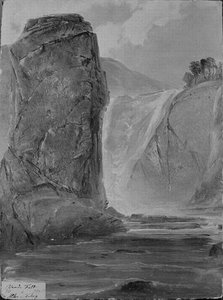
VUE DU PRESBYTERE D'EIDSVOLD


 Läs mer
Giclée / Konsttryck
Giclée- eller canvasprint av museumskvalitet med snabb produktion och flexibla ytbehandlingsalternativ. ( Köp handmålat konstverk Byt till digital bildförsäljning)




P118B Skr10

P118H Skr10

P118W Skr10

P438Z Skr10

P508JH Skr12

P508YH Skr12

P805H Skr10

P805Z Skr10

P919BZ Skr10

P919G Skr10

P919XJ Skr10

P959ZH Skr10

P968JZ Skr12

W106C Skr8

W218G Skr10

W218JH Skr8

W218Y Skr10

W307PJ Skr10

W316G Skr10

W316PJ Skr8

W316Y Skr10

W398PJ Skr8

W4111J Skr10

W500HY Skr15

W500JH Skr15

W692G Skr12

W849H Skr8

W940BG Skr15

W953PJ Skr8




Välj bland våra förinställda storlekar som motsvarar konstverkets ursprungliga proportioner.

Ange den bredd och höjd du behöver, för att passa din ram eller din vägg. Ett tryck kan endast beskäras, aldrig göras större än bilden, vilket innebär att ett format med en annan formform leder till att en del av bilden går förlorad. Vi skickar en digital mockup för godkännande innan vi trycker något. Bilden som visas på denna sida visar inte den faktiska beskärningen — det är endast mockuppen som gör det.
Leverans över hela världen () på 2 veckor istället för standard 4/5 veckor. (24 oktober)

Fri expressfrakt över hela världen

Högkvalitativ linnecanvas

Fullständig fraktförsäkring

Garantier för återbetalning av tullavgifter

Garantier för exakt färgåtergivning

100 dagars returrätt vid fabrikationsfel

100% pengarna tillbaka-garanti

Mängdrabatt erbjuds
 Glasalternativet är endast tillgängligt i storlekar under 110 cm.

VUE DU PRESBYTERE D'EIDSVOLD
Giclée / Konsttryck
Reproduktionsstorlek
-


Totalpris
Skr 793
A Haunting Beauty: Peder Balke’s “Vue du Presbytère d’Eidsvold”
Peder Balke's "Vue du Presbytère d’Eidsvold" isn’t merely a landscape painting; it’s a distilled moment of Northern Norwegian melancholy, rendered with an almost unsettling intimacy. Completed around 1849, this work—a cornerstone of the Romantic tradition and a testament to Balke’s unique vision—captures not just a physical scene but also the profound emotional resonance of the natural world. The painting depicts the modest presbytery of Eidsvold, nestled within a landscape dominated by muted greys, blues, and browns – colors that speak less of vibrant life and more of quiet contemplation and the enduring power of time.
Romantic Luminism: Light, Atmosphere, and Feeling
Balke’s style defies easy categorization. He’s often associated with Romanticism, yet his approach diverges significantly from the grand, heroic landscapes favored by some contemporaries. Instead, he embraced a more subtle, introspective mode—a technique he termed “luminism.” This isn't about sharp detail or dramatic contrasts; it’s about capturing the *feeling* of light and atmosphere. Notice how the overcast sky diffuses the light, creating an ethereal haze that softens every edge and blurs the boundaries between land and water. The brushstrokes are loose and expressive, layering color to build depth and suggest movement—a gentle breeze rustling through the trees, the subtle shimmer on the water’s surface. This deliberate lack of precision isn't a flaw; it’s precisely what imbues the scene with its haunting beauty.
A Story in Layers: Technique and Materials
Balke employed a distinctive technique, utilizing thin washes of oil paint applied to cardboard or canvas. This layering creates a remarkable sense of depth and atmospheric perspective – distant elements appear paler and less defined, drawing the viewer’s eye into the heart of the scene. The use of muted colors—primarily greys, browns, and blues—further enhances this effect, evoking the cool, damp air characteristic of the Norwegian coast. The artist's meticulous attention to detail is evident in the subtle variations within each color tone, creating a rich tapestry of textures and values. It’s a testament to his mastery of light and color that he can evoke such profound emotion with such seemingly simple means.
Symbolism and Emotional Resonance: A Landscape of Solitude
Beyond its purely visual qualities, “Vue du Presbytère d’Eidsvold” carries a potent symbolic weight. The isolated presbytery, set against the vastness of the Norwegian landscape, speaks to themes of solitude, faith, and the enduring connection between humanity and nature. The muted colors and hazy atmosphere contribute to a sense of melancholy—a feeling that lingers long after viewing the painting. Some scholars interpret the scene as reflecting Balke’s own personal struggles with isolation and his deep reverence for the natural world. The church spire, rising above the landscape, can be seen as a symbol of hope amidst the quiet contemplation, suggesting a connection between earthly existence and something greater.
Reproductions of this work offer a remarkable opportunity to bring Balke’s evocative vision into any space. Whether adorning a study or a living room, “Vue du Presbytère d’Eidsvold” invites viewers to pause, reflect, and connect with the timeless beauty of the Norwegian landscape—a testament to one artist's ability to capture not just a scene, but an entire mood.
Frågor och svar
Var i hemmet passar en reproduktion av "VUE DU PRESBYTERE D'EIDSVOLD" bra?
Det rekommenderade utrymmet för "VUE DU PRESBYTERE D'EIDSVOLD" av Peder Balke är ett Living Room. Förslaget kan naturligtvis anpassas efter din inredning.
Tillåter upphovsrätten för "VUE DU PRESBYTERE D'EIDSVOLD" av Peder Balke reproduktioner?
"VUE DU PRESBYTERE D'EIDSVOLD" av Peder Balke, som finns på Louvren, är allmän egendom – upphovsrätten har löpt ut. Denna status avgör om reproduktioner av bilden får framställas.
Vad handlar "VUE DU PRESBYTERE D'EIDSVOLD" om?
"VUE DU PRESBYTERE D'EIDSVOLD" av Peder Balke föreställer: landscape, norway, church, bridge, water, atmosphere, peder balke.
Om konstnären
En norsk romantisk visionär: Peder Balkes liv och konst
Peder Andersen Balke, född 1804 på den ödmjuka ön Helgøya i Norge, framträdde som en djupt originell röst inom 1800-talets landskapstradition. Hans livshistoria är en berättelse om en beslutsam konstnärlig strävan mot en bakgrund av landsbygdens umbäranden och samhälleliga begränsningar. Uppväxten mitt i det norska landskapets karga skönhet väckte hos honom en djup koppling till naturen, vilket skulle bli det definierande draget för hans livsverk. Trots att han föddes in i en familj av bönder, erkändes Balkes inneboende talang av hans omgivning, som samlade resurser för att stödja hans konstnärliga utbildning – ett bevis på det värde som placerades på kreativitet även under anspråkslösa förhållanden. Denna tidiga uppmuntran drev honom mot formell träning, först under Heinrich August Grosch och Jacob Munch, för att sedan söka sig vidare till studier vid den Kungliga Svenska Konstakademin i Stockholm under Carl Johan Fahlcrantz, och senare förfina sina färdigheter tillsammans med Johan Christian Dahl.
Formandet av en unik stil
Balkes konstnärliga utveckling präglades av en rastlös utforskning av teknik och uttryck. Han nöjde sig inte med att blott replikera den visuella världen; istället strävade han efter att fånga dess emotionella essens, dess sublima kraft. Hans målningar är omedelbart igenkännbara för sin dramatiska ljussättning, där scener ofta framställs badande i ett eteriskt sken eller höljda i en atmosfärisk mörker. Denna fascination för ljuset – särskilt de flyktiga effekterna av månsken och skymning – blev ett kännetecken för hans stil. Han utvecklade ett särpräglat penseldrag karaktäriserat av texturerade stråk och en okonventionell användning av färg, vilket skapade en drömlik kvalitet som skiljer hans verk från mer konventionella romantiska landskap. Det är som om han inte enbart målade vad han *såg*, utan snarare vad han *känslomässigt upplevde* i mötet med naturen.
Norges landskap: En nationell identitet på duk
Balke är främst känd för sina stämningsfulla skildringar av det norska landskapet, ett motiv han återvände till upprepade gånger under sin karriär. Verk som Vue de Christiania (idag Oslo), målat 1872, erbjuder en fängslande inblick i den urbana tillvaron i Norges huvudstad, men även här tornar naturen upp sig och ramar in stadsbilden för att påminna betraktaren om dess koppling till den omgivande vildmarken. The Harbor at Skjervøy (1846) visar hans noggranna detaljrikedom tillsammans med en förmåga att fånga den livliga energin i en kusthamn. Old Trees (1840), med sin karga vinterscen och kraftfulla ljussättning, exemplifierar hans mästerskap inom stämning och atmosfär. Seascape (18andom) och The North Cape by Moonlight (1848) demonstrerar ytterligare hans förmåga att förmedla den råa skönheten och det otämjda sinnet hos Norges kustlinje och nordliga utmarker. Dessa var inte blott pittoreska vyer; de var manifest om nationell identitet, en hyllning till Norges unika naturarv.
Bortom duken: Ett socialt samvete
Peder Balke var mer än bara en konstnär; han var en engagerad social reformator som aktivt tog ställning i sin tids brännande frågor. Han trodde på att använda sina resurser och sitt inflytande för att förbättra andras liv, mest märkbart genom Balkeby-projektet – en ny förort till Oslo utformad för att erbjuda värdiga levnadsvillkor för arbetare. Han tillhandahöll lån och upprätthöll strikta byggregler, vilket visade på ett praktiskt engagemang för social rättvisa. Vidare förespråkade Balke outtröttligt ekonomiskt stöd till konstnärer genom att argumentera för bidrag och pensioner för både män och kvinnor, i erkännandet av den vitala roll som kreativitet spelar i samhället. Denna hängivenhet till sociala frågor avslöjar en medmänsklig och framåtblickande individ som såg konsten som oskiljaktig från mänskligt välbefinnande.
Återupptäckten och arvet
Trots sina betydande bidrag förblev Balkes verk till stor del förbisedda under många år efter hans död 1887. Det var inte förrän under det sena 20:e och tidiga 21:a århundradet som en förnyad uppskattning för hans unika vision började växa fram. Stora utställningar vid prestigefyllda institutioner som National Gallery i London (2014–2015) och Metropolitan Museum of Art (2017) presenterade hans målningar för en bredare publik, vilket väckte både kritikerros och vetenskapligt intresse. Idag erkänns Peder Balke som en central gestalt i norsk konsthistoria, en konstnär vars dramatiska landskap och emotionella djup fortsätter att resonera hos betraktaren. Hans inflytande kan skönjas i arbetena hos efterföljande nordiska konstnärer, vilket befäster hans plats som en sann visionär som lyckades fånga Norges själ på duken.
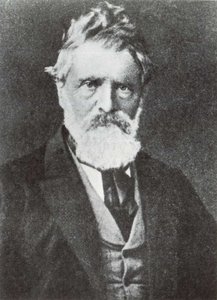
Peder Balke
1804 - 1887 , Norge
Snabbfakta
- Artistic Movement Or Style: Romantisk landskap
- Artists Or Movements Influenced By This Artist: ['Nordisk kunst']
- Artists Who Influenced This Artist:
- Grosch
- Munch
- Fahlcrantz
- Date Of Birth: 1804-11-04
- Date Of Death: 1887-02-05
- Full Name: Peder Andersen Balke
- Nationality: Norsk
- Notable Artworks:
- Vue Christiania
- Hamn Skjervøy
- Gamle trær
- Place Of Birth: Hegøy, Norge
Relaterade artiklar

John Constables 25 Mästerverk: En Konstnärlig Resa i Det Engelska Landskapet | OriginalUniqueArt
Utforska John Constables 25 mest ikoniska målningar – romantikens mästare av det engelska landskapet. Upptäck historien, tekniken & skönheten i verk som 'Hay Wain'. Köp exklusiva konsttryck på OriginalUniqueArt.com.

Romantiska landskap: Topp 10 mästerverk som definierade en epok – OriginalUniqueArt.se
Utforska de 10 mest ikoniska mästerverken inom romantisk landskapsmålning! Lär känna Caspar David Friedrich, Turner & andra. Hitta inspiration och köp museumkvalitativa konsttryck på OriginalUniqueArt.com.

Luminism: The Mastery of Ethereal Light and Atmospheric Tranquility in American Landscape Painting
Journey through the luminous era of American landscape art. Uncover the history, techniques, and masters of Luminism, from Kensett to Lane. Elevate your collection with our museum-grade, hand-painted oil reproductions of these ethereal masterpieces.

Evocations of Place: A Historical Journey Through Landscape Art
Explore the rich history of landscape art with OriginalUniqueArt. Discover renowned artists, movements like Impressionism & Romanticism, and expert guidance for collecting timeless pieces. Find your perfect serene escape today!
Capturing Stillness: A Curated Exploration of the Most Iconic Lake Landscapes in Art History
Journey through art history's most serene lake landscapes. From Romantic vistas to light-drenched Impressionist waters, discover the stories behind these iconic masterpieces and find museum-quality, hand-painted oil reproductions for your private collection.