
 Förhandsvisa
 Skicka
 Dela
Dela
 Visa detaljer
 Guide
Guide

 Ladda ner
 Liknande objekt
 Röntgen
 Bildspel
 Q&A
Q&A Statistik
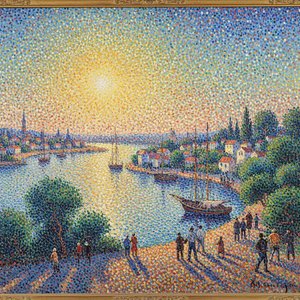
La Voile verte

- 65.0 x 81.0 cm


 Visa mer
Giclée / Konsttryck
Giclée- eller canvasprint av museumskvalitet med snabb produktion och flexibla ytbehandlingsalternativ. ( Beställ handmålad reproduktion Byt till digital bild)




P118B Skr10

P118H Skr10

P118W Skr10

P438Z Skr10

P508JH Skr12

P508YH Skr12

P805H Skr10

P805Z Skr10

P919BZ Skr10

P919G Skr10

P919XJ Skr10

P959ZH Skr10

P968JZ Skr12

W106C Skr8

W218G Skr10

W218JH Skr8

W218Y Skr10

W307PJ Skr10

W316G Skr10

W316PJ Skr8

W316Y Skr10

W398PJ Skr8

W4111J Skr10

W500HY Skr15

W500JH Skr15

W692G Skr12

W849H Skr8

W940BG Skr15

W953PJ Skr8




Välj bland våra förinställda storlekar som motsvarar konstverkets ursprungliga proportioner.

Ange den bredd och höjd du behöver för att passa din ram eller vägg. Ett tryck kan endast beskäras, aldrig göras större än originalbilden, vilket innebär att ett format med en annan proportion leder till att en del av bilden går förlorad. Vi skickar en digital mockup för godkännande innan vi påbörjar tryckningen. Bilden som visas på denna sida visar inte den faktiska beskärningen — det är endast mockuppen som gör det.
Leverans över hela världen () på 2 veckor istället för standard 4/5 veckor. (2 november)

Fri expressfrakt över hela världen

Högkvalitativ linnecanvas

Fullständig fraktförsäkring

Garantier för återbetalning av tullavgifter

Garantier för exakt färgåtergivning

100 dagars returrätt (endast vid fel)

100% pengarna tillbaka-garanti

Mängdrabatt erbjuds
 Glasalternativet är endast tillgängligt i storlekar under 110 cm.

La Voile verte
Giclée / Konsttryck
Storlek på reproduktion
-


Slutgiltigt pris
Skr 803
Paul Signac’s *La Voile verte*: A Symphony of Light and Color
Paul Signac's 1904 painting, *La Voile verte*, is more than just a depiction of a serene coastal scene; it’s a meticulously constructed testament to the revolutionary principles of Neo-Impressionism. This vibrant canvas captures a fleeting moment on the water – sailboats gliding across a brilliant blue expanse – rendered with an almost scientific precision that reveals Signac's deep engagement with the burgeoning field of color theory. The painting, measuring 65 x 81 cm, immediately draws the viewer into its luminous embrace, inviting contemplation of light, movement, and the very nature of perception.
The Pointillist Technique: A Calculated Brilliance
*La Voile verte* exemplifies Signac’s mastery of Pointillism, a technique he developed in collaboration with Georges Seurat. Rather than blending colors on the palette or directly on the canvas, Signac employed thousands of tiny, distinct dots – *touches* as he called them – of pure color. These individual points, when viewed from a distance, optically blend to create an illusion of tone and hue. This method wasn’t simply a stylistic choice; it was rooted in scientific observation of how the human eye perceives color. Signac believed that by isolating and applying these pure colors, he could achieve a greater luminosity and vibrancy than traditional blending techniques allowed. The result is a shimmering surface alive with reflected light, capturing the dynamism of the water and the sails with remarkable fidelity.
Historical Context: Neo-Impressionism’s Pursuit of Scientific Beauty
Created in 1904, *La Voile verte* sits firmly within the context of Neo-Impressionism, a movement that emerged as a reaction against the subjective Impressionists. While Impressionists sought to capture fleeting moments and atmospheric effects, Signac and Seurat aimed for a more systematic approach – one grounded in scientific principles. They drew inspiration from the work of Eugène Chevreul, a chemist who had studied color perception and demonstrated how complementary colors could enhance each other’s brilliance. This pursuit of ‘scientific beauty’ sought to unlock the secrets of light and color through rigorous observation and methodical application.
Symbolism and Emotional Impact
Beyond its technical innovation, *La Voile verte* evokes a powerful sense of tranquility and leisure. The sailboats, with their billowing green sails, represent freedom, movement, and connection to nature. The bright blue water mirrors the sky, creating a harmonious balance that is both visually stunning and emotionally soothing. Signac’s meticulous attention to detail – from the reflections on the water to the subtle variations in color – invites the viewer to lose themselves in the scene, experiencing a moment of quiet contemplation amidst the bustle of modern life. This painting continues to resonate with its masterful use of light and color, offering a timeless depiction of beauty and serenity.
Frågor och svar
Kan jag se "La Voile verte" som ett bildspel i helskärm?
"La Voile verte" av Paul Signac kan visas som ett bildspel på verkets Bildspel-sida.
Vilken känsla förmedlar "La Voile verte" av Paul Signac?
"La Voile verte" förknippas med en Tranquil känsla. Den emotionella tonen beskriver det intryck som verket förmedlar.
Vilken känsla förmedlar "La Voile verte" av Paul Signac?
Stämningen i "La Voile verte" av Paul Signac är Serene, och dess emotionella ton är Tranquil.
Konstnärsbiografi
The Harmonious Vision of Paul Signac
Paul Victor Jules Signac, född i Paris 1863, blev en nyckelperson i modern konstens utveckling, tätt förknippad med både Neo-Impressionismens födelse och dess fortsatta utveckling. Han var inte bara en målare; han var en passionerad utforskare av ljus, färg och den vetenskapliga grund som ligger till botten för vår syn på världen. Signacs tidiga verk visade uppdragningar av Impressionismen, men underverkade snart under Georges Seurats djupa inflytande, vilket ledde till en partnerskap som föddes Pointillism – en teknik präglad av minutiöst placerade, distinkta punkter av ren färg, avsedda att blandas optiskt i betraktarens öga. Detta var inte bara ett estetiskt val; det var ett försök att systematisera måleriet, att förankra det i vetenskapliga principer och utmana konventionella konstnärliga normer. Signac var en pionjär som sökte att ge måleriet en ny, vetenskapligt grundad form.En Dialog med Seurat och Födelsen av Neo-Impressionism
Mötet mellan Signac och Seurat 1884 blev en transformativ händelse för båda konstnärerna. De delade en fascination för Eugène Delacroix’ skrifter om färgteori, särskilt hans utforskning av komplementära kontraster och färgens emotionella påverkan. Tillsammans inledde de en rigorös undersökning av dessa principer, vilket de sedan översatte till en revolutionerande måleriteknik. Signac omfamnade Seurats vision fullt ut, lämnade Impressionismens flyktiga penseldrag bakom sig och tog istället den precisa, beräknade appliceringen av färgpunkter. *Boulevard de Clichy* (1886) är ett tidigt bevis på denna nya metod, som visar Signacs minutiösa stil och hans engagemang för att fånga stadslivets livlighet genom en vetenskaplig lins. Men deras samarbete var inte bara tekniskt; det var också intellektuellt, drivet av en gemensam önskan att höja måleriet till samma nivå som en rigorös vetenskap. Signac blev en ivrig förespråkare för Seurats idéer och arbetade ihärdigt för att sprida Neo-Impressionismens principer.Kustlandskap och Konstnärlig Frihet
Efter Seurats tragiska död 1891 tog Signacs konstnärliga resa en ny riktning, starkt influerad av hans djupa kärlek till segling och lockelsen från Medelhavskusten. Han upptäckte Saint-Tropez 1892 och etablerade ett hem där, som blev en fristad för konstnärer och en källa till oändliga inspirationer. De skimrande vattnen, solbeljysta hamnar och pittoreska kustlandskap erbjöd en idealisk miljö att utforska ljusets och färgens samspel. *The Red Buoy, Saint-Tropez* (1895) är ett utmärkt exempel på denna period, som visar Signacs behärskning av Pointillism i att fånga havens livfulla färger och dynamiska energi. Hans teknik utvecklades gradvis, blev mer flytande och uttrycksfull samtidigt som den bibehöll sin vetenskapliga grund. Han började experimentera med bredare penseldrag och en större palett, och lämnade strikt efterlevnad av Seurats precisa punktmetod bakom sig. Signac reste vida omkring, från Frankrike till Italien, Holland och till och med Konstantinopel, varje resa berikade hans konstnärliga ordförråd och breddade hans perspektiv.En Stödjare av Avantgardet och ett Bestående Arv
Utöver sina egna konstnärliga strävanden spelade Signac en nyckelroll i att främja utvecklingen av modern konst genom sin ledning inom Société des Artistes Indépendants. Som president från 1908 till sin död 1935, förespråkade han konstnärlig frihet och erbjöd en plattform för framväxande talanger, inklusive Henri Matisse, André Derain och andra pionjärer inom Fauvismen och Kubismen. Han var bland de första att erkänna och stödja deras banbrytande verk. Signacs engagemang för inkludering och hans vilja att omfamna innovation formade kursen för 20:e århundradets konst, lämnade ett bestående avtryck på generationer av konstnärer. Hans teoretiska skrifter, särskilt *From Eugène Delacroix to Neo-Impressionism* (1899), stärkte dessutom hans position som en ledande intellektuell figur inom konstmön. Paul Signac var en visionär konstnär, en dedikerad teoretiker och en generös stödjare som djupt påverkade utvecklingen av modern konst.Nyckeldatum & Bedrifter
- 1863: Född i Paris, Frankrike.
- 1884: Grundade Société des Artistes Indépendants tillsammans med Georges Seurat.
- 1886: Målade *Boulevard de Clichy*, ett tidigt exempel på Pointillism.
- 1895: Skapade *The Red Buoy, Saint-Tropez*, som visar hans behärskning av kustlandskap.
- 1899: Publicerade *From Eugène Delacroix to Neo-Impressionism*, en banbrytande skrift om färgteori.
- 1908 – 1935: Tjänstgjorde som president för Société des Artistes Indépendants, förespråkade avantgardekonstnärer.
- 1935: Dog i Paris vid 72 års ålder, lämnande ett rikt konstnärligt arv.

Paul Signac
1863 - 1935 , Frankrike
Kortfakta
- Artistic Movement Or Style: Neo-Impressionism, Pointillism
- Artists Or Movements Influenced By This Artist:
- Henri Matisse
- Fauvism
- Artists Who Influenced This Artist:
- Claude Monet
- Georges Seurat
- Date Of Birth: 11 november 1863
- Date Of Death: 15 augusti 1935
- Full Name: Paul Victor Jules Signac
- Nationality: Fransk
- Notable Artworks:
- Boulevard de Clichy
- The Red Buoy
- La Valleuse
- Place Of Birth: Paris, Frankrike
Relaterade artiklar

Georges Seurat: Topp 25 mästerverk – Impressionismens ljus och vetenskap i din konstsamling
Utforska Georges Seurats 25 mest ikoniska verk! Fördjupa dig i impressionismens ljus, pointillismens teknik och fransk konsthistoria. Hitta inspiration & museumkvalitativa konsttryck för ditt hem på OriginalUniqueArt.com.

The Science of Light: How Seurat and Signac Revolutionized Color with Pointillism
Explore the scientific brilliance of Seurat and Signac. Discover how Pointillism revolutionized color through optical mixing and light, offering a profound look into the Neo-Impressionist movement for true art connoisseurs and collectors.

The Science of Light: How Seurat and Signac Revolutionized Color with Pointillism
Explore the scientific revolution of Pointillism. Discover how Georges Seurat and Paul Signac utilized optical color mixing and light theory to transform modern art through Neo-Impressionist precision and luminous technique.

Paul Signac: Pointillism, Politics & the Pursuit of Harmony in Modern Art
Explore the life & art of Paul Signac, a key figure in Neo-Impressionism. Discover his Pointillist technique, anarchist beliefs, and stunning coastal scenes. Learn about his influence on modern art history.
The Symphony of Stippling: Unveiling the Luminous Revolution of Neo-Impressionist Pointillism
Embark on a sophisticated journey into the luminous world of Neo-Impressionism. Uncover the scientific brilliance of Pointillism, from Georges Seurat’s revolutionary color theory to the mesmerizing magic of the dot. An expert exploration for true art history enthusiasts.


