
 Förhandsvisa
 Skicka
 Dela
Dela
 Visa detaljer
 Guide
Guide

 Ladda ner
 Liknande objekt
 Röntgen
 Bildspel
 Frågor och svar
 Statistik
Eclipse of the Sunflower

- 71.0 x 91.0 cm


 Visa mer
Giclée / Konsttryck
Giclée- eller canvasprint av museumskvalitet med snabb produktion och flexibla ytbehandlingsalternativ. ( Beställ handmålad reproduktion Byt till digital bild)




P118B Skr10

P118H Skr10

P118W Skr10

P438Z Skr10

P508JH Skr12

P508YH Skr12

P805H Skr10

P805Z Skr10

P919BZ Skr10

P919G Skr10

P919XJ Skr10

P959ZH Skr10

P968JZ Skr12

W106C Skr8

W218G Skr10

W218JH Skr8

W218Y Skr10

W307PJ Skr10

W316G Skr10

W316PJ Skr8

W316Y Skr10

W398PJ Skr8

W4111J Skr10

W500HY Skr15

W500JH Skr15

W692G Skr12

W849H Skr8

W940BG Skr15

W953PJ Skr8




Välj bland våra förinställda storlekar som motsvarar konstverkets ursprungliga proportioner.

Ange den bredd och höjd du behöver för att passa din ram eller vägg. Ett tryck kan endast beskäras, aldrig göras större än originalbilden, vilket innebär att ett format med en annan proportion leder till att en del av bilden går förlorad. Vi skickar en digital mockup för godkännande innan vi påbörjar tryckningen. Bilden som visas på denna sida visar inte den faktiska beskärningen — det är endast mockuppen som gör det.
Leverans över hela världen () på 2 veckor istället för standard 4/5 veckor. (4 november)

Fri expressfrakt över hela världen

Högkvalitativ linnecanvas

Fullständig fraktförsäkring

Garantier för återbetalning av tullavgifter

Garantier för exakt färgåtergivning

100 dagars returrätt (endast vid fel)

100% pengarna tillbaka-garanti

Mängdrabatt erbjuds
 Glasalternativet är endast tillgängligt i storlekar under 110 cm.

Eclipse of the Sunflower
Giclée / Konsttryck
Storlek på reproduktion
-


Slutgiltigt pris
Skr 810
A Poignant Meditation on Decay and Renewal
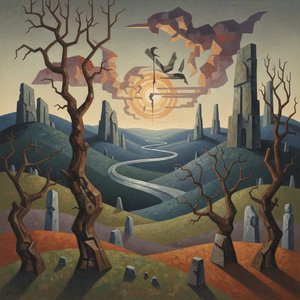
In the twilight of his prolific career, Paul Nash captured a moment of profound existential tension in Eclipse of the Sunflower. Created in 1945, as the shadows of World War II began to recede but left behind a landscape of deep uncertainty, this masterpiece serves as more than just a botanical study; it is a visceral meditation on the cyclical nature of life and death. The painting presents a solitary sunflower, its once-vibrant petals now drooping and withered, caught in the chilling embrace of an encroaching darkness. As an eclipse obscures the sun, Nash masterfully orchestrates a scene where light is being swallowed by shadow, inviting the viewer to contemplate the fragile boundary between vitality and dissolution.
The composition is striking in its starkness, utilizing a dark, almost monochrome background that pushes the subject toward the foreground with haunting intensity. Within this somber expanse, Nash introduces subtle, unexpected elements—two birds positioned like silent witnesses to the unfolding drama—which add a layer of narrative depth to the stillness. For the discerning collector or interior designer, this piece offers a sophisticated focal point that commands attention through its quiet power rather than through loud, clashing colors. It is a work that breathes with a heavy, atmospheric soul, making it an ideal centerpiece for spaces designed for reflection and intellectual engagement.
Modernist Mastery and Symbolic Depth
Technically, Eclipse of the Sunflower showcases Nash’s ability to blend the geometric precision of Modernism with the dreamlike qualities of Surrealism. His approach eschews the meticulous, photographic realism of traditional landscapes in favor of bold, simplified forms and expressive tonal variations. The way the light fades from the sunflower's face is rendered with a delicate touch, likely utilizing the nuanced textures of his medium to create a sense of tactile decay. This technique allows the viewer to feel the weight of the wilting petals and the coldness of the eclipsed sky, transforming a simple natural event into a profound symbolic gesture.
The symbolism embedded within the work is deeply resonant with the historical context of its creation. Emerging from the devastation of global conflict, Nash’s imagery speaks to a collective psyche grappling with loss and the hope for rebirth. The sunflower, traditionally a symbol of adoration and solar energy, is here transformed into a vessel for mourning, yet the very presence of the eclipse suggests a temporary state—a darkness that must eventually give way to a new dawn. This duality makes the painting an incredibly versatile choice for high-end decor; it possesses a melancholic beauty that can anchor a room with gravity, while its underlying themes of resilience offer a subtle, uplifting promise of renewal.
For those seeking to integrate fine art into their personal or professional environments, a high-quality reproduction of this work provides an opportunity to possess a piece of British art history. Whether placed in a contemporary gallery-style living room or a classic study, Eclipse of the Sunflower brings with it an aura of prestige and a deep, emotive resonance that transcends mere decoration.
Frågor och svar
Vilken färgpalett används i "Eclipse of the Sunflower"?
Färgerna i "Eclipse of the Sunflower" utgör en Earthy palett. Denna klassificering beskriver de dominerande färggrupperna.
Vad är luminansen i "Eclipse of the Sunflower" av Paul Nash?
Luminansen som registrerats för "Eclipse of the Sunflower" av Paul Nash är Soft Shadow.
Förvaras "Eclipse of the Sunflower" i sin konstnärs hemland?
Ja – konstverket förvaras i konstnärens hemland. Paul Nash föddes i Storbritannien, och museet som förvarar originalet av "Eclipse of the Sunflower" ligger i Storbritannien.
Konstnärsbiografi
Paul Nash: Mellan Dröm och Krig – En Visionär i Brittisk Modernism
Paul Nash, född den 11 maj 1889 i London och avliden 1946, var en konstnär som på ett unikt sätt fångade tidens andliga och politiska omvälvningar. Hans liv präglades av både personlig sårbarhet – hans mor led av psykisk sjukdom – och en stark vilja att utforska det moderna landskapets komplexitet, både i fredstid och under krigets fasor. Uppväxten i Buckinghamshire, med dess antika rösen och fornborgar, lade grunden för ett konstnärligt intresse för historiens spår i naturen, en känsla som senare skulle genomsyra hans verk. Nashs tidiga utbildning vid Parsons School of Art och Slade School of Fine Art gav honom en gedigen teknisk grund, men han kämpade med figurmåleriet, vilket ledde honom mot landskapet – ett medium där han kunde uttrycka sina djupaste känslor och visioner. William Blake och J.M.W. Turner var tidiga inspirationskällor, vars romantiska känsla för naturen och deras förmåga att förmedla andliga upplevelser påverkade hans tidiga stil.Från Kubism till Surrealism – En Konstnärlig Utveckling
Nashs konstnärliga resa var en ständig sökning efter nya uttryckssätt. Han började med influenser från kubismen och Cézanne, men utvecklade snart en egen distinkt stil som närmade sig surrealismen utan att fullständigt anamma dess dogmer. Efter ett besök på en Giorgio de Chirico-utställning 1928 intensifierades den isande, övernaturliga stämningen i hans verk. Han började använda symboliska landskap och vardagliga objekt för att skapa suggestiva kompositioner som utmanade betraktarens perception. Nashs förmåga att kombinera realistiska element med abstrakta former skapade en spänning mellan det bekanta och det främmande, vilket gav hans målningar en unik kraft. Hans intresse för fotografi bidrog också till hans konstnärliga utveckling, då han experimenterade med ljus och perspektiv på ett sätt som influerade hans måleri. Han var även en aktiv skribent om konst och design, vilket ytterligare visade hans engagemang i den samtida konstscenen.Krigets Ansikte – Nash som Krigskonstnär
Första världskriget blev en avgörande vändpunkt i Paul Nashs karriär. Som officiell krigskonstnär konfronterades han direkt med krigets fasor och dess inverkan på landskapet. Istället för att skildra heroiska strider, fokuserade Nash på de ödelagda landskapen, de utslocknade färgerna och den tysta sorgen som präglade slagfälten. "The Menin Road" är kanske hans mest kända verk från denna period, en målning som inte visar några soldater utan istället fångar det förvridna och sönderfallande landskapet som ett monument över krigets destruktiva kraft. Under andra världskriget fortsatte Nash att dokumentera konflikten, men hans stil utvecklades mot mer symboliska och surrealistiska uttryck. Serien "Aerial Creatures" är ett exempel på detta, där han skildrar kraschade flygplan som antropomorfa varelser i ödsliga landskap – en visionär tolkning av krigets teknologi och dess inverkan på naturen.En Pionjär inom Brittisk Modernism och Arvet efter Nash
Paul Nashs betydelse för den brittiska modernismen kan inte underskattas. Han var en brobyggare mellan traditionell landskapsmåleri och de nya modernistiska strömningarna, och hans unika stil inspirerade generationer av konstnärer. Hans medlemskap i Unit One, en grupp som inkluderade Ben Nicholson och Barbara Hepworth, cementerade hans position som en central figur inom den brittiska avantgardekonsten. Nashs krigskonst är inte bara dokumentation av historiska händelser utan också kraftfulla kommentarer om mänsklighetens förmåga till både skapande och förstörelse. Hans verk fortsätter att fascinera och beröra, och hans arv lever vidare i den brittiska konsthistoriens kanon. Nashs förmåga att kombinera det personliga med det politiska, det vackra med det groteska, gör honom till en av de mest betydelsefulla och komplexa konstnärerna från 1900-talet. Hans verk finns idag i prestigefyllda samlingar som Tate Britain och Imperial War Museum, vilket vittnar om hans bestående relevans för dagens publik.
Paul Nash
1889 - 1946 , Storbritannien
Kortfakta
- Artistic Movement Or Style: Surrealism, Modernism
- Artists Or Movements Influenced By This Artist: ['Modern artister']
- Artists Who Influenced This Artist:
- William Blake
- J.M.W. Turner
- Date Of Birth: 11 maj 1889
- Date Of Death: 11 juli 1946
- Full Name: Paul Nash
- Nationality: Brittisk
- Notable Artworks: ['The Menin Road']
- Place Of Birth: Kensington, Storbritannien
Relaterade artiklar

Ephemeral Visions: Exploring the Artistic Legacy & Contemporary Practice of Watercolor Painting
Explore the captivating world of watercolor painting! Discover its rich history, essential techniques, influential artists & collecting tips. A comprehensive guide for art enthusiasts from OriginalUniqueArt.

Paul Cézannes 25 Mästerverk: En Konsthistorisk Resa för Hemmet
Utforska Paul Cézannes 25 mest ikoniska målningar! Fördjupa dig i impressionismens värld, från Mont Sainte-Victoire till stillsben. Hitta inspiration & museumkvalitativa konsttryck på OriginalUniqueArt.com.
Paul Nash: Modernism, Myth & the British Landscape – A Visionary Artist
Explore the evocative landscapes & poignant war art of Paul Nash (1889-1946), a key figure in British Modernism. Discover his unique style and lasting impact on art history with OriginalUniqueArt.

Paul Klees 25 Mästerverk: En Konstnärlig Resa för Hemmet och Själens Fröjd
Utforska Paul Klees 25 mest ikoniska målningar! Fördjupa dig i hans abstrakta värld av färg, expressionism och unik konstnärlig stil. Hitta inspiration till ditt hem med reproduktioner av högsta kvalitet på OriginalUniqueArt.com – din källa för tidlös konst.

10 Akvarellmästerverk som Förändrade Konsthistorien | OriginalUniqueArt
Utforska 10 legendariska akvarellmålningar av Turner, Monet & Sargent som revolutionerade konsten. Lär känna historien bakom varje mästerverk och hitta inspiration till din inredning. Köp reproduktioner på OriginalUniqueArt.com!
