Förhandsvisa
 Skicka
 Dela
Dela
 Visa detaljer
 Guide
Guide

 Ladda ner
 Liknande objekt
 Röntgen
 Bildspel
 Frågor och svar
 Statistik
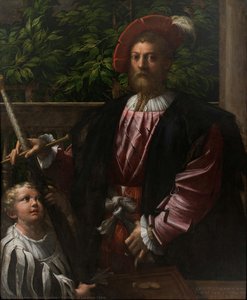
Venus Disarming Cupid

- 18.0 x 14.0 cm


 Visa mer
Giclée / Konsttryck
Giclée- eller canvasprint av museumskvalitet med snabb produktion och flexibla ytbehandlingsalternativ. ( Beställ handmålad reproduktion Byt till digital bild)




P118B Skr10

P118H Skr10

P118W Skr10

P438Z Skr10

P508JH Skr12

P508YH Skr12

P805H Skr10

P805Z Skr10

P919BZ Skr10

P919G Skr10

P919XJ Skr10

P959ZH Skr10

P968JZ Skr12

W106C Skr8

W218G Skr10

W218JH Skr8

W218Y Skr10

W307PJ Skr10

W316G Skr10

W316PJ Skr8

W316Y Skr10

W398PJ Skr8

W4111J Skr10

W500HY Skr15

W500JH Skr15

W692G Skr12

W849H Skr8

W940BG Skr15

W953PJ Skr8




Välj bland våra förinställda storlekar som motsvarar konstverkets ursprungliga proportioner.

Ange den bredd och höjd du behöver för att passa din ram eller vägg. Ett tryck kan endast beskäras, aldrig göras större än originalbilden, vilket innebär att ett format med en annan proportion leder till att en del av bilden går förlorad. Vi skickar en digital mockup för godkännande innan vi påbörjar tryckningen. Bilden som visas på denna sida visar inte den faktiska beskärningen — det är endast mockuppen som gör det.
Leverans över hela världen () på 2 veckor istället för standard 4/5 veckor. (7 november)

Fri expressfrakt över hela världen

Högkvalitativ linnecanvas

Fullständig fraktförsäkring

Garantier för återbetalning av tullavgifter

Garantier för exakt färgåtergivning

100 dagars returrätt (endast vid fel)

100% pengarna tillbaka-garanti

Mängdrabatt erbjuds
 Glasalternativet är endast tillgängligt i storlekar under 110 cm.

Venus Disarming Cupid
Giclée / Konsttryck
Storlek på reproduktion
-


Slutgiltigt pris
Skr 809
The Enigmatic Dance of Desire: Parmigianino’s Venus Disarming Cupid
Parmigianino's "Venus Disarming Cupid," a drawing executed between 1527 and 1530, isn’t merely a depiction of a mythological scene; it’s a profound meditation on love, power, and the very nature of desire. Created during his formative years in Florence and Rome, this work encapsulates the burgeoning Mannerist style – a deliberate departure from the idealized harmony of the High Renaissance, favoring instead an exquisite tension, a heightened drama, and a captivating sense of ambiguity. The sheet itself, a pale pink prepared paper reminiscent of a chiaroscuro woodcut, immediately establishes a mood of restrained elegance, hinting at the intricate layers of meaning concealed within the composition.
At its heart lies Venus, rendered with an almost unsettling sensuality. She’s not the serene goddess of classical sculpture; instead, she's caught in a moment of fierce, volatile emotion. Her pose – a masterful example of the *figura serpentinata*, that sinuous, twisting form so beloved by Mannerist artists – is both arresting and subtly unsettling. The exaggerated curve of her spine, the languid drape of her gown, all contribute to an image brimming with contained energy. Her hand, poised mid-gesture, holds the bow and arrow, a symbol of Cupid’s destructive power, yet she wields it not with aggression, but with a deliberate, almost playful control.
- The Myth Unveiled: The scene draws directly from Ovid's *Metamorphoses*, recounting the moment when Venus, wounded by Cupid’s arrow, retaliates by disarming her son. This isn’t a tale of simple maternal affection; it’s a complex narrative of reciprocal pain and fury – a testament to the consuming nature of love itself.
- A Study in Movement: Parmigianino meticulously explored various poses for Venus's arm, evident in the numerous preparatory sketches that accompanied this drawing. Each iteration reveals his painstaking process of achieving the perfect balance between dynamism and grace, capturing the fleeting quality of emotion.
- The Woodcutter’s Influence: The Budapest sheet’s origin is intriguing; it was likely intended for woodcuts, a technique favored by Parmigianino during his time working with Antonio da Trento. This suggests an awareness of the limitations of drawing as a medium and a desire to translate the image into a more widely accessible format.
Mannerist Sensibilities: A Departure from Tradition
“Venus Disarming Cupid” is a quintessential example of Mannerism’s distinctive aesthetic. Unlike the balanced compositions and harmonious colors of the High Renaissance, Parmigianino embraces distortion, exaggeration, and an unsettling sense of artificiality. The figures are elongated, their proportions subtly skewed, creating a visual tension that mirrors the emotional turmoil depicted. The use of pale pink as a dominant color further contributes to this atmosphere of restrained intensity – it’s not a vibrant, celebratory hue, but rather one imbued with a subtle melancholy.
This departure from classical ideals wasn't simply stylistic; it reflected a broader cultural shift. The Sack of Rome in 1527 had profoundly impacted the Italian Renaissance, shattering the confidence and stability that had characterized the era. Mannerism emerged as a response to this upheaval – a style characterized by uncertainty, anxiety, and a fascination with the grotesque. Parmigianino’s drawing embodies these anxieties, capturing the sense of disorientation and emotional instability that permeated the period.
Symbolic Layers: Beyond the Myth
Beyond its mythological narrative, “Venus Disarming Cupid” is rich in symbolic meaning. The bow and arrow represent not just Cupid's destructive power but also the vulnerability inherent in love – a force capable of inflicting both pleasure and pain. Venus’s act of disarming her son can be interpreted as a rejection of passive acceptance, a declaration of agency in the face of overwhelming emotion. The two Cupids flanking her are themselves symbolic: one appears subdued, perhaps representing the wounded innocence of youth, while the other seems to mirror Venus's defiant stance.
Furthermore, the drawing’s preparatory nature—the numerous sketches and studies—suggest a deeper exploration of the theme. It’s not simply a finished artwork but a testament to Parmigianino’s intellectual engagement with the subject matter, reflecting his meticulous approach to artistic creation.
A Legacy of Grace: Reproduction and Interpretation
Reproductions of “Venus Disarming Cupid” offer a remarkable opportunity to appreciate the nuances of Parmigianino's artistry. The delicate washes, the subtle gradations of tone, and the masterful rendering of form are all best appreciated through high-quality reproductions. This drawing remains a powerful testament to the enduring appeal of Mannerist art – a style that continues to captivate viewers with its exquisite beauty, unsettling intensity, and profound exploration of human emotion. It’s a work that invites contemplation, prompting us to consider the complexities of love, desire, and the ever-shifting boundaries between power and vulnerability.
Frågor och svar
Vad är luminansen i "Venus Disarming Cupid" av Parmigianino?
"Venus Disarming Cupid" av Parmigianino har en luminans på Soft Shadow. Luminans beskriver hur mycket ljus färgerna tycks reflektera.
Under vilka andra namn är Parmigianino känd?
Parmigianino är även känd som Girolamo Francesco Maria Mazzola, Francesco Mazzola, Le Parmesan.
Vilka är de faktiska måtten på "Venus Disarming Cupid" av Parmigianino?
De registrerade måtten för "Venus Disarming Cupid" av Parmigianino är 18 x 14 cm. Reproduktioner kan beställas i andra storlekar med bibehållna proportioner.
Konstnärsbiografi
En Förfinad Känslighet: Parmigianinos Liv och Konst
Girolamo Francesco Maria Mazzola, känd för eftervärlden som Parmigianino – ”den lille från Parma” – steg fram under den höga renässansen, men blev snabbt en definierande figur i den spirande manieristiska stilen. Född i Parma den 11 januari 1503 präglades hans tidiga liv av familjeolycka; hans far, Filippo Mazzola, dog när Girolamo bara var två år gammal. Uppfostrad av sina onklar, Michele och Pier Ilario, som själva var modest skickliga konstnärer, fick den unge Parmigianino sin första konstnärliga utbildning inom denna familjekrets. Denna grund visade sig dock vara mer en språngbräda för ett exceptionellt talent som snart skulle överglänsa även hans mentorer. Redan i imponerande åttaårsåldern hade han fullbordat Bardi-altartavlan, ett verk som demonstrerade en mognad och sofistikering långt bortom hans år, vilket signalerade ankomsten av en verkligt remarkabel konstnär.Florence, Rom och Skapandet av en Manieristisk Vision
Parmigianinos konstnärliga resa ledde honom till Florens omkring 1524, där han absorberade mästarnas som Raphael och Leonardo da Vinci inflytande, men snabbt började bana sin egen distinkta väg. Han presenterade påven Clement VII med tre målningar, inklusive en slående självporträtt i en konvex spegel – ett bevis på hans tekniska skicklighet och växande självkännedom. Denna handling säkrade uppdrag i Rom, men stadens konstnärliga landskap stördes snart av den tumultuösa Sack of 1527. Tvungen att fly sökte Parmigianino tillflykt i Bologna, där han målade ett av sina mest hyllade verk, *Den heliga familjen*. Det var under denna period som hans signaturstil verkligen kristalliserades: långsträckta former, graciösa poser och en förfinad sensualitet blev kännetecken för hans konst. Han beskrev inte bara verkligheten; han återskapade den genom en lins av elegans och idealiserad skönhet. Denna avvikelse från den höga renässansens betoning på naturalism markerade honom som en nyckelinnovatör inom manierismen, en konstnärlig rörelse kännetecknad av dess artificiellhet, sofistikering och medvetet förvrängning av klassiska former.Mästverk av Längd och Grace
Parmigianinos arv vilar på en relativt liten men djupt inflytelserik mängd verk. *Madonna med den långa halsen* (1534) är kanske hans mest ikoniska skapelse. Dess oroande men fängslande komposition, med figurer med långsträckta nackar och lemmar, utmanar konventionella föreställningar om skönhet och proportioner. Denna medvetna förvrängning är inte bara stilistisk; den förmedlar en känsla av andlig längtan och världslig grace. Likaså visar *Visionen av Sankt Jerome* (1527), fullbordad under hans tid i Rom, upp hans behärskning av anatomi och perspektiv samtidigt som han omfamnar manierismens benägenhet för dramatiska kompositioner och emotionell intensitet. Bortom dessa hyllade målningar avslöjar Parmigianinos teckningar en extraordinär nivå av skicklighet och känslighet. Hans studier av figurer, draperier och arkitektoniska element demonstrerar en noggrann uppmärksamhet på detaljer och en djup förståelse för form. Även hans mindre kända verk, som *Bågskärande Amor*, visar samma förfinade sensibilitet och teknisk virtuositet som definierar hans oeuvre.Ett Avbrutet Arv: Parmigianinos Sista År
Tragiskt nog avbröts Parmigianinos lovande karriär abrupt av hans sena död i Casalmaggiore 1540, vid endast trettiosju års ålder. Omständigheterna kring hans bortgång är fortfarande något mystiska; vissa berättelser antyder att han föll offer för en feber, medan andra viskar om komplikationer från ett fall. Trots sitt korta liv lämnade Parmigianino ett obestridligt intryck på italiensk renässanskonst. Han står som en av de viktigaste representanterna för manierismen och har påverkat generationer av konstnärer med sin eleganta stil och innovativa tillvägagångssätt för form och komposition. Hans verk fortsätter att fängsla betraktare än idag, och erbjuder en glimt in i en värld där skönhet inte bara observeras utan aktivt skapas – ett bevis på den bestående kraften i konstnärlig vision. De fresker han lämnade ofullbordade i Parma och Fontanellato tjänar som gripande påminnelser om vad som kunde ha varit, men även i sitt ofullständiga tillstånd avslöjar de en mästares briljans vars arv fortsätter att resonera genom århundradena.
Parmigianino
1503 - 1540 , Italien
Kortfakta
- Artistic Movement Or Style: Mannerism
- Artists Or Movements Influenced By This Artist: ['Italiensk renässanskonst']
- Artists Who Influenced This Artist:
- Correggio
- Raphael
- Date Of Birth: 11 januari 1503
- Date Of Death: 1540
- Full Name: Girolamo Francesco Maria Mazzola
- Nationality: Italiensk
- Notable Artworks:
- Madonna med lång hals
- Vision av Sankt Jeronymus
- Självporträtt i spegel
- Heliga familjen
- Place Of Birth: Parma, Italien
Relaterade artiklar
Mannerismens Mästerverk: Topp 10 Konstverk som Definierade Epoken – OriginalUniqueArt.com
Utforska manierismens 10 mest ikoniska konstverk – Pontormo, Rosso Fiorentino & El Greco. Lär känna historien bakom dessa mästerverk och deras unika stil. Köp museumkvalitativa reproduktioner på OriginalUniqueArt.com och förvandla ditt hem med klassisk italiensk renässanskonst.

Mannerism: Bridging Renaissance Harmony & Baroque Drama – A Study of Style & Affectation
Explore the fascinating world of Mannerism! Discover its key characteristics, pioneering artists like Pontormo & Bronzino, and its pivotal role in bridging Renaissance harmony to Baroque drama. A comprehensive guide for art enthusiasts.

Mastering the Line: A Comprehensive Expert Guide to Technical Precision and Expressive Depth in Drawing
Elevate your artistic practice with this expert guide to mastering the line. Discover advanced techniques in graphite, charcoal, and contour drawing designed for art students seeking technical precision and expressive depth in their fine art studies.
The Nuances of Graphite: Exploring Emotional Depth & Technical Mastery in Pencil Drawing
Explore the captivating world of graphite drawing! Discover its rich history, master essential techniques like chiaroscuro, and learn how artists evoke emotion through this timeless medium. Expert insights for art enthusiasts.

Sandro Botticellis 25 Mästerverk: En Konsthistorisk Resa för Hemmet
Utforska Sandro Botticellis 25 mest ikoniska målningar! Fördjupa dig i renässansens skönhet, klassisk mytologi och tidlösa konstverk. Köp högkvalitativa reproduktioner & hitta inspiration för ditt hem på OriginalUniqueArt.com.