
 Visa i rummet
 Skicka
 Dela
Dela
 Detaljer
 Studentguide för konstverk

 Ladda ner
 Liknande objekt
 Röntgen
 Bildspel
 Besökstatistik
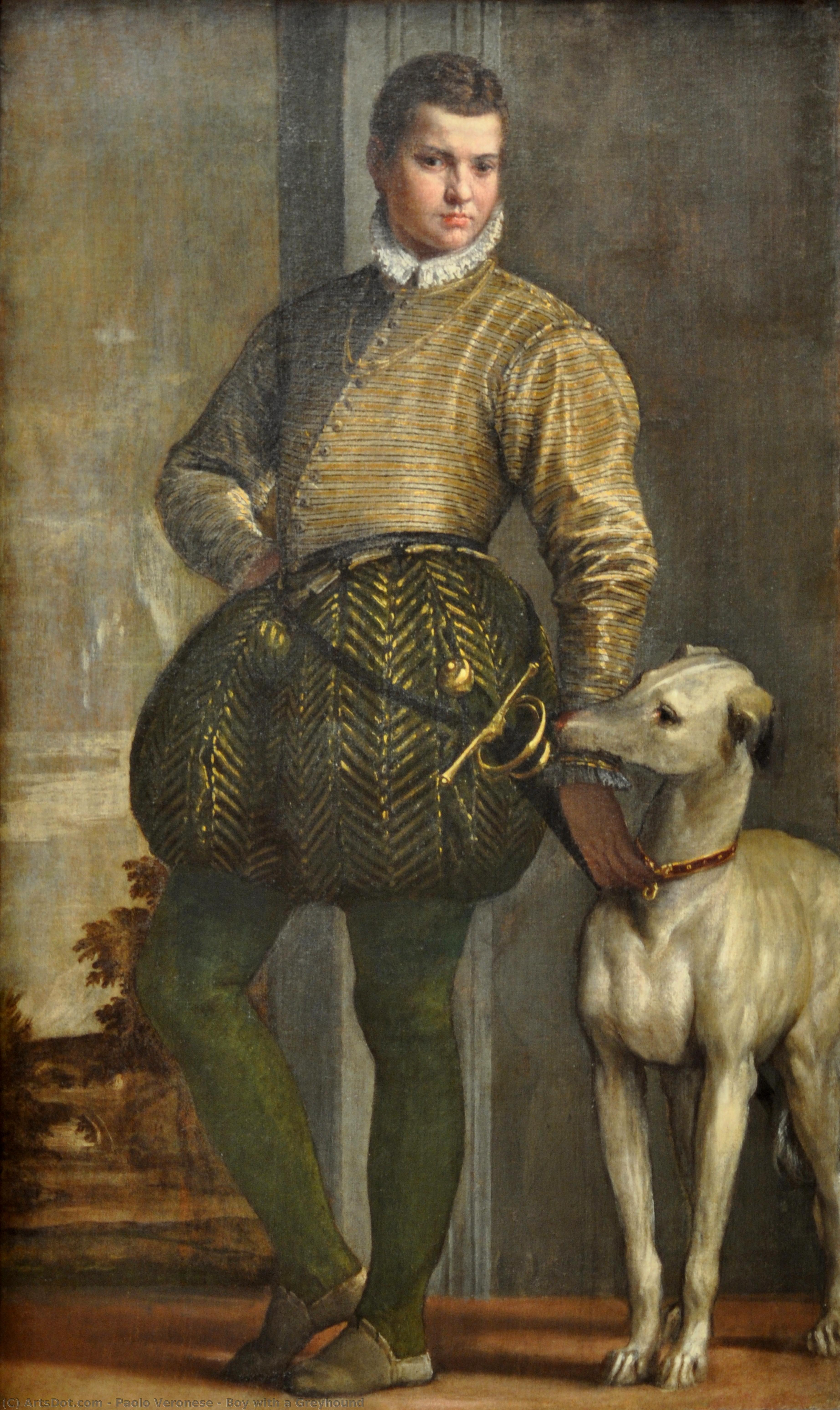
Boy with a Greyhound
 Acrylic On Canvas
- WallArt
- Late Renaissance Mannerism
 1570
1570 174.0 x 102.0 cm
 Metropolitan Museum of Art
 Läs mer
Giclée / Konsttryck
Giclée- eller canvasprint av museumskvalitet med snabb produktion och flexibla ytbehandlingsalternativ. ( Köp handmålat konstverk Byt till digital bildförsäljning)




P118B Skr10

P118H Skr10

P118W Skr10

P438Z Skr10

P508JH Skr12

P508YH Skr12

P805H Skr10

P805Z Skr10

P919BZ Skr10

P919G Skr10

P919XJ Skr10

P959ZH Skr10

P968JZ Skr12

W106C Skr8

W218G Skr10

W218JH Skr8

W218Y Skr10

W307PJ Skr10

W316G Skr10

W316PJ Skr8

W316Y Skr10

W398PJ Skr8

W4111J Skr10

W500HY Skr15

W500JH Skr15

W692G Skr12

W849H Skr8

W940BG Skr15

W953PJ Skr8




Välj bland våra förinställda storlekar som motsvarar konstverkets ursprungliga proportioner.

Du kan ange egna mått för att passa en specifik ram eller yta. Om det valda måttet inte överensstämmer med originalbildens proportioner kommer vi antingen att beskära konstverket eller utöka bilden med en speglad eller enfärgad kant. En digital mockup skickas för ditt godkännande innan produktionen påbörjas.
Vänligen notera att förhandsvisningen på skärmen inte återspeglar den faktiska beskärningen eller utökningen. Endast mockuppen visar den slutgiltiga kompositionen korrekt.
Även om anpassade storlekar är möjliga, rekommenderar vi att du väljer ett mått från den fördefinierade listan för att bevara de ursprungliga proportionerna.
Leverans över hela världen () på 2 veckor istället för standard 4/5 veckor. (10 oktober)

Fri expressfrakt över hela världen

Högkvalitativ linnecanvas

Fullständig fraktförsäkring

Garantier för återbetalning av tullavgifter

Garantier för exakt färgåtergivning

100 dagars returrätt vid fabrikationsfel

100% pengarna tillbaka-garanti

Mängdrabatt erbjuds
 Glasalternativet är endast tillgängligt i storlekar under 110 cm.

Boy with a Greyhound
Giclée / Konsttryck
Reproduktionsstorlek
-


Totalpris
Skr 776
The Enigmatic Youth: Paolo Veronese’s ‘Boy with a Greyhound’
Paolo Veronese's “Boy with a Greyhound,” painted in 1570, is more than just a portrait; it’s a carefully constructed tableau of Renaissance ideals and subtle social commentary. This captivating work, measuring 174 x 102 cm, offers a glimpse into the opulent world of Venetian society and reveals Veronese's masterful command of color, composition, and detail. The painting immediately draws the eye to the young man, dressed in a vibrant yellow garment – a hue associated with royalty and wealth during this period – suggesting a noble lineage or elevated status. His posture is one of quiet confidence, his hand resting casually on his hip while holding the leash of a magnificent greyhound, an animal prized for its speed, loyalty, and association with nobility.
The background, rendered in a deliberately soft and blurred manner, hints at a setting – perhaps a courtyard or garden – but doesn’t distract from the central figures. This technique, common in Venetian painting of the era, reflects a shift away from the precise realism favored by earlier masters and emphasizes the importance of the subjects themselves. The greyhound's attentive gaze upward towards the boy speaks volumes about their bond; it’s a connection built on mutual respect and affection, subtly conveyed through their interaction.
A Venetian Visionary: Paolo Veronese and His Artistic World
Paolo Caliari, known as Paolo Veronese, was a pivotal figure in the vibrant artistic scene of 16th-century Venice. Born in Verona in 1528, his early training instilled him with foundational techniques, but it was his move to Venice that unleashed his extraordinary talent. The city’s wealth, its grand architecture, and its bustling markets provided an endless source of inspiration for Veronese. He absorbed the influence of masters like Titian, particularly his mastery of color, yet he developed a distinct style characterized by lavish detail, dramatic scale, and a celebration of human beauty – often imbued with a subtle air of theatricality.
Veronese’s work frequently depicted scenes from biblical narratives, mythological tales, and grand celebrations. He was renowned for his ability to create immersive environments filled with intricate details, luxurious fabrics, and an abundance of figures. His paintings were commissioned by wealthy families and religious institutions, serving as both decorative elements and statements of social status. “Boy with a Greyhound” exemplifies this approach – it’s not merely a portrait but a carefully orchestrated scene designed to evoke admiration and convey a sense of refined taste.
Symbolism and Context: Decoding the Details
The inclusion of the greyhound itself is laden with symbolism. In Renaissance Venice, dogs were associated with nobility, loyalty, and even hunting prowess – qualities highly valued by the wealthy elite. The boy’s attire, particularly the yellow garment, further reinforces this connection to privilege. The blurred background suggests a world beyond immediate perception, inviting contemplation on the social dynamics at play.
Considering the date of 1570, “Boy with a Greyhound” offers a window into the values and aesthetics of the late Renaissance. It reflects a fascination with classical ideals of beauty, a celebration of wealth and status, and an interest in portraying human figures in idealized forms. The painting’s composition—the balanced arrangement of figures, the rich colors, and the subtle gestures—demonstrates Veronese's mastery of visual language and his ability to capture the essence of his subject.
A Timeless Masterpiece: Reproduction and Appreciation
OriginalUniqueArt.com is proud to offer meticulously crafted hand-painted reproductions of Paolo Veronese’s “Boy with a Greyhound.” Each reproduction captures the original's vibrant colors, intricate details, and atmospheric depth, allowing you to bring this iconic Renaissance masterpiece into your home or office. Whether you are an art enthusiast, a collector, or simply seeking a stunning piece of decorative art, our reproductions provide an authentic and affordable way to experience the enduring beauty of Veronese’s vision. Explore the full detail and artistry of this captivating portrait – a testament to the genius of a Venetian master.
Frågor och svar
Vad handlar "Boy with a Greyhound" om?
"Boy with a Greyhound" av Paolo Veronese föreställer: venetian painting, greyhound, renaissance, costume, royalty, dog, veronese, feast.
Hur mättad är färgpaletten i "Boy with a Greyhound"?
"Boy with a Greyhound" av Paolo Veronese är återgiven med en Subtle Color mättnad.
Hur gammal var Paolo Veronese när hen skapade "Boy with a Greyhound"?
När "Boy with a Greyhound" skapades år 1570, var Paolo Veronese – född 1528 – 42 år gammal.
Vilket rum föreslås för visning av "Boy with a Greyhound", med tanke på dess färgpalett?
Med tanke på dess Earthy färger rekommenderas "Boy with a Greyhound" för ett Living Room.
Under vilket år skapades "Boy with a Greyhound" av Paolo Veronese?
"Boy with a Greyhound" dateras till 1570. Datumet placerar verket inom Paolo Veroneses karriär och dess epok.
Vilken konstnär tillskrivs "Boy with a Greyhound"?
Konstnären bakom "Boy with a Greyhound" är Paolo Veronese. Verket är katalogiserat under Paolo Veroneses namn.
Vilken är den färgmässiga identiteten hos "Boy with a Greyhound" av Paolo Veronese?
Färgidentiteten i "Boy with a Greyhound" av Paolo Veronese: en Earthy-palett, dominerad av Driftwood (#847551).
Om konstnären
A Venetian Visionary: The Life and Art of Paolo Veronese
Paolo Caliari, känd världen över som Paolo Veronese, steg fram ur den pulserande konstscenen i 1500-talets Venedig som en mästare av färg, komposition och opulent spektakel. Född i Verona år 1528, son till en stenhuggare, var hans tidiga liv genomsyrat av den visuella rikedomen i sin omgivning – den klassiska arkitekturen, skulpterade formerna och de växande humanistiska idéerna som präglade regionen. Hans initiala utbildning under Antonio Badile och Giovanni Francesco Caroto lade en grund i traditionella tekniker, men det var hans flytt till Venedig på 1550-talet som verkligen tände hans konstnärliga geni. Själva staden blev hans muse, dess livliga marknader, storspelande palats och skimrande kanaler formade omfattningen och dramatiken i hans verk. Han absorberade snabbt inflytanden från etablerade venetianska mästare som Titian, vars färgmästerskap djupt påverkade Veroneses palett, men han skapade en distinkt stil präglad av en obegränsad teatralitet och praktfullhet.The Painter of Feasts and Grand Narratives
Veroneses rykte vilar på hans monumentala målningar, särskilt de som skildrar lyxiga fester och bibliska scener förvandlade till bländande utställningar av venetianskt liv. *Bröllopet i Kana*, färdigställt 1563 för den benediktinska klostret San Giorgio Maggiore, är ett bevis på hans skicklighet. Detta kolossala mål är inte bara en illustration av miraklet; det är en färgstark panoramabild av 1500-talets samhälle, fullt av elegant klädda figurer, musiker och arkitektoniska detaljer målade med betraktad precision. Målningen handlar inte bara om vad som hände i Kana utan *hur* det skulle ha sett ut om det hade inträffat i Venedig under Veroneses tid. På liknande sätt väckte *Festen i Levi’s hus*, ursprungligen titulerat *Ettanvändningen av Nattvarden*, skandal hos Inquisitionen på grund av dess inkludering av samtida figurer och en tilsynes nonchalant atmosfär. Veronese försvarade sin konstnärliga frihet, hävdandes att målare hade samma kreativa rättigheter som poeter och komiker – ett modigt uttalande som återspeglade hans tro på konstens makt att tolka och omforma heliga berättelser. Dessa verk var inte bara religiösa representationer; de var firanden av livet, rikedom och Venedigs egen praktfullhet. Han var intresserad av att fånga livets glädje och överflöd snarare än enbart andlig renhet.Influenser och Konstnärlig Utveckling
Medan Titians inflytande på Veroneses färgpalett är obestridligt, var hans konstnärliga utveckling en komplex sammansättning av olika influenser. Den arkitektoniska precision han tillförde sina kompositioner berodde mycket på den klassiska traditionen som rådde i Verona under hans tidiga år, särskilt arbetet hos arkitekter som Michele Sanmicheli. Han absorberade också element från centralitalienska mästare såsom Rafael och Parmigianino, vilket framgår av de graciösa linjerna och harmoniska arrangemangen i hans målningar. Men Veronese kopierade inte bara dessa influenser; han syntetiserade dem till en unikt venetiansk stil präglad av dess dramatiska användning av ljus, färgstarka paletter och noggrann uppmärksamhet på detaljer. Han utmärkte sig vid att skapa illusioner av rum och djup, med hjälp av perspektivtekniker för att dra betraktarna in i hjärtat av sina komplexa scener. Hans behärskning av oljemåleri gjorde det möjligt för honom att uppnå en obegränsad ljushet och rika texturer. Han drev också ett stort verkstad, med bidrag från sin bror Benedetto och sönerna Gabriele och Carlo ('Carletto'), vilket säkerställde att hans stil fortsatte att blomstra även efter hans död 1588.Viktiga prestationer och historisk betydelse
Paolo Veroneses inflytande sträcker sig bortom konstens sfär. Hans verk har resonerat genom århundradena, inspirerat konstnärer i olika discipliner. Dess dramatiska kompositioner och färgstarka paletter har citerats som influenser från allt från barockmåleri till modern film – och finner eko i den visuella estetiken hos Spaghetti-västernfilmer. Han var en del av "den stora trion" av venetianska målare—tillsammans med Titian och Tintoretto—varje bidrog unikt till stadens konstnärliga arv, men Veronese stod ofta ensam ut för sin rena excentricitet och firande av jordiska nöjen. Hans målningar fortsätter att fängsla publiken med sin praktfullhet och spektakel, erbjuda en glimt in i den praktfulla världen av Venedig på 1500-talet.- Han omdefinierade historiemåleri genom att infusa det med samtida liv.
- Hans användning av färg är fortfarande inflytelserik för konstnärer idag.
- Hans verk återspeglar humanistens anda och firandet av jordiskt skönhet.

Paolo Veronese
1528 - 1588 , Italien
Snabbfakta
- Artistic Movement Or Style: Renaissance, Mannerism
- Artists Or Movements Influenced By This Artist: ['Raphael']
- Artists Who Influenced This Artist: ['Titian']
- Date Of Birth: 1528
- Date Of Death: 1588
- Full Name: Paolo Caliari vanligen känd som Veronese
- Nationality: Italienare
- Notable Artworks:
- Gästabudet i Kana
- Festmåltiden i Levihemmet
- Place Of Birth: Verona, Italien
Relaterade artiklar

The Art of Innocence: Capturing Childhood Wonder through Timeless Portraits of Boys
Capture the fleeting magic of boyhood with breathtaking art. Explore Impressionist-inspired portraits and transform your favorite photos into hand-painted oil masterpieces. At OriginalUniqueArt.com, we bring childhood wonder to life with museum-quality craftsmanship for your home.

Giovanni Paolo Panini: Capturing Roman Grandeur – A Vedute Master's Legacy
Explore the captivating world of Giovanni Paolo Panini, master of Roman vedute painting. Discover his technique, iconic works, influence on art history & collecting advice from experts at OriginalUniqueArt.

Timeless Canines: A Scholarly Exploration of the World's Most Iconic Dog Portraits in Art History
Explore the profound history of the world's most iconic dog portraits. From ancient symbols to 19th-century masters, journey through canine art history with expert insights and discover museum-quality, hand-painted oil reproductions and bespoke pet commissions.
Paolo Veronese: A Renaissance Master of Color, Composition, and Venetian Splendor
Explore the vibrant world of Paolo Veronese, a Renaissance master renowned for his opulent compositions, masterful use of color, and dramatic Venetian scenes. Discover key artworks & legacy.
Paolo Uccello: Pioneering Perspective & the Renaissance Pursuit of Visual Truth
Explore the revolutionary art of Paolo Uccello, a Florentine Renaissance master who pioneered perspective. Discover his iconic paintings like 'St. George & The Dragon' and learn about his lasting influence on art history.


