
 Förhandsvisa
 Skicka
 Dela
Dela
 Visa detaljer
 Guide
Guide

 Ladda ner
 Liknande objekt
 Röntgen
 Bildspel
 Q&A
Q&A Statistik
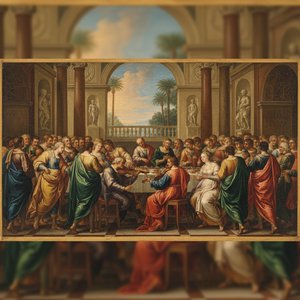
Bacchus and Ceres


 Visa mer
Giclée / Konsttryck
Giclée- eller canvasprint av museumskvalitet med snabb produktion och flexibla ytbehandlingsalternativ. ( Beställ handmålad reproduktion Byt till digital bild)




P118B Skr10

P118H Skr10

P118W Skr10

P438Z Skr10

P508JH Skr12

P508YH Skr12

P805H Skr10

P805Z Skr10

P919BZ Skr10

P919G Skr10

P919XJ Skr10

P959ZH Skr10

P968JZ Skr12

W106C Skr8

W218G Skr10

W218JH Skr8

W218Y Skr10

W307PJ Skr10

W316G Skr10

W316PJ Skr8

W316Y Skr10

W398PJ Skr8

W4111J Skr10

W500HY Skr15

W500JH Skr15

W692G Skr12

W849H Skr8

W940BG Skr15

W953PJ Skr8




Välj bland våra förinställda storlekar som motsvarar konstverkets ursprungliga proportioner.

Ange den bredd och höjd du behöver för att passa din ram eller vägg. Ett tryck kan endast beskäras, aldrig göras större än originalbilden, vilket innebär att ett format med en annan proportion leder till att en del av bilden går förlorad. Vi skickar en digital mockup för godkännande innan vi påbörjar tryckningen. Bilden som visas på denna sida visar inte den faktiska beskärningen — det är endast mockuppen som gör det.
Leverans över hela världen () på 2 veckor istället för standard 4/5 veckor. (1 november)

Fri expressfrakt över hela världen

Högkvalitativ linnecanvas

Fullständig fraktförsäkring

Garantier för återbetalning av tullavgifter

Garantier för exakt färgåtergivning

100 dagars returrätt (endast vid fel)

100% pengarna tillbaka-garanti

Mängdrabatt erbjuds
 Glasalternativet är endast tillgängligt i storlekar under 110 cm.

Bacchus and Ceres
Giclée / Konsttryck
Storlek på reproduktion
-


Slutgiltigt pris
Skr 804
Paolo Veronese: A Renaissance Master of Color, Composition, and Venetian Splendor
Paolo Caliari, known to the world as Paolo Veronese, emerged from the vibrant artistic landscape of 16th-century Venice as a master of color, composition, and opulent spectacle. Born in Verona in 1528, the son of a stonecutter, his early life was steeped in the visual richness of his surroundings – the classical architecture, sculpted forms, and burgeoning humanist ideals that characterized the region. His initial training under Antonio Badile and Giovanni Francesco Caroto laid a foundation in traditional techniques, but it was his move to Venice in the 1550s that truly ignited his artistic genius. The city itself became his muse, its bustling marketplaces, grand palazzi, and shimmering waterways informing the scale and drama of his work. He quickly absorbed the influences of established Venetian masters like Titian, whose mastery of color profoundly impacted Veronese’s palette, yet he forged a distinct style characterized by an unparalleled ambition to capture grandeur and emotion on canvas.- Subject Matter: Veronese's oeuvre is dominated by monumental mythological scenes—particularly depictions of feasts and celebrations—drawing heavily from classical narratives and Roman mythology. “Bacchus and Ceres,” commissioned for Villa Barbaro in Maser, exemplifies this fascination with epic storytelling and idealized beauty.
- Style: Veronese’s style belongs to Mannerism, a reaction against the harmonious balance of High Renaissance art. Unlike his predecessors who sought perfection, Veronese embraced dynamism and theatricality, prioritizing expressive gesture and dramatic lighting over anatomical accuracy. This stylistic choice lends an air of grandeur and sophistication to his paintings.
- Technique: He employed meticulous fresco painting techniques—a hallmark of Venetian artistic tradition—resulting in breathtaking surfaces adorned with shimmering pigments and intricate detailing. The layering of translucent glazes created a luminous effect, capturing the vibrancy of color and enhancing the illusionistic depth of the scene.
Villa Barbaro’s Frescoes: Context and Significance
The commission for “Bacchus and Ceres” at Villa Barbaro represents more than just an artistic endeavor; it embodies the aspirations of Daniele Barbaro, a humanist scholar and patron of the arts who envisioned his villa as a symbol of intellectual enlightenment and aristocratic refinement. Veronese's frescoes were intended to elevate the villa’s interior space into a realm of sublime beauty—a testament to the Renaissance ideal of integrating art and architecture to create harmonious environments. The painting reflects the broader cultural climate of Venice during Barbaro’s time, where artistic innovation flourished alongside humanist thought.Symbolism and Narrative Complexity
“Bacchus and Ceres” is replete with symbolic references that underscore its thematic concerns. Bacchus, representing wine and fertility, embodies Dionysiac ecstasy—a celebration of sensual pleasure and divine inspiration. Ceres, goddess of agriculture and harvest, symbolizes abundance and nourishment—essential elements for sustaining human life and fostering prosperity. The figures’ postures and expressions convey a palpable sense of joy and conviviality, inviting viewers to partake in the festivities depicted. Furthermore, Veronese skillfully employs perspective and spatial illusionism to create an immersive experience, transporting the viewer into the opulent setting of the villa's banquet hall.Emotional Impact: A Triumph of Venetian Art
Ultimately, “Bacchus and Ceres” achieves its remarkable emotional impact through Veronese’s masterful manipulation of color and light—elements that contribute significantly to the painting’s dramatic atmosphere. The rich hues—particularly reds, golds, and blues—evoke a feeling of warmth and splendor, mirroring the grandeur of Villa Barbaro itself. The luminous glazing technique enhances the illusionistic depth of the scene, drawing viewers into the midst of the celebration and capturing the essence of Renaissance artistic ambition. It remains an enduring masterpiece—a testament to Veronese’s genius and Venice's legacy as a center for artistic innovation.Further Exploration
You can find more information about Paolo Veronese and “Bacchus and Ceres” at: Around 1560-61, Veronese was commissioned by Daniele Barbaro to provide the interior frescoes for Barbaro's Palladian villa in Maser.Frågor och svar
Vilken tryckstorlek på "Bacchus and Ceres" av Paolo Veronese passar det rekommenderade rummet?
Rekommenderad kombination för "Bacchus and Ceres" av Paolo Veronese: ett tryck i storlek Large för ett Living Room.
Vilken fas i Paolo Veroneses karriär motsvarar årtalet 1560 för "Bacchus and Ceres"?
Årtalet 1560 placerar "Bacchus and Ceres" i Mature Period av Paolo Veroneses konstnärliga utveckling.
Vilka färger dominerar i "Bacchus and Ceres" av Paolo Veronese?
Färgidentiteten i "Bacchus and Ceres" av Paolo Veronese: en Earthy-palett, dominerad av Putty (#d2beb4).
Konstnärsbiografi
A Venetian Visionary: The Life and Art of Paolo Veronese
Paolo Caliari, känd världen över som Paolo Veronese, steg fram ur den pulserande konstscenen i 1500-talets Venedig som en mästare av färg, komposition och opulent spektakel. Född i Verona år 1528, son till en stenhuggare, var hans tidiga liv genomsyrat av den visuella rikedomen i sin omgivning – den klassiska arkitekturen, skulpterade formerna och de växande humanistiska idéerna som präglade regionen. Hans initiala utbildning under Antonio Badile och Giovanni Francesco Caroto lade en grund i traditionella tekniker, men det var hans flytt till Venedig på 1550-talet som verkligen tände hans konstnärliga geni. Själva staden blev hans muse, dess livliga marknader, storspelande palats och skimrande kanaler formade omfattningen och dramatiken i hans verk. Han absorberade snabbt inflytanden från etablerade venetianska mästare som Titian, vars färgmästerskap djupt påverkade Veroneses palett, men han skapade en distinkt stil präglad av en obegränsad teatralitet och praktfullhet.The Painter of Feasts and Grand Narratives
Veroneses rykte vilar på hans monumentala målningar, särskilt de som skildrar lyxiga fester och bibliska scener förvandlade till bländande utställningar av venetianskt liv. *Bröllopet i Kana*, färdigställt 1563 för den benediktinska klostret San Giorgio Maggiore, är ett bevis på hans skicklighet. Detta kolossala mål är inte bara en illustration av miraklet; det är en färgstark panoramabild av 1500-talets samhälle, fullt av elegant klädda figurer, musiker och arkitektoniska detaljer målade med betraktad precision. Målningen handlar inte bara om vad som hände i Kana utan *hur* det skulle ha sett ut om det hade inträffat i Venedig under Veroneses tid. På liknande sätt väckte *Festen i Levi’s hus*, ursprungligen titulerat *Ettanvändningen av Nattvarden*, skandal hos Inquisitionen på grund av dess inkludering av samtida figurer och en tilsynes nonchalant atmosfär. Veronese försvarade sin konstnärliga frihet, hävdandes att målare hade samma kreativa rättigheter som poeter och komiker – ett modigt uttalande som återspeglade hans tro på konstens makt att tolka och omforma heliga berättelser. Dessa verk var inte bara religiösa representationer; de var firanden av livet, rikedom och Venedigs egen praktfullhet. Han var intresserad av att fånga livets glädje och överflöd snarare än enbart andlig renhet.Influenser och Konstnärlig Utveckling
Medan Titians inflytande på Veroneses färgpalett är obestridligt, var hans konstnärliga utveckling en komplex sammansättning av olika influenser. Den arkitektoniska precision han tillförde sina kompositioner berodde mycket på den klassiska traditionen som rådde i Verona under hans tidiga år, särskilt arbetet hos arkitekter som Michele Sanmicheli. Han absorberade också element från centralitalienska mästare såsom Rafael och Parmigianino, vilket framgår av de graciösa linjerna och harmoniska arrangemangen i hans målningar. Men Veronese kopierade inte bara dessa influenser; han syntetiserade dem till en unikt venetiansk stil präglad av dess dramatiska användning av ljus, färgstarka paletter och noggrann uppmärksamhet på detaljer. Han utmärkte sig vid att skapa illusioner av rum och djup, med hjälp av perspektivtekniker för att dra betraktarna in i hjärtat av sina komplexa scener. Hans behärskning av oljemåleri gjorde det möjligt för honom att uppnå en obegränsad ljushet och rika texturer. Han drev också ett stort verkstad, med bidrag från sin bror Benedetto och sönerna Gabriele och Carlo ('Carletto'), vilket säkerställde att hans stil fortsatte att blomstra även efter hans död 1588.Viktiga prestationer och historisk betydelse
Paolo Veroneses inflytande sträcker sig bortom konstens sfär. Hans verk har resonerat genom århundradena, inspirerat konstnärer i olika discipliner. Dess dramatiska kompositioner och färgstarka paletter har citerats som influenser från allt från barockmåleri till modern film – och finner eko i den visuella estetiken hos Spaghetti-västernfilmer. Han var en del av "den stora trion" av venetianska målare—tillsammans med Titian och Tintoretto—varje bidrog unikt till stadens konstnärliga arv, men Veronese stod ofta ensam ut för sin rena excentricitet och firande av jordiska nöjen. Hans målningar fortsätter att fängsla publiken med sin praktfullhet och spektakel, erbjuda en glimt in i den praktfulla världen av Venedig på 1500-talet.- Han omdefinierade historiemåleri genom att infusa det med samtida liv.
- Hans användning av färg är fortfarande inflytelserik för konstnärer idag.
- Hans verk återspeglar humanistens anda och firandet av jordiskt skönhet.

Paolo Veronese
1528 - 1588 , Italien
Kortfakta
- Artistic Movement Or Style: Renaissance, Mannerism
- Artists Or Movements Influenced By This Artist: ['Raphael']
- Artists Who Influenced This Artist: ['Titian']
- Date Of Birth: 1528
- Date Of Death: 1588
- Full Name: Paolo Caliari vanligen känd som Veronese
- Nationality: Italienare
- Notable Artworks:
- Gästabudet i Kana
- Festmåltiden i Levihemmet
- Place Of Birth: Verona, Italien
Relaterade artiklar

The Enduring Legacy of Fresco: Technique, History & Artistic Expression Across Cultures
Explore the rich history & enduring legacy of fresco painting! Discover ancient techniques, Giotto's masterpieces, and modern applications. Expert insights for art lovers & professionals.

Frescens arv som familjetradition: Måla din historia på väggarna
Utforska väggmålningens historia och teknik! Lär dig skapa din egen familjetradition med konst på väggen. Expertguider, inspiration & tips.

The Enduring Legacy of Fresco Painting: Techniques, History & Contemporary Relevance
Explore the rich history & enduring artistry of fresco painting – from Giotto to Michelangelo! Discover techniques, conservation efforts, & modern applications. Learn how OriginalUniqueArt brings this timeless art form to your home.

Konsten att leva med dig: Den emotionella kraften i en skräddarsydd interiörfresk
Upptäck freskens tidlösa skönhet! Lär dig om teknik, historia och hur du beställer en skräddarsydd interiörfresk. Expertkunskap & högsta kvalitet hos .
Paolo Veronese: A Renaissance Master of Color, Composition, and Venetian Splendor
Explore the vibrant world of Paolo Veronese, a Renaissance master renowned for his opulent compositions, masterful use of color, and dramatic Venetian scenes. Discover key artworks & legacy.


