

 Visa i rummet
 Skicka
 Dela
Dela
 Detaljer
 Studentguide för konstverk

 Ladda ner
 Liknande objekt
 Röntgen
 Bildspel
 Besökstatistik
Aristotele


 Läs mer
Handgjord oljereproduktion
Handmålad olja på duk i din valda storlek och ram, tillverkad efter beställning av våra konstnärer. ( Byt till tryckta exemplar Byt till digital bildförsäljning)




P118B Skr10

P118H Skr10

P118W Skr10

P438Z Skr10

P508JH Skr12

P508YH Skr12

P805H Skr10

P805Z Skr10

P919BZ Skr10

P919G Skr10

P919XJ Skr10

P959ZH Skr10

P968JZ Skr12

W106C Skr8

W218G Skr10

W218JH Skr8

W218Y Skr10

W307PJ Skr10

W316G Skr10

W316PJ Skr8

W316Y Skr10

W398PJ Skr8

W4111J Skr10

W500HY Skr15

W500JH Skr15

W692G Skr12

W849H Skr8

W940BG Skr15

W953PJ Skr8




Välj bland våra förinställda storlekar som motsvarar konstverkets ursprungliga proportioner.

Ange den bredd och höjd du behöver för att passa din ram eller din vägg. Eftersom detta är handmålat kan konstnären vid en annan form måla lite mer runt bilden eller beskära den något – du väljer själv. Vi skickar en digital mockup för godkännande innan målningen påbörjas. Bilden som visas på denna sida representerar inte det slutgiltiga resultatet — det är endast mockuppen som visar det.
Efter beställning kommer OriginalUniqueArt.com team att mejla kunden för instruktioner och tillhandahålla en skissförhandsvisning
Leverans över hela världen () på 3–4 veckor istället för standard 5 veckor. (23 oktober). Inga kompromisser med kvaliteten.

Fri expressfrakt över hela världen

Högkvalitativ linnecanvas

Fullständig fraktförsäkring

Garantier för återbetalning av tullavgifter

Garantier för exakt färgåtergivning

100 dagars returrätt vid fabrikationsfel

100% pengarna tillbaka-garanti

Mängdrabatt erbjuds
 Glasalternativet är endast tillgängligt i storlekar under 110 cm.

Aristotele
Tryckteknik
Reproduktionsstorlek
-


Totalpris
Skr 2975
A Study in Wisdom: Paolo Veronese’s “Aristotle”
Paolo Veronese's "Aristotle," painted in 1560, isn’t merely a portrait; it’s an invitation into the heart of philosophical contemplation. This remarkable work, now residing within the Biblioteca Marciana in Venice, transcends the conventional boundaries of Renaissance art, offering a glimpse into the intellectual fervor and opulent aesthetic sensibilities of 16th-century Venice. Veronese, a master colorist and orchestrator of grand narratives, crafted this piece not as a simple likeness of the famed Greek philosopher, but as an immersive experience—a carefully constructed tableau designed to evoke a sense of profound learning and serene introspection.
The painting immediately captivates with its masterful use of *trompe-l’œil*, creating an illusionistic space that draws the viewer inward. Aristotle is seated within a richly decorated niche, seemingly lost in thought as he pores over a scroll. The architecture surrounding him—a classical façade adorned with shell motifs and subtle references to Roman design—is not merely decorative; it serves to elevate the scene, suggesting the philosopher’s place within the continuum of Western intellectual tradition. Veronese's meticulous attention to detail extends to every element, from the folds of Aristotle’s robes to the texture of the books at his feet, all rendered with a breathtaking level of realism and precision.
The Palette of Enlightenment
Veronese’s signature style is powerfully evident in “Aristotle.” He eschews the stark contrasts and dramatic lighting favored by some of his contemporaries, opting instead for a harmonious blend of warm earth tones—ochres, siennas, and umbers—interspersed with vibrant splashes of crimson, gold, and turquoise. This carefully calibrated palette isn’t intended to mimic reality but rather to evoke a sense of intellectual warmth and serenity. The light, diffused and gentle, illuminates Aristotle's face, highlighting his thoughtful expression and suggesting an inner radiance. The use of *sfumato*, a technique perfected by Leonardo da Vinci, softens the edges of forms and creates a hazy atmosphere that further enhances the painting’s contemplative mood.
Furthermore, Veronese’s mastery of color is evident in the subtle gradations within each shade—a delicate blush on Aristotle's cheeks, the rich depth of the velvet robe, the luminous sheen of the scroll. These nuances demonstrate a profound understanding of how color interacts with light and shadow to create a sense of volume and realism. The overall effect is one of breathtaking beauty and harmonious balance, reflecting Veronese’s belief that art should not only be visually appealing but also intellectually stimulating.
Symbolism and Philosophical Resonance
Beyond its technical brilliance, “Aristotle” is laden with symbolic meaning. The philosopher's pose—leaning forward, his hand resting on a book—is instantly recognizable as the posture of a scholar deeply engaged in contemplation. The scroll he’s reading likely contains excerpts from Aristotle’s *Nicomachean Ethics*, emphasizing the painting’s central theme: the pursuit of wisdom and virtue. The inclusion of classical architectural elements further reinforces this connection, reminding viewers of the enduring legacy of Greek philosophy.
Interestingly, Veronese's choice to depict Aristotle in a study setting—surrounded by books and scrolls—suggests that knowledge is not simply an abstract concept but a tangible pursuit, requiring diligent study and reflection. The painting serves as a powerful reminder of the importance of intellectual curiosity and the enduring value of philosophical inquiry. The very composition invites us to join Aristotle in his quest for understanding, fostering a sense of shared contemplation and intellectual engagement.
A Legacy of Grandeur
“Aristotle” stands as a testament to Paolo Veronese’s extraordinary talent and his profound understanding of the principles of Renaissance art. It is a masterpiece that seamlessly blends technical skill with symbolic depth, creating an immersive experience for the viewer. Reproductions of this iconic work capture only a fraction of its original impact—the rich colors, the intricate details, and the palpable sense of intellectual serenity. Whether admired in Venice or enjoyed within the walls of a private collection, “Aristotle” continues to inspire awe and wonder, reminding us of the enduring power of art to illuminate the human condition.
Frågor och svar
När och med vilka material skapades "Aristotele"?
Tekniken i "Aristotele" av Paolo Veronese är Acrylic On Canvas, och verket är daterat 1560.
Vilken konstnär tillskrivs "Aristotele"?
"Aristotele" tillskrivs Paolo Veronese.
Finns "Aristotele" tillgänglig som ett konsttryck?
Ett tryck av "Aristotele" av Paolo Veronese kan beställas direkt på dess Konsttryck i hög kvalitet-sida: ett konsttryck på bomullscanvas eller arkivbeständigt canvaspapper.
Om konstnären
A Venetian Visionary: The Life and Art of Paolo Veronese
Paolo Caliari, känd världen över som Paolo Veronese, steg fram ur den pulserande konstscenen i 1500-talets Venedig som en mästare av färg, komposition och opulent spektakel. Född i Verona år 1528, son till en stenhuggare, var hans tidiga liv genomsyrat av den visuella rikedomen i sin omgivning – den klassiska arkitekturen, skulpterade formerna och de växande humanistiska idéerna som präglade regionen. Hans initiala utbildning under Antonio Badile och Giovanni Francesco Caroto lade en grund i traditionella tekniker, men det var hans flytt till Venedig på 1550-talet som verkligen tände hans konstnärliga geni. Själva staden blev hans muse, dess livliga marknader, storspelande palats och skimrande kanaler formade omfattningen och dramatiken i hans verk. Han absorberade snabbt inflytanden från etablerade venetianska mästare som Titian, vars färgmästerskap djupt påverkade Veroneses palett, men han skapade en distinkt stil präglad av en obegränsad teatralitet och praktfullhet.The Painter of Feasts and Grand Narratives
Veroneses rykte vilar på hans monumentala målningar, särskilt de som skildrar lyxiga fester och bibliska scener förvandlade till bländande utställningar av venetianskt liv. *Bröllopet i Kana*, färdigställt 1563 för den benediktinska klostret San Giorgio Maggiore, är ett bevis på hans skicklighet. Detta kolossala mål är inte bara en illustration av miraklet; det är en färgstark panoramabild av 1500-talets samhälle, fullt av elegant klädda figurer, musiker och arkitektoniska detaljer målade med betraktad precision. Målningen handlar inte bara om vad som hände i Kana utan *hur* det skulle ha sett ut om det hade inträffat i Venedig under Veroneses tid. På liknande sätt väckte *Festen i Levi’s hus*, ursprungligen titulerat *Ettanvändningen av Nattvarden*, skandal hos Inquisitionen på grund av dess inkludering av samtida figurer och en tilsynes nonchalant atmosfär. Veronese försvarade sin konstnärliga frihet, hävdandes att målare hade samma kreativa rättigheter som poeter och komiker – ett modigt uttalande som återspeglade hans tro på konstens makt att tolka och omforma heliga berättelser. Dessa verk var inte bara religiösa representationer; de var firanden av livet, rikedom och Venedigs egen praktfullhet. Han var intresserad av att fånga livets glädje och överflöd snarare än enbart andlig renhet.Influenser och Konstnärlig Utveckling
Medan Titians inflytande på Veroneses färgpalett är obestridligt, var hans konstnärliga utveckling en komplex sammansättning av olika influenser. Den arkitektoniska precision han tillförde sina kompositioner berodde mycket på den klassiska traditionen som rådde i Verona under hans tidiga år, särskilt arbetet hos arkitekter som Michele Sanmicheli. Han absorberade också element från centralitalienska mästare såsom Rafael och Parmigianino, vilket framgår av de graciösa linjerna och harmoniska arrangemangen i hans målningar. Men Veronese kopierade inte bara dessa influenser; han syntetiserade dem till en unikt venetiansk stil präglad av dess dramatiska användning av ljus, färgstarka paletter och noggrann uppmärksamhet på detaljer. Han utmärkte sig vid att skapa illusioner av rum och djup, med hjälp av perspektivtekniker för att dra betraktarna in i hjärtat av sina komplexa scener. Hans behärskning av oljemåleri gjorde det möjligt för honom att uppnå en obegränsad ljushet och rika texturer. Han drev också ett stort verkstad, med bidrag från sin bror Benedetto och sönerna Gabriele och Carlo ('Carletto'), vilket säkerställde att hans stil fortsatte att blomstra även efter hans död 1588.Viktiga prestationer och historisk betydelse
Paolo Veroneses inflytande sträcker sig bortom konstens sfär. Hans verk har resonerat genom århundradena, inspirerat konstnärer i olika discipliner. Dess dramatiska kompositioner och färgstarka paletter har citerats som influenser från allt från barockmåleri till modern film – och finner eko i den visuella estetiken hos Spaghetti-västernfilmer. Han var en del av "den stora trion" av venetianska målare—tillsammans med Titian och Tintoretto—varje bidrog unikt till stadens konstnärliga arv, men Veronese stod ofta ensam ut för sin rena excentricitet och firande av jordiska nöjen. Hans målningar fortsätter att fängsla publiken med sin praktfullhet och spektakel, erbjuda en glimt in i den praktfulla världen av Venedig på 1500-talet.- Han omdefinierade historiemåleri genom att infusa det med samtida liv.
- Hans användning av färg är fortfarande inflytelserik för konstnärer idag.
- Hans verk återspeglar humanistens anda och firandet av jordiskt skönhet.

Paolo Veronese
1528 - 1588 , Italien
Snabbfakta
- Artistic Movement Or Style: Renaissance, Mannerism
- Artists Or Movements Influenced By This Artist: ['Raphael']
- Artists Who Influenced This Artist: ['Titian']
- Date Of Birth: 1528
- Date Of Death: 1588
- Full Name: Paolo Caliari vanligen känd som Veronese
- Nationality: Italienare
- Notable Artworks:
- Gästabudet i Kana
- Festmåltiden i Levihemmet
- Place Of Birth: Verona, Italien
Relaterade artiklar

Elegance & Distortion: A Cultural Reflection on the Captivating World of Northern Mannerism
Embark on a cultural journey through Northern Mannerism. Discover how artists moved from Renaissance harmony to an era of elegant distortion, psychological depth, and exquisite tension in the 16th-century European art landscape.
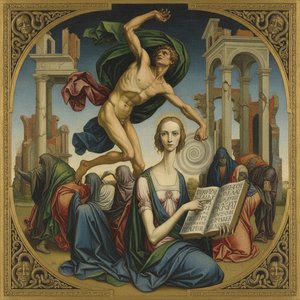
Beyond Perfection: The Dramatic Elegance and Intellectual Tension of Renaissance Mannerism
Explore the captivating world of Renaissance Mannerism. Discover how artists moved beyond High Renaissance harmony into a realm of elegant distortion, psychological tension, and dramatic beauty that bridged the gap to the Baroque era.
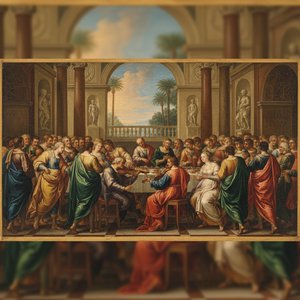
Paolo Veronese: A Renaissance Master of Color, Composition, and Venetian Splendor
Explore the vibrant world of Paolo Veronese, a Renaissance master renowned for his opulent compositions, masterful use of color, and dramatic Venetian scenes. Discover key artworks & legacy.

Northern Mannerism: The Dramatic Evolution of European Art through Elegant Distortion and Tension
Explore the dramatic evolution of Northern Mannerism. Discover how 16th-century artists moved from Renaissance harmony to elegant distortion, tension, and complex symbolism in European art history.

Mannerism: Bridging Renaissance Harmony & Baroque Drama – A Study of Style & Affectation
Explore the fascinating world of Mannerism! Discover its key characteristics, pioneering artists like Pontormo & Bronzino, and its pivotal role in bridging Renaissance harmony to Baroque drama. A comprehensive guide for art enthusiasts.


