Förhandsvisa
 Skicka
 Dela
Dela
 Visa detaljer
 Guide
Guide

 Ladda ner
 Liknande objekt
 Röntgen
 Bildspel
 Q&A
Q&A Statistik
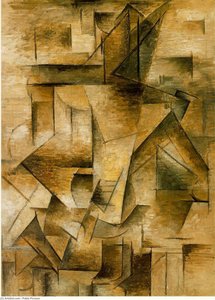
The absinthe drinker


 Visa mer
Konstverket som visas på denna sida skyddas av upphovsrättslagen, vilket innebär att vi inte lagligt kan skapa eller sälja en identisk reproduktion. Detta skydd upprätthålls genom internationella avtal såsom den Bernkonventionen och genom nationella lagar, inklusive de som fastställs av Amerikansk upphovsrättslag – Titel 17. Alla rättigheter förbehållna. Återgivning av konstverk är förbjuden utan skriftligt tillstånd från WahooArt.
Denna metod följer fullt ut upphovsrättsliga regler eftersom den inte innebär kopiering eller duplicering av det skyddade konstverket. Istället är det en kreativ nytolkning – en ny målning som är influerad av originalet men inte identisk med det.
Giclée / Konsttryck
Giclée- eller canvasprint av museumskvalitet med snabb produktion och flexibla ytbehandlingsalternativ. ( Beställ handmålad reproduktion Byt till digital bild)




P118B Skr10

P118H Skr10

P118W Skr10

P438Z Skr10

P508JH Skr12

P508YH Skr12

P805H Skr10

P805Z Skr10

P919BZ Skr10

P919G Skr10

P919XJ Skr10

P959ZH Skr10

P968JZ Skr12

W106C Skr8

W218G Skr10

W218JH Skr8

W218Y Skr10

W307PJ Skr10

W316G Skr10

W316PJ Skr8

W316Y Skr10

W398PJ Skr8

W4111J Skr10

W500HY Skr15

W500JH Skr15

W692G Skr12

W849H Skr8

W940BG Skr15

W953PJ Skr8




Välj bland våra förinställda storlekar som motsvarar konstverkets ursprungliga proportioner.

Ange den bredd och höjd du behöver för att passa din ram eller vägg. Ett tryck kan endast beskäras, aldrig göras större än originalbilden, vilket innebär att ett format med en annan proportion leder till att en del av bilden går förlorad. Vi skickar en digital mockup för godkännande innan vi påbörjar tryckningen. Bilden som visas på denna sida visar inte den faktiska beskärningen — det är endast mockuppen som gör det.
Leverans över hela världen () på 2 veckor istället för standard 4/5 veckor. (2 november)

Fri expressfrakt över hela världen

Högkvalitativ linnecanvas

Fullständig fraktförsäkring

Garantier för återbetalning av tullavgifter

Garantier för exakt färgåtergivning

100 dagars returrätt (endast vid fel)

100% pengarna tillbaka-garanti

Mängdrabatt erbjuds
 Glasalternativet är endast tillgängligt i storlekar under 110 cm.

The absinthe drinker
Giclée / Konsttryck
Storlek på reproduktion
-


Slutgiltigt pris
Skr 804
A Glimpse into the Soul: Pablo Picasso’s “The Absinthe Drinker”
Pablo Picasso's "The Absinthe Drinker," painted in 1901, isn’t merely a portrait; it’s a distilled essence of early 20th-century Paris—a city simmering with artistic innovation and shadowed by social anxieties. This oil on canvas, now housed within the esteemed Museum Boijmans Van Beuningen in Rotterdam, offers a poignant window into the bohemian world of the time, a realm where absinthe held both allure and danger. The painting immediately draws the eye to its central figure: a woman seated at a table, bathed in a muted palette dominated by blues and browns—colors often associated with melancholy and introspection. She’s not conventionally beautiful; her features are somewhat distorted, almost dreamlike, reflecting the influence of Symbolism and the nascent explorations into the subconscious that would soon define Surrealism.
The scene is deceptively simple: a table, a wine glass, a cup, and a telephone. Yet, each element carries significant weight. The telephone, a relatively new invention at the time, symbolizes isolation and disconnection—a key theme of the era as individuals sought solace in fleeting pleasures amidst an increasingly impersonal world. The absinthe glass itself is prominent, its swirling green liquid hinting at the intoxicating effects of the drink, often associated with hallucinations and escapism. The woman’s hand, reaching towards the glass, suggests a desperate attempt to grasp something—perhaps oblivion, perhaps connection, perhaps simply a moment of respite from an unseen burden.
Cubist Beginnings and Surrealist Echoes
Picasso was at a pivotal point in his artistic development during the creation of “The Absinthe Drinker.” He was actively experimenting with techniques that would later coalesce into Cubism, a revolutionary style characterized by fragmented forms and multiple perspectives. While the painting isn’t strictly Cubist—it retains elements of traditional portraiture—it demonstrates Picasso's growing interest in deconstructing reality and presenting it from unconventional viewpoints. The flattened perspective, the slightly distorted features, and the overlapping planes all foreshadow his later explorations into geometric abstraction.
However, “The Absinthe Drinker” also possesses a distinctly Surrealist quality. Picasso was deeply influenced by Symbolism and its exploration of dreams, myths, and the irrational. The painting’s atmosphere is dreamlike, imbued with an unsettling sense of unease. It's as if we are peering into the mind of a troubled soul—a common motif in both Symbolist and early Surrealist art. The woman’s gaze, lost in thought, further contributes to this feeling of psychological depth.
A Reflection of Parisian Society
To understand “The Absinthe Drinker,” it's crucial to consider the social context of 1901 Paris. The city was a hotbed of artistic and intellectual ferment, but also a place of poverty, inequality, and disillusionment. Absinthe, a potent anise-flavored spirit, became increasingly popular among artists, writers, and intellectuals—a means of both inspiration and escape. Picasso’s painting captures this duality—the allure of the bohemian lifestyle juxtaposed with the underlying anxieties and vulnerabilities of its inhabitants.
The inclusion of the red sweater worn by the woman is a deliberate choice, adding a vibrant splash of color to the otherwise somber palette. It could be interpreted as a symbol of passion or defiance—a small act of rebellion against the prevailing mood of melancholy. Furthermore, the presence of the other figures in the background – a man standing near her and another further away - adds layers of narrative complexity, suggesting a social scene filled with unspoken interactions and hidden dramas.
Collecting the Essence: A OriginalUniqueArt Reproduction
OriginalUniqueArt offers meticulously crafted hand-painted reproductions of “The Absinthe Drinker,” allowing you to bring this iconic masterpiece into your home or office. Our skilled artists faithfully recreate Picasso’s unique style, capturing the painting's atmospheric depth and psychological intensity with remarkable precision. Whether you are an art enthusiast, a collector, or simply seeking a stunning piece of decorative art, our reproduction provides an authentic representation of this seminal work—a timeless portrait of Parisian melancholy and the complexities of the human spirit.
Frågor och svar
Vem skapade "The absinthe drinker" och under vilket år?
"The absinthe drinker" skapades av Pablo Picasso år 1901.
Hur hög är kontrasten i "The absinthe drinker" av Pablo Picasso?
Ljus-mörker-kontrasten i "The absinthe drinker" är registrerad som Stark kontrast. Kontrast beskriver hur starkt ljusa och mörka partier skiljer sig åt.
Var i Pablo Picassos karriär placeras "The absinthe drinker", med tanke på dess datum?
Årtalet 1901 placerar "The absinthe drinker" i Early Period av Pablo Picassos konstnärliga utveckling.
Konstnärsbiografi
Pablo Picassos bestående arv
Pablo Ruiz y Picasso, ett namn synonymt med konstnärlig revolution, föddes i Málaga, Spanien, den 25 oktober 1881. Hans själva existens verkade ödesbestämd för kreativt uttryck; legenden säger att hans första uttalade ord var ”piz, piz”, ett försök att säga ’penna’. Denna tidiga benägenhet odlades av hans far, José Ruiz y Blasco, en målare och konstlärare som gav den unge Pablo grundläggande utbildning. Men eleven överträffade snabbt sin lärare och uppvisade en anmärkningsvärda förmåga för naturalistisk avbildning som antydde den prodigiösa talang som fanns inom honom. Familjens efterföljande flyttar – först till A Coruña, sedan Barcelona – präglades av personliga tragedier, särskom förlusten av Picassos syster, upplevelser som subtilt skulle genomfärga hans senare verk med teman om melankoli och dödlighet. Även under formella studier vid konstskolan i Barcelona och en kort tid vid Kungliga akademin San Fernando i Madrid, revolterade Picasso mot stela akademiska begränsningar och föredrog istället att fördjupa sig i mästare som Velázquez och Goya, för att på så sätt bana sin egen väg mot konstnärlig innovation.
Från melankolisk blåton till rosafärgade nyanser
Det tidiga 1900-talet bevittnade framväxten av två distinkta perioder i Picassos oeuvre: den blå perioden (ungefär 1901–1904) och den rosa perioden (1904–1906). Den blå perioden, född ur personliga svårigheter och en skarp medvetenhet om socialt lidande, kännetecknas av målningar dränkta i dämpade nyanser av blått och blågrönt. Dessa verk är befolkade av marginaliserade gestalter – tiggare, blinda, prostituerade – framställda med en hjärtskärande empati som talar till teman om isolering och förtvivlan. La Vie (1903) och Den gamle gitarristen (1903–1904) står som gripande exempel på denna känslomässigt laddade fas. En förändring i Picassos personliga liv, tillsammans med en flytt till Paris, förebådade den rosa periodens ankomst. Paletten värmdes avsevärt och omfamnade rosa, orange och rött, vilket speglade en mer optimistisk utblick. Denna period präglades av en fascination för cirkusartister – harlekiner, akrobater och familjetrupper – figurer som förkroppsligade både skörhet och motståndskraft. Familjen med saltimbanquer (1905) fångar vackert denna övergång och antyder de stilistiska utforskningar som låg framför honom.
Perspektivets sammanbrott: Kubismen och bortom
Året 1907 markerade ett avgörande ögonblick i konsthistorien med skapandet av Les Demoiselles d'Avignon. Inspirerad av iberisk skulptur och afrikanska masker, krossade denna banbrytande målning traditionella föreställningar om perspektiv och representation. Det var ett radikragt avsteg, ett medvetet förkastande av århundraden gamla konventioner som banade väg för kubismen. Genom ett nära samarbete med Georges Braque var Picasso medgrundare till denna revolutionära rörelse, vilket fundamentalt förändrade hur konstnärer uppfattade och avbildade verkligheten. Den analytiska kubismen (1909–1912) innebar en fragmentering av objekt i geometriska former, utförda i dämpade färger, som om själva formen dissekerades. Detta utvecklades till den syntetiska kubismen (1912–1919), som inkorporerade collage-element – tidningsurklipp, tygbitar – vilket tillförde textur och nya lager av visuell komplexitet. Picasso var inte nöjd med att bara representera världen; han strävade efter att dekonstruera den och rekonstruera den på sina egna villkor.
En rastlös experimenterare: Neoklassicism, surrealism och krig
1920-talet såg Picasso kortvarigt utforska neoklassiska stilar, där han skapade monumentala figurer som ekade klassiska former men behöll en distinkt modern känsla. Samtidigt engagerade han sig i den framväxande surrealistiska rörelsen, även om han aldrig fullt ut anslöt sig till dess principer. Hans arbete under denna period blandade tidigare stilistiska influenser med surrealistisk bildspråk och förvrängda perspektiv, vilket demonstrerade hans outtröttliga experimentlusta. Det spanska inbördeskrigets fasor påverkade Picasso djupt och kulminerade i skapandet av Guernica (1937), ett visceralt och känslomässigt förödande svar på bombningen av Guernica. Detta monumentala verk blev en bestående symbol för krigets grymheter och befäste Picassos roll inte bara som konstnär utan även som en kraftfull röst för fred och social rättvisa. Under 1950- och 60-talen fortsatte han att tänja på gränserna genom att utforska keramik, skulptur och grafik med orubblig nyfikenhet och skicklighet. Hans äktenskap med Jacqueline Roque 1961 tillförde en ny dimension till hans personliga liv och konstnärliga uttryck.
Ett omätbart inflytande
Pablo Picasso avled den 8 april 1973 i Mougins, Frankrike, och lämnade efter sig en häpnadsväckande produktion – uppskattningsvis över 50 000 verk – som fortsätter att fängsla och inspirera. Hans konstnärliga utveckling formades av ett brett spektrum av influenser, från spanska mästare som Velázquez och Goya till iberisk skulptur, afrikansk konst och Henri Matisses livfulla färgpaletter. Hans inflytande på 1900-talets konst är omätbart. Han var medgrundare till kubismen, pionjär inom collage och konstruerad skulptur, och utmanade ständigt konstnärliga konventioner. Picassos outtröttliga experimenterande omdefinierade den moderna konsten och lämnade ett outplånligt märke på generationer av konstnärer, vilket befäste hans position som en av de viktigaste och mest inflytelserika gestalterna i historien. Hans arv sträcker sig bortom duken, ekar i otaliga aspekter av den samtida kulturen och påminner oss om den transformativa kraften i en konstnärlig vision.

Pablo Picasso
1881 - 1973 , Spanien
Kortfakta
- Artistic Movement Or Style: Kubism, Surrealism
- Artists Or Movements Influenced By This Artist:
- Kubism
- Modern konst
- Artists Who Influenced This Artist:
- Velázquez
- Goya
- Matisse
- Date Of Birth: 25 oktober 1881
- Date Of Death: 8 april 1973
- Full Name: Pablo Diego José Ruiz Picasso
- Nationality: Spansk
- Notable Artworks (List Of Titles):
- Les Demoiselles d'Avignon
- Guernica
- The Old Guitarist
- Place Of Birth (City And Country): Málaga, Spanien
Relaterade artiklar
Pablo Picasso: A Revolutionary Vision – Cubism, Symbolism & Enduring Legacy
Explore the revolutionary art of Pablo Picasso with OriginalUniqueArt.com. Discover Cubism's origins, symbolism in his masterpieces & investment insights for collectors. Expert appraisal & custom reproductions available.
Cubism Unveiled: How Picasso and Braque Redefined Reality Through Geometric Abstraction
Explore the revolutionary world of Cubism. Discover how masters Pablo Picasso and Georges Braque dismantled reality through geometric abstraction to redefine modern art history.
Mastering Cubism: An Essential Guide to the Revolutionary Artworks of Pablo Picasso
Explore the profound evolution of Cubism through an expert analysis of Pablo Picasso's revolutionary works. From Analytical to Synthetic Cubism, discover the techniques that redefined modern art and learn how to curate these iconic masterpieces for your private collection.
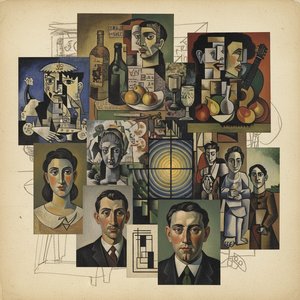
Kubismens Mästerverk: Topp 10 Verk som Definierade en Epok | OriginalUniqueArt
Utforska kubismens 10 mästerverk – från Picassos banbrytande verk till Braques innovativa stil. Lär känna historien bakom konstikonerna och hitta inspiration för ditt hem med OriginalUniqueArt.com. Upptäck hela samlingen online!
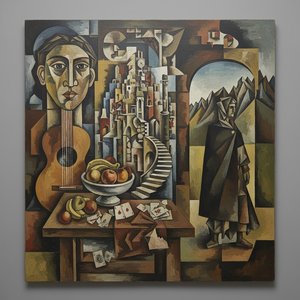
Kubismens Mästare: Topp 10 Verk som Definierade Rörelsen | OriginalUniqueArt.com
Utforska kubismens 10 mästerverk! Lär känna Picasso, Braque och andra pionjärer. Upptäck historien bakom dessa ikoniska målningar & finn inspiration till din heminredning med OriginalUniqueArt.com. Se hela samlingen online!