

 Förhandsvisa
 Skicka
 Dela
Dela
 Visa detaljer

 Ladda ner
 Liknande objekt
 Röntgen
 Bildspel
 Statistik
Klämning över Kristus döda kropp
 Olja på pannå
- Renaissance Classicism
 1522
1522 241.0 x 182.0 cm
 Galleria Borghese
 Visa mer
Giclée / Konsttryck
Giclée- eller canvasprint av museumskvalitet med snabb produktion och flexibla ytbehandlingsalternativ. ( Beställ handmålad reproduktion Byt till digital bild)




P118B $10

P118H $10

P118W $10

P438Z $10

P508JH $12

P508YH $12

P805H $10

P805Z $10

P919BZ $10

P919G $10

P919XJ $10

P959ZH $10

P968JZ $12

W106C $8

W218G $10

W218JH $8

W218Y $10

W307PJ $10

W316G $10

W316PJ $8

W316Y $10

W398PJ $8

W4111J $10

W500HY $15

W500JH $15

W692G $12

W849H $8

W940BG $15

W953PJ $8




Välj bland våra förinställda storlekar som motsvarar konstverkets ursprungliga proportioner.

Du kan ange egna mått för att passa en specifik ram eller yta. Om det valda måttet inte överensstämmer med originalbildens proportioner kommer vi antingen att beskära konstverket eller utöka bilden med en speglad eller enfärgad kant. En digital mockup skickas för ditt godkännande innan produktionen påbörjas.
Vänligen notera att förhandsvisningen på skärmen inte återspeglar den faktiska beskärningen eller utökningen. Endast mockuppen visar den slutgiltiga kompositionen korrekt.
Även om anpassade storlekar är möjliga, rekommenderar vi att du väljer ett mått från den fördefinierade listan för att bevara de ursprungliga proportionerna.
Leverans över hela världen () på 2 veckor istället för standard 4/5 veckor. (18 september)

Fri expressfrakt över hela världen

Högkvalitativ linnecanvas

Fullständig fraktförsäkring

Garantier för återbetalning av tullavgifter

Garantier för exakt färgåtergivning

100 dagars returrätt (endast vid defekter)

100% pengarna tillbaka-garanti

Mängdrabatt erbjuds
 Glasalternativet är endast tillgängligt i storlekar under 110 cm.

Klämning över Kristus döda kropp
Giclée / Konsttryck
Storlek på reproduktion
-


Slutgiltigt pris
$ 80
Mourning the Dead Christ – Ett Ögonblick av Sorg och Tro
Den italienske målaren Armanto Ortolano skapade detta mästerverk år 1522, ett verk som fascinerar genom sin djupa religiösa känsla och tekniska briljans. Konstverket är placerat i Galleria Borghese i Rom och är en ikonisk representation av renässansens konstnärliga stil. Detta är inte bara en bild av Jesus Kristus döende utan också ett uttryck för mänsklig ångest och kärlek till det gudomliga – teman som fortsätter att resonera genom historien och inspirera konstnärer än idag.- Författare: Armanto Ortolano (1480-1525)
- Årtal: 1522
- Storlek: 241 x 182 cm
- Material: Olja på trä över aluminiumpanel
- Plats: Galleria Borghese, Rom
Konstnärsbiografi
The Verdant Legacy of L'Ortolano
In the vibrant tapestry of the Italian Renaissance, certain names shimmer with eternal brilliance, while others linger like a soft, evocative shadow, waiting for the light of modern scholarship to reveal their true depth. Giovanni Battista Benvenuti, known more affectionately by his moniker L'Ortolano, is such a figure. Born in the fertile artistic landscape of Ferrara around 1480, his very name whispers of the earth; he was called "the gardener" because of his father Francisco’s humble occupation. This connection to the natural world perhaps foreshadowed the lush, organic vitality that would later define his brushwork, as he emerged from the prestigious Ferrara School to leave an indelible mark on the devotional art of his era.
The early life of Benvenuti was shaped by the rigorous traditions of the Ferrarese masters. While much of his formative years remain shrouded in the mists of history, we know that he was a diligent student of the great Raphael and Bagnacavallo during his time in Bologna around 1512–1513. This period of intense study allowed him to absorb the classical grace of the Roman High Renaissance and blend it with the more localized, expressive textures of his homeland. His development was not merely a mimicry of his predecessors but a sophisticated synthesis; he adopted the meticulous detail and nuanced shading characteristic of the Renaissance, yet infused his compositions with a unique, emotive realism that felt deeply human.
A Mastery of Devotion and Light
The oeuvre of L'Ortolano is a testament to the power of spiritual narrative. His works often serve as windows into the divine, where the boundaries between the celestial and the terrestrial blur through masterful technique. One cannot discuss his artistry without mentioning the profound influence of Dosso Dossi. From Dossi, Ortolano inherited an affinity for expressive landscapes and a rich, atmospheric use of color that breathes life into every saint and martyr he depicts. This influence is most palpable in works such as The Adoration of the Shepherds, where the landscape itself seems to participate in the sacred event, draped in a soft, emotive light.
His religious commissions were scattered across the churches of the region, each piece serving as a focal point for communal devotion. Notable achievements include:
- The Virgin Mary and Infant Jesus with Saints: A 1520 masterpiece created for the church of San Niccolò, showcasing his ability to balance tender intimacy with monumental presence.
- Nativity with Saints: Executed for Santa Maria de' Servi, this work exemplifies his skill in capturing the quiet, profound gravity of the Nativity through fine draughtsmanship.
- Saints Sebastian, Roch, and Demetrius: Currently housed in the National Gallery, London, this painting is widely considered his masterpiece. It stands as a triumph of rich color and intricate detail, representing the pinnacle of his technical maturity.
Beyond these celebrated pieces, his ability to convey spiritual depth through visual representation allowed him to navigate the complex iconographies of the time. Whether it was the sorrowful weight of Mourning the Dead Christ or the regal splendor of the Adoration of the Magi, Ortolano possessed a rare sensitivity to the emotional arc of biblical narratives.
Historical Resonance and Artistic Spirit
Though his historical significance has occasionally been understated by critics who favored the more famous titans of the era, L'Ortolano remains a vital link in the evolution of the Ferrara School. He embodied the humanist spirit of his age—a period where the pursuit of technical perfection was inseparable from the desire to express the profound truths of the human condition. His work bridges the gap between the structured classicism of the early 16th century and the more fluid, atmospheric styles that would follow.
To look upon an Ortolano painting is to witness a painter who found divinity in the details. He took the humble inspiration of his namesake—the gardener—and applied it to the canvas, cultivating scenes of such exquisite beauty and emotional resonance that they continue to captivate the modern eye. His legacy is not merely one of religious iconography, but of a dedicated craftsman who transformed the light of the Renaissance into a lasting, luminous heritage.

ortolano
1480 - 1525 , Italy
Kortfakta
- Artistic Movement Or Style: Renaissance School; Dosso Dossi
- Artists Who Influenced This Artist:
- Raphael
- Bagnacavallo
- Date Of Birth: ca. 1480
- Date Of Death: 1525
- Full Name: Giovanni Battista Benvenuti
- Nationality: Italian
- Notable Artworks:
- The Adoration of the Shepherds
- Mourning Christ
- Nativity with Saints
- Place Of Birth: Ferrera, Italy
Relaterade artiklar

The Enduring Legacy of Oil on Canvas: Technique, History & Aesthetic Impact
Explore the rich history & techniques of oil painting – from Renaissance masters to Impressionism. Discover pigments, layering methods, and why this timeless medium endures. Expert insights for artists & art enthusiasts.

Olja på duk: En tidlös teknik – Historik, process och konstnärliga möjligheter
Utforska oljemålningskonsten! Lär dig om flamländsk teknik, materialval och historisk utveckling. Expertguider för både nybörjare och erfarna konstnärer – bevara dina målningar med bästa praxis.
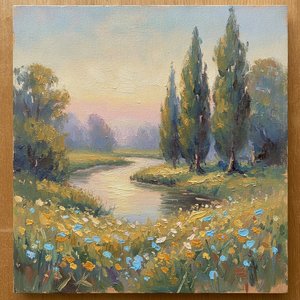
The Timeless Charm of Oil on Board: Reimagining Texture and Light through the Impressionist Lens
Discover the profound intimacy of oil on panel. Explore how Impressionist masters used rigid supports to capture light, texture, and impasto depth through exquisite, handmade oil reproductions for discerning collectors.

The Enduring Power of Painting: A Historical & Contemporary Exploration of Form and Emotion
Explore the rich history & enduring techniques of oil painting with OriginalUniqueArt. Discover masterpieces, learn about art collecting, and find authentic handmade reproductions crafted by skilled artists.

Olja på dukens bestående arv: Teknik, historia och samtida praktik
Utforska oljemåleriets rika historia och tekniker – från renässansens mästare till dagens konstnärer. Lär dig om material, metoder och konservering för att bevara konsten.
