Förhandsvisa
 Skicka
 Dela
Dela
 Visa detaljer
 Guide
Guide

 Ladda ner
 Liknande objekt
 Röntgen
 Bildspel
 Frågor och svar
 Statistik
The Lute Player

- 144.0 x 129.0 cm


 Visa mer
Giclée / Konsttryck
Giclée- eller canvasprint av museumskvalitet med snabb produktion och flexibla ytbehandlingsalternativ. ( Beställ handmålad reproduktion Byt till digital bild)




P118B Skr10

P118H Skr10

P118W Skr10

P438Z Skr10

P508JH Skr12

P508YH Skr12

P805H Skr10

P805Z Skr10

P919BZ Skr10

P919G Skr10

P919XJ Skr10

P959ZH Skr10

P968JZ Skr12

W106C Skr8

W218G Skr10

W218JH Skr8

W218Y Skr10

W307PJ Skr10

W316G Skr10

W316PJ Skr8

W316Y Skr10

W398PJ Skr8

W4111J Skr10

W500HY Skr15

W500JH Skr15

W692G Skr12

W849H Skr8

W940BG Skr15

W953PJ Skr8




Välj bland våra förinställda storlekar som motsvarar konstverkets ursprungliga proportioner.

Ange den bredd och höjd du behöver för att passa din ram eller vägg. Ett tryck kan endast beskäras, aldrig göras större än originalbilden, vilket innebär att ett format med en annan proportion leder till att en del av bilden går förlorad. Vi skickar en digital mockup för godkännande innan vi påbörjar tryckningen. Bilden som visas på denna sida visar inte den faktiska beskärningen — det är endast mockuppen som gör det.
Leverans över hela världen () på 2 veckor istället för standard 4/5 veckor. (9 november)

Fri expressfrakt över hela världen

Högkvalitativ linnecanvas

Fullständig fraktförsäkring

Garantier för återbetalning av tullavgifter

Garantier för exakt färgåtergivning

100 dagars returrätt (endast vid fel)

100% pengarna tillbaka-garanti

Mängdrabatt erbjuds
 Glasalternativet är endast tillgängligt i storlekar under 110 cm.

The Lute Player
Giclée / Konsttryck
Storlek på reproduktion
-


Slutgiltigt pris
Skr 809
A Symphony of Light and Shadow
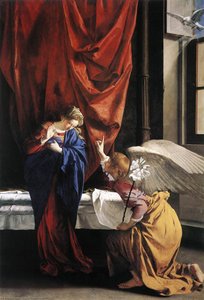
In the quiet intimacy of Orazio Gentileschi’s The Lute Player, we are invited into a moment of profound sensory immersion. The scene unfolds with a breathtakingly delicate balance of light and shadow, characteristic of the early Baroque era. A young woman, draped in a luminous golden yellow gown, sits poised at the edge of our vision, her body turned away as if caught in a private reverie. She leans toward her instrument, tilting her head to press her ear against the pear-shaped lute, seeking the very resonance of the note she has just struck. This gesture—an act of deep, focused listening—transports the viewer from the mere observation of a painting into the shared experience of music itself.
The technique employed by Gentileschi is nothing short of masterful. Moving away from the rigid, artificial elegance of Mannerism, he embraces a naturalistic clarity that breathes life into every texture. One can almost feel the weight of the crimson-red velvety fabric beneath her, the crispness of the voluminous white blouse, and the smooth, cool surface of her pale skin. The artist uses light not merely to illuminate, but to sculpt; a diagonal shaft of light pierces the dark, earthy background, catching the fine strands of her braided hair and highlighting the intricate details of the musical instruments scattered across the olive-green draped table. This interplay of chiaroscuro creates a sense of three-dimensional depth that makes the composition feel remarkably present.
The Poetry of Stillness and Sound
Beyond its visual splendor, the painting is rich with symbolic resonance. The presence of the violin, the wooden recorders, and the open music books suggests a world where art and intellect are harmoniously entwined. These objects serve as more than mere props; they are symbols of the ephemeral nature of sound and the enduring beauty of composition. There is a poignant tension in the stillness of the scene—the way the woman’s fingers press against the strings, the way her gaze drifts toward an unseen horizon—that captures the fleeting moment between a note being played and its eventual silence.
For the discerning collector or interior designer, The Lute Player offers a sophisticated emotional anchor for any space. It possesses a rare ability to command attention through subtlety rather than spectacle. Whether placed in a sun-drenched library or a moody, contemporary study, a high-quality reproduction of this masterpiece brings with it an atmosphere of contemplative elegance and timeless grace. It is a piece that does not merely decorate a wall; it invites a mood of introspection, turning any room into a sanctuary of culture and quiet beauty.
Frågor och svar
Hur passar "The Lute Player" in i Orazio Gentileschis teman och stil?
"The Lute Player" tillhör Orazio Gentileschis Baroque-period, vars dokumenterade teman inkluderar caravaggio's naturalistic influence, transition from mannerism to baroque, musical genre scene, masterpiece of luminous color, introspective baroque style.
Hur kan jag köpa ett tryck av "The Lute Player" av Orazio Gentileschi?
Ett tryck av "The Lute Player" av Orazio Gentileschi kan beställas direkt på dess Konsttryck i hög kvalitet-sida: ett konsttryck på bomullscanvas eller arkivbeständigt canvaspapper.
Vilken emotionell ton förmedlar Baroque-stilen i "The Lute Player"?
Inom Baroque-rörelsen är "The Lute Player" präglad av en Reflective ton.
Konstnärsbiografi
A Tuscan Dawn: The Life and Art of Orazio Gentileschi
Born in 1563 amidst the rolling hills of Tuscany, Orazio Gentileschi embarked on a journey that would see him become a pivotal figure in the transition from Mannerism to Baroque painting. Initially known as Orazio Lomi, he gravitated towards Rome, then the epicenter of artistic innovation, where he honed his skills within the workshops of Cola dell’Amata and absorbed the architectural sensibilities of Francesco da Sangallo. These early influences instilled in him a meticulous attention to form and composition, characteristics that would remain hallmarks of his style even as it dramatically evolved. Gentileschi’s initial work often involved contributing figures to larger decorative schemes conceived by other artists – a formative experience that taught him collaboration and adaptability, yet also hinted at a burgeoning ambition for independent expression. He began his career assisting in the creation of elaborate frescoes and altarpieces, learning the intricacies of perspective, color theory, and the skillful rendering of human anatomy—skills he would later master with remarkable precision.Embracing the Shadow: Caravaggio's Influence and Artistic Development
The turn of the 17th century marked a turning point in Gentileschi’s artistic trajectory. The revolutionary naturalism of Caravaggio burst onto the Roman art scene, challenging established conventions with its dramatic use of light and shadow – *tenebrism* – and unflinching realism. Gentileschi was profoundly affected by this seismic shift, adopting elements of Caravaggio's style into his own work. However, he wasn’t merely an imitator; rather, he filtered Caravaggio’s innovations through his existing artistic sensibilities. While retaining the dramatic intensity, Gentileschi softened the harshness of Caravaggio’s *tenebrism*, introducing a lighter palette and a more refined approach to detail. This resulted in paintings that possessed both emotional power and elegant grace – a unique synthesis that distinguished him from his contemporaries. Biblical scenes and mythological narratives became frequent subjects, allowing Gentileschi to explore themes of faith, heroism, and human vulnerability with compelling visual storytelling. His compositions often featured dynamic diagonals and swirling drapery, creating a sense of movement and drama—a hallmark of the Baroque style.A Courtly Wanderer: From Paris to London
Gentileschi’s artistic reputation extended beyond Italy's borders. His talent attracted the patronage of powerful figures, leading him on a peripatetic journey through Europe. He spent time at the court of Marie de' Medici in Paris, where his refined style resonated with the Queen’s taste for elegance and sophistication. This period saw a further evolution in his work, characterized by increasingly elaborate compositions and a heightened sense of decorum. He became known for his ability to capture the nuances of aristocratic life—portraits that revealed not only physical likeness but also personality and social standing. However, it was his invitation to England in 1626 that would define the final chapter of his career. Appointed court painter to Charles I, Gentileschi became one of the first major exponents of Caravaggism in Britain, significantly influencing the development of English Baroque painting. He undertook ambitious projects, including a series of ceiling paintings for Greenwich Palace (now Marlborough House), showcasing his mastery of large-scale decorative schemes and solidifying his position as a leading artist of his time. His work during this period often reflected the grandeur and formality of the English court, blending Italian artistic traditions with British sensibilities.Key Works and Artistic Style
Gentileschi’s oeuvre is characterized by a remarkable versatility—a mastery of both narrative and portraiture. His paintings frequently depict scenes from the Bible, classical mythology, and allegorical subjects, each imbued with a profound sense of drama and emotion. Notable works include “Danae,” a powerful depiction of Zeus's abduction of the mythological queen, and "The Annunciation," showcasing his skill in capturing delicate gestures and expressions. His style is often described as Baroque, yet it retains elements of Mannerism—a testament to his artistic evolution. He was particularly adept at using *chiaroscuro* – the dramatic contrast between light and dark – to create a sense of depth and volume, drawing the viewer’s eye to key figures within the composition. His use of color was vibrant and rich, often employing warm tones to evoke feelings of passion and intensity.- Major Works: “Danae”, "The Annunciation", “Judith and Holofernes”
- Key Influences: Mannerism, Caravaggio, Francesco da Sangallo
- Artistic Style: Baroque, Dramatic compositions, Bright colors, *Chiaroscuro*
Legacy and Lasting Impact
Orazio Gentileschi’s contributions to the world of art are multifaceted. He bridged the gap between Mannerism and Baroque, absorbing the innovations of Caravaggio while forging his own distinctive style. His use of vibrant colors, dramatic compositions, and refined technique influenced a generation of artists across Europe. He was instrumental in introducing Caravaggism to England, leaving an indelible mark on the artistic landscape there. But perhaps his most enduring legacy lies in his daughter, Artemisia Gentileschi. Trained in her father’s studio, she emerged as one of the most celebrated female painters of the Baroque era, carrying forward the family's artistic tradition and achieving renown in her own right. Today, Gentileschi’s works are held in prestigious museums and galleries worldwide – from the Uffizi Gallery in Florence to the Accademia Gallery in Venice – testaments to his enduring brilliance and lasting impact on the history of art. His paintings continue to captivate viewers with their emotional depth, technical virtuosity, and timeless beauty.
Orazio Gentileschi
1563 - 1639 , Italien
Kortfakta
- Artistic Movement Or Style: Barock, Caravaggism
- Artists Or Movements Influenced By This Artist:
- Mannerism
- Toscana
- Artists Who Influenced This Artist:
- Caravaggio
- Francesco da Sangallo
- Date Of Birth: 1563
- Date Of Death: 1639
- Full Name: Orazio Gentileschi
- Nationality: Italienare
- Notable Artworks:
- Danae
- Annunciation
- Jungfru Maria
- Place Of Birth: Toscana, Italien
Relaterade artiklar

25 Masterpieces by Francisco de Zurbarán: The King of Spanish Baroque Tenebrism
Immerse yourself in the dramatic world of Francisco de Zurbarán. Explore 25 iconic Spanish Baroque masterpieces defined by intense tenebrism and spiritual realism. Find inspiration for museum-quality art reproductions and decor. Discover all masterpieces on OriginalUniqueArt.com.

25 Masterpieces by Francisco de Zurbarán: The King of Spanish Baroque
Immerse yourself in the dramatic world of Francisco de Zurbarán. Explore 25 iconic Spanish Baroque masterpieces defined by intense tenebrism and spiritual realism. Find inspiration for museum-quality art reproductions and decor. Discover all masterpieces on OriginalUniqueArt.com.
Topp 10 berömda målningar dominerade av 'kromgul': Konsthistoria för ditt hem
Utforska 10 ikoniska målningar dominerade av 'kromgul' – från Van Goghs solrosor till Monets ljusspel. Lär känna konsthistorien och hitta inspiration för ditt hem med OriginalUniqueArt.coms exklusiva reproduktioner. Upptäck mästerverken online!

25 Masterpieces by Francisco de Zurbarán: The King of Spanish Baroque
Immerse yourself in the dramatic world of Francisco de Zurbarán. Explore 25 iconic Spanish Baroque masterpieces defined by intense tenebrism and spiritual realism. Find inspiration for museum-quality art reproductions and decor. Discover all masterpieces on OriginalUniqueArt.com.
10 Iconic Baroque Masterpieces That Changed Art Forever
Step into the drama of the Baroque era. Explore 10 iconic masterpieces featuring dramatic chiaroscuro and legendary artists. Find inspiration for your space with museum-quality art reproductions and curated decor. Discover all masterpieces on OriginalUniqueArt.com.