Förhandsvisa
 Skicka
 Dela
Dela
 Visa detaljer
 Guide
Guide

 Ladda ner
 Liknande objekt
 Röntgen
 Bildspel
 Statistik
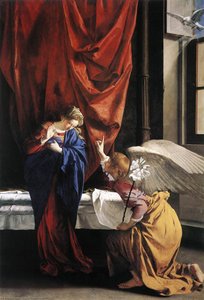
Lute Player
 Oil On Canvas
- WallArt
- Baroque
 1626
1626- Early Modern
 144.0 x 130.0 cm
 National Gallery of Art
 Visa mer
Giclée / Konsttryck
Giclée- eller canvasprint av museumskvalitet med snabb produktion och flexibla ytbehandlingsalternativ. ( Beställ handmålad reproduktion Byt till digital bild)




P118B Skr10

P118H Skr10

P118W Skr10

P438Z Skr10

P508JH Skr12

P508YH Skr12

P805H Skr10

P805Z Skr10

P919BZ Skr10

P919G Skr10

P919XJ Skr10

P959ZH Skr10

P968JZ Skr12

W106C Skr8

W218G Skr10

W218JH Skr8

W218Y Skr10

W307PJ Skr10

W316G Skr10

W316PJ Skr8

W316Y Skr10

W398PJ Skr8

W4111J Skr10

W500HY Skr15

W500JH Skr15

W692G Skr12

W849H Skr8

W940BG Skr15

W953PJ Skr8




Välj bland våra förinställda storlekar som motsvarar konstverkets ursprungliga proportioner.

Ange den bredd och höjd du behöver för att passa din ram eller vägg. Ett tryck kan endast beskäras, aldrig göras större än originalbilden, vilket innebär att ett format med en annan proportion leder till att en del av bilden går förlorad. Vi skickar en digital mockup för godkännande innan vi påbörjar tryckningen. Bilden som visas på denna sida visar inte den faktiska beskärningen — det är endast mockuppen som gör det.
Leverans över hela världen () på 2 veckor istället för standard 4/5 veckor. (26 oktober)

Fri expressfrakt över hela världen

Högkvalitativ linnecanvas

Fullständig fraktförsäkring

Garantier för återbetalning av tullavgifter

Garantier för exakt färgåtergivning

100 dagars returrätt (endast vid fel)

100% pengarna tillbaka-garanti

Mängdrabatt erbjuds
 Glasalternativet är endast tillgängligt i storlekar under 110 cm.

Lute Player
Giclée / Konsttryck
Storlek på reproduktion
-


Slutgiltigt pris
Skr 794
A Symphony of Light and Shadow
In the quietude of Orazio Gentileschi’s “The Lute Player,” one does not merely observe a scene; one enters a moment of profound, suspended animation. Painted during the vibrant dawn of the Baroque era, around 1612–1615, this masterpiece serves as a breathtaking window into the soul of the seventeenth century. The central figure, a young woman lost in the delicate melodies of a psaltery, embodies a sense of introspective grace that transcends the canvas. As she leans into her instrument, her focus is so absolute that the world around her seems to dissolve, leaving only the resonance of a single, perfect note. For the discerning collector or interior designer, this piece offers more than decoration; it provides an anchor of tranquility and intellectual depth, making it a sublime addition to any space dedicated to contemplation and refined taste.
The brilliance of the work lies in its masterful command of chiaroscuro, a technique heavily inspired by the revolutionary Caravaggio. Gentileschi does not simply use light to illuminate; he uses it to sculpt. Dramatic shadows dance across the textured backdrop, emerging from deep, earthy umbers to highlight the luminous contours of the woman’s face and the delicate folds of her gown. This interplay of brilliance and obscurity creates a palpable sense of three-dimensionality, pulling the viewer into the intimate atmosphere of the room. The color palette is a sophisticated harmony of warm ochres and rich browns, punctuated by the cool, ethereal blues of her attire, creating a visual rhythm that mirrors the music being played.
Symbolism and the Art of Devotion
Beyond its striking visual surface, “The Lute Player” is a tapestry of symbolic meaning. The psaltery—a precursor to the lute—is far more than a mere musical prop; in the Baroque lexicon, it serves as a potent emblem of harmony, learning, and spiritual devotion. The meticulous way Gentileschi renders the instrument, with its polished surfaces and intricate details, suggests a reverence for the discipline required to master such an art. The woman’s posture, characterized by a quiet diligence, invites the viewer to reflect on the pursuit of beauty and the importance of finding stillness within a chaotic world.
Every brushstroke contributes to this narrative of emotional depth. Through the skillful application of layering and glazing, the artist achieves a luminous quality that makes the fabric appear soft to the touch and the wood of the instrument glow with an inner light. This technical virtuosity ensures that a high-quality reproduction retains the soul of the original, capturing the rich textures and the heavy, atmospheric mood that defines the Italian Baroque. Whether placed in a grand library or a contemporary living space, this painting acts as a conversation piece, evoking a sense of history, elegance, and an enduring passion for the arts.
Frågor och svar
Vad föreställer "Lute Player" av Orazio Gentileschi?
Teman som återfinns i "Lute Player" av Orazio Gentileschi inkluderar portrait, music, baroque, woman, instrument, composition, drama, reflection. Tillsammans sammanfattar de verkets motiv.
Är färgerna i "Lute Player" av Orazio Gentileschi klara eller dämpade?
"Lute Player" av Orazio Gentileschi återges med en Subtle Color mättnad och en Balanced intensitet.
Är färgerna i "Lute Player" av Orazio Gentileschi mättade eller dämpade?
"Lute Player" av Orazio Gentileschi är återgiven med en Subtle Color mättnad.
Konstnärsbiografi
A Tuscan Dawn: The Life and Art of Orazio Gentileschi
Born in 1563 amidst the rolling hills of Tuscany, Orazio Gentileschi embarked on a journey that would see him become a pivotal figure in the transition from Mannerism to Baroque painting. Initially known as Orazio Lomi, he gravitated towards Rome, then the epicenter of artistic innovation, where he honed his skills within the workshops of Cola dell’Amata and absorbed the architectural sensibilities of Francesco da Sangallo. These early influences instilled in him a meticulous attention to form and composition, characteristics that would remain hallmarks of his style even as it dramatically evolved. Gentileschi’s initial work often involved contributing figures to larger decorative schemes conceived by other artists – a formative experience that taught him collaboration and adaptability, yet also hinted at a burgeoning ambition for independent expression. He began his career assisting in the creation of elaborate frescoes and altarpieces, learning the intricacies of perspective, color theory, and the skillful rendering of human anatomy—skills he would later master with remarkable precision.Embracing the Shadow: Caravaggio's Influence and Artistic Development
The turn of the 17th century marked a turning point in Gentileschi’s artistic trajectory. The revolutionary naturalism of Caravaggio burst onto the Roman art scene, challenging established conventions with its dramatic use of light and shadow – *tenebrism* – and unflinching realism. Gentileschi was profoundly affected by this seismic shift, adopting elements of Caravaggio's style into his own work. However, he wasn’t merely an imitator; rather, he filtered Caravaggio’s innovations through his existing artistic sensibilities. While retaining the dramatic intensity, Gentileschi softened the harshness of Caravaggio’s *tenebrism*, introducing a lighter palette and a more refined approach to detail. This resulted in paintings that possessed both emotional power and elegant grace – a unique synthesis that distinguished him from his contemporaries. Biblical scenes and mythological narratives became frequent subjects, allowing Gentileschi to explore themes of faith, heroism, and human vulnerability with compelling visual storytelling. His compositions often featured dynamic diagonals and swirling drapery, creating a sense of movement and drama—a hallmark of the Baroque style.A Courtly Wanderer: From Paris to London
Gentileschi’s artistic reputation extended beyond Italy's borders. His talent attracted the patronage of powerful figures, leading him on a peripatetic journey through Europe. He spent time at the court of Marie de' Medici in Paris, where his refined style resonated with the Queen’s taste for elegance and sophistication. This period saw a further evolution in his work, characterized by increasingly elaborate compositions and a heightened sense of decorum. He became known for his ability to capture the nuances of aristocratic life—portraits that revealed not only physical likeness but also personality and social standing. However, it was his invitation to England in 1626 that would define the final chapter of his career. Appointed court painter to Charles I, Gentileschi became one of the first major exponents of Caravaggism in Britain, significantly influencing the development of English Baroque painting. He undertook ambitious projects, including a series of ceiling paintings for Greenwich Palace (now Marlborough House), showcasing his mastery of large-scale decorative schemes and solidifying his position as a leading artist of his time. His work during this period often reflected the grandeur and formality of the English court, blending Italian artistic traditions with British sensibilities.Key Works and Artistic Style
Gentileschi’s oeuvre is characterized by a remarkable versatility—a mastery of both narrative and portraiture. His paintings frequently depict scenes from the Bible, classical mythology, and allegorical subjects, each imbued with a profound sense of drama and emotion. Notable works include “Danae,” a powerful depiction of Zeus's abduction of the mythological queen, and "The Annunciation," showcasing his skill in capturing delicate gestures and expressions. His style is often described as Baroque, yet it retains elements of Mannerism—a testament to his artistic evolution. He was particularly adept at using *chiaroscuro* – the dramatic contrast between light and dark – to create a sense of depth and volume, drawing the viewer’s eye to key figures within the composition. His use of color was vibrant and rich, often employing warm tones to evoke feelings of passion and intensity.- Major Works: “Danae”, "The Annunciation", “Judith and Holofernes”
- Key Influences: Mannerism, Caravaggio, Francesco da Sangallo
- Artistic Style: Baroque, Dramatic compositions, Bright colors, *Chiaroscuro*
Legacy and Lasting Impact
Orazio Gentileschi’s contributions to the world of art are multifaceted. He bridged the gap between Mannerism and Baroque, absorbing the innovations of Caravaggio while forging his own distinctive style. His use of vibrant colors, dramatic compositions, and refined technique influenced a generation of artists across Europe. He was instrumental in introducing Caravaggism to England, leaving an indelible mark on the artistic landscape there. But perhaps his most enduring legacy lies in his daughter, Artemisia Gentileschi. Trained in her father’s studio, she emerged as one of the most celebrated female painters of the Baroque era, carrying forward the family's artistic tradition and achieving renown in her own right. Today, Gentileschi’s works are held in prestigious museums and galleries worldwide – from the Uffizi Gallery in Florence to the Accademia Gallery in Venice – testaments to his enduring brilliance and lasting impact on the history of art. His paintings continue to captivate viewers with their emotional depth, technical virtuosity, and timeless beauty.
Orazio Gentileschi
1563 - 1639 , Italien
Kortfakta
- Artistic Movement Or Style: Barock, Caravaggism
- Artists Or Movements Influenced By This Artist:
- Mannerism
- Toscana
- Artists Who Influenced This Artist:
- Caravaggio
- Francesco da Sangallo
- Date Of Birth: 1563
- Date Of Death: 1639
- Full Name: Orazio Gentileschi
- Nationality: Italienare
- Notable Artworks:
- Danae
- Annunciation
- Jungfru Maria
- Place Of Birth: Toscana, Italien
Relaterade artiklar

The Visceral Stage: Exploring Dramatic Narratives & Emotional Intensity in Baroque Art
Explore the dramatic world of Baroque art! Discover iconic masters like Caravaggio & Rembrandt, their techniques, and the movement's lasting impact. Expert insights for collectors & enthusiasts at OriginalUniqueArt.
Barockens Mästerverk: Topp 10 målningar som definierade epoken – OriginalUniqueArt.se
Upptäck barockens 10 mest ikoniska målningar! Lär känna Karavaggio, Rembrandt och Rubens – deras teknik & berättelser. Köp museumkvalitativa reproduktioner och hitta inspiration till din inredning på OriginalUniqueArt.com.

The Dramatic Flourish: Exploring the Baroque Movement's Enduring Legacy in Art History
Explore the dramatic world of Baroque art! Discover iconic artists like Caravaggio & Rubens, defining techniques, and its lasting impact on art history. Expert insights for collectors & enthusiasts at OriginalUniqueArt.

Barockens dramatik: En expertguide till 1600-talets kraftfulla konst och känslor
Lär dig allt om barockens dramatiska ljus och teknik genom vår expertguide. Upptäck 1600-talets mästerverk här.

Barockens Mästerverk: Topp 10 konstverk som definierade en epok – OriginalUniqueArt.se
Upptäck barockens 10 största mästerverk! Caravaggio, Rembrandt, Bernini och fler. Lär känna historien bakom ikoniska målningar & skulpturer. Köp reproduktioner av hög kvalitet på OriginalUniqueArt.com – för en lyxig heminredning.