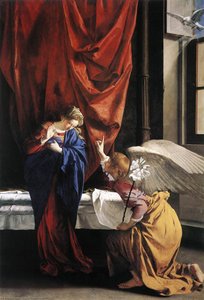
Visa i rummet
 Skicka
 Dela
Dela
 Detaljer
 Studentguide för konstverk

 Ladda ner
 Liknande objekt
 Röntgen
 Bildspel
 Besökstatistik
Lot and His Daughters
 Acrylic On Canvas
- WallArt
- Baroque Painting
 1622
1622 164.0 x 193.0 cm
 Staatliche Museen zu Berlin
 Läs mer
Giclée / Konsttryck
Giclée- eller canvasprint av museumskvalitet med snabb produktion och flexibla ytbehandlingsalternativ. ( Köp handmålat konstverk Byt till digital bildförsäljning)




P118B $10

P118H $10

P118W $10

P438Z $10

P508JH $12

P508YH $12

P805H $10

P805Z $10

P919BZ $10

P919G $10

P919XJ $10

P959ZH $10

P968JZ $12

W106C $8

W218G $10

W218JH $8

W218Y $10

W307PJ $10

W316G $10

W316PJ $8

W316Y $10

W398PJ $8

W4111J $10

W500HY $15

W500JH $15

W692G $12

W849H $8

W940BG $15

W953PJ $8




Välj bland våra förinställda storlekar som motsvarar konstverkets ursprungliga proportioner.

Du kan ange egna mått för att passa en specifik ram eller yta. Om det valda måttet inte överensstämmer med originalbildens proportioner kommer vi antingen att beskära konstverket eller utöka bilden med en speglad eller enfärgad kant. En digital mockup skickas för ditt godkännande innan produktionen påbörjas.
Vänligen notera att förhandsvisningen på skärmen inte återspeglar den faktiska beskärningen eller utökningen. Endast mockuppen visar den slutgiltiga kompositionen korrekt.
Även om anpassade storlekar är möjliga, rekommenderar vi att du väljer ett mått från den fördefinierade listan för att bevara de ursprungliga proportionerna.
Leverans över hela världen () på 2 veckor istället för standard 4/5 veckor. (26 september)

Fri expressfrakt över hela världen

Högkvalitativ linnecanvas

Fullständig fraktförsäkring

Garantier för återbetalning av tullavgifter

Garantier för exakt färgåtergivning

100 dagars returrätt vid fabrikationsfel

100% pengarna tillbaka-garanti

Mängdrabatt erbjuds
 Glasalternativet är endast tillgängligt i storlekar under 110 cm.

Lot and His Daughters
Giclée / Konsttryck
Reproduktionsstorlek
-


Totalpris
$ 80
Orazio Gentileschi’s “Lot and His Daughters”: A Descent Into Shadow and Hope
“Lot and His Daughters,” painted in 1622 by the Florentine artist Orazio Gentileschi, is not merely a biblical depiction; it's a profound meditation on survival, transgression, and the unsettling beauty of human resilience. This monumental canvas, now residing within the Getty Museum’s collection in Los Angeles, immediately commands attention with its dramatic chiaroscuro – a masterful deployment of light and shadow that plunges the scene into an atmosphere both terrifying and strangely alluring. The painting captures a pivotal moment from Genesis: Lot, fleeing the destruction of Sodom and Gomorrah, offers his two daughters as a desperate measure to perpetuate their lineage in a world consumed by divine wrath.
Gentileschi’s style at this period represents a fascinating synthesis of influences. He inherited the meticulous detail and compositional rigor from his father, Orazio Lomi, who had been trained under Cola dell'Amata and Francesco da Sangallo. However, Gentileschi embraced the revolutionary naturalism championed by Caravaggio, adopting his penchant for painting directly from life, eschewing idealized forms in favor of a raw, almost brutal realism. This is evident in the faces of Lot’s daughters – not delicate beauties, but young women hardened by circumstance and bearing an unsettling intensity. Their postures are subtly suggestive, hinting at the desperate measures they've undertaken without resorting to overt sensuality.
The Composition: A Dance of Darkness and Revelation
The composition itself is a carefully orchestrated drama. The foreground is dominated by the three women – Lot’s daughters – huddled together on the ground, their backs turned towards the viewer, creating an immediate sense of intimacy and vulnerability. Their shared predicament binds them in a silent pact. Behind them, shrouded in shadow, stands Lot, his face etched with despair and resignation. Crucially, the eye is drawn to the distant horizon where the fiery devastation of Sodom and Gomorrah – rendered in vibrant reds and oranges – serves as a constant, terrifying reminder of their perilous situation. The use of tenebrism, characteristic of Caravaggio’s style, intensifies this sense of drama, highlighting key figures while plunging the rest of the scene into darkness.
The artist skillfully employs atmospheric perspective to create depth and distance. The distant city is rendered in muted tones, emphasizing its remoteness and the overwhelming scale of the impending catastrophe. The subtle variations in color and texture – from the rough earth beneath the women’s feet to the shimmering heat haze above the ruined cities – contribute to a remarkably convincing sense of realism. Gentileschi's attention to detail extends to the smallest elements, such as the folds of their clothing and the expressions on their faces, further enhancing the painting’s emotional impact.
Symbolism and Interpretation: Incest, Survival, and Divine Judgment
“Lot and His Daughters” is laden with symbolic meaning. The offering of the daughters represents a desperate attempt to defy divine judgment – a primal act of survival rooted in the instinct to perpetuate one’s lineage. The subsequent incestuous union, though unsettling, becomes a potent symbol of humanity's tenacity in the face of annihilation. It speaks to the lengths to which people will go to ensure their species continues, even at the cost of violating moral boundaries.
However, the painting is not simply a tale of transgression. The distant flames of Sodom and Gomorrah serve as a constant reminder of divine wrath – a judgment that underscores the wickedness of the cities and highlights the precariousness of human existence. The painting’s enduring power lies in its ability to grapple with complex themes of morality, survival, and the consequences of sin. It's a haunting meditation on humanity's capacity for both destruction and resilience.
A Legacy of Baroque Drama
Orazio Gentileschi’s “Lot and His Daughters” stands as a testament to his artistic skill and his mastery of the Baroque style. It exemplifies the period’s fascination with dramatic lighting, intense emotion, and complex narratives. The painting's influence can be seen in subsequent works by artists such as Artemisia Gentileschi, who further developed the themes of female strength and resilience within the context of biblical stories. Today, “Lot and His Daughters” continues to captivate viewers with its powerful imagery and profound exploration of human nature – a timeless masterpiece that speaks to our deepest fears and aspirations.
Om konstnären
A Tuscan Dawn: The Life and Art of Orazio Gentileschi
Born in 1563 amidst the rolling hills of Tuscany, Orazio Gentileschi embarked on a journey that would see him become a pivotal figure in the transition from Mannerism to Baroque painting. Initially known as Orazio Lomi, he gravitated towards Rome, then the epicenter of artistic innovation, where he honed his skills within the workshops of Cola dell’Amata and absorbed the architectural sensibilities of Francesco da Sangallo. These early influences instilled in him a meticulous attention to form and composition, characteristics that would remain hallmarks of his style even as it dramatically evolved. Gentileschi’s initial work often involved contributing figures to larger decorative schemes conceived by other artists – a formative experience that taught him collaboration and adaptability, yet also hinted at a burgeoning ambition for independent expression. He began his career assisting in the creation of elaborate frescoes and altarpieces, learning the intricacies of perspective, color theory, and the skillful rendering of human anatomy—skills he would later master with remarkable precision.Embracing the Shadow: Caravaggio's Influence and Artistic Development
The turn of the 17th century marked a turning point in Gentileschi’s artistic trajectory. The revolutionary naturalism of Caravaggio burst onto the Roman art scene, challenging established conventions with its dramatic use of light and shadow – *tenebrism* – and unflinching realism. Gentileschi was profoundly affected by this seismic shift, adopting elements of Caravaggio's style into his own work. However, he wasn’t merely an imitator; rather, he filtered Caravaggio’s innovations through his existing artistic sensibilities. While retaining the dramatic intensity, Gentileschi softened the harshness of Caravaggio’s *tenebrism*, introducing a lighter palette and a more refined approach to detail. This resulted in paintings that possessed both emotional power and elegant grace – a unique synthesis that distinguished him from his contemporaries. Biblical scenes and mythological narratives became frequent subjects, allowing Gentileschi to explore themes of faith, heroism, and human vulnerability with compelling visual storytelling. His compositions often featured dynamic diagonals and swirling drapery, creating a sense of movement and drama—a hallmark of the Baroque style.A Courtly Wanderer: From Paris to London
Gentileschi’s artistic reputation extended beyond Italy's borders. His talent attracted the patronage of powerful figures, leading him on a peripatetic journey through Europe. He spent time at the court of Marie de' Medici in Paris, where his refined style resonated with the Queen’s taste for elegance and sophistication. This period saw a further evolution in his work, characterized by increasingly elaborate compositions and a heightened sense of decorum. He became known for his ability to capture the nuances of aristocratic life—portraits that revealed not only physical likeness but also personality and social standing. However, it was his invitation to England in 1626 that would define the final chapter of his career. Appointed court painter to Charles I, Gentileschi became one of the first major exponents of Caravaggism in Britain, significantly influencing the development of English Baroque painting. He undertook ambitious projects, including a series of ceiling paintings for Greenwich Palace (now Marlborough House), showcasing his mastery of large-scale decorative schemes and solidifying his position as a leading artist of his time. His work during this period often reflected the grandeur and formality of the English court, blending Italian artistic traditions with British sensibilities.Key Works and Artistic Style
Gentileschi’s oeuvre is characterized by a remarkable versatility—a mastery of both narrative and portraiture. His paintings frequently depict scenes from the Bible, classical mythology, and allegorical subjects, each imbued with a profound sense of drama and emotion. Notable works include “Danae,” a powerful depiction of Zeus's abduction of the mythological queen, and "The Annunciation," showcasing his skill in capturing delicate gestures and expressions. His style is often described as Baroque, yet it retains elements of Mannerism—a testament to his artistic evolution. He was particularly adept at using *chiaroscuro* – the dramatic contrast between light and dark – to create a sense of depth and volume, drawing the viewer’s eye to key figures within the composition. His use of color was vibrant and rich, often employing warm tones to evoke feelings of passion and intensity.- Major Works: “Danae”, "The Annunciation", “Judith and Holofernes”
- Key Influences: Mannerism, Caravaggio, Francesco da Sangallo
- Artistic Style: Baroque, Dramatic compositions, Bright colors, *Chiaroscuro*
Legacy and Lasting Impact
Orazio Gentileschi’s contributions to the world of art are multifaceted. He bridged the gap between Mannerism and Baroque, absorbing the innovations of Caravaggio while forging his own distinctive style. His use of vibrant colors, dramatic compositions, and refined technique influenced a generation of artists across Europe. He was instrumental in introducing Caravaggism to England, leaving an indelible mark on the artistic landscape there. But perhaps his most enduring legacy lies in his daughter, Artemisia Gentileschi. Trained in her father’s studio, she emerged as one of the most celebrated female painters of the Baroque era, carrying forward the family's artistic tradition and achieving renown in her own right. Today, Gentileschi’s works are held in prestigious museums and galleries worldwide – from the Uffizi Gallery in Florence to the Accademia Gallery in Venice – testaments to his enduring brilliance and lasting impact on the history of art. His paintings continue to captivate viewers with their emotional depth, technical virtuosity, and timeless beauty.
Orazio Gentileschi
1563 - 1639 , Italien
Snabbfakta
- Artistic Movement Or Style: Barock, Caravaggism
- Artists Or Movements Influenced By This Artist:
- Mannerism
- Toscana
- Artists Who Influenced This Artist:
- Caravaggio
- Francesco da Sangallo
- Date Of Birth: 1563
- Date Of Death: 1639
- Full Name: Orazio Gentileschi
- Nationality: Italienare
- Notable Artworks:
- Danae
- Annunciation
- Jungfru Maria
- Place Of Birth: Toscana, Italien
Relaterade artiklar
Cecco del Caravaggio: Rediscovering the Shadowy Genius of Francesco Buoneri
Explore the captivating world of Cecco del Caravaggio (Francesco Buoneri), a pivotal Baroque artist. Discover his dramatic realism, mysterious life, and lasting legacy with OriginalUniqueArt's expert analysis.
Barockens Mästerverk: Topp 10 målningar som definierade epoken – OriginalUniqueArt.se
Upptäck barockens 10 mest ikoniska målningar! Lär känna Karavaggio, Rembrandt och Rubens – deras teknik & berättelser. Köp museumkvalitativa reproduktioner och hitta inspiration till din inredning på OriginalUniqueArt.com.

Illuminating Faith: Biblical Narrative & Artistic Expression Through the Ages
Explore the rich history of biblical art from Giotto to the Renaissance masters with OriginalUniqueArt. Discover symbolism, techniques & enduring legacies. Museum-quality reproductions & expert insights.

Caravaggio's Revolutionary Realism: A Study of Light, Shadow, and the Human Condition
Explore the revolutionary realism of Caravaggio! Discover his mastery of light & shadow (tenebrism), dramatic religious scenes, and lasting influence on Baroque art history. A comprehensive guide for art enthusiasts.

Beyond the Shadows: The Powerful Legacies of Artemisia Gentileschi and Berthe Morisot
Explore the profound legacies of Artemisia Gentileschi and Berthe Morisot. Discover how these female masters redefined the Baroque and Impressionist eras through dramatic chiaroscuro and luminous light in this expert art-history guide for collectors and enthusiasts.