

 Skicka
 Dela
Dela
 Detaljer
 Studentguide för konstverk

 Ladda ner
 Liknande objekt
 Bildspel
 Besökstatistik
Thomas Fenton


 Läs mer
Handgjord oljereproduktion
Handmålad olja på duk i din valda storlek och ram, tillverkad efter beställning av våra konstnärer. ( Byt till tryckta exemplar Byt till digital bildförsäljning)




































Välj bland våra förinställda storlekar som motsvarar konstverkets ursprungliga proportioner.

Du kan ange egna mått för att passa en specifik ram eller yta. Om den valda storleken inte matchar originalbildens proportioner kommer vi antingen att beskära konstverket eller utöka målningen med ytterligare handmålade element. En digital skiss skickas till dig för godkännande innan produktionen påbörjas.
Observera att förhandsvisningen på skärmen inte återspeglar den faktiska beskärningen eller utökningen. Endast skissen visar den slutgiltiga kompositionen korrekt.
Även om anpassade storlekar är möjliga, rekommenderar vi att du väljer en dimension från den fördefinierade listan för att bevara originalproportionerna.
Efter beställning kommer OriginalUniqueArt.com team att mejla kunden för instruktioner och tillhandahålla en skissförhandsvisning
Leverans över hela världen () på 3–4 veckor istället för standard 5 veckor. (26 september). Inga kompromisser med kvaliteten.

Fri expressfrakt över hela världen

Högkvalitativ linnecanvas

Fullständig fraktförsäkring

Garantier för återbetalning av tullavgifter

Garantier för exakt färgåtergivning

100 dagars returrätt vid fabrikationsfel

100% pengarna tillbaka-garanti

Mängdrabatt erbjuds
 Glasalternativet är endast tillgängligt i storlekar under 110 cm.

Thomas Fenton
Tryckteknik
Reproduktionsstorlek
-


Totalpris
$ 300
Thomas Fenton by Olin Levi Warner: A Portrait of Quiet Contemplation
“Thomas Fenton,” sculpted by Olin Levi Warner in 1878, is a remarkable plaster sculpture housed within the Smithsonian American Art Museum's esteemed collection. This piece exemplifies Warner’s mastery of classical sensibilities and his keen eye for capturing nuanced human expression. It offers viewers a glimpse into late 19th-century portraiture and the artistic skill of a prominent American sculptor.
The Artist: Olin Levi Warner
Olin Levi Warner (1844-1896) was an American sculptor who honed his craft through rigorous training in Paris at the École des Beaux-Arts. He studied under François Jouffroy and served as an assistant to the renowned Jean-Baptiste Carpeaux, absorbing invaluable techniques and artistic philosophies. Returning to America, Warner established himself as a leading figure in the art scene, founding the Society of American Artists and becoming an associate of the National Academy of Design. His work is characterized by its classical influences, restrained style, and exceptional attention to detail, all evident in “Thomas Fenton.” Warner’s later years were marked by a dedication to capturing Native American subjects, further demonstrating his artistic range.
A Detailed Examination of "Thomas Fenton"
The sculpture depicts a man with a distinguished appearance – a beard and spectacles suggest intellect and perhaps age. Warner masterfully captures a sense of quiet contemplation in the subject’s expression. The level of detail is striking; one can almost feel the texture of the hair and skin through the artist's skillful rendering. Key features include:
- Material: Plaster
- Date: 1878
- Collection: Smithsonian American Art Museum
- Style: Classical Realism
The sculpture’s composition is simple yet effective, focusing entirely on the head and shoulders of the subject. This allows for a concentrated exploration of facial features and expression, creating an intimate connection between the viewer and the portrayed individual.
Symbolism and Emotional Impact
"Thomas Fenton" transcends mere representation; it evokes a sense of dignity, introspection, and perhaps even melancholy. The man’s gaze suggests deep thought, inviting viewers to ponder his story and inner world. Portraiture in this era often served as a means of commemorating individuals and preserving their memory for posterity. Warner's skill elevates "Thomas Fenton" beyond a simple likeness; it becomes a poignant reflection on the human condition.
Reproductions and Legacy
For those who appreciate the beauty and historical significance of “Thomas Fenton,” OriginalUniqueArt.com offers meticulously crafted, handmade oil painting reproductions. These reproductions allow art enthusiasts to experience Warner’s artistry in their own homes while preserving the integrity of the original artwork. The Smithsonian American Art Museum diligently conserves "Thomas Fenton," ensuring its preservation for future generations. Olin Levi Warner's legacy continues through his impactful sculptures, including this compelling portrait that exemplifies classical realism and artistic excellence.
Om konstnären
Skulptören av skuggor och ljus: Olin Levi Warners liv
I det sena 1800-talets amerikanska skulpturhistoria finns få namn som frammanar den känsliga balansen mellan klassisk storslagenhet och intim realism så gripande som Olin Levi Warner. Warner föddes 1844 i den stillsamma staden Suffield, Connecticut, och bar med sig en känsza av historiskt arv genom sin släktlinje, som ättling till revolutionskrigshjälten Seth Warner. Denna förfäderliga koppling till amerikansk legend kan ha förutbestämt hans livslånga hängivelse till minneskonsten. Innan han någonsin förde en mejsel mot marmor eller brons, var Warners händer bekanta med den moderna tidens praktiska realiteter; hans tidiga år som hantverkare och telegrafist gav honom en unik och disciplinerad precision – en teknisk fingerfärdighet som senare skulle definiera den minutiösa detaljrikedomen i hans skulpturala mästerverk.
Warners livsbana förändrades oåterkalleligt 1869 när han sökte efter Europas konstnärliga själ. Vid ankomsten till Paris fördjupade han sig i den rigorösa akademiska atmosfären vid École nationale supérieure des beaux-arts. Under François Jouffroys vägledning började Warner bemästra den klassiska formens språk, men det var hans samröre med den legendariske Jean-Baptiste Carpeaux som verkligen tände hans kreativa gnista. Från Carpeaux lärde sig Warner att injicera den akademiska skulpturens stela traditioner med en känsla av vitalitet och rörelse, ett stilistiskt kännetecken som gjorde det möjligt för honom att fånga inte bara ett motivs likhet, utan dess själva essens. Inte ens turbulensen under det fransk-preussiska kriget kunde avbryta hans konstnärliga utveckling; efter att ha trätt in i den franska legionen kom han ur konflikten med en fördjupad beslutsamhet att föra de sofistikerade nyanserna från den franska skulpturen tillbaka till amerikansk jord.
Ett arv i basrelief och brons
När Warner återvände till New York 1872 etablerade han sig som en pionjär inom ett specifikt och fängslande medium: det lågreliefformade porträttmedaljongen. Medan många av hans samtida fokuserade på den monumentala skalan hos stora statyer, fann Warner ett djupt uttryck i reliefarbetets grunda och eleganta konturer. Hans förmåga att manipulera ljus och skugga över ytor av brons och gips gjorde det möjligt för honom att skapa porträtt som kändes både tidlösa och intensivt personliga. Denna mästerskap är kanske tydligast i verk som "Thomas Fenton," en gipsskulptur från 1878 som uppvisar hans otroliga förmåga att återge nyanserade mänskliga uttryck, där han fångar en känsla av stillsam, intellektuell kontemplation genom de subtila texturerna i hår och hud.
Warners konstnärliga repertoar var långt ifrån enformig. Trots att han var en mästare inom det nyklassiska, avslöjade hans senare utforskningar en djup empati för den mångfald som utgjorde den amerikanska erfarenheten. Hans expeditioner till Northwest Territory ledde till en förvandlande fascination för ursprungsbefolkningens kultur. Denna period resulterade i några av hans mest gripande prestationer, däribild annat bronsreliefen från 1891 föreställande hövding Ya Tin Ee Ah Witz från Cayuse-folket. I dessa verk gick Warner bortom ren dokumentation; han använde sin förfinade teknik för att skänka en känsla av värdighet, högtidlighet och historisk beständighet åt sina motiv, och överbryggade därmed klyftan mellan den klassiska europeiska traditionen och den råa, kraftfulla verkligheten vid den amerikanska gränsen.
Konstnärlig förnämlighet och historisk betydelse
Olin Levi Warners betydelse sträcker sig långt bortom de fysiska föremål han lämnade efter sig. Han var en grundläggande gestalt i institutionaliseringen av amerikansk konst och spelade en avgörande roll i etablerandet av professionella konstnärliga gemenskaper. Hans bidrag till följande organisationer befäste hans status som en ledare för sin generation:
- The Society of American Artists: Som grundare av denna inflytelserika grupp 1877 hjälpte Warner till att skapa en plattform där konstnärer kunde röra sig bortom konservativa begränsningar och omfamna mer moderna, uttrycksfulla stilar.
- The National Academy of Design: Hans anknytning till denna prestigefyllda institution speglade hans ställning bland de främsta utövarna inom amerikansk skulptur.
Trots att hans liv avbröts 1896, förblir Warners avtryck etsat i brons och gips i världens mest ansedda samlingar, däribland Smithsonian American Art Museum och The Walters Art Museum. Han förblir en central gestalt som framgångsrikt lyckades översätta de sofistikerade teknikerna från den franska Beaux-Arts-traditionen till ett unikt amerikanskt skulpturalt språk – ett språk som hedrade det förflutna genom porträttmedaljongens minutiösa skönhet, samtidigt som det blickade framåt mot en mer realistisk och inkluderande representation av mänskligheten.
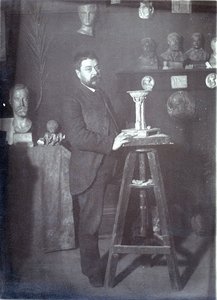
Olin Levi Warner
1844 - 1896 , USA
Snabbfakta
- Artistic Movement Or Style: Basreliefskulptur
- Artists Or Movements Influenced By This Artist: ['Neoklassicism']
- Artists Who Influenced This Artist: ['Jean-Baptiste Carpeaux']
- Date Of Birth: Suffield, USA
- Date Of Death: 1896
- Full Name: Olin Levi Warner
- Nationality: Amerikansk
- Notable Artworks:
- Thomas Fenton
- Porträtt av en man
- Place Of Birth: Connecticut
Relaterade artiklar

10 Bronsskulpturer Som Förändrade Konsthistorien – Upptäck Mästerverken
Utforska 10 legendariska bronsmästerverk som revolutionerade konsten! Lär känna Michelangelo, Rodin och andra ikoniska skulptörer. Hitta inspiration & museumskvalitativa konsttryck på OriginalUniqueArt.com – för en tidlös inredning.

The Enduring Form: Sculpture Across History, Technique & Emotional Resonance
Explore the rich history of sculpture with OriginalUniqueArt. Discover key techniques, influential artists & investment potential for discerning collectors. Expert insights into valuing and collecting timeless masterpieces.

The Enduring Form: Exploring Themes & Techniques in Sculpture Across Historical Periods
Explore the rich history of sculpture from ancient masterpieces to contemporary innovations. Discover key techniques, influential artists & investment potential for discerning art collectors.

Bronsålderns Mästerverk: 10 Skulpturer Som Förändrade Konsthistorien | OriginalUniqueArt
Upptäck 10 legendariska brons skulpturer som revolutionerade konsthistorien! Lär känna Rodin, Michelangelo och andra mästare. Köp museumkvalitativa repliker & hitta inspiration för din inredning på OriginalUniqueArt.com.
Paul Manship: Reassessing the Master of American Art Deco Sculpture
Explore the captivating world of Paul Manship, a leading figure in American Art Deco sculpture. Discover his iconic works like Prometheus, influence on modernism, and investment potential. Expert insights for collectors.