

 Visa i rummet
 Skicka
 Dela
Dela
 Detaljer
 Studentguide för konstverk

 Ladda ner
 Liknande objekt
 Röntgen
 Bildspel
 Besökstatistik
Landscape


 Läs mer
Handgjord oljereproduktion
Handmålad olja på duk i din valda storlek och ram, tillverkad efter beställning av våra konstnärer. ( Byt till tryckta exemplar Byt till digital bildförsäljning)




P118B Skr10

P118H Skr10

P118W Skr10

P438Z Skr10

P508JH Skr12

P508YH Skr12

P805H Skr10

P805Z Skr10

P919BZ Skr10

P919G Skr10

P919XJ Skr10

P959ZH Skr10

P968JZ Skr12

W106C Skr8

W218G Skr10

W218JH Skr8

W218Y Skr10

W307PJ Skr10

W316G Skr10

W316PJ Skr8

W316Y Skr10

W398PJ Skr8

W4111J Skr10

W500HY Skr15

W500JH Skr15

W692G Skr12

W849H Skr8

W940BG Skr15

W953PJ Skr8




Välj bland våra förinställda storlekar som motsvarar konstverkets ursprungliga proportioner.

Ange den bredd och höjd du behöver för att passa din ram eller din vägg. Eftersom detta är handmålat kan konstnären vid en annan form måla lite mer runt bilden eller beskära den något – du väljer själv. Vi skickar en digital mockup för godkännande innan målningen påbörjas. Bilden som visas på denna sida representerar inte det slutgiltiga resultatet — det är endast mockuppen som visar det.
Efter beställning kommer OriginalUniqueArt.com team att mejla kunden för instruktioner och tillhandahålla en skissförhandsvisning
Leverans över hela världen () på 3–4 veckor istället för standard 5 veckor. (22 oktober). Inga kompromisser med kvaliteten.

Fri expressfrakt över hela världen

Högkvalitativ linnecanvas

Fullständig fraktförsäkring

Garantier för återbetalning av tullavgifter

Garantier för exakt färgåtergivning

100 dagars returrätt vid fabrikationsfel

100% pengarna tillbaka-garanti

Mängdrabatt erbjuds
 Glasalternativet är endast tillgängligt i storlekar under 110 cm.

Landscape
Tryckteknik
Reproduktionsstorlek
-


Totalpris
Skr 2950
Nicolas de Largillière’s “Landscape”: A Symphony of Light and Tranquility
The world of 17th-century French portraiture is often associated with opulent formality, yet within this tradition flourished a remarkable vein of serene landscapes – paintings that offered a respite from the constraints of courtly life. Nicolas de Largillière’s “Landscape,” painted around 1680, stands as a prime example of this quieter, more contemplative style, capturing not just a visual scene but also an atmosphere of profound peace and timeless beauty. It's a work that invites the viewer to step into its verdant depths and lose themselves in the gentle rhythms of nature.
Largillière’s approach diverges significantly from the dramatic, theatrical landscapes favored by some contemporaries. Instead, he presents a scene imbued with an understated elegance, prioritizing subtle details and a masterful manipulation of light. The composition is carefully balanced, drawing the eye through a winding path that leads into the heart of a densely wooded area. The foreground, dominated by a modest track, establishes a sense of intimacy, while the middle ground reveals a tapestry of trees – oaks, birches, and pines – rendered with meticulous attention to texture and form. The background fades gently into a hazy distance, suggesting an expansive horizon without overwhelming the viewer.
A Masterclass in Light and Shadow
What truly elevates “Landscape” is Largillière’s extraordinary command of light. He doesn't employ harsh contrasts or dramatic highlights; rather, he utilizes a diffused, almost ethereal illumination that permeates the entire scene. Sunlight filters through the canopy, casting dappled patterns on the forest floor and creating an interplay of light and shadow that breathes life into every leaf and branch. This delicate handling of chiaroscuro – the contrast between light and dark – is not merely decorative; it’s fundamental to the painting's emotional impact, lending a sense of depth, volume, and realism to the landscape.
The artist’s technique is remarkably refined. Largillière employs a loose, expressive brushstroke, particularly in depicting the foliage, which appears almost luminous. He builds up layers of color with subtle gradations, creating a rich tapestry of greens, browns, and yellows that evoke the changing seasons. The trees themselves are not sharply defined but rather suggested through carefully placed dabs of paint, conveying their form and texture without resorting to overly detailed rendering. This approach aligns perfectly with the prevailing Baroque aesthetic, prioritizing atmosphere and feeling over strict realism.
Symbolism and a Moment of Reflection
While Largillière’s landscapes are often characterized by their serene beauty, they also carry subtle symbolic weight. The winding path invites contemplation and suggests a journey – perhaps not just through the physical landscape but also through life itself. The dense forest can be interpreted as representing the complexities of nature, while the open spaces symbolize freedom and possibility. The painting’s overall mood is one of quiet reflection, encouraging the viewer to pause and appreciate the simple pleasures of the natural world.
Considering Largillière's background in portraiture, it’s intriguing to note how he translated his skills of capturing likeness and personality into this genre. The landscape isn’t merely a backdrop; it feels inhabited, imbued with a sense of stillness and tranquility that mirrors the contemplative nature of portraiture. The painting subtly evokes a feeling of escape – a momentary retreat from the pressures of daily life.
A Timeless Appeal
“Landscape” by Nicolas de Largillière is more than just a beautiful depiction of a forest scene; it’s a testament to the artist's skill, sensitivity, and profound understanding of light and atmosphere. Its enduring appeal lies in its ability to transport the viewer to a place of peace and tranquility, reminding us of the restorative power of nature. Reproductions of this remarkable work offer a chance to bring this serene vision into any space, fostering a sense of calm and contemplation – a valuable addition to any collection or interior design.
Frågor och svar
Vilken underliggande nyans genomsyrar "Landscape" av Nicolas de Largillierre?
En Amber to Saffron nyans går igenom "Landscape" av Nicolas de Largillierre.
Var placerar sig "Landscape" i förhållande till Nicolas de Largillierres samlade konstnärskap?
"Landscape" delar med Nicolas de Largillierres övriga verk sin Baroque Portraiture-stil och de återkommande temana: flemish landscape tradition, french courtly portraiture, baroque light and shadow, genre scenes, everyday life, refined elegance, social status.
Hur förhåller sig motivet i "Landscape" till Nicolas de Largillierres vanliga teman?
Nicolas de Largillierres återkommande teman inkluderar flemish landscape tradition, french courtly portraiture, baroque light and shadow, genre scenes, everyday life, refined elegance, social status; "Landscape" fokuserar på landscape, forest, path, trees, sky, tranquility, composition.
Om konstnären
A Parisian Life in Portraiture
Nicolas de Largillière, a name inextricably linked to the elegance and refinement of French Baroque portraiture, was born into a bustling commercial world in Paris in 1656. His father, a hatmaker, moved the family to Antwerp when Nicolas was just three years old, a pivotal relocation that would profoundly shape his artistic trajectory. This early immersion in the vibrant art scene of Antwerp—a center for Flemish painting—laid the groundwork for his future endeavors, exposing him to the rich traditions and techniques that would later inform his own distinctive style. Though initially destined for commerce, Largillière’s innate artistic inclination led him away from the family trade and toward a life dedicated to capturing the likenesses of those around him. A brief sojourn in London followed, where he absorbed the nuances of portraiture under prominent artists before returning to Antwerp and briefly studying with Anton Goubau. It was his four-year apprenticeship under Sir Peter Lely at Windsor, however, that truly solidified his artistic foundation, instilling a meticulous attention to detail and a skillful rendering of textures that would become hallmarks of his work. The political turmoil surrounding the Rye House Plot ultimately prompted Largillière’s return to Paris, a move that would define his career and establish him as one of the leading portraitists of his era. Largillière's artistic journey began amidst the burgeoning Baroque movement, inheriting influences from masters like Rubens and Van Dyck—artists who championed dramatic lighting and opulent compositions. These formative experiences instilled in him a deep understanding of classical ideals and a commitment to achieving unparalleled realism. He wasn’t merely striving for accurate representation; he sought to convey not just physical appearance but also character and social standing, recognizing the importance of portraiture as a medium for self-expression and social commentary. His early works demonstrated an impressive command of technique—particularly in capturing subtle nuances of expression and conveying psychological depth—skills honed during his apprenticeship with Sir Peter Lely, whose studio at Windsor served as a crucible for artistic innovation. This period cemented Largillière’s stylistic sensibilities and established him as a disciple of the foremost portraitist of his time.Ascension within the Parisian Art World
Largillière swiftly ascended to prominence in Paris's artistic circles, attracting the patronage of nobility and the burgeoning merchant class. His ability to capture not merely physical resemblance but also character and status proved immensely appealing to those desiring to immortalize themselves for posterity. He quickly gained recognition as a master craftsman, meticulously blending classical principles with Baroque dynamism—a hallmark of his distinctive style. The Academy’s appointment in 1686 marked a pivotal moment, signifying validation from the established artistic elite and unlocking doors to commissions and prestige. This achievement wasn't merely symbolic; it underscored Largillière’s unwavering dedication to his craft and elevated him to the ranks of France’s most celebrated artists. He became known for orchestrating complex group portraits with remarkable skill—as exemplified by *The Royal Family Portrait* (1709)—a monumental work showcasing his mastery of composition and ability to convey individual personalities within a cohesive whole. This portrait, depicting Louis XIV alongside Madame de Ventadour and his grandchildren, remains an iconic representation of royal grandeur and artistic achievement. Largillière’s oeuvre encompasses a diverse range of subjects—from portraits of monarchs and aristocrats to depictions of biblical scenes and mythological narratives—demonstrating his versatility as an artist. However, it was his unwavering focus on portraiture that cemented his legacy as one of the most influential figures in French Baroque art. His meticulous attention to detail—particularly in capturing textures and conveying psychological depth—established him as a pioneer of realism and a champion of expressive portraiture. He skillfully employed chiaroscuro—the dramatic interplay of light and shadow—to sculpt form and imbue his subjects with palpable emotion, techniques perfected during his formative years under Sir Peter Lely’s tutelage. His portraits are not merely representations of individuals; they are windows into their souls—capturing fleeting expressions of thought and feeling with breathtaking precision.Mastery of Style and Technique
Largillière's artistic style is characterized by an exquisite blend of realism, elegance, and meticulous attention to detail. He possessed a remarkable skill in manipulating light and shadow to create depth and dimension, bringing his subjects vividly to life on the canvas. His compositions were often carefully structured, reflecting a Renaissance sensibility while incorporating the dynamism of the Baroque period. Later in his career, he developed a distinctive pose—often featuring sitters with spread fingers subtly concealing a letter or positioned against a Doric column—that became his signature style. This formula, while seemingly repetitive, allowed him to focus on the nuances of expression and the intricacies of costume and adornment. His dedication to capturing the textures of fabrics, the gleam of jewelry, and the subtle expressions on faces reveals a meticulous craftsman deeply committed to his art. He wasn’t simply recording appearances; he was delving into character, conveying status, and immortalizing his sitters for posterity. His enduring influence can be seen in subsequent generations of artists who embraced his stylistic innovations—particularly his masterful use of chiaroscuro and his penchant for capturing psychological depth. Largillière's legacy extends beyond his individual artworks; it resides in the foundational principles he instilled within the artistic tradition—a testament to his unwavering commitment to excellence and a cornerstone of French Baroque art history. He remains a symbol of artistic refinement and technical virtuosity, ensuring that his artistry continues to inspire admiration and scholarly study for centuries to come. Nicolas de Largillière’s contribution to the visual arts is undeniable – he elevated portraiture to new heights of sophistication and realism, shaping the course of French Baroque art history
Nicolas de Largillierre
1656 - 1746 , Frankrike
Snabbfakta
- Artistic Movement Or Style: Barock, Rokoko
- Artists Who Influenced This Artist:
- Peter Lely
- Anton Goubau
- Rubens
- Van Dyck
- Date Of Birth: 1656
- Date Of Death: 1746
- Full Name: Nicolas de Largillière
- Nationality: Fransk
- Notable Artworks:
- Selvporträtt (1707)
- Kunglig familjens porträtt
- Montausier porträtt
- Elevens porträtt
- Place Of Birth: Paris, Frankrike
Relaterade artiklar
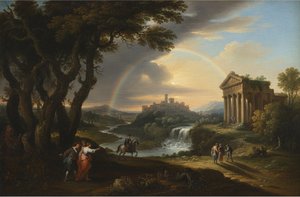
Shadow, Light, and Spectacle: The Dramatic Evolution of Baroque Landscape Painting
Explore the breathtaking drama of Baroque landscapes. Our expert guide delves into the interplay of light and shadow in 17th-century masterpieces. Discover art history and find museum-quality, hand-painted oil reproductions to bring classical grandeur to your home.

Drama in Nature: The Captivating Grandeur of Baroque Landscapes and the Art of Emotional Spectacle
Explore the breathtaking drama of Baroque landscapes. From Rubens's grand vistas to the mastery of chiaroscuro, discover how 17th-century artists transformed nature into a theatrical stage of emotion and light. A deep dive for true art enthusiasts.

Nature’s Sanctuary: Curating Enchanting Forest Artworks to Transform Your Home into a Serene Woodland Retreat
Transform your home into a serene woodland retreat with enchanting forest artworks. Discover museum-quality oil reproductions and custom landscape commissions designed to bring the peaceful beauty of nature indoors.

John Constables 25 Mästerverk: En Konstnärlig Resa i Det Engelska Landskapet | OriginalUniqueArt
Utforska John Constables 25 mest ikoniska målningar – romantikens mästare av det engelska landskapet. Upptäck historien, tekniken & skönheten i verk som 'Hay Wain'. Köp exklusiva konsttryck på OriginalUniqueArt.com.
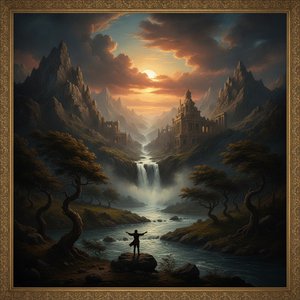
Epic Drama & Dark Vibes: The Ultimate Collector's Guide to Baroque Landscapes
Master the art of drama with our ultimate guide to Baroque landscapes. Discover the power of chiaroscuro, explore legendary masters, and learn how to curate epic, dark-vibe masterpieces for your collection with expert insights from OriginalUniqueArt.