

 Visa i rummet
 Skicka
 Dela
Dela
 Detaljer
 Studentguide för konstverk

 Ladda ner
 Liknande objekt
 Röntgen
 Bildspel
 Besökstatistik
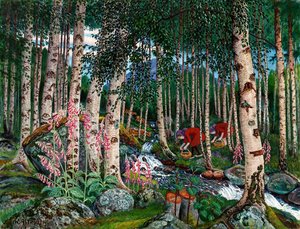
Gethsemane
 Oil On Board
- Neo-Romanticism
 1926
1926- Modern
 42.0 x 32.0 cm
 Bergen Kunstmuseum
 Läs mer
Giclée / Konsttryck
Giclée- eller canvasprint av museumskvalitet med snabb produktion och flexibla ytbehandlingsalternativ. ( Köp handmålat konstverk Byt till digital bildförsäljning)




P118B Skr10

P118H Skr10

P118W Skr10

P438Z Skr10

P508JH Skr12

P508YH Skr12

P805H Skr10

P805Z Skr10

P919BZ Skr10

P919G Skr10

P919XJ Skr10

P959ZH Skr10

P968JZ Skr12

W106C Skr8

W218G Skr10

W218JH Skr8

W218Y Skr10

W307PJ Skr10

W316G Skr10

W316PJ Skr8

W316Y Skr10

W398PJ Skr8

W4111J Skr10

W500HY Skr15

W500JH Skr15

W692G Skr12

W849H Skr8

W940BG Skr15

W953PJ Skr8




Välj bland våra förinställda storlekar som motsvarar konstverkets ursprungliga proportioner.

Ange den bredd och höjd du behöver, för att passa din ram eller din vägg. Ett tryck kan endast beskäras, aldrig göras större än bilden, vilket innebär att ett format med en annan formform leder till att en del av bilden går förlorad. Vi skickar en digital mockup för godkännande innan vi trycker något. Bilden som visas på denna sida visar inte den faktiska beskärningen — det är endast mockuppen som gör det.
Leverans över hela världen () på 2 veckor istället för standard 4/5 veckor. (21 oktober)

Fri expressfrakt över hela världen

Högkvalitativ linnecanvas

Fullständig fraktförsäkring

Garantier för återbetalning av tullavgifter

Garantier för exakt färgåtergivning

100 dagars returrätt vid fabrikationsfel

100% pengarna tillbaka-garanti

Mängdrabatt erbjuds
 Glasalternativet är endast tillgängligt i storlekar under 110 cm.

Gethsemane
Giclée / Konsttryck
Reproduktionsstorlek
-


Totalpris
Skr 787
A Visionary Encounter in the Norwegian Garden
In the quiet, evocative depths of Nikolai Astrup’s 1926 masterpiece, Gethsemane, the boundaries between biblical history and the intimate landscapes of Norway begin to dissolve. While the title refers to the sacred garden in Jerusalem where Christ faced his darkest hour, Astrup performs a profound act of artistic localization. He transports this monumental moment of spiritual agony into the familiar, lush surroundings of the parsonage garden in Ålhus. This is not merely a religious illustration; it is a dreamlike fusion of the divine and the terrestrial. The viewer is invited into a space where the heavy atmosphere of the crucifixion narrative meets the verdant, mystical textures of the West Norwegian landscape, creating a scene that feels both ancient and deeply personal.
The composition breathes with a sense of quiet drama, capturing a moment of profound transition. As the eye wanders through the painting, one encounters a scene that oscillates between a somber historical event and a visionary hallucination. The presence of figures—some appearing caught in the weight of the narrative, others seemingly lost in a trance-like state—suggests a world where the veil between reality and the supernatural is perilously thin. This sense of mystery is heightened by the scattered birds that drift through the sky and perch upon the landscape, acting as silent witnesses to the unfolding drama. For the collector or designer, this piece offers more than just a subject; it offers an atmosphere of contemplative depth that can anchor a room with its soulful, introspective energy.
Technique and the Language of Light
Astrup’s technical mastery is evident in his use of oil on cardboard, a medium that allows for a rich, concentrated application of pigment. His style, rooted in Neo-Romanticism, eschews clinical realism in favor of an intense, emotive color palette. The textures are tactile and layered, reflecting the artist's lifelong obsession with the "visual language" of his homeland. He employs light not just to illuminate form, but to evoke mood; the shadows are deep and heavy, yet they are pierced by a spectral luminosity that suggests the presence of a divine vision. This interplay of light and shadow creates a rhythmic movement across the canvas, guiding the viewer through the dense foliage and toward the heart of the spiritual struggle.
The brushwork possesses a certain raw, organic vitality that mirrors the ruggedness of the Norwegian fjords. There is no sterile perfection here; instead, there is a deliberate, expressive quality that celebrates the natural world's untamed spirit. For those seeking to incorporate fine art into a sophisticated interior, a high-quality reproduction of Gethsemane provides a centerpiece of immense character. The painting’s ability to command attention through its complex textures and brooding tones makes it an ideal choice for spaces designed for reflection, such as libraries, study alcoves, or quiet sitting rooms where the interplay of history and nature can be fully appreciated.
A Legacy of Spiritual and National Identity
To understand Gethsemane is to understand Nikolai Astrup’s broader mission: to capture the very soul of Norway. By situating a universal Christian narrative within his own local topography, he elevates the Norwegian landscape to a stage for the eternal. This technique of "sacralizing" the everyday—turning a simple garden patch into a site of cosmic significance—is what makes his work so enduringly powerful. The painting serves as a bridge between the theological and the topographical, making the profound accessible through the familiar.
For the discerning art lover, owning a reproduction of this work is an opportunity to possess a fragment of this visionary legacy. It is a piece that invites continuous re-examination, revealing new layers of symbolism and emotion with every viewing. Whether one is drawn to its historical weight, its masterful use of color, or its ability to evoke the misty, magical atmosphere of a Norwegian night, Gethsemane remains a breathtaking testament to the power of art to transform the world we see into a world we feel.
Frågor och svar
Är "Gethsemane" av Nikolai Astrup i det fria (public domain), och varför?
Upphovsrättsläget för "Gethsemane" - allmän egendom – upphovsrätten har löpt ut - grundar sig på konstnärens dödsår 1928.
Vilka motiv förekommer i "Gethsemane" av Nikolai Astrup?
"Gethsemane" av Nikolai Astrup föreställer: biblical scene, religious, jesus christ, gethsemane, norway landscape, night scene, visionary.
Hur är "Gethsemane" placerad ur ett historiskt perspektiv?
Historiskt sett är "Gethsemane" ett Neo-Romanticism-verk från den bredare Modern-eran.
Om konstnären
Nikolai Astrup: En visionär från Vestlandet
Nikolai Astrup (1880–1928) står som en unik gestalt i den norska konsthistorien – en målare vars djupt kända koppling till landskapen och traditionerna i Vestlandet befäste hans plats bland sin tids mest särpräglade nyromantiska konstnärer. Astrup föddes i Bremanger, Sogn og Fjordane, och hans uppväxt bland karga fjordar och fridfulla dalar formade hans konstnärliga sinne på ett genomgripande sätt. Detta drev honom mot en stil kännetecknad av intensiva färgpaletter och en orubblig hängivenhet till att skildra vardagslivet på den norska landsbygden. Hans arv vilar inte enbart i estetiskt tilltalande dukar, utan även i hans banbrytande strävan efter att fånga ett nationellt ”visuellt språk” som frammanade traditionerna och folktron i hans hemland.- Tidigt liv och utbildning: Astrups formativa år präglades av den fromhet som hans far, Christian Astrup, en soknepräst, ingöt i honom, vilket uppmuntrade honom mot teologiska studier. Trots de inledande tendenserna mot prästämbetet ledde passionen för teckning och måleri honom slutligen att överge Trondheim katedralskola till förmån för konstnärliga strävanden i Kristiania (Oslo), där han förfinade sina färdigheter under Harriet Backers handledning.
- <Parisiala influenser: En kort vistelse i Paris exponerade Astrup för den framväxande avantgarderörelsen, vilket skapade kontakter med konstnärs kollegor som Christian Krohg och berikade hans förståelse för impressionistiska tekniker. Denna period befäste hans engagemang för experimentlusta och vidgade hans konstnärliga horisonter.
- <Återkomsten till Jølster och konstnärlig utveckling: När han återvände till sitt fädernehem i Jølster 1902, grundade Astrup ett hushåll centrerat kring sin hustru, Engel Sunde, med vilken han fick åtta barn. De ekonomiska svårigheterna i deras liv gav bränsle åt hans konstnärliga drivkraft och manade honom att helt fördjupa sig i skildringen av sin omgivning – ett landskap som fungerade som en evig källa till inspiration.
- <Betydelsefulla utställningar: Astrups konstnärliga rykte växte stadigt genom tre betydande utställningar i Kristiania (1905), Bergen (1908) och Oslo (1911). Dessa visningar vann kritiskt erkännande och etablerade honom som en ledande röst inom den norska konstscenen.
- <Stora prestationer och arv: Astrups bestående bidrag till norsk konst ligger i hans orubbliga strävan efter konstnärlig autenticitet – en hängivenhet att skildra skönheten och själen i Vestlandet med kompromisslös ärlighet. Hans målningar fortsätter att resonera än idag, som kraftfulla emblem för ett nationellt kulturarv och som förkroppsliganden av nyromantikens ideal.
Nikolai Astrup
1880 - 1928 , Norge
Snabbfakta
- Artistic Movement Or Style: Nyromantik
- Artists Or Movements Influenced By This Artist: ['Skandinavisk konst']
- Artists Who Influenced This Artist: ['Christian Krohg']
- Date Of Birth: 1880
- Date Of Death: 1928
- Full Name: Nikolai Johannes Astrup
- Nationality: Norsk
- Notable Artworks:
- Den ivrige friaren
- Nakna träd
- Flicka som spinner
- Place Of Birth: Bremanger, Norge
Relaterade artiklar

Johan Christian Dahl: Pioneering Norwegian Romantic Landscape Painting
Explore the life & art of Johan Christian Dahl, Norway's first great Romantic painter. Discover his iconic landscapes, cultural impact, and lasting legacy with OriginalUniqueArt.

Romantiska landskap: Topp 10 mästerverk som definierade en epok – OriginalUniqueArt.se
Utforska de 10 mest ikoniska mästerverken inom romantisk landskapsmålning! Lär känna Caspar David Friedrich, Turner & andra. Hitta inspiration och köp museumkvalitativa konsttryck på OriginalUniqueArt.com.

John Constables 25 Mästerverk: En Konstnärlig Resa i Det Engelska Landskapet | OriginalUniqueArt
Utforska John Constables 25 mest ikoniska målningar – romantikens mästare av det engelska landskapet. Upptäck historien, tekniken & skönheten i verk som 'Hay Wain'. Köp exklusiva konsttryck på OriginalUniqueArt.com.

Evocations of Place: A Historical Journey Through Landscape Art
Explore the rich history of landscape art with OriginalUniqueArt. Discover renowned artists, movements like Impressionism & Romanticism, and expert guidance for collecting timeless pieces. Find your perfect serene escape today!

The Sublime and the Picturesque: Exploring Emotion & Nature in Romantic Landscape Painting
Explore the emotional power of Romantic landscape painting! Discover the sublime & picturesque traditions, key artists like Friedrich & Cole, and find your perfect artwork at OriginalUniqueArt.