

 Skicka
 Dela
Dela
 Detaljer
 Studentguide för konstverk

 Ladda ner
 Liknande objekt
 Bildspel
 Besökstatistik
Sculptural vase with bridge handle


 Läs mer
Giclée / Konsttryck
Giclée- eller canvasprint av museumskvalitet med snabb produktion och flexibla ytbehandlingsalternativ. ( Köp handmålat konstverk Byt till digital bildförsäljning)




































Välj bland våra förinställda storlekar som motsvarar konstverkets ursprungliga proportioner.

Du kan ange egna mått för att passa en specifik ram eller yta. Om det valda måttet inte överensstämmer med originalbildens proportioner kommer vi antingen att beskära konstverket eller utöka bilden med en speglad eller enfärgad kant. En digital mockup skickas för ditt godkännande innan produktionen påbörjas.
Vänligen notera att förhandsvisningen på skärmen inte återspeglar den faktiska beskärningen eller utökningen. Endast mockuppen visar den slutgiltiga kompositionen korrekt.
Även om anpassade storlekar är möjliga, rekommenderar vi att du väljer ett mått från den fördefinierade listan för att bevara de ursprungliga proportionerna.
Leverans över hela världen () på 2 veckor istället för standard 4/5 veckor. (25 september)

Fri expressfrakt över hela världen

Högkvalitativ linnecanvas

Fullständig fraktförsäkring

Garantier för återbetalning av tullavgifter

Garantier för exakt färgåtergivning

100 dagars returrätt vid fabrikationsfel

100% pengarna tillbaka-garanti

Mängdrabatt erbjuds
 Glasalternativet är endast tillgängligt i storlekar under 110 cm.

Sculptural vase with bridge handle
Giclée / Konsttryck
Reproduktionsstorlek
-


Totalpris
$ 80
An Echo from the Desert: The Nazca Sculptural Vase
In the heart of the arid Peruvian coast, where the sands of the Nazca Desert meet the vastness of history, there exists a profound connection between humanity and the earth. This sculptural vase with a bridge handle serves as a breathtaking portal to that ancient world, capturing the essence of the Nazca culture at its zenith. The vessel is not merely an object of utility but a masterpiece of ceramic artistry, characterized by its rounded, organic form and a distinctive bridge handle that lends it a structural elegance. As one gazes upon its surface, the interplay of earthy ochres, deep browns, and stark whites creates a visual rhythm that feels both primordial and sophisticated, making it a captivating centerpiece for any collection dedicated to the wonders of pre-Columbian antiquity.
The artistry of this piece lies in its intricate, hand-painted geometry. The surface is alive with a complex language of symbols—repeating triangles, zigzags, and swirling circles that dance across the clay. These patterns are not merely decorative; they represent a highly developed mathematical and astronomical understanding held by the Nazca people. Within these geometric layers, one can discern stylized human faces and symbolic figures that likely represented deities or revered ancestors. The technique used—applying mineral pigments directly onto the fired clay—results in a texture that is simultaneously matte and subtly lustrous, offering a tactile experience that invites closer inspection. For the discerning collector or interior designer, this vase offers a sophisticated way to introduce ancient textures and a sense of grounded, historical weight into a modern space.
Beyond its physical beauty, the vase carries an immense emotional resonance. It evokes a sense of mystery and reverence for a civilization that mastered one of the most challenging environments on Earth. To possess or display a reproduction of such a piece is to invite the spirit of the Nazca Lines into one's surroundings—a reminder of human ingenuity, resilience, and our eternal desire to leave a mark upon the landscape. Whether placed in a curated gallery setting or used as a focal point in a thoughtfully designed room, this ceramic treasure serves as a silent storyteller, whispering tales of ritual, ceremony, and the enduring legacy of ancient Peru.
Om konstnären
The Enigmatic Legacy of the Nazca Culture
The Nazca culture, flourishing between 100 BC and 800 AD along the arid coast of Peru, remains one of the most enigmatic civilizations of pre-Columbian America. More than just artisans crafting beautiful ceramics and textiles—though they certainly excelled in these fields—the Nazca people possessed a profound understanding of astronomy and mathematics, reflected in their monumental geoglyphs – the Nazca Lines – which continue to fascinate scientists and historians alike. Their legacy speaks volumes about human creativity and adaptation to challenging environments.
Located in the Nazca Desert, a region characterized by extreme aridity and sparse vegetation, the Nazca culture developed in relative isolation from other Andean societies. Evidence suggests that they migrated from highland Peru around 100 BC, bringing with them agricultural knowledge—primarily maize cultivation—that allowed them to sustain a population of approximately 50,000 people. The desert landscape itself profoundly influenced their artistic expression and cosmology; the Nazca Lines are believed to align with celestial events like solstices and equinoxes, hinting at a sophisticated awareness of astronomical cycles.
Mastery of Earth and Pigment
Nazca ceramics stand out for their exceptional craftsmanship and stylistic diversity. Produced primarily from adobe clay sourced from alluvial deposits along the Rio Grande de Nazca valley, these vessels demonstrate remarkable skill in shaping, firing, and decorating surfaces. The artistry of this era is defined by a vibrant palette and a unique approach to form, where every piece serves as a vessel for both daily utility and sacred ritual.
The technical brilliance of their pottery is evident in several key areas:
- Vibrant Polychrome: The use of mineral pigments allowed for a stunning array of reds, yellows, blues, and blacks, creating high-contrast imagery that has survived centuries of desert erosion.
- Iconographic Richness: Surfaces were often adorned with stylized animals—particularly hummingbirds, lizards, and monkeys—alongside complex geometric patterns and anthropomorphic figures representing deities and rulers.
- Structural Innovation: Many pieces, such as the sculptural vase with bridge handle or the double neck vase, showcase advanced techniques in creating complex handles and structural balance.
A Civilization of Ingenuity
Beyond the visible beauty of their art, the Nazca people achieved feats of engineering that allowed life to thrive in one of the world's most inhospitable climates. Their mastery over water is perhaps as significant as their mastery over clay. Through the creation of puquios—sophisticated underground aqueducts—they managed to tap into subterranean aquifers, ensuring a steady water supply for their crops and communities despite the relentless drought of the Peruvian coast.
This profound connection between the earth, the water, and the heavens created a cohesive cultural identity. Whether through the massive geoglyphs etched into the desert floor or the delicate motifs painted onto a ceramic vase, the Nazca culture left an indelible mark on human history. Their work remains a testament to the ability of the human spirit to find beauty, order, and sustenance within the most challenging landscapes.

nazca culture
Peru
Snabbfakta
- Artistic Movement Or Style: Geoglyphs
- Artists Or Movements Influenced By This Artist: ['Paracas Culture']
- Full Name: Nazca Culture
- Nationality: Peruvian
- Notable Artworks: ['Nazca Lines']
- Place Of Birth: Peru
Relaterade artiklar

The Alchemy of Clay: A Collector's Guide to the Mastery, Texture, and Timeless Form of Ceramic Art
Discover the profound beauty of ceramic art. Our expert guide explores the alchemy of clay, texture, and glaze, offering collectors deep insights into mastering earth and fire to create timeless, sculptural masterpieces for any curated collection.

Preserving Your Masterpieces: The Ultimate Guide to Cleaning and Handling Fine Art
Master the art of stewardship with our expert guide to fine art preservation. Learn professional techniques for cleaning, handling, and protecting your oil paintings from light, humidity, and decay to ensure your masterpieces endure for generations.

Paul Cézannes 25 Mästerverk: En Konsthistorisk Resa för Hemmet
Utforska Paul Cézannes 25 mest ikoniska målningar! Fördjupa dig i impressionismens värld, från Mont Sainte-Victoire till stillsben. Hitta inspiration & museumkvalitativa konsttryck på OriginalUniqueArt.com.

John Constables 25 Mästerverk: En Konstnärlig Resa i Det Engelska Landskapet | OriginalUniqueArt
Utforska John Constables 25 mest ikoniska målningar – romantikens mästare av det engelska landskapet. Upptäck historien, tekniken & skönheten i verk som 'Hay Wain'. Köp exklusiva konsttryck på OriginalUniqueArt.com.
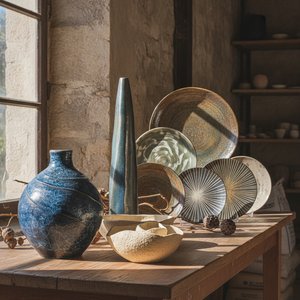
The Art of Ceramics: A Guide to Mastery, Texture, and Timeless Form for the Discerning Collector
Explore the profound elegance of ceramic art. From master glazes to sculptural forms, our expert guide offers discerning collectors deep insights into the mastery, texture, and timeless value of fine ceramics for sophisticated collections and luxury interiors.