

 Visa i rummet
 Skicka
 Dela
Dela
 Detaljer
 Studentguide för konstverk

 Ladda ner
 Liknande objekt
 Röntgen
 Bildspel
 Besökstatistik
Delta Lambda
 Acrylic On Canvas
- WallArt
- Color Field Painting
 1961
1961 260.0 x 449.0 cm
 Cleveland Museum of Art
 Läs mer
Konstverket som visas på denna sida skyddas av upphovsrättslagen, vilket innebär att vi inte lagligt kan skapa eller sälja en identisk reproduktion. Detta skydd upprätthålls genom internationella avtal såsom den Bernkonventionen och genom nationella lagar, inklusive de som fastställs av Amerikansk upphovsrättslag – Titel 17. Alla rättigheter förbehållna. Återgivning av konstverk är förbjuden utan skriftligt tillstånd från WahooArt.
Denna metod följer fullt ut upphovsrättsliga regler eftersom den inte innebär kopiering eller duplicering av det skyddade konstverket. Istället är det en kreativ nytolkning – en ny målning som är influerad av originalet men inte identisk med det.
Giclée / Konsttryck
Giclée- eller canvasprint av museumskvalitet med snabb produktion och flexibla ytbehandlingsalternativ. ( Köp handmålat konstverk Byt till digital bildförsäljning)




P118B Skr10

P118H Skr10

P118W Skr10

P438Z Skr10

P508JH Skr12

P508YH Skr12

P805H Skr10

P805Z Skr10

P919BZ Skr10

P919G Skr10

P919XJ Skr10

P959ZH Skr10

P968JZ Skr12

W106C Skr8

W218G Skr10

W218JH Skr8

W218Y Skr10

W307PJ Skr10

W316G Skr10

W316PJ Skr8

W316Y Skr10

W398PJ Skr8

W4111J Skr10

W500HY Skr15

W500JH Skr15

W692G Skr12

W849H Skr8

W940BG Skr15

W953PJ Skr8




Välj bland våra förinställda storlekar som motsvarar konstverkets ursprungliga proportioner.

Ange den bredd och höjd du behöver, för att passa din ram eller din vägg. Ett tryck kan endast beskäras, aldrig göras större än bilden, vilket innebär att ett format med en annan formform leder till att en del av bilden går förlorad. Vi skickar en digital mockup för godkännande innan vi trycker något. Bilden som visas på denna sida visar inte den faktiska beskärningen — det är endast mockuppen som gör det.
Leverans över hela världen () på 2 veckor istället för standard 4/5 veckor. (18 oktober)

Fri expressfrakt över hela världen

Högkvalitativ linnecanvas

Fullständig fraktförsäkring

Garantier för återbetalning av tullavgifter

Garantier för exakt färgåtergivning

100 dagars returrätt vid fabrikationsfel

100% pengarna tillbaka-garanti

Mängdrabatt erbjuds
 Glasalternativet är endast tillgängligt i storlekar under 110 cm.

Delta Lambda
Giclée / Konsttryck
Reproduktionsstorlek
-


Totalpris
Skr 787
A Dance of Light and Transparency – Exploring ‘Delta Lambda’
Morris Louis's “Delta Lambda,” painted in 1961, isn’t merely a canvas adorned with color; it’s an invitation to lose oneself within a flowing, ethereal landscape. This monumental work, measuring nearly six feet tall and over four and a half feet wide, embodies the core tenets of Color Field painting – a movement that sought to elevate color itself to the status of subject matter, divorced from representational imagery. Louis, a pivotal figure in this aesthetic revolution, masterfully employed a technique he pioneered: staining thin washes of acrylic paint directly onto unprimed canvas, allowing the colors to bleed and mingle organically, creating an illusion of depth and movement that defies traditional perspective.
The painting’s composition is strikingly asymmetrical. Two distinct streams of color – vibrant yellows, greens, blues, and reds – emerge from the lower corners, gracefully ascending towards a central point before subtly dissolving into the surrounding white expanse. This deliberate imbalance isn't haphazard; it generates a dynamic tension, drawing the viewer’s eye along the converging pathways while simultaneously suggesting an infinite space beyond the confines of the canvas. The stark contrast between the saturated colors and the pristine white background amplifies the luminosity of each hue, creating a visual experience that is both intense and serene.
The Alchemy of Color: Technique and Material
Louis’s process was remarkably unconventional for its time. He rejected the traditional layering of paint, opting instead to apply multiple thin washes directly onto the canvas, allowing them to interact and bleed into one another. This technique, coupled with his use of Magna acrylic paint – a revolutionary medium developed specifically for him by Leo Sebak – resulted in a remarkable transparency. The colors don’t simply cover the surface; they seem to float within it, revealing glimpses of the underlying white canvas beneath. Close inspection might reveal subtle variations in the layering process, but the overall effect is one of seamless fluidity and effortless grace.
The artist's deliberate choice to work on unprimed canvas was crucial to achieving this ethereal quality. The paint penetrated the fibers of the fabric, creating a unique textural interplay that further enhanced the sense of depth and movement. It’s a testament to Louis’s intuitive understanding of material properties – he wasn’t simply applying color; he was conducting an alchemical experiment, transforming the very essence of pigment into light and atmosphere.
Symbolism and Emotional Resonance
While “Delta Lambda” resists definitive interpretation, its evocative power lies in its ability to tap into primal emotions. The flowing colors can be seen as representing natural phenomena – water currents, shifting skies, or the dappled light filtering through leaves. However, Louis himself resisted assigning specific meanings to his works, preferring that viewers derive their own interpretations from the experience of looking at them. The asymmetrical composition and the sense of infinite space suggest a journey inward, inviting contemplation and reflection.
Furthermore, the painting’s origins within the context of 1960s America – a period of social upheaval and artistic experimentation – imbue it with an added layer of significance. Louis's work can be viewed as a rejection of traditional representational art, embracing instead the pure sensory experience of color. It reflects a desire to break free from the constraints of the past and explore new possibilities for artistic expression.
A Legacy of Transparency – Reproductions and Beyond
OriginalUniqueArt’s meticulously crafted reproductions capture the essence of “Delta Lambda” with remarkable fidelity, allowing art lovers to experience its beauty and complexity in their own homes. The careful attention to detail ensures that the transparency and luminosity of Louis's original technique are faithfully reproduced, creating a stunning visual statement. Whether displayed as a centerpiece or incorporated into a broader interior design scheme, this iconic work continues to inspire and captivate audiences worldwide.
Frågor och svar
Var bör en reproduktion av "Delta Lambda" av Morris Louis hängas?
Format (Panoramic) och rekommenderat utrymme (Living Room) är de två placeringsfakta som finns registrerade för "Delta Lambda" av Morris Louis.
Kan jag se en röntgenbild av "Delta Lambda" av Morris Louis?
Röntgenvyn av "Delta Lambda" av Morris Louis finns på verkets Röntgen-sida: en interaktiv undersökning av bilden genom elva optiska lager.
Vilket tryckformat rekommenderas för "Delta Lambda" av Morris Louis?
Storlek Large, Panoramic-orientering: detta är den rekommenderade tryckinställningen för "Delta Lambda" av Morris Louis.
Om konstnären
Morris Louis: Färgernas Mäster och Den Transparenta Revolutionen
Morris Louis, född Morris Louis Bernstein 1912 i Baltimore, var en konstnär vars namn för alltid skulle bli synonymt med Color Field-målningen. Hans resa från en tidig fascination för klassiska mästare till att bli en pionjär inom abstrakt expressionism är en berättelse om experimenterande, självifrågasättande och slutligen, en revolution i hur färg kunde användas på canvas. Louis var inte bara en målare; han var en alkemist som transformerade pigment till eteriska skikt av ljus och transparens.
Louis tidiga år präglades av en hunger efter kunskap och en ständigt närvarande önskan att uttrycka sig genom konst. Han studerade vid Maryland Institute of Fine and Applied Arts, men det var hans självstudier och möten med andra konstnärer som verkligen formade hans vision. Hans tidiga influenser sträckte sig från Cézannes strukturella kompositioner till Eugene Speichers impressionistiska ljusspel. Under 1930-talet arbetade han med olika jobb för att försörja sig, men konsten var alltid hans passion. Ett avgörande ögonblick kom under 1940-talet när han upptäckte Magna-färgen – en nyutvecklad akrylfärg som erbjöd en helt ny grad av flyt och transparens. Denna upptäckt skulle komma att förändra hans konst för alltid.
"Veil"-Målningarna: En Revolution i Transparens
Det var under mitten av 1950-talet som Louis skapade sina mest kända verk, de så kallade "Veil"-målningarna. Inspirerad av Helen Frankenthalers banbrytande stain paintings, började han experimentera med att hälla ut extremt utspädd färg direkt på en obearbetad canvas, vilket tillät pigmentet att flöda fritt och skapa lager av genomskinliga skikt. Denna teknik eliminerade behovet av penseldrag och betonade istället dukens yta och färgens egen materialitet. "Veil"-målningarna är inte bara bilder; de är upplevelser – eteriska, nästan andlösa landskap av färg som verkar sväva framför betraktaren. Varje lager färg interagerar med det underliggande, vilket skapar en komplexitet och djup trots den till synes enkla kompositionen.
Louis process var noggrant koreograferad. Han lutade duken och lät färgen rinna fritt, ibland tillsattes ytterligare lager i olika nyanser för att skapa subtila variationer och skuggningar. Resultatet är verk som känns både spontana och medvetet konstruerade – en perfekt balans mellan slumpens roll och konstnärens kontroll. Hans "Veil"-målningar representerar ett paradigmskifte inom abstrakt expressionism, där fokus flyttades från gesten till färgfältets renhet och intensitet.
Washington Color School och Louis Arv
Morris Louis var en central figur i Washington Color School-rörelsen, en grupp amerikanska konstnärer som utvecklade Color Field-målningens principer. Tillsammans med Kenneth Noland och andra banade de väg för en ny generation av abstrakt konstnärer. Louis själv var en kritisk själ och förstörde många av sina tidiga verk i ett försök att finjustera sin stil och uppnå den perfekta balansen mellan färg, form och yta. Detta visar på hans kommittment till innovation och hans strävan efter perfektion.
Louis död 1962, vid endast 49 års ålder, var en stor förlust för konstvärlden. Men hans arv lever vidare i de otaliga konstnärer som har inspirerats av hans banbrytande teknik och hans djupa förståelse för färgens kraft. Morris Louis är inte bara en viktig figur inom Color Field-målningen; han är en ikon för den amerikanska modernismen – en konstnär som vågade utmana konventionerna och skapa något helt nytt, något vackert och tidlöst.

Morris Louis
1912 - 1962 , USA
Snabbfakta
- Artistic Movement Or Style: Färgfältsmålning
- Artists Or Movements Influenced By This Artist:
- Kenneth Noland
- Washington Color School
- Artists Who Influenced This Artist:
- Helen Frankenthaler
- Cézanne
- Date Of Birth: 28 november 1912
- Date Of Death: 7 september 1962
- Full Name: Morris Louis Bernstein
- Nationality: Amerikansk
- Notable Artworks:
- High
- Number 1-36
- Where
- Number 1-68
- Gamma Tau
- Third Element
- Delta Theta
- Place Of Birth: Baltimore, USA
Relaterade artiklar
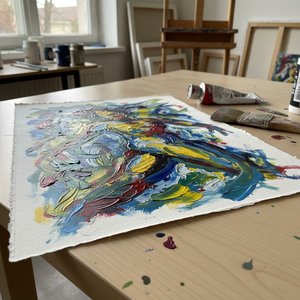
Acrylic on Paper: A Modern Canvas for Contemporary Expression
Explore the versatility of acrylic painting on paper! Discover expert techniques, artist insights & archival practices for creating stunning contemporary art. Learn more at OriginalUniqueArt.
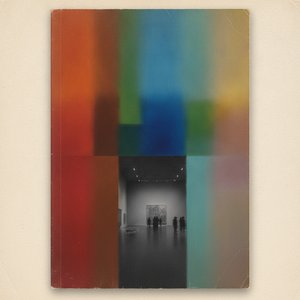
The Essence of Abstraction: A Definitive Guide to the Power and History of Color Field Painting Masterpieces
Explore the profound emotional depth of Color Field painting. Our expert guide delves into the post-war origins of Abstract Expressionism, analyzing masterpieces by Rothko and Newman. Discover museum-grade, hand-painted oil reproductions that bring art history to your walls.
Navigera abstrakt expressionism: En guide till samtida rörelser för emotionell resonans i konstvalet
Utforska abstrakt expressionism med vår expertguide! Lär dig om Rothko, Pollock & mer. Hitta konst som resonerar emotionellt och gör trygga investeringar. OriginalUniqueArt – din källa till kvalitetskonst.
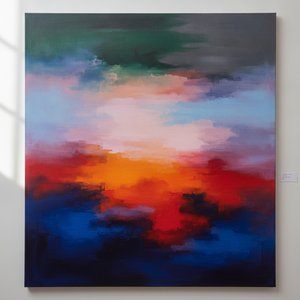
Color Field Painting: The Emotional Power of Pure Abstraction and Chromatic Depth
Explore the profound emotional depth of Color Field painting. Discover the history of mid-century abstraction, from Rothko to Newman, and learn how pure color transforms the viewer's experience through our expert art history guide.

Morris Louis: Pioneering Color Field Painting & Abstract Expressionism's Legacy
Explore the groundbreaking abstract expressionism of Morris Louis, a pioneer of Color Field painting. Discover his innovative techniques, influential series & lasting legacy in post-war American art. Learn more at OriginalUniqueArt.

