() ·
En målning skapad för dig, för hand
Handgjord oljereproduktion
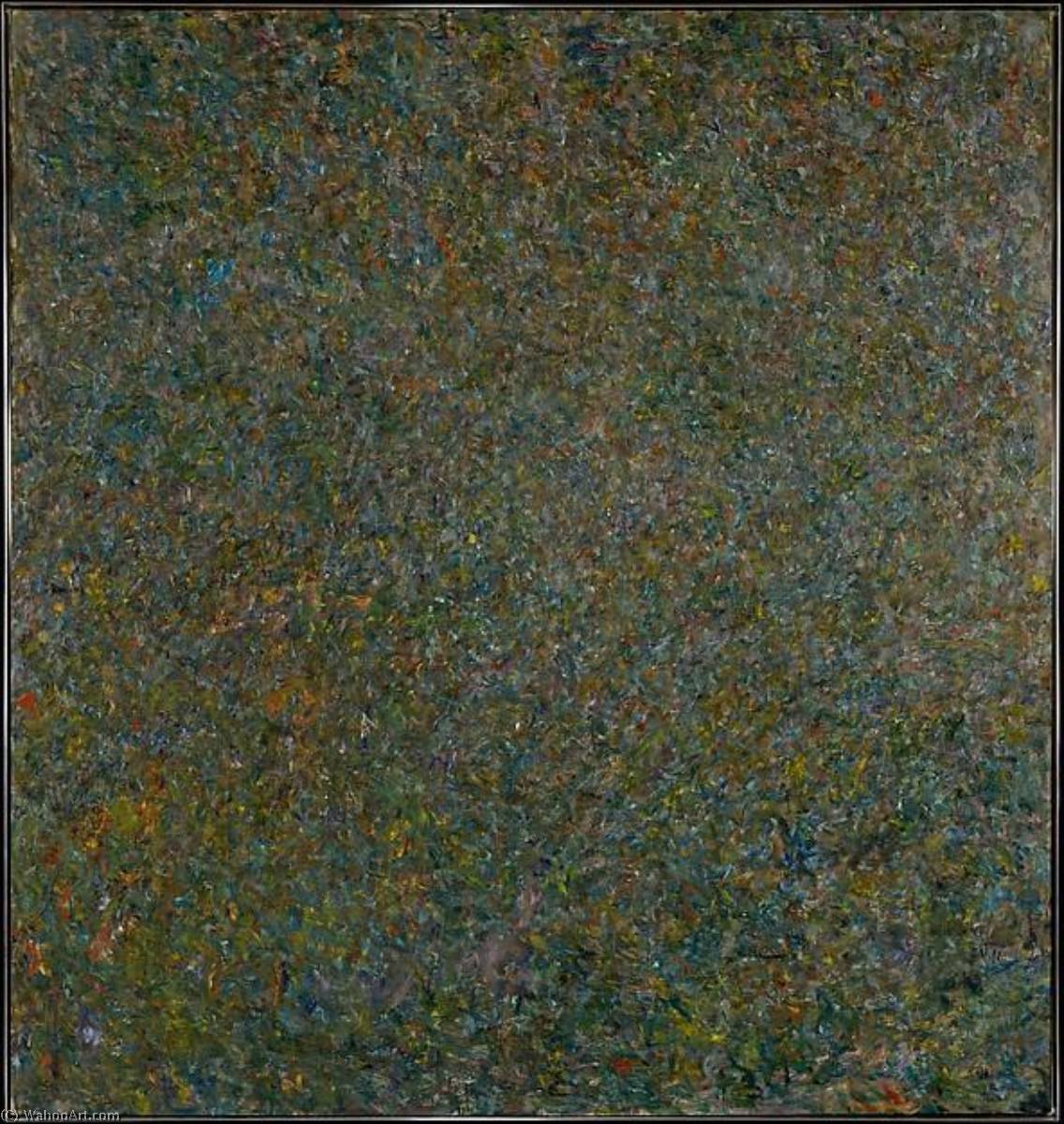
Handmålad olja på duk i din valda storlek och ram, tillverkad efter beställning av våra konstnärer. ( Byt till tryck Byt till digital bild)
Konstnärens biografi
Discover Milton Resnick (1917-2004), a key Abstract Expressionist known for monumental canvases, intensely layered pigment & unique explorations of scale and materiality.
 Visa mer
från ·
Kapitel 1
Vilken storlek bör det ha?
Glid för att ändra storlek; bilden till vänster visar ramen i dess verkliga bredd. Originalets proportioner bibehålls.
Välj bland våra förinställda storlekar som motsvarar konstverkets ursprungliga proportioner.

Ange den bredd och höjd du behöver för att passa din ram eller din vägg. Eftersom detta är handmålat kan konstnären, vid ett annat format, måla lite mer runt bilden eller beskära den något – det är du som väljer. Vi skickar en digital mockup för godkännande innan målningen påbörjas. Bilden som visas på denna sida representerar inte det slutgiltiga resultatet — det är endast mockuppen som visar det.
Kapitel 2
Hur vill du att den ska levereras?
Välj kanter för den uppspända duken
Välj din ram

Vit kant Skr1

Suddig kantfinish Skr1

Fortsatt motiv Skr1

P118B Skr10

P118H Skr10

P118W Skr10

P438Z Skr10

P508JH Skr12

P508YH Skr12

P805H Skr10

P805Z Skr10

P919BZ Skr10

P919G Skr10

P919XJ Skr10

P959ZH Skr10

P968JZ Skr12

W106C Skr8

W218G Skr10

W218JH Skr8

W218Y Skr10

W307PJ Skr10

W316G Skr10

W316PJ Skr8

W316Y Skr10

W398PJ Skr8

W4111J Skr10

W500HY Skr15

W500JH Skr15

W692G Skr12

W849H Skr8

W940BG Skr15

W953PJ Skr8

H24-GOLD Skr30

H24-SILVER Skr30

H36-GOLD Skr45

H36-SILVER Skr45
Inramad
Profil: . Total storlek inklusive ram: .
Kapitel 3
Vem målar det, och bör något ändras?
Efter beställning kommer OriginalUniqueArt.com team att skicka ett e-postmeddelande till kunden för instruktioner och tillhandahålla en förhandsvisning av utkastet
Leverans över hela världen () på 3–4 veckor istället för standard 5 veckor. (8 november). Inga kompromisser med kvaliteten.
Kapitel 4
De sista detaljerna
En skylt, precis som på ett museum?
Detaljer för graverad bronsplatta
This elegant plaque features the artist's name and the title of the artwork, finely engraved for a timeless presentation.
It is made from bronze with a refined, elegant finish. The text is precisely laser-engraved for a sharp and permanent result. Measuring 9x2 cm, the plaque is compact yet easy to read. It's built to be durable and scratch-resistant, offering a professional, museum-quality look. Mounting is simple thanks to the included adhesive backing.
Detaljer för transparent akrylplatta
The plaque includes essential engraved details such as the artist's name, the title of the artwork, the date it was created, the type of media used-like oil on canvas or watercolor-a brief description of the piece, and a QR code that links to the complete artwork information.
It is crafted from clear acrylic, offering a sleek, modern appearance. The text is UV-engraved in black to ensure strong visual contrast. With a size of 10x15 cm, it ensures optimal readability. It comes equipped with two metal hooks for secure wall mounting. The plaque is designed to be weather-resistant, making it suitable for various environments, and it includes interactive features that work seamlessly with smartphone scanning.
Detaljer för svart akrylplatta
This elegant plaque includes engraved information such as the artist's name, the title of the artwork, the date it was created, the type of media used (like oil on canvas or watercolor), a short description of the artwork, and a QR code for quick access to more information.
The plaque itself is made from refined black acrylic with a premium finish. The text is laser-engraved in white for high contrast and readability. Its size is 10x15 cm, designed to be easy to read. It comes with two metal hooks for professional mounting. The design is sleek and fits any interior style. It is also weather-resistant and durable, with built-in digital integration for mobile compatibility.
Ett skyddande fernissa?
När behöver du den?
Kapitel 5
Din målning, precis som du beställt den

Wedding
Reproduktionsmetod
Storlek på reproduktion
-

Elitkonstnär av högsta klass
Mer detaljrikedom, finess och extra produktionstid
-

Inramning av reproduktion
-
-
För konstverk eller reproduktioner som är större än 105 cm (cirka 41 tum) på någon sida, levereras ramen som ett isärplockat kit. Denna metod säkerställer en trygg leverans och förhindrar skador under transport.
Professionell montering krävs – detta är inte en produkt för självmontering.
Kitet måste monteras och duken spännas av en erfaren professionell inramare med hjälp av trälim (ingår ej), en spänntång för duk och klämmor för att hålla sargen rak medan limmet torkar. Felaktig montering eller ojämn spänning av duken kan orsaka permanenta skador på konstverket och täcks
 För konstverk eller reproduktioner som är större än 105 cm (cirka 41 tum) på någon sida, levereras ramen som ett isärplockat kit. Denna metod säkerställer en trygg leverans och förhindrar skador under transport.
Alla massiva träribbor ingår, exakt tillkapade efter mått.
Monteras med de medföljande skruvarna, samt trälim för hörnfogarna, vilket inte ingår och måste anskaffas av din ramverkare.
Professionella verktyg krävs och ingår ej: en dukspännare och klämmor för att hålla listerna raka medan limmet torkar.
Viktigt:
Hörnjunctionerna kräver trälim, listerna måste hållas på plats med tvingar tills limmet har torkat helt, och för att spänna duken på den monterade ramen krävs en spänntång för duk. Inget av detta ingår i kitet. Vänligen kontakta en erfaren professionell rammakare innan du beställer denna storlek.

Namnskylt
-
-

Skyddande fernissa
Glansig fernissa (förstärker färgerna, skyddar mot ljus och fukt)
-

Anpassa mitt konstverk
Exempel på vad som kan ändras: Byt ut ansiktet mot ett foto från kunden; Lägg till ett husdjur (t.ex. byt ut en katt mot en hund); Inkludera ett dolt meddelande i bakgrunden; Ändra bakgrundens landskap eller detaljer.
-

Expressleverans
Leverans över hela världen () inom 3–4 veckor istället för standardiserade 5 veckor. (8 november). Inga kompromisser med kvaliteten.
-
Expressleverans
Leverans över hela världen () inom 5 veckor. (15 november).
Ingår
Slutgiltigt pris
Skr 2997
Glasalternativet är endast tillgängligt i storlekar under 110 cm.
Ingår i varje beställning
- Fri expressfrakt över hela världen
- Högkvalitativ linnecanvas
- Fullständig fraktförsäkring
- Garantier för återbetalning av tullavgifter
- Garantier för exakt färgåtergivning
- 100 dagars returrätt (endast vid fel)
- 100% pengarna tillbaka-garanti
- Mängdrabatt erbjuds


 Förhandsvisa
 Skicka
 Dela
Dela
 Visa detaljer
 Guide
Guide

 Ladda ner
 Liknande objekt
 Röntgen
 Bildspel
 Frågor och svar
 Statistik
I siffror
- 1962året det målades
- 29ramar att välja mellan
- standardstorlekar, i sina egna proportioner
- 5veckor att måla och leverera
Om originalet

- 276.0 x 261.0 cm

Detta konstverk är upphovsrättsligt skyddat
Konstverket som visas på denna sida skyddas av upphovsrättslagen, vilket innebär att vi inte lagligt kan skapa eller sälja en identisk reproduktion. Detta skydd upprätthålls genom internationella avtal såsom den Bernkonventionen och genom nationella lagar, inklusive de som fastställs av Amerikansk upphovsrättslag – Titel 17. Alla rättigheter förbehållna. Återgivning av konstverk är förbjuden utan skriftligt tillstånd från WahooArt.
Som ett respektfullt och lagligt alternativ erbjuder vi skräddarsydda, handmålade konstverk inspirerade av originalet. Våra skickliga och professionella konstnärer studerar noggrant originalets stil, stämning och konstnärliga essens för att skapa ett nytt, unikt verk som väcker samma känsla – samtidigt som det förblir en originell skapelse i egen rätt.
Denna metod följer fullt ut upphovsrättsliga regler eftersom den inte innebär kopiering eller duplicering av det skyddade konstverket. Istället är det en kreativ nytolkning – en ny målning som är influerad av originalet men inte identisk med det.
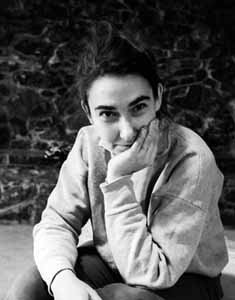
Milton Resnick
1917 - 2004, Russia
Snabbfakta om Milton Resnick
- Full Name: Milton Resnick
- Nationality: American
- Date Of Birth: 1917
- Date Of Death: 2004
- Place Of Birth: Brest, Russia
- Notable Artworks:
- Abstraction
- Wheel
- New Bride
- Artistic Movement Or Style: Abstract Expressionism
- Artists Who Influenced This Artist:
- Willem de Kooning
- Hans Hofmann
Konstnärsbiografi
A Life Forged in Abstraction: The Journey of Milton Resnick
Milton Resnick, born Rachmiel Resnick on January 7, 1917, in Bratslav, Ukraine, was a pivotal figure in the evolution of American Abstract Expressionism. His story is one of displacement, artistic dedication, and an unwavering commitment to exploring the depths of abstract form and color. The early years of his life were marked by upheaval; his family, prosperous Jewish merchants – builders on his father’s side, flour traders through his mother – fled the turmoil following the Russian Revolution, seeking refuge in the United States in 1922. Settling in Brooklyn, young Rachmiel would later become Milton, a transformation mirroring his embrace of a new world and a new artistic identity. This immigrant experience profoundly shaped his sensibility, instilling a sense of searching and a willingness to forge his own path. Even as a teenager, Resnick defied familial expectations, leaving home at seventeen to pursue his passion for art, supporting himself through arduous means – selling blood, modeling – all while immersing himself in the burgeoning artistic landscape of New York City. His formal education included studies at Pratt Institute Evening School of Art and the American Artists School, but it was a close friendship with Willem de Kooning and tutelage under Hans Hofmann that proved most formative, guiding his early explorations into abstraction.Parisian Echoes and the Rise of Abstract Expressionism
The years following World War II were crucial in Resnick’s artistic development. Serving in the Army during the war provided a stark contrast to the creative world he yearned for, but upon his discharge in 1945, he immediately sought inspiration abroad. From 1946 to 1948, Resnick lived and worked in Paris, a city still resonating with artistic innovation despite the recent conflict. This period proved transformative; he encountered giants of modern art – Wols, Giacometti, Brancusi, Matisse, Picasso, and Derain – absorbing their influences while simultaneously forging his own unique vision. The Parisian experience instilled in him a deep appreciation for materiality and form, qualities that would become hallmarks of his work. Returning to New York, Resnick became a founding member of the Artist’s Club in 1949, a vital hub for the burgeoning Abstract Expressionist movement. This collective, which included figures like Franz Kline, Ad Reinhardt, and Jack Tworkov, provided a platform for experimentation and intellectual exchange, solidifying his place within this groundbreaking artistic community. His participation in the seminal 9th Street Art Exhibition in 1951 further cemented his reputation as a rising force in American art.Scale, Density, and the Pursuit of the Sublime
Resnick’s mature style is immediately recognizable for its monumental scale and intensely pigmented surfaces. He wasn't merely painting *on* canvas; he was building it up, layer upon layer, often resulting in works weighing over 300 pounds – a testament to his commitment to materiality. Initially, his paintings were characterized by muscular, interlocking forms reminiscent of de Kooning’s energetic brushwork. However, Resnick gradually moved towards looser handling of paint and expansive monochromatic fields, exploring the expressive potential of color and texture. He became known for his unique approach to scale and density, creating immersive environments that enveloped the viewer. His canvases weren't windows onto another world; they *were* worlds unto themselves. This exploration wasn’t simply about aesthetics; it was a spiritual quest, an attempt to capture something of the sublime – a sense of awe-inspiring vastness and emotional power. In his later years, Resnick began incorporating figurative and imagistic elements into his abstract compositions, hinting at narratives without ever fully revealing them, adding another layer of complexity to his already profound work.Legacy and Enduring Influence
Throughout his career, Milton Resnick exhibited widely in prominent galleries including the Poindexter Gallery, Howard Wise Gallery, Max Hutchinson, and Robert Miller, gaining critical acclaim for his unique vision. His paintings are now held in numerous prestigious public collections, including the Smithsonian American Art Museum, the National Gallery of Art, the Museum of Modern Art (NYC), The Metropolitan Museum of Art, the National Gallery of Australia, and the Whitney Museum of American Art – a testament to his lasting impact on the art world. Beyond painting, Resnick was also an accomplished poet, writing nearly daily for the last thirty years of his life, revealing another facet of his creative spirit. He taught at Pratt Institute and New York University, sharing his knowledge and passion with generations of aspiring artists. He purchased and renovated an abandoned synagogue on Eldridge Street in Manhattan, transforming it into both a studio and residence – a space that became synonymous with his artistic practice. The Milton Resnick and Pat Passlof Foundation, established to manage his estate alongside the work of his wife, plans to open this historic building as a public exhibition space, ensuring that his legacy will continue to inspire for years to come. Milton Resnick died on March 12, 2004, in New York City, leaving behind a body of work that stands as a powerful and enduring contribution to post-war American art – a testament to the transformative power of abstraction and the relentless pursuit of artistic truth.Relaterade artiklar

Love on Canvas: Finding Meaningful Inspiration in Classic Couple Portraits
Discover how to choose meaningful classic portraits for your first home. Start building your shared legacy with timeless art inspiration.
Från duk till minne: Varför konst hör hemma på ditt bröllopsregister
Hitta den perfekta bröllopsgåvan! Upptäck unika konstverk & personliga tavlor som skapar varaktiga minnen. Expertguider och inspiration för en lyckad present.
Förvandla bröllopsminnen till konst: Skapa ett personligt hem med skräddarsydd väggdekor
Förvandla dina bröllopsminnen till vacker konst! Upptäck unika idéer och skräddarsydda lösningar för att skapa personliga tavlor som hyllar er kärlekshistoria. Inspiration & expertis.