Surrealism
Sin título (Max Ernst)
Max Ernst (1891–1976) skapade Sin título. Det tillhör Surrealism-rörelsen. Den är utförd i Engraving.
- Engraving

 Förhandsvisa

 Handmålad oljemålning
 Skicka
 Dela
 Faktablad för elever


 Ladda ner
 Liknande objekt
 Röntgen
 Bildspel
 Frågor och svar

 Statistik
Sin título i korthet
- Titel
- Sin título
- Konstnär
- Max Ernst (1891–1976)
- Konstnär född i
- Brühl, Tyskland
- Material
- Engraving
- Rörelse
- Surrealism
- Tidsperiod
- High Medieval
- Motiv
- serpent symbolism, mona lisa echoes, dreamlike struggle, duality of man, surreal landscape, mythological art
Vad föreställer Sin título?
A Descent into the Unconscious: Examining Max Ernst’s “Sin título”
Max Ernst's "Sin título" (Untitled) isn’t merely a black and white etching; it’s an invitation to a psychological landscape, a confrontation with primal fears rendered in stark, unsettling detail. The artwork immediately commands attention through its dynamic composition – a wrestling match between a man and a colossal serpent dominates the frame, interwoven with a ghostly cameo of Mona Lisa that subtly complicates the narrative. Ernst, a pivotal figure in both Dada and Surrealism, masterfully employs a technique reminiscent of engraving or etching, creating an extraordinary contrast between light and shadow, sharp lines, and a flattened perspective that contributes to the work’s dreamlike quality. This isn't simply a depiction of physical struggle; it’s a visual representation of internal conflict, a battle waged within the depths of the human psyche.
The choice of materials – likely etched onto a metal plate and subsequently printed – speaks volumes about Ernst’s artistic process. The rigid linearity of the linework, while creating a graphic appearance, also suggests an underlying tension, mirroring the struggle depicted on the surface. The deliberate lack of shading or realistic depth further enhances this sense of unease, pushing the scene into the realm of symbolism and allegory. It's crucial to note that Ernst was deeply interested in exploring the subconscious, and “Sin título” is a prime example of his ability to translate complex psychological themes into visual form.
The Symbolism of Serpent and Woman: Echoes of Mythology and Art History
The serpent itself is a potent symbol throughout history – representing temptation, chaos, knowledge, and the cyclical nature of life. Here, it’s not merely a beast but an embodiment of primal urges, a force resisting control. The man wrestling with it embodies humanity's struggle against these darker aspects of its own being. Interestingly, positioned within this chaotic scene is a subtle yet significant detail: the inclusion of Mona Lisa. This iconic portrait, instantly recognizable and imbued with an aura of serene beauty, acts as a counterpoint to the turmoil unfolding before us. Some art historians interpret this juxtaposition as representing the eternal conflict between reason and emotion, or perhaps the allure of the unattainable – a reminder that even in moments of intense struggle, there exists a lingering sense of beauty and detachment.
The tower-like structure in the background adds another layer to the symbolism. Towers often represent ambition, power, and reaching for the heavens—but here, it feels somewhat ominous, perhaps suggesting an unattainable goal or a precarious position within this internal struggle. The overall composition suggests a descent into the unconscious, a confrontation with fundamental human dilemmas.
Ernst’s Methodologies: Frottage and the Surrealist Approach
Understanding Max Ernst's artistic methods is key to appreciating “Sin título.” He was a pioneer of techniques like *frottage* – rubbing a pencil over textured surfaces to create unexpected images – and *grattage*, scraping paint across canvas to reveal hidden patterns. These processes were designed to bypass conscious control, tapping into the subconscious mind and generating surprising visual results. This approach is clearly evident in “Sin título,” where the deliberate use of line work and the seemingly random arrangement of elements contribute to a sense of controlled chaos. Ernst wasn’t simply painting what he *saw*; he was actively seeking to access and translate the hidden realities of his inner world.
The artwork's stark black and white palette further emphasizes this exploration of the subconscious. It strips away any distractions, forcing the viewer to confront the raw emotion and psychological intensity of the scene. It’s a testament to Ernst’s skill that he can create such a powerful and unsettling image using such a limited range of tones.
A Reproduction for the Collector: Bringing “Sin título” into Your Space
OriginalUniqueArt offers meticulously hand-painted reproductions of Max Ernst's "Sin título," capturing the essence of this iconic work with unparalleled detail and fidelity. Our artists replicate Ernst’s distinctive linework, creating a stunning visual experience that faithfully reproduces the artwork’s unsettling atmosphere and symbolic depth. Whether you are an art collector seeking to expand your Surrealist collection or simply looking for a unique piece of art to enhance your interior design, our reproduction provides a beautiful and authentic representation of this seminal work. The high-quality materials used ensure that the reproduction will last for generations, preserving the power and mystery of Ernst’s vision. Explore our options today and bring this captivating image into your world.
Högupplösta bilder av Sin título

Upphovsrättsskyddat: dessa filer är för personligt bruk och utgör inte en licens för återpublicering.
Max Ernst, Sin título.
Max Ernst (1891–1976), Sin título, engraving. Bild: OriginalUniqueArt.com.
Frågor om Sin título besvarade
Vilket medium är "Sin título" av Max Ernst utförd i?
"Sin título" är utförd i Engraving.
Vad föreställer "Sin título"?
Teman som återfinns i "Sin título" av Max Ernst inkluderar serpent symbolism, mona lisa echoes, dreamlike struggle, duality of man, surreal landscape, mythological art, black and white drama. Tillsammans sammanfattar de verkets motiv.
Är "Sin título" fri från upphovsrätt?
Upphovsrättslig status för "Sin título" av Max Ernst: verket är fortfarande skyddat av upphovsrätt. Detta avgör om reproduktioner av bilden får framställas fritt.
Vem är konstnären bakom "Sin título"?
Konstnären bakom "Sin título" är Max Ernst. Verket är katalogiserat under Max Ernsts namn.
Vilken konststil tillhör "Sin título" av Max Ernst?
"Sin título" av Max Ernst tillhör Surrealism-rörelsen. Denna rörelse ger det stilistiska sammanhanget för verket.
Var i Max Ernsts karriär placerar sig "Sin título"?
Inom Max Ernsts karriär tillhör "Sin título" perioden Mature Period. Denna fas underlättar jämförelser med konstnärens övriga verk.
Är "Sin título" av Max Ernst fri från upphovsrätt, och varför?
"Sin título" av Max Ernst är fortfarande skyddat av upphovsrätt. Upphovsrätten beräknas utifrån konstnärens dödsår, och Max Ernst avled år 1976.
Hur passar "Sin título" in i Max Ernsts teman och stil?
"Sin título" tillhör Max Ernsts Surrealism-period, vars dokumenterade teman inkluderar dada & surrealist echoes, mythic confrontation, psychological tension, humanity's dark side, symbolic allusion, ernst's dreamscapes", exploring the unconscious", recurring serpent motif.
Hur förhåller sig "Sin título" till Max Ernsts återkommande motiv?
Bland Max Ernsts dokumenterade teman – dada & surrealist echoes, mythic confrontation, psychological tension, humanity's dark side, symbolic allusion, ernst's dreamscapes", exploring the unconscious", recurring serpent motif – har "Sin título" ett eget fokus på serpent symbolism, mona lisa echoes, dreamlike struggle, duality of man, surreal landscape, mythological art, black and white drama.
Om konstnären, Max Ernst
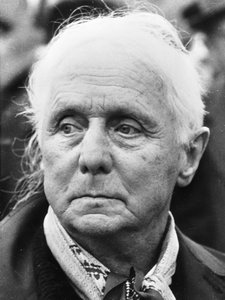
1891–1976, Tyskland
Max Ernst
Max Ernst liv och ursprung Max Ernst kom till världen den 2 april 1891 i Brühl, Tyskland. Han växte upp i en borgerlig katolsk familj som det tredje av nio barn. Hans uppväxt präglades av den lugna och disciplinerade atmosfären i hemmet, där hans far, Philipp, arbetade som lärare för döva. Philipp var även en amatörmålare, och det var genom honom som pojken för första gången kom i kontakt med konstens verktyg och utövande.
Andra verk av Max Ernst
 Elefant Celèbes1921
 Elefant Celebes1921
 Europa efter regnet II1942
 Av detta ska män inte veta1923
Essäer om Sin título
 Konstnärlig Förvandling av Inredningsprojekt: Ett Partnerskap för Professionella Formgivare och Skräddarsydd KonstleveransOriginalUniqueArt skapar unika konstverk för hotell och professionella formgivare. Handmålad kvalitet, personlig service & trygg beställnin…
 Unlocking the Unconscious: The Top 25 Masterpieces by Max ErnstBorn in Brühl, Germany, Max Ernst used frottage and collage to navigate the subconscious, bridging the wreckage of WWI and Surrealism.
 25 Essential Works by Arnold Böcklin: A Journey Through Myth and SymbolismGustav Mahler was so haunted by a single painting that it shaped his Fourth Symphony. What drove Böcklin to revisit his most famous motif?