

 Visa i rummet
 Skicka
 Dela
Dela
 Detaljer
 Studentguide för konstverk

 Ladda ner
 Liknande objekt
 Röntgen
 Bildspel
 Besökstatistik
The King
 Acrylic
- WallArt
- Expressionist Painting
 1937
1937 135.0 x 100.0 cm
 Läs mer
Handgjord oljereproduktion
Handmålad olja på duk i din valda storlek och ram, tillverkad efter beställning av våra konstnärer. ( Byt till tryckta exemplar Byt till digital bildförsäljning)




P118B Skr10

P118H Skr10

P118W Skr10

P438Z Skr10

P508JH Skr12

P508YH Skr12

P805H Skr10

P805Z Skr10

P919BZ Skr10

P919G Skr10

P919XJ Skr10

P959ZH Skr10

P968JZ Skr12

W106C Skr8

W218G Skr10

W218JH Skr8

W218Y Skr10

W307PJ Skr10

W316G Skr10

W316PJ Skr8

W316Y Skr10

W398PJ Skr8

W4111J Skr10

W500HY Skr15

W500JH Skr15

W692G Skr12

W849H Skr8

W940BG Skr15

W953PJ Skr8




Välj bland våra förinställda storlekar som motsvarar konstverkets ursprungliga proportioner.

Ange den bredd och höjd du behöver för att passa din ram eller din vägg. Eftersom detta är handmålat kan konstnären vid en annan form måla lite mer runt bilden eller beskära den något – du väljer själv. Vi skickar en digital mockup för godkännande innan målningen påbörjas. Bilden som visas på denna sida representerar inte det slutgiltiga resultatet — det är endast mockuppen som visar det.
Efter beställning kommer OriginalUniqueArt.com team att mejla kunden för instruktioner och tillhandahålla en skissförhandsvisning
Leverans över hela världen () på 3–4 veckor istället för standard 5 veckor. (17 oktober). Inga kompromisser med kvaliteten.

Fri expressfrakt över hela världen

Högkvalitativ linnecanvas

Fullständig fraktförsäkring

Garantier för återbetalning av tullavgifter

Garantier för exakt färgåtergivning

100 dagars returrätt vid fabrikationsfel

100% pengarna tillbaka-garanti

Mängdrabatt erbjuds
 Glasalternativet är endast tillgängligt i storlekar under 110 cm.

The King
Tryckteknik
Reproduktionsstorlek
-


Totalpris
Skr 2951
Artistic Evolution and Inspiration
Beckmann worked tirelessly on The King, submitting it to the Carnegie International exhibition in San Francisco from 1934-35. Although it did not win a prize, this setback prompted him to make significant changes before finally signing the piece in Amsterdam in 1937. The painting's history is crucial as some critics have interpreted it as an allusion to the "despot" of the time, suggesting it was Beckmann's first work created in exile. However, the resemblance between the king and Beckmann himself negates any direct reference to a specific tyrant. Instead, the artwork delves into the inner drama of a proud, powerful, yet benign individual.Composition and Symbolism
The painting features a man wearing a crown, seated with a child on his lap, accompanied by two other figures in the background. All three individuals are dressed in pink attire, creating a sense of unity and togetherness. A dog is prominently positioned near the center of the image, while a chair is visible in the background, adding depth to the composition. The king's features bear a striking resemblance to Beckmann's own, although it was not intended as a formal self-portrait. The distinctive collar with triangular flaps, often associated with clown and harlequin costumes, suggests that the ominous scene might be part of a play. This blend of reality and theatricality is characteristic of Beckmann's unique style.Expressionism and Artistic Legacy
Max Beckmann was a prominent figure in the Expressionist movement, known for his ability to convey intense emotions through his art. The King exemplifies this by capturing the inner turmoil and dignity of its subject. Beckmann's work is a testament to the power of Expressionism in exploring the human experience. For those interested in learning more about Max Beckmann and his contributions to Expressionism, visit /art/list/?Filter=Max-Beckmann for a comprehensive overview of his life and works. Additionally, explore the detailed page on "The King" to delve deeper into the painting's history and significance.Conclusion
The King by Max Beckmann is a masterpiece that encapsulates the essence of Expressionism, blending reality with theatrical elements. Its rich history and symbolism make it a compelling piece for art enthusiasts and scholars alike. As part of the Saint Louis Art Museum's collection, this painting continues to inspire and intrigue audiences. For those who appreciate the beauty of handmade oil paintings, OriginalUniqueArt offers high-quality reproductions of Beckmann's works, including The King. Visit https://OriginalUniqueArt.com to explore their extensive collection and bring a piece of art history into your home.Frågor och svar
Vilken är den upplevda ljusstyrkan i "The King" av Max Beckmann?
Sammantaget har "The King" registrerats som deep_shadow. Upplevd ljusstyrka beskriver hur ljust eller mörkt verket framstår.
Vilken fas i Max Beckmanns karriär tillhör "The King" (1937)?
Med tanke på sitt datum från 1937, tillhör "The King" Max Beckmanns Mature Period.
Vilken typ av färger används i "The King"?
Färgpaletten i "The King" av Max Beckmann beskrivs som Earthy. Det är en kompakt beskrivning av verkets färger.
Om konstnären
Early Life and Artistic Development
Max Beckmann, a German painter, draftsman, printmaker, sculptor, and writer, was born on February 12, 1884, in Leipzig, Saxony. His artistic journey commenced with academically correct depictions—a stylistic choice reflecting the prevailing academic tradition of his time—which subsequently underwent a dramatic transformation into distorted figures and spaces. This shift mirrored Beckmann’s profoundly altered perception of humanity following his harrowing experience as a medical orderly during World War I, an event that indelibly shaped his artistic vision. The trauma of witnessing the horrors of war instilled in him a preoccupation with themes of suffering and decay, influencing his stylistic evolution.Artistic Style and Influences
Beckmann’s distinctive style drew inspiration from a diverse array of artists, establishing connections to movements like Expressionism and Neue Sachlichkeit. Notably, he acknowledged the profound impact of Cézanne's geometric explorations on his compositional approach, mirroring Cézanne's deliberate simplification of forms. Furthermore, Vincent van Gogh’s expressive brushwork served as a crucial model for Beckmann’s technique—a bold departure from academic conventions—capturing the emotional intensity characteristic of Van Gogh’s oeuvre. Blake’s visionary imagery and Rembrandt’s masterful use of chiaroscuro also exerted considerable influence on Beckmann's artistic sensibilities, guiding him toward conveying psychological depth and dramatic tension. Finally, Rubens’ monumental canvases instilled in Beckmann a fascination with grandeur and theatrical presentation.Notable Works and Exhibitions
Beckmann’s oeuvre encompasses a remarkable range of subjects—from landscapes imbued with symbolic resonance to portraits capturing the complexities of human emotion—demonstrating his versatility as an artist. Among his most celebrated creations is “The Bark,” acquired by the National Gallery in Berlin, a monumental canvas depicting a desolate seascape rendered with meticulous detail and conveying a palpable sense of isolation. Equally significant is “Self-Portrait in Tuxedo,” purchased in 1928, which presents Beckmann’s self-image as a figure grappling with existential anxieties—a testament to his introspective artistic spirit. Beckmann's work was showcased in retrospectives at the Städelschule Mannheim (1928) and Basel and Zurich (1930), cementing his position as one of the foremost artists of his era.Later Life and Exile
Beckmann’s life took a decisive turn with the ascent of Adolf Hitler to power, triggering his expulsion from the Frankfurt Art School and resulting in the confiscation of over 500 of his artworks—a devastating blow to his artistic career and personal freedom. Forced into exile, he sought refuge in Amsterdam for ten years, enduring bureaucratic obstacles that prevented him from securing a visa for the United States. During this period, Beckmann continued to produce prolifically, exploring themes of displacement and resilience—themes that would permeate his subsequent artistic endeavors. His unwavering commitment to artistic integrity fueled his determination to resist Nazi oppression and preserve his creative vocation.Legacy
Max Beckmann’s enduring legacy resides in his profound contribution to German Expressionism and his exploration of existential concerns through art. He was honored as a teacher at Washington University in St. Louis and the Brooklyn Museum, nurturing the talents of aspiring artists and fostering intellectual discourse. His first retrospective in the United States occurred in 1948 at the City Art Museum, Saint Louis, marking a pivotal moment in recognizing his artistic significance on an international scale. Beckmann’s unwavering belief in the transformative power of art—expressed eloquently in his correspondence with fellow artist Marie-Louise von Motesiczky—continues to inspire artists and scholars alike. Max Beckmann's influence extends beyond the realm of painting, permeating literature and philosophy, solidifying his place as a multifaceted intellectual figure who wrestled with profound questions about human existence.
Max Beckmann
1884 - 1950 , Tyskland
Snabbfakta
- Artistic Movement Or Style: Expressionism
- Artists Or Movements Influenced By This Artist: ['Georges Seurat']
- Artists Who Influenced This Artist:
- Rembrandt
- Bosch
- Date Of Birth: Feb 12, 1884
- Date Of Death: Dec 27, 1950
- Full Name: Max Carl Friedrich Beckmann
- Nationality: German
- Notable Artworks:
- The Bark
- Self-Portrait in Tuxedo
- Place Of Birth: Leipzig, Germany
Relaterade artiklar

Olja på duk: En tidlös teknik – Historik, process och konstnärliga möjligheter
Utforska oljemålningskonsten! Lär dig om flamländsk teknik, materialval och historisk utveckling. Expertguider för både nybörjare och erfarna konstnärer – bevara dina målningar med bästa praxis.

The Enduring Legacy of Oil on Canvas: Technique, History & Aesthetic Impact
Explore the rich history & techniques of oil painting – from Renaissance masters to Impressionism. Discover pigments, layering methods, and why this timeless medium endures. Expert insights for artists & art enthusiasts.
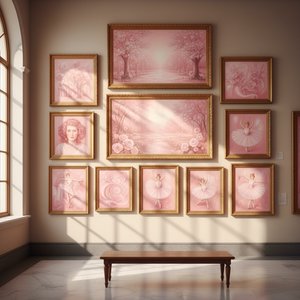
De 10 mest berömda målningarna i ljusrosa toner – konsthistoria & heminredning
Upptäck de 10 mest älskade målningarna i ljusrosa toner! Från Monet till Renoir – utforska konsthistoriens romantik, impressionismen och pastellfärger. Köp reproduktioner av högsta kvalitet på OriginalUniqueArt.com och förvandla ditt hem med tidlösa mästerverk.

Unmasking Emotion: A Journey Through the Raw Power and Visceral Beauty of German Expressionism
Explore the raw emotional power of German Expressionism. From Kirchner to Die Brücke, discover how artists used distortion and vibrant color to unmask the human psyche. A deep dive into art history for the discerning collector and enthusiast.

Tysk Expressionism: 10 Mästerverk som Definierade en Epok – Konst & Inredning
Utforska 10 ikoniska mästerverk inom tysk expressionism! Lär känna konstnärer som Nolde, Kirchner & Heckel. Upptäck historien bakom dessa färgstarka målningar och finn inspiration till din inredning med OriginalUniqueArt.com – museumkvalitet för ditt hem.


