

 Förhandsvisa
 Skicka
 Dela
Dela
 Visa detaljer
 Guide
Guide

 Ladda ner
 Liknande objekt
 Röntgen
 Bildspel
 Statistik
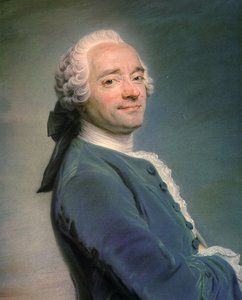
Maréchal de Saxe
 Pastel
- WallArt
- Rococo Portraiture
 Early Modern
 61.0 x 51.0 cm
 Louvren
 Visa mer
Giclée / Konsttryck
Giclée- eller canvasprint av museumskvalitet med snabb produktion och flexibla ytbehandlingsalternativ. ( Beställ handmålad reproduktion Byt till digital bild)




P118B Skr10

P118H Skr10

P118W Skr10

P438Z Skr10

P508JH Skr12

P508YH Skr12

P805H Skr10

P805Z Skr10

P919BZ Skr10

P919G Skr10

P919XJ Skr10

P959ZH Skr10

P968JZ Skr12

W106C Skr8

W218G Skr10

W218JH Skr8

W218Y Skr10

W307PJ Skr10

W316G Skr10

W316PJ Skr8

W316Y Skr10

W398PJ Skr8

W4111J Skr10

W500HY Skr15

W500JH Skr15

W692G Skr12

W849H Skr8

W940BG Skr15

W953PJ Skr8




Välj bland våra förinställda storlekar som motsvarar konstverkets ursprungliga proportioner.

Ange den bredd och höjd du behöver för att passa din ram eller vägg. Ett tryck kan endast beskäras, aldrig göras större än originalbilden, vilket innebär att ett format med en annan proportion leder till att en del av bilden går förlorad. Vi skickar en digital mockup för godkännande innan vi påbörjar tryckningen. Bilden som visas på denna sida visar inte den faktiska beskärningen — det är endast mockuppen som gör det.
Leverans över hela världen () på 2 veckor istället för standard 4/5 veckor. (26 oktober)

Fri expressfrakt över hela världen

Högkvalitativ linnecanvas

Fullständig fraktförsäkring

Garantier för återbetalning av tullavgifter

Garantier för exakt färgåtergivning

100 dagars returrätt (endast vid fel)

100% pengarna tillbaka-garanti

Mängdrabatt erbjuds
 Glasalternativet är endast tillgängligt i storlekar under 110 cm.

Maréchal de Saxe
Giclée / Konsttryck
Storlek på reproduktion
-


Slutgiltigt pris
Skr 794
A Vision of Rococo Grandeur
In the delicate dance of light and pigment, few works capture the aristocratic splendor of the eighteenth century as intimately as Maurice Quentin de La Tour’s 1731 pastel portrait, Maréchal de Saxe. To gaze upon this masterpiece is to step directly into the opulent intellectual landscape of Enlightenment France, where every brushstroke—or in this case, every soft application of pastel—serves to elevate the subject beyond mere mortal likeness. The portrait does not simply present a military commander; it orchestrates a symphony of power, prestige, and refined grace. Through the masterful use of the pastel medium, De La Tour achieves an ethereal luminosity that oil paints often struggle to replicate, allowing the skin tones to glow with a lifelike warmth and the fabrics to shimmer with a soft, tactile elegance.
The subject himself, the celebrated Maréchal de Saxe, is rendered with a profound sense of dignity. Clad in the authoritative attire of his station, he wears a striking blue sash draped across his shoulder, a symbol of high rank that cuts through the composition with a regal vibrancy. His black coat, punctuated by meticulously detailed gold buttons, speaks to the wealth and status inherent in his role as an influential advisor to Louis XV. De La Tour’s technical prowess is most evident in the subtle gradations of color; he blends hues of cerulean, cream, and gold so seamlessly that the textures of silk, lace, and skin appear almost tangible. This soft-focus brilliance is a hallmark of the Rococo style, creating an atmosphere that feels both intensely real and dreamily idealized.
The Intersection of Might and Intellect
Beyond the surface beauty of the portrait lies a deeper narrative regarding the cultural zeitgeist of the era. During this period, the ideals of the Enlightenment—reason, virtue, and intellect—were beginning to reshape the French court. De La Tour, a master of characterization, does not merely depict a soldier of war; he presents an embodiment of these very ideals. The Maréchal’s expression, marked by a quiet confidence and a gaze of seasoned wisdom, suggests a man whose strategic brilliance is matched by his philosophical depth. This portrayal aligns beautifully with the spirit of contemporaries like Voltaire, whose influence permeated the artistic circles of the time.
The minimalist background serves a vital compositional purpose, stripping away the distractions of a cluttered landscape to focus the viewer's entire emotional investment on the man himself. By placing the Maréchal against a plain, light-colored void, De La Tour ensures that the interplay of shadow and light on the subject's face becomes the focal point. This choice emphasizes the psychological depth of the sitter, inviting collectors and art enthusiasts to contemplate the weight of responsibility carried by such an influential figure.
An Enduring Legacy for the Discerning Collector
For the interior designer or the passionate art collector, a high-quality reproduction of Maréchal de Saxe offers more than just a decorative element; it provides a window into a vanished era of elegance. The piece possesses a unique ability to anchor a room, bringing a sense of historical gravity and sophisticated charm to any space. Whether placed in a sunlit library or a formal dining hall, the soft textures and regal color palette of the pastel medium evoke a feeling of timeless luxury.
Owning a reproduction of this caliber allows one to celebrate the technical mastery of Maurice Quentin de La Tour, an artist who redefined the possibilities of pastel. The artwork serves as a conversation piece that bridges the gap between the historical grandeur of the French monarchy and the modern aesthetic appreciation for fine detail and emotive portraiture. It is an investment in atmosphere, a tribute to the enduring power of the Rococo spirit, and a profound addition to any curated collection of fine art.
Frågor och svar
Vem säljer handmålade kopior av "Maréchal de Saxe" av Maurice Quentin de La Tour?
Handmålade kopior av "Maréchal de Saxe" av Maurice Quentin de La Tour finns att köpa på denna webbplats: en handmålad oljereproduktion på linneväv, via deras sida för Handmålad reproduktion.
Var kan man se "Maréchal de Saxe" av Maurice Quentin de La Tour utställd idag?
Originalet av "Maréchal de Saxe" finns att se på Louvren, Paris, France.
Kan jag se en röntgenbild av "Maréchal de Saxe" av Maurice Quentin de La Tour?
Röntgenvyn av "Maréchal de Saxe" av Maurice Quentin de La Tour finns på verkets Röntgenanalys-sida: en interaktiv undersökning av bilden genom elva optiska lager.
Konstnärsbiografi
Maurice Quentin de La Tour: Ett liv i pastell
- Född: 5 september 1704, Saint-Quentin, Frankrike
- Död: 1
1788, Saint-Quentin, Picardie, Konungariket Frankrike - Känd för: Rococo-porträtt i pastell, där han fångade likheterna hos Voltaire, Ludvig XV och Madame de Pompadour.
Tidigt liv och konstnärlig utveckling
- Maurice Quentin de La Tour föddes in i en musikalisk familj; hans far, François de La Tour, var musiker hos Duc du Maine. Trots de initiala förväntningarna från familjen valde Maurice att följa måleriet.
- Runt 1724 flyttade han till Paris, där han påbörjade sin konstnärliga bana. Hans tidiga utbildning innefattade studier hos Jacques Spoede och en kort period i Reims. En resa till England år 1725 kom att påverka hans stil ytterligare.
- Hans tidiga porträtt, såsom det av Voltaire (1731), uppvisade en framväxande talang för att fånga både karaktär och likhet. Detta porträtt graverades anmärkningsvärt av Langlois, vilket gav honom en bredare berömmelse.
Konstnärlig stil och betydande verk
- Mästerskap i pastell: De La Tour hyllas för sin exceptionella skicklighet i att använda pastell. Han använde mediet för att skapa porträtt med en anmärkningsvärhet i mjukhet och finess, där han fångade subtila nyanser av uttryck och textur.
- Rococo-inflytande: Hans arbete är ett typexempel på rokokostilen, kännetecknad av elegans, grace och ett fokus på att skildra det högmodiga sällskapet.
- Betydande verk:
- Porträtt av Voltaire (1731) – Etablerade hans rykte tidigt i hans karriär.
- Självporträtt, skrattande (ca 1737) – Visar hans förmåga att skildra personlighet och kvickhet.
- Porträtt av Madame de Pompadour – Ett betydelsefullt uppdrag som demonstrerar hans skicklighet i att fånga likheten hos en framstående person.
- Porträtt av Ludvig XV – Flera porträtt av den franske kungen, vilket befäste hans position vid hovet.
- Utställningar på Salongen: Han ställde regelbundet ut på Paris-salongen, där han visade upp en serie om 150 porträtt under tre decennier, vilket blev en höjdpunkt för besökarna.
Erkännande och senare liv
- Kungligt erkännande: År 1737 blev han erkänd av den kungliga akademien för måleri och skulptur. Senare blev han kungens egen porträttmålare år 1750.
- Filantropi: I takt med att hans förmögenhet växte, ägnade sig de La Tour åt filantropiska gärningar; han grundade en teckningsskola i Saint-Quentin och stödde fattiga konstnärer.
- Psykisk ohälsa: Runt 1773 drabbades han av ett nervsammanbrott, vilket ledde till perioder av psykisk sjukdom och slutligen en pensionering i hans hemstad Saint-Quentin.
Arv och historisk betydelse
- De La Tours porträtt är högt värderade för sin psykologiska insikt och tekniska briljans. Han lyfte pastellporträttet till nya höjder och påverkade efterföljande generationer av konstnärer.
- Hans förmåga att fånga sina motivs essens – deras personligheter, intelligens och sociala ställning – gjorde honom till en av sin tids mest eftertraktade porträttmålare.
- Idag finns hans verk bevarade på prestigefyllda museer världen över, inklusive Musée du Louvre, vilket ger värdefulla inblickar i det 18:e århundradets franska samhälle och konstnärliga praktiker.
Maurice Quentin de La Tour
1704 - 1788 , Frankrike
Kortfakta
- Artistic Movement Or Style: Rococo
- Artists Or Movements Influenced By This Artist: ['Jean Restout']
- Artists Who Influenced This Artist: ['Jacques Spoede']
- Date Of Birth: 5 september 1704
- Full Name: Maurice Quentin de La Tour
- Nationality: Fransk
- Notable Artworks:
- Porträtt av Voltaire
- Selvporträtt, skrattande
- Place Of Birth: Saint-Quentin, Frankrike
Relaterade artiklar
The Elegance of Rococo Portraiture: A Journey Through Grace, Soft Light, and Pastel Dreams
Discover the exquisite world of Rococo portraiture. Explore the delicate beauty of 18th-century French art, from pastel light to graceful asymmetry, and learn how to bring this era of elegance into your home through masterfully hand-painted oil reproductions.

Maurice Quentin de La Tour: Light, Shadow & the Rococo Portrait
Explore the captivating world of Maurice Quentin de La Tour, a master of Rococo portraiture. Discover his innovative pastel techniques, intimate depictions of French aristocracy, and lasting artistic legacy. Learn more at OriginalUniqueArt.

Goyas 25 Mästerverk: En Konstnärlig Resa Genom Spansk Historia | OriginalUniqueArt
Utforska Goyas 25 mest ikoniska målningar! Fördjupa dig i spansk konsthistoria, romantikens dramatik och mörka färger. Köp museumkvalitativa reproduktioner & inred med tidlösa klassiker på OriginalUniqueArt.com.
Georges de La Tour: Luminosity, Spirituality & Realism in Baroque Painting
Discover the captivating world of Georges de La Tour, a Baroque master renowned for his dramatic chiaroscuro & spiritual realism. Explore key works, influences, and his remarkable rediscovery. Learn more at OriginalUniqueArt.
Águeda Ruiz de la Prada: A Study of Eclecticism & Emotional Resonance in Contemporary Spanish Painting
Discover the vibrant world of Ágatha Ruiz de la Prada, a leading figure in contemporary Spanish art. Explore her eclectic style, emotional depth & legacy – a must-read for discerning collectors.