
 Förhandsvisa
 Skicka
 Dela
Dela
 Visa detaljer
 Guide
Guide

 Ladda ner
 Liknande objekt
 Röntgen
 Bildspel
 Frågor och svar
 Statistik
The Crucifixion

- 269.0 x 307.0 cm


 Visa mer
Giclée / Konsttryck
Giclée- eller canvasprint av museumskvalitet med snabb produktion och flexibla ytbehandlingsalternativ. ( Beställ handmålad reproduktion Byt till digital bild)




P118B Skr10

P118H Skr10

P118W Skr10

P438Z Skr10

P508JH Skr12

P508YH Skr12

P805H Skr10

P805Z Skr10

P919BZ Skr10

P919G Skr10

P919XJ Skr10

P959ZH Skr10

P968JZ Skr12

W106C Skr8

W218G Skr10

W218JH Skr8

W218Y Skr10

W307PJ Skr10

W316G Skr10

W316PJ Skr8

W316Y Skr10

W398PJ Skr8

W4111J Skr10

W500HY Skr15

W500JH Skr15

W692G Skr12

W849H Skr8

W940BG Skr15

W953PJ Skr8




Välj bland våra förinställda storlekar som motsvarar konstverkets ursprungliga proportioner.

Ange den bredd och höjd du behöver för att passa din ram eller vägg. Ett tryck kan endast beskäras, aldrig göras större än originalbilden, vilket innebär att ett format med en annan proportion leder till att en del av bilden går förlorad. Vi skickar en digital mockup för godkännande innan vi påbörjar tryckningen. Bilden som visas på denna sida visar inte den faktiska beskärningen — det är endast mockuppen som gör det.
Leverans över hela världen () på 2 veckor istället för standard 4/5 veckor. (9 november)

Fri expressfrakt över hela världen

Högkvalitativ linnecanvas

Fullständig fraktförsäkring

Garantier för återbetalning av tullavgifter

Garantier för exakt färgåtergivning

100 dagars returrätt (endast vid fel)

100% pengarna tillbaka-garanti

Mängdrabatt erbjuds
 Glasalternativet är endast tillgängligt i storlekar under 110 cm.

The Crucifixion
Giclée / Konsttryck
Storlek på reproduktion
-


Slutgiltigt pris
Skr 810
A Vision of Suffering: The Isenheim Altarpiece’s Central Panel
Matthias Grünewald's “The Crucifixion,” a cornerstone of the Isenheim Altarpiece, isn’t merely a depiction of a religious scene; it’s an immersive experience of profound sorrow and spiritual intensity. Completed around 1512-1516 for the Unterlinden Museum in Colmar, France, this panel transcends traditional iconography to deliver a visceral portrayal of Christ's agony – a testament to Grünewald’s mastery of late medieval German art. The painting immediately commands attention with its stark contrasts: the deep, bruised blues and purples of the background against the pallid flesh tones of the central figure, creating an atmosphere thick with despair. It’s a scene deliberately designed to evoke empathy, not through idealized beauty, but through unflinching realism.
Grünewald eschewed the polished elegance favored by Renaissance Italy, instead embracing the expressive power and emotional depth characteristic of Northern European art. He prioritized conveying feeling over precise anatomical detail, resulting in a Christ whose body is contorted with pain, his muscles strained, and his face etched with an almost unbearable suffering. The artist’s use of impasto – thick layers of paint applied directly to the panel – adds texture and dynamism to the scene, emphasizing the physicality of Christ's torment. The rough, unfinished quality of the brushstrokes contributes to a sense of immediacy, as if we are witnessing this event unfold before our very eyes.
Symbolism Woven into Suffering
Beyond its immediate emotional impact, “The Crucifixion” is rich in symbolic meaning. The figure of Christ isn’t presented as a noble martyr but as a profoundly human being experiencing the full weight of his sacrifice. To his left, John the Evangelist, depicted with an expression of anguish and grief, supports the Virgin Mary, who herself embodies sorrow. The presence of Saint Sebastian, traditionally associated with healing through suffering, and Saint Anthony, contemplating God’s will, further underscores the theme of redemption through pain. The lamb at the foot of the cross, a potent symbol of Christ as “the Lamb of God,” reinforces this central theological message.
The inclusion of figures like Mary Magdalene, kneeling in despair, highlights the universal human experience of loss and suffering connected to Christ’s death. Even the background landscape—a desolate, almost apocalyptic scene—contributes to the overall sense of foreboding and spiritual crisis. Grünewald masterfully integrates these symbolic elements into a single, unified composition, creating an artwork that speaks volumes about faith, sacrifice, and the enduring power of human emotion.
Technique and Context: A Masterpiece Forged in Darkness
The Isenheim Altarpiece was created during a period of significant religious upheaval in Europe. The Black Death had ravaged the continent, leaving behind widespread death, disease, and social disruption. This context profoundly shaped Grünewald’s artistic vision. The altarpiece was intended for a hospital dedicated to St. Anthony, where patients suffered from various ailments, including ergotism (St. Anthony's Fire), a debilitating illness characterized by hallucinations and convulsions. The painting’s raw emotional intensity and unflinching depiction of suffering were precisely what the patients needed – a visual reminder of their own mortality and the promise of salvation.
Grünewald employed oil paint on wood, a technique that allowed for rich colors and detailed textures. The use of grisaille (monochrome painting) in the outer panels—featuring saints depicted in shades of gray—contrasts sharply with the vibrant colors of the central panel, further emphasizing its dramatic impact. The altarpiece’s complex folding mechanism – allowing it to be displayed in three different configurations – was a groundbreaking innovation for its time, adding another layer of visual and spiritual complexity.
A Legacy of Emotional Resonance
“The Crucifixion” remains one of the most powerful and moving religious paintings ever created. Its enduring appeal lies not only in Grünewald’s technical skill but also in his ability to capture the essence of human suffering with such profound honesty and empathy. Reproductions of this masterpiece continue to inspire awe and contemplation, offering viewers a glimpse into the heart of medieval faith and artistic expression. It stands as a poignant reminder of Christ's sacrifice and the enduring power of art to connect us to our deepest emotions and spiritual longings.
Frågor och svar
Vilken tryckstorlek på "The Crucifixion" av Matthias Grünewald passar det rekommenderade rummet?
För ett Living Room är den rekommenderade tryckstorleken för "The Crucifixion" av Matthias Grünewald Large.
Vilken teknik och storlek har originalet till "The Crucifixion" av Matthias Grünewald?
"The Crucifixion" av Matthias Grünewald är utförd i Oil On Canvas och har måtten 269 x 307 cm.
Vilken emotionell ton förmedlar Late Medieval Northern Renaissance-stilen i "The Crucifixion"?
Inom Late Medieval Northern Renaissance-rörelsen är "The Crucifixion" präglad av en Melancholic ton.
Konstnärsbiografi
Matthias Grünewald - Life and Artistic Beginnings
Matthias Grünewald (sannolikt Mathis Gothart Neithardt) född 1475 eller 1480 i Würzburg, död 31 augusti 1528 i Halle, var en tysk målare av religiös konst som förkunnade den nordliga renässansens visionära och uttrycksfulla stil. Han följde efter Albrecht Dürer och Lucas Cranach den Äldre och skapade ett eget konstnärligt språk som präglades av djupa känslor och detaljrikedom. Hans verk var unika i sitt sätt att förmedla religiösa berättelser genom dramatiska färger och dynamiska kompositioner, vilket skiljer honom från sina mest framstående samtida. Han var särskilt verksam inom den tyska renässansen och är en av de största konstnärerna inom denna epok. Det är mycket lite känt om Grünewalds barndom och utbildning, trots att hans verk har haft ett enormt inflytande på senare konsthistoria. Han fick träna som konstnär i lokala workshops och utvecklade sina färdigheter genom att studera mästarnas teknik och stil. Hans första målningar är av religiös karaktär och visar en stark påverkan från den senmedeltida konsttraditionen, där realism och emotionell intensitet var viktiga kvaliteter. Detta skiljer honom från den italienska renässansens fokus på klassisk harmoni och symmetri.- Han är född omkring 1475 eller 1480 i Würzburg.
- Han fick träna som konstnär i lokala workshops.
Major Works and Artistic Style
Grünewalds konstnärliga utveckling präglades av influenser från Albrecht Dürer och Martin Schongauer, men han skapade också ett eget stilistiskt språk som skiljer honom från sina samtida. Han var särskilt verksam inom den tyska renässansen och är en av de största konstnärerna inom denna epok. Hans verk visar ofta komplexa kompositioner och användning av färger som förmedlar djupa känslor och psykologisk komplexitet. Detta skiljer honom från många andra konstnärer av sin tid, särskilt Albrecht Dürer och Lucas Cranach den Äldre. Han var en mästare på att skapa dramatiska bilder genom användningen av ljus och skugga samt genom detaljrikedom i sina verk.- Kristusbäraren (Isenheim Altarpiece): Detta mästerverk är Grünewalds största prestation och anses vara ett av världens viktigaste religiösa målningar.
- Kristi korsfästelse: Tidigt verk som visar hans utvecklande stil och användning av dramatiska färger och anatomisk detaljrikedom.
The Isenheim Altarpiece - A Masterpiece of Suffering and Redemption
Det mest ikoniska arbetet av Grünewald är utan tvekan *Kristusbäraren*, som skapades mellan 1512 och 1516 för St. Hildegardis kyrka i Colmar, Frankrike. Detta altarpiece är ett exempel på den nordliga renässansens konstnärliga stil och är känt för sin häpnadsväckande realism och dramatiska användning av färger. Altarpiecen föreställer scenen från Kristi korsfästelse och uppståndelse med hjälp av detaljerade figurer och komplexa kompositioner som förmedlar både lidande och hopp om räddning. Grünewald använde sig av teknik där grisaille används för att skapa effektiva ljus och skuggor samt för att förstärka känslan av djup och perspektiv, vilket var ovanligt för tiden och skiljer honom från många andra konstnärer av sin generation. Detta arbete är ett exempel på hur Grünewald lyckades förmedla komplexa religiösa teman genom visuella element och tekniska färdigheter. Altarpiecen är också ett viktigt verk inom konsthistorien eftersom den visar hur Grünewald kunde skapa bilder som både var estetiskt imponerande och psykologiskt träffsäkra. Detta arbete har inspirerat många senare konstnärer och fortsätter att fascinera publiken över hela världen."
Matthias Grünewald
1480 - 1528 , Tyskland
Kortfakta
- Artistic Movement Or Style: Senmedelhavskonst
- Artists Who Influenced This Artist:
- Albrecht Dürer
- Martin Schongauer
- Date Of Birth: c. 1475/1480
- Date Of Death: 31 augusti 1528
- Full Name: Matthias Grünewald
- Nationality: Tysk
- Notable Artworks:
- Isenheim Altarpiece
- Kristi begabbelse
- Raphael Sadeler I
- Place Of Birth: Würzburg, Tyskland
Relaterade artiklar
Nordrenässansens 10 Mästerverk: Konsthistoriens Höjdpunkter för Hemmet
Utforska nordrenässansens 10 mest inflytelserika mästerverk! Lär känna Jan van Eyck, Dürer & Holbein. Upptäck symboliken och tekniken bakom tidlösa tavlor. Köp reproduktioner av högsta kvalitet på OriginalUniqueArt.com.
Illuminating Belief: A Visual Exploration of Faith Across Artistic Movements & Historical Contexts
Explore the rich history of faith through art! Discover Renaissance masterpieces, iconic artists & religious symbolism with expert analysis from OriginalUniqueArt. Perfect for collectors and enthusiasts.

The Northern Renaissance: A Flourishing of Realism, Religious Reform & Artistic Innovation
Explore the Northern Renaissance! Discover Jan van Eyck's innovations, religious shifts, & key artists of this influential period. Expert analysis and insights into Early Netherlandish painting at OriginalUniqueArt.
Northern Mannerism: The Dramatic Evolution of Renaissance Art and the Mastery of Elegant Distortion
Explore the dramatic evolution of Northern Mannerism. Discover how masters like Bosch and Grünewald transitioned from Renaissance harmony to profound, elegant distortion through an expert analysis of symbolism, emotional intensity, and artistic innovation.
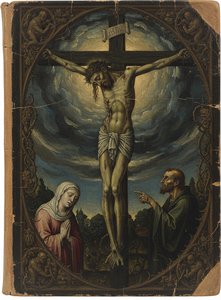
Matthias Grünewald: Devotion, Distortion & Spiritual Turmoil in Renaissance Art
Explore the profound religious art of Matthias Grünewald, master of the Isenheim Altarpiece. Discover his unique expressionism, symbolism & lasting impact on Renaissance painting. A guide for collectors and enthusiasts.


