
 Förhandsvisa
 Skicka
 Dela
Dela
 Visa detaljer
 Guide
Guide

 Ladda ner
 Liknande objekt
 Röntgen
 Bildspel
 Frågor och svar
 Statistik
St Anthony (detail)


 Visa mer
Giclée / Konsttryck
Giclée- eller canvasprint av museumskvalitet med snabb produktion och flexibla ytbehandlingsalternativ. ( Beställ handmålad reproduktion Byt till digital bild)




P118B Skr10

P118H Skr10

P118W Skr10

P438Z Skr10

P508JH Skr12

P508YH Skr12

P805H Skr10

P805Z Skr10

P919BZ Skr10

P919G Skr10

P919XJ Skr10

P959ZH Skr10

P968JZ Skr12

W106C Skr8

W218G Skr10

W218JH Skr8

W218Y Skr10

W307PJ Skr10

W316G Skr10

W316PJ Skr8

W316Y Skr10

W398PJ Skr8

W4111J Skr10

W500HY Skr15

W500JH Skr15

W692G Skr12

W849H Skr8

W940BG Skr15

W953PJ Skr8




Välj bland våra förinställda storlekar som motsvarar konstverkets ursprungliga proportioner.

Ange den bredd och höjd du behöver för att passa din ram eller vägg. Ett tryck kan endast beskäras, aldrig göras större än originalbilden, vilket innebär att ett format med en annan proportion leder till att en del av bilden går förlorad. Vi skickar en digital mockup för godkännande innan vi påbörjar tryckningen. Bilden som visas på denna sida visar inte den faktiska beskärningen — det är endast mockuppen som gör det.
Leverans över hela världen () på 2 veckor istället för standard 4/5 veckor. (5 november)

Fri expressfrakt över hela världen

Högkvalitativ linnecanvas

Fullständig fraktförsäkring

Garantier för återbetalning av tullavgifter

Garantier för exakt färgåtergivning

100 dagars returrätt (endast vid fel)

100% pengarna tillbaka-garanti

Mängdrabatt erbjuds
 Glasalternativet är endast tillgängligt i storlekar under 110 cm.

St Anthony (detail)
Giclée / Konsttryck
Storlek på reproduktion
-


Slutgiltigt pris
Skr 811
The Weight of the Desert: A Study in Medieval Devotion
Matthias Grünewald’s “St Anthony (detail)” is not merely a portrait; it's an immersion into the psychological and spiritual landscape of 16th-century Germany. Painted around 1515, this intimate depiction captures a moment of profound contemplation within the saint’s solitary desert existence – a world rendered with startling realism amidst the conventions of late medieval art. The painting immediately draws the eye to Anthony's face: etched with lines of worry and deep thought, his gaze is directed slightly off-center, suggesting an internal struggle, a battle waged not against external foes but against the seductive whispers of temptation. The muted palette – dominated by earthy browns, ochres, and subtle blues – reinforces this sense of introspection, creating a space that feels both grounded and profoundly melancholic.
- Technique: Grünewald’s mastery lies in his meticulous attention to detail. The texture of Anthony's beard is rendered with an almost sculptural quality, each strand meticulously painted; the folds of his crimson cloak are subtly defined, conveying a sense of weight and movement. The use of *sfumato*, a technique borrowed from Renaissance masters, softens the edges and creates a hazy atmosphere, contributing to the painting’s dreamlike quality.
- Composition: The composition is deliberately restrained, focusing entirely on Anthony and his immediate surroundings. This intensifies the sense of isolation and draws the viewer into the saint's inner world. The dark background serves to further isolate the figure, emphasizing his vulnerability and spiritual struggle.
Echoes of the Isenheim Altarpiece
“St Anthony (detail)” is inextricably linked to Grünewald’s monumental Isenheim Altarpiece, a work that profoundly shaped the artist's style and vision. While the altarpiece itself is a complex tapestry of religious imagery, this panel offers a concentrated distillation of its core themes: temptation, solitude, and the enduring power of faith. The stylistic similarities are striking – the same dramatic use of light and shadow, the same intense emotionality, and the same willingness to depict human suffering with unflinching honesty. It’s believed that Grünewald was working on this detail while simultaneously contributing to the larger altarpiece project, demonstrating a remarkable capacity for simultaneous creation.
Research Note: The Isenheim Altarpiece offers an unparalleled opportunity to witness Grünewald’s artistic genius in full context, revealing the depth and complexity of his vision.Symbolism: The Desert's Silent Language
Beyond its immediate depiction of St. Anthony, the painting is laden with symbolic meaning. The barren landscape surrounding the saint represents the harsh realities of desert life – a place of deprivation, solitude, and constant temptation. The small cell within the ruined tower symbolizes Anthony’s retreat into himself, his dedication to prayer and contemplation. The presence of the demonic figures, rendered in shadowy detail, underscores the ongoing struggle against evil that defines the saint's journey. Notably, the inclusion of a small crucifix within the cell suggests the ultimate source of strength and salvation – a reminder of Christ’s sacrifice and the promise of redemption.
- The Red Hat: The distinctive red hat worn by Anthony is not merely decorative; it's a symbol of his dedication to the Franciscan Order, signifying humility and service.
- The Deer: The deer in the foreground represents worldly desires and temptations, subtly hinting at the challenges Anthony faces in maintaining his spiritual purity.
A Window into the Soul
“St Anthony (detail)” transcends its status as a mere religious painting; it’s a profound meditation on human nature – on our capacity for both great suffering and enduring faith. Grünewald's ability to capture the weight of the desert, the intensity of inner turmoil, and the quiet dignity of a man wrestling with his demons is truly remarkable. This intimate portrait invites viewers to contemplate their own struggles, their own temptations, and their own search for meaning in a world often characterized by uncertainty and despair. It remains a powerful testament to the enduring legacy of one of Germany’s greatest Renaissance artists.
Frågor och svar
Vilken fas av Matthias Grünewalds konstnärliga utveckling representerar "St Anthony (detail)"?
Inom Matthias Grünewalds karriär tillhör "St Anthony (detail)" perioden Late Renaissance. Denna fas underlättar jämförelser med konstnärens övriga verk.
Hur är färgkompositionen i "St Anthony (detail)" av Matthias Grünewald uppbyggd?
I "St Anthony (detail)" förenas en Statement kontrast med en Strong Color Unity harmoni.
Varför är upphovsrättsläget för "St Anthony (detail)" som det är?
"St Anthony (detail)" av Matthias Grünewald är allmän egendom – upphovsrätten har löpt ut. Upphovsrätten beräknas utifrån konstnärens dödsår, och Matthias Grünewald avled år 1528.
Konstnärsbiografi
Matthias Grünewald - Life and Artistic Beginnings
Matthias Grünewald (sannolikt Mathis Gothart Neithardt) född 1475 eller 1480 i Würzburg, död 31 augusti 1528 i Halle, var en tysk målare av religiös konst som förkunnade den nordliga renässansens visionära och uttrycksfulla stil. Han följde efter Albrecht Dürer och Lucas Cranach den Äldre och skapade ett eget konstnärligt språk som präglades av djupa känslor och detaljrikedom. Hans verk var unika i sitt sätt att förmedla religiösa berättelser genom dramatiska färger och dynamiska kompositioner, vilket skiljer honom från sina mest framstående samtida. Han var särskilt verksam inom den tyska renässansen och är en av de största konstnärerna inom denna epok. Det är mycket lite känt om Grünewalds barndom och utbildning, trots att hans verk har haft ett enormt inflytande på senare konsthistoria. Han fick träna som konstnär i lokala workshops och utvecklade sina färdigheter genom att studera mästarnas teknik och stil. Hans första målningar är av religiös karaktär och visar en stark påverkan från den senmedeltida konsttraditionen, där realism och emotionell intensitet var viktiga kvaliteter. Detta skiljer honom från den italienska renässansens fokus på klassisk harmoni och symmetri.- Han är född omkring 1475 eller 1480 i Würzburg.
- Han fick träna som konstnär i lokala workshops.
Major Works and Artistic Style
Grünewalds konstnärliga utveckling präglades av influenser från Albrecht Dürer och Martin Schongauer, men han skapade också ett eget stilistiskt språk som skiljer honom från sina samtida. Han var särskilt verksam inom den tyska renässansen och är en av de största konstnärerna inom denna epok. Hans verk visar ofta komplexa kompositioner och användning av färger som förmedlar djupa känslor och psykologisk komplexitet. Detta skiljer honom från många andra konstnärer av sin tid, särskilt Albrecht Dürer och Lucas Cranach den Äldre. Han var en mästare på att skapa dramatiska bilder genom användningen av ljus och skugga samt genom detaljrikedom i sina verk.- Kristusbäraren (Isenheim Altarpiece): Detta mästerverk är Grünewalds största prestation och anses vara ett av världens viktigaste religiösa målningar.
- Kristi korsfästelse: Tidigt verk som visar hans utvecklande stil och användning av dramatiska färger och anatomisk detaljrikedom.
The Isenheim Altarpiece - A Masterpiece of Suffering and Redemption
Det mest ikoniska arbetet av Grünewald är utan tvekan *Kristusbäraren*, som skapades mellan 1512 och 1516 för St. Hildegardis kyrka i Colmar, Frankrike. Detta altarpiece är ett exempel på den nordliga renässansens konstnärliga stil och är känt för sin häpnadsväckande realism och dramatiska användning av färger. Altarpiecen föreställer scenen från Kristi korsfästelse och uppståndelse med hjälp av detaljerade figurer och komplexa kompositioner som förmedlar både lidande och hopp om räddning. Grünewald använde sig av teknik där grisaille används för att skapa effektiva ljus och skuggor samt för att förstärka känslan av djup och perspektiv, vilket var ovanligt för tiden och skiljer honom från många andra konstnärer av sin generation. Detta arbete är ett exempel på hur Grünewald lyckades förmedla komplexa religiösa teman genom visuella element och tekniska färdigheter. Altarpiecen är också ett viktigt verk inom konsthistorien eftersom den visar hur Grünewald kunde skapa bilder som både var estetiskt imponerande och psykologiskt träffsäkra. Detta arbete har inspirerat många senare konstnärer och fortsätter att fascinera publiken över hela världen."
Matthias Grünewald
1480 - 1528 , Tyskland
Kortfakta
- Artistic Movement Or Style: Senmedelhavskonst
- Artists Who Influenced This Artist:
- Albrecht Dürer
- Martin Schongauer
- Date Of Birth: c. 1475/1480
- Date Of Death: 31 augusti 1528
- Full Name: Matthias Grünewald
- Nationality: Tysk
- Notable Artworks:
- Isenheim Altarpiece
- Kristi begabbelse
- Raphael Sadeler I
- Place Of Birth: Würzburg, Tyskland
Relaterade artiklar

Divine Splendor: A Guide to the Sacred Beauty and Symbolic Depth of High Medieval Art
Embark on a scholarly journey through the sacred beauty of High Medieval art. Discover the profound symbolism, luminous iconography, and spiritual depth of Gothic masterpieces in this expert guide for classical art enthusiasts.
High Medieval Art: 10 Masterpieces That Shaped an Era | OriginalUniqueArt
Journey through High Medieval Art! Explore 10 iconic masterpieces – from Giotto's frescoes to stunning Gothic cathedrals. Discover the stories behind these timeless paintings, sculptures & illuminated manuscripts. Find museum-quality art reproductions at OriginalUniqueArt.com.
Late Medieval Masterpieces: 10 Artworks That Defined an Era | OriginalUniqueArt
Journey through 10 defining Late Medieval masterpieces – from Giotto's frescoes to Jan van Eyck’s realism. Explore the stories, techniques & vibrant colors of Gothic art. Find museum-quality reproductions and elevate your home decor with OriginalUniqueArt.com! Discover all masterpieces on OriginalUniqueArt.com
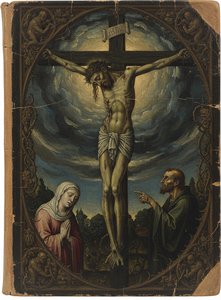
Matthias Grünewald: Devotion, Distortion & Spiritual Turmoil in Renaissance Art
Explore the profound religious art of Matthias Grünewald, master of the Isenheim Altarpiece. Discover his unique expressionism, symbolism & lasting impact on Renaissance painting. A guide for collectors and enthusiasts.

El Grecos 25 Mästerverk: En Konsthistorisk Resa för Hemmet & Själens Frid
Utforska El Grecos 25 mest ikoniska tavlor! Fördjupa dig i spansk renässanskonst, dramatik och sakrala motiv. Köp högkvalitativa konsttryck & inred med tidlösa mästerverk från OriginalUniqueArt.com.


