
 Visa i rummet
 Skicka
 Dela
Dela
 Detaljer
 Studentguide för konstverk

 Ladda ner
 Liknande objekt
 Röntgen
 Bildspel
 Besökstatistik
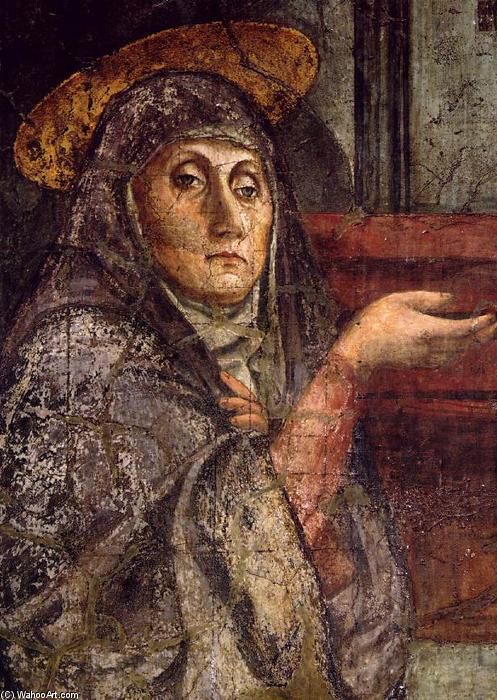
Trinity (detail)


 Läs mer
Giclée / Konsttryck
Giclée- eller canvasprint av museumskvalitet med snabb produktion och flexibla ytbehandlingsalternativ. ( Köp handmålat konstverk Byt till digital bildförsäljning)




P118B Skr10

P118H Skr10

P118W Skr10

P438Z Skr10

P508JH Skr12

P508YH Skr12

P805H Skr10

P805Z Skr10

P919BZ Skr10

P919G Skr10

P919XJ Skr10

P959ZH Skr10

P968JZ Skr12

W106C Skr8

W218G Skr10

W218JH Skr8

W218Y Skr10

W307PJ Skr10

W316G Skr10

W316PJ Skr8

W316Y Skr10

W398PJ Skr8

W4111J Skr10

W500HY Skr15

W500JH Skr15

W692G Skr12

W849H Skr8

W940BG Skr15

W953PJ Skr8




Välj bland våra förinställda storlekar som motsvarar konstverkets ursprungliga proportioner.

Ange den bredd och höjd du behöver, för att passa din ram eller din vägg. Ett tryck kan endast beskäras, aldrig göras större än bilden, vilket innebär att ett format med en annan formform leder till att en del av bilden går förlorad. Vi skickar en digital mockup för godkännande innan vi trycker något. Bilden som visas på denna sida visar inte den faktiska beskärningen — det är endast mockuppen som gör det.
Leverans över hela världen () på 2 veckor istället för standard 4/5 veckor. (20 oktober)

Fri expressfrakt över hela världen

Högkvalitativ linnecanvas

Fullständig fraktförsäkring

Garantier för återbetalning av tullavgifter

Garantier för exakt färgåtergivning

100 dagars returrätt vid fabrikationsfel

100% pengarna tillbaka-garanti

Mängdrabatt erbjuds
 Glasalternativet är endast tillgängligt i storlekar under 110 cm.

Trinity (detail)
Giclée / Konsttryck
Reproduktionsstorlek
-


Totalpris
Skr 787
Om konstnären
Masaccio (1401-1428): The Dawn of Renaissance Realism
Tommaso di Ser Giovanni di Simone Guidi Cassai, better known as Masaccio (meaning "clumsy Tom"), was a pivotal figure in the Early Italian Renaissance. Born on December 21, 1401, in San Giovanni Valdarno, Italy, and dying tragically young in 1428, his brief career revolutionized painting with groundbreaking realism, perspective, and chiaroscuro (the use of strong contrasts between light and dark). Despite his short life, Masaccio’s impact on subsequent generations of artists was profound, establishing a new standard for naturalism and influencing the course of Western art.Early Life and Training
Masaccio's origins were humble; he descended from a family involved in cabinet making – Ser Giovanni di Simone Cassai, his father, was a notary, and Monna Iacopa di Martinozzo di Dino, his mother. Orphaned at age five when his father died unexpectedly, Masaccio’s brother, Giovanni (Lo Scheggia), also pursued artistic endeavors, though he signed only one painting – a testament to the secretive nature of Renaissance artists' lives. The details surrounding Masaccio’s formative years remain frustratingly sparse; no definitive master has been identified, which contributes to the enduring mystery surrounding his rapid ascent to artistic mastery and his revolutionary techniques. Despite this lack of documented training, scholars believe he likely apprenticed around 1415, absorbing influences from masters like Giotto di Bondone – a predecessor celebrated for his pioneering naturalism – and Filippo Brunelleschi, whose rediscovery of linear perspective fundamentally reshaped artistic representation.Artistic Development and Major Works
Masaccio’s artistic journey began with an initial fascination for Giotto's expressive frescoes in Padua Cathedral, where he meticulously studied the artist’s masterful use of color and emotion. However, Masaccio swiftly surpassed Giotto’s achievements in perspective and anatomical accuracy, demonstrating a profound understanding of mathematical principles and human anatomy—skills honed through observation and experimentation. He was profoundly impacted by Brunelleschi's architectural innovations, particularly his groundbreaking application of linear perspective in the Duomo of Florence – an endeavor that inspired Masaccio to translate these spatial concepts into his paintings. His artistic breakthroughs centered around mastering linear perspective and chiaroscuro. Masaccio skillfully employed vanishing points and mathematical precision to create a convincing illusion of depth on a two-dimensional surface, mirroring Brunelleschi’s architectural vision. Simultaneously, he achieved unparalleled realism by manipulating light and shadow—a technique known as chiaroscuro—to sculpt forms and imbue his figures with palpable emotion. This dramatic interplay of light and dark elevated Masaccio's paintings beyond mere representation; they conveyed a sense of psychological depth previously unheard of in art. Masaccio’s most celebrated achievement was undoubtedly the Brancacci Chapel frescoes in Santa Maria del Carmine, Florence – a collaborative effort with Masolino—which remain among the finest examples of Early Renaissance painting. The frescoes depict scenes from Saint Peter's life, capturing dramatic narratives and conveying profound emotional resonance through masterful use of perspective and chiaroscuro. Particularly noteworthy is “The Tribute Money,” where Masaccio’s innovative depiction of spatial recession and anatomical detail established a new standard for naturalism—a standard that would inspire Leonardo da Vinci and Michelangelo centuries later. His influence extended beyond Florence, shaping the artistic sensibilities of artists across Italy and cementing his place as one of the foundational figures of Western art history.Historical Significance and Legacy
Masaccio’s legacy transcends mere stylistic innovation; he fundamentally altered the intellectual landscape of Renaissance art. By rejecting medieval conventions and embracing humanist ideals—inspired by classical antiquity—he ushered in a new era of artistic exploration and creativity. Giorgio Vasari, the renowned biographer of artists, recognized Masaccio's genius as unparalleled, proclaiming him "the best painter of his generation" and highlighting his ability to imitate nature with breathtaking precision. Despite dying prematurely at the age of twenty-six – circumstances shrouded in mystery—Masaccio’s brief but brilliant career continues to captivate scholars and artists alike, serving as a poignant reminder of the transformative power of artistic talent and innovation. His work remains an enduring testament to the dawn of Renaissance realism and its profound impact on Western culture.
Masaccio
1401 - 1429 , Italien
Snabbfakta
- Artistic Movement Or Style: Early Renaissance
- Artists Or Movements Influenced By This Artist: ['Leonardo da Vinci']
- Artists Who Influenced This Artist:
- Giotto
- Filippo Brunelleschi
- Date Of Birth: December 21, 1401
- Full Name: Tommaso di Ser Giovanni Guidi Cassai
- Nationality: Italien
- Notable Artworks:
- Brancacci Chapel Frescoes
- Holy Trinity
- Tribute Money
- Place Of Birth: San Giovanni Valdarno, Italien
Relaterade artiklar
Konsten att leva med dig: Den emotionella kraften i en skräddarsydd interiörfresk
Upptäck freskens tidlösa skönhet! Lär dig om teknik, historia och hur du beställer en skräddarsydd interiörfresk. Expertkunskap & högsta kvalitet hos .

The Enduring Legacy of Fresco: Technique, History & Artistic Expression
Explore the rich history & enduring artistry of fresco painting. Discover techniques from Giotto to Michelangelo, conservation efforts, & modern applications. Learn how OriginalUniqueArt brings this timeless art form to your home.

The Enduring Legacy of Fresco Painting: Techniques, History & Contemporary Relevance
Explore the rich history & enduring artistry of fresco painting – from Giotto to Michelangelo! Discover techniques, conservation efforts, & modern applications. Learn how OriginalUniqueArt brings this timeless art form to your home.

Frescens arv som familjetradition: Måla din historia på väggarna
Utforska väggmålningens historia och teknik! Lär dig skapa din egen familjetradition med konst på väggen. Expertguider, inspiration & tips.

The Enduring Legacy of Fresco: Technique, History & Artistic Expression Across Cultures
Explore the rich history & enduring legacy of fresco painting! Discover ancient techniques, Giotto's masterpieces, and modern applications. Expert insights for art lovers & professionals.


