Förhandsvisa
 Skicka
 Dela
Dela
 Visa detaljer

 Ladda ner
 Liknande objekt
 Röntgen
 Bildspel
 Statistik
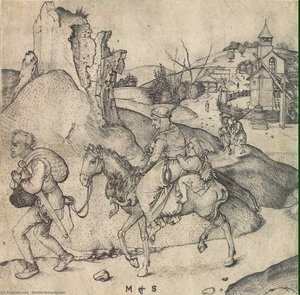
St.Michael
 Visa mer
Handgjord oljereproduktion
Handmålad olja på duk i din valda storlek och ram, tillverkad efter beställning av våra konstnärer. ( Byt till tryck Byt till digital bild)




































Välj bland våra förinställda storlekar som motsvarar konstverkets ursprungliga proportioner.

Du kan ange egna mått för att passa en specifik ram eller yta. Om den valda storleken inte matchar originalbildens proportioner kommer vi antingen att beskära konstverket eller utöka målningen med ytterligare handmålade element. En digital skiss skickas till dig för godkännande innan produktionen påbörjas.
Observera att förhandsvisningen på skärmen inte återspeglar den faktiska beskärningen eller utökningen. Endast skissen visar den slutgiltiga kompositionen korrekt.
Även om anpassade storlekar är möjliga, rekommenderar vi att du väljer en dimension från den fördefinierade listan för att bevara originalproportionerna.
Efter beställning kommer OriginalUniqueArt.com team att mejla kunden för instruktioner och tillhandahålla en skissförhandsvisning
Leverans över hela världen () på 3–4 veckor istället för standard 5 veckor. (8 september). Inga kompromisser med kvaliteten.

Fri expressfrakt över hela världen

Högkvalitativ linnecanvas

Fullständig fraktförsäkring

Garantier för återbetalning av tullavgifter

Garantier för exakt färgåtergivning

100 dagars returrätt (endast vid defekter)

100% pengarna tillbaka-garanti

Mängdrabatt erbjuds
 Glasalternativet är endast tillgängligt i storlekar under 110 cm.

St.Michael
Reproduktionsmedium
Storlek på reproduktion
-


Slutgiltigt pris
$ 300
Konstnärsbiografi
Martin Schongauer: Liv och arv
Tidigt liv och utbildning
Martin Schongauer, född omkring 1450 i Colmar i Elsass (nuvarande Frankrike), var en avgörande gestalt i utvecklingen av grafiken under den nordliga renässansen. Han kom från en familj av hantverkare; hans far, Caspar Schongauers, var en guldsmed som hade flyttat till Colmar från Augsburg i Tyskland omkring 1440. Denna bakgrund kom att prägla Martins tidiga konstnärliga fostran djupt, då guldsmedskonsten gav en solid grund i precision och metallbearbetning – färdigheter som var direkt överförbara till kopparsticket.
Utbildning och konstnärlig utveckling
År 1465 studerade Schongauer kortvarigt vid universitetet i Leipzig, men han övergav snart de akademiska sysslorna för att helt ägna sig åt konsten. Han fick sin första utbildning som målare under Caspar Isenmann, en lokal mästare som var influerad av det tidiga nederländska måleriet, och i synnerhet av Rogier van der Weydens verk. Denna tidiga exponering för den nederländska realismen och omsorgen om detaljer skulle komma att bli kännetecken för Schongauers egen unika stil.
Konstnärlig stil och influenser
Schongauers konstnärliga uttryck präglas av en klar och organiserad gotisk estetik, sammanvävd med de framväxande influenserna från den nordliga renässansen. Han saknade märkbart direkt italiensk påverkan och hämtade istället sin inspiration från tyska och tidigt nederländska traditioner. Hans verk uppvisar en minutiös detaljrikedom, uttrycksfulla figurer och en sofistikerad förståelse för komposition.
- Viktiga egenskaper: Precisionsgravering, realistiska skildringar, dramatiska berättelser, gotisk struktur
- Influenser: Rogier van der Weyden, Caspar Isenmann, tyska gotiska traditioner
Stora prestationer och verk
Schongauer är främst känd för sina 116 kopparstick, där varje blad är identifierat med hans monogram. Dessa tryck spreds vidsträckt över hela Europa och fick en betydande inverkan på utvecklingen av grafiska tekniker och konstnärliga stilar. Hans gravyrer skildrade ofta religiösa scener, porträtt och allegoriska motiv.
- Madonna i Rosengården (1473): En betydelsefull målning som visar hans förmåga att avbilda delikata detaljer och emotionellt djup.
- Kopparstick: Inklusive Sankt Antonius frestelse, Hyrdenas tillbedjan och många andra, vilka demonstrerar hans mästerskap inom gravyren.
Historisk betydelse och arv
Martin Schongauers inverkan på konstvärlden var omfattande. Han var en av de första tyska konstnärerna som uppnådde internationellt erkännande som gravör. Hans tryck var högt eftertraktade och kopierades i stor skala, vilket spred hans konstnärliga stil över hela Europa. Det är till och med dokumenterat att Michelangelo själv studerade och kopierade ett av Schongauers kopparstick – Sankt Antonius prövning – vilket vittnar om den höga vördnad som senare mästare kände för Schongauer.
Schongauers arbete överbryggade klyftan mellan gotisk konst och renässansen, och banade väg för konstnärer som Albrecht Dürer. Hans innovativa användning av gravyrtekniker och hans hängivenhet till konstnärlig detalj lämnade ett bestående arv inom den grafiska historien och den nordeuropeiska konsten.
Död
Martin Schongauer avled i Breisach den 2 februari 1491, och efterlämnade ett enastående konstnärskap som än idag hyllas för sin konstnärliga kvalitet och historiska betydelse.

Martin Schongauer
1450 - 1491 , Frankrike
Kortfakta
- Artistic Movement Or Style: Gothic och Nordens Renässans
- Artists Or Movements Influenced By This Artist: ['Albrecht Dürer']
- Artists Who Influenced This Artist:
- Rogier van der Weyden
- Caspar Isenmann
- Date Of Birth: ca 1450–53
- Full Name: Martin Schongauer
- Nationality: Tysk
- Notable Artworks:
- Madonna i Rosengården
- St. Antonius förödmjukande
- Place Of Birth: Colmar, Alsace
Relaterade artiklar
10 ikoniska gravyrer som förändrade konsthistorien – Upptäck mästerverk för ditt hem
Utforska 10 legendariska gravyrer av Dürer, Rembrandt & Goya! Upptäck konsthistorien bakom mästerverk från renässans till romantik. Köp museumkvalitativa tryck och förvandla ditt hem med tidlös skönhet på OriginalUniqueArt.com.

Engraving: A Historical Survey of Technique, Artistic Expression & Enduring Legacy
Explore the rich history of engraving with OriginalUniqueArt. Discover techniques, iconic artists like Dürer & Callot, collecting tips, and expert guidance for preserving your art investment. Learn about intaglio printing & more!
The Art of Engraving: Mastering Precision and Detail in the Intaglio Tradition
Explore the profound mastery of engraving and intaglio printmaking. Delve into the rich history, technical precision of the burin, and the enduring legacy of fine art techniques that shaped the world's most iconic masterpieces.

Gravyrkonstens Intrikata Värld: En Historisk Översikt över Teknik, Konstnärligt Uttryck och Bestående Arv
Utforska gravyrkonstens fascinerande värld – från dess tidiga ursprung till moderna tekniker. Lär dig om kopparstick, intaglio och kända mästare. Expertinsikter & historisk översikt.

Gothic Vibes: From Dark Shadows to Bold Modern Edge | The Ultimate Trend Forecast
Explore the evolution of Gothic vibes, from historical shadows to bold modern edge. Discover how dark aesthetics, noir interiors, and contemporary subcultures are redefining modern design through a high-impact, trend-focused lens.