
 Förhandsvisa
 Skicka
 Dela
Dela
 Visa detaljer
 Guide
Guide

 Ladda ner
 Liknande objekt
 Röntgen
 Bildspel
 Frågor och svar
 Statistik
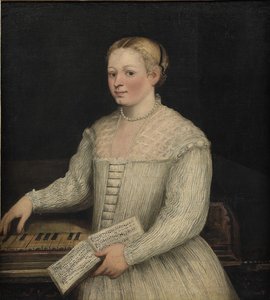
Self-Portrait


 Visa mer
Få en utskriftsfärdig fil som vida överträffar webbförhandsvisningen. Varje digital bild vi säljer kommer från en högupplöst master i vår bilddatabas – vanligtvis mellan 5 000 och 15 000 pixlar bred – så att du med trygghet kan göra stora utskrifter, beskära tätt eller återge fina detaljer.
Ingen fil lämnar vår studio utan att ha bearbetats. En digital expert kontrollerar färgerna mot originalmålningen och korrigerar dem vid behov, för att sedan förbättra skärpa och detaljrikedom med professionella retuscheringsverktyg — alltid med full respekt för konstnärens penseldrag och stil. Resultatet är en bild som ser ut som målningen, inte som en filtrerad skanning.
Du godkänner innan arbetet slutförs: vår expert skickar bilden via e-post inom 72 timmar för din granskning. Inte nöjd? Be om förbättringar eller korrigeringar, eller begär återbetalning om kvaliteten inte lever upp till förväntningarna.
Detta är den kvalitet som förlag, designstudior, gallerier och tryckerier litar på.
Digital bild
Ladda ner en högupplöst fil för personlig visning, utskrift och kreativa projekt. ( Byt till tryck Beställ handmålad reproduktion)
Ingår i varje beställning av digital bild
Professionell digital leverans, garanterad
När du väljer OriginalUniqueArt.com får du inte bara en bild – du får ett professionellt förädlat digitalt konstverk, skapat med precision och med en garanterad tillfredsställelse. Här är allt som ingår i din beställning, automatiskt:

Snabb leverans via e-post
Din högupplösta digitala bild skickas till dig via e-post inom 72 timmar efter beställning – redo för omedelbar användning.

AI-förbättrad digital fil
Ditt konstverk optimeras professionellt med hjälp av avancerade AI-verktyg och manuell redigering, vilket garanterar maximal detaljrikedom, skärpa och färgnoggrannhet.

Fri livstidsåterleverans
Har du råkat radera eller tappa bort din fil? Ingen oro – vi skickar den kostnadsfritt till dig när som helst.

Inga importavgifter – någonsin
Njut av ditt konstverk omedelbart utan tull, importavgifter eller leveranskostnader – digitala nedladdningar är alltid skattefria.

Garanterad färgåtergivning
Vi säkerställer att din digitala bild återger de ursprungliga färgerna så exakt som möjligt med hjälp av professionella verktyg och färghantering.

100 dagars nöjdhetsgaranti
Om du inte är nöjd med din digitala bild kommer vi att revidera den eller återbetala 100% inom 100 dagar – utan frågor.

100% pengarna-tillbaka-garanti
Inte nöjd? Få full återbetalning inom 100 dagar efter att du mottagit din digitala fil – utan frågor.

Rabatt vid storköp
Köp 3 bilder, spara 10% – Köp 5, spara 15% – Köp 10+, spara 20%. Perfekt för kreativa projekt, gallerier och byråer.
The Quiet Resonance of Genius: A Portrait of Marietta Robusti
To stand before this depiction of Marietta Robusti is to encounter not merely a likeness, but a moment suspended in the rich, vibrant tapestry of late Renaissance Venice. The air around her seems thick with the scent of aged varnish and the ghost notes of music yet unplayed. She is captured in an intimate, three-quarter pose, seated before the elegant expanse of a harpsichord. Her gaze, though directed slightly away from the viewer, possesses an undeniable intelligence—a quiet dignity that speaks volumes of her intellect and artistic immersion. The composition itself guides the eye with masterful subtlety; the gentle diagonal sweep created by her posture and the instrument anchors the scene, while the dark, undifferentiated background serves to heighten the luminosity emanating solely from her figure.
Technique and Material Mastery
The artist, working in a style deeply rooted in Venetian portraiture, demonstrates an exquisite command of oil paint. One can almost feel the meticulous layering that gives depth to the textures presented. Observe the contrast between the smooth, porcelain quality of her skin—highlighted by soft, diffused light catching her cheekbone—and the crisp articulation of the lace at her collar. The handling of fabric is particularly noteworthy; the woven texture of her gown and the delicate folds suggest a painter who understood how light interacts with different materials. The inclusion of sheet music adds another layer of technical brilliance, requiring fine, precise lines to delineate the paper's edges against the polished wood of the keyboard. This attention to varied surface quality elevates the piece beyond simple representation into a study of material existence.
A Window into Venetian Culture and Ambition
This portrait is more than just a depiction of a musician; it is a cultural artifact from 1580 Venice. Marietta, daughter of the celebrated Tintoretto, lived within an environment where artistic genius was both nurtured and constrained by social expectation. The presence of the instrument and music serves as potent symbolism: it speaks to her cultivated talent, perhaps hinting at patronage or the intellectual life afforded to women of means. Her attire subtly communicates her standing within Venetian society. It is a portrait steeped in the gravity of an era where art was inextricably linked to status, making her quiet composure feel like a declaration of self-worth.
Emotional Echoes for the Modern Collector
For the contemporary collector or designer seeking pieces that breathe history into modern interiors, this reproduction offers profound emotional resonance. The mood is one of contemplative beauty—a sense of focused artistry and enduring grace. It invites quiet reflection, suggesting that true genius often resides not in grand pronouncements, but in moments of deep concentration. Owning a piece like this allows one to curate an atmosphere steeped in the romance of the Renaissance masters, bringing home a tangible echo of Venetian brilliance.
Frågor och svar
Hur intensiv är färgsättningen i "Self-Portrait" av Marietta Robusti?
"Self-Portrait" av Marietta Robusti har en Monochromatic färgintensitet.
Vilken är den emotionella tonen i "Self-Portrait" av Marietta Robusti?
Den emotionella tonen som har registrerats för "Self-Portrait" av Marietta Robusti är Reflective. Den sammanfattar den känsla som verket uttrycker.
Var i Marietta Robustis karriär placerar sig "Self-Portrait"?
Inom Marietta Robustis karriär tillhör "Self-Portrait" perioden Renaissance. Denna fas underlättar jämförelser med konstnärens övriga verk.
Konstnärsbiografi
Marietta Robusti: En venetiansk dotters penseldrag
1500-talets Venedig var en smältdegel för konstnärlig innovation och sociala begränsningar, en plats som frambringade en anmärkningsvärande gestalt – Marietta Robusti, ofta känd som ”la Tintoretta”. Som dotter till den berömda mästaren Jacopo Robusti, bättre känd som Tintoretto, navigerade hon genom ett utmanande landskap för kvinnliga konstnärer. Hon lämnade efter sig ett arv av subtil briljans och en gripande berättelse om ambition, familj och en förtida död. Hennes liv, som är höljt i mystik på grund av begränsade primärkällor, erbjuder en fascinerande inblick i den venetianska konstproduktionens dynamik under denna avgörande era.
Marietta föddes omkring 1560 – även om det exakta året debatteras mellan 1555 och 1560 – och hennes tidiga liv var oskiljaktigt knutet till sin fars verkstad. Tintorettos studio var inte bara en arbetsplats; det var en levande, kollaborativ miljö där konstnärliga tekniker förfinades genom delade erfarenheter. Även om den exakta naturen av hennes utbildning förblir något dunkel, tros hon ha bidragit betydligt till Tintorettos projekt, främst genom att utföra bakgrunder och skissa upp figurer – uppgifter som typiskt sett tilldelades kvinnor inom den etablerade verkstadshierarkin. Detta var inte enbart enkla sysslor; det var ett avgörande element i skapandeprocessen, vilket gjorde det möjligt för henne att absorbera mästarens tekniker och utveckla sin egen konstnärliga känsla.
En dotters lärlingsskap och konstnärliga identitet
Mariettas smeknamn, ”la Tintoretta”, speglar både hennes härkomst och hennes särpräglade stil. Det kan översättas till ”lilla färgaren flickan”, en blinkning till hennes farfars yrke – en tintore, eller färgare – och anspelar subtilt på de livfulla färger som kännetecknade Tintorettos verk. Hennes familjehistoria var komplex; hennes far hade gift sig med Faustina Episcopi, som senare avled, och han gifte sig därefter igen, vilket tillförde tre halvbröder till den närmaste familjen. Denna sammansatta familjestruktur påverkade utan tvivel Mariettas uppväxt.
Intressant nog avslöjar berättelser från tiden att Marietta antog en maskulin skepnad – genom att klä sig som en pojke – under sina tidiga år hos Tintoretto. Detta okonventionella val var inte bara en barnslig nyck; det var en medveten strategi för att få tillträde till verkstaden och delta mer fullt ut i den konstnärliga processen, i trots mot tidens samhälleliga förväntningar på kvinnor. Carlo Ridolfi, Tintorettos biograf, beskriver denna period levande och belyser Mariettas nära band till sin far och hans uppenbara kärlek till henne.
Betydande verk och konstnärlig stil
Trots de begränsningar som lades på kvinnliga konstnärer lyckades Marietta Robusti sätta ett tydligt avtryck på den venetianska konsten. Även om hon inte fick självständiga uppdrag för stora religiösa verk som altartavlor – en vanlig väg för manliga målare – är hennes bidrag ändå betydelsefulla. Den mest vedertagna tillskrivningen är hennes ”Venetiansk kvinna” (kring 1580), som för närvarande finns i Uffizigalleriet i Florens. Detta porträtt, rikt på praktfulla färger och eleganta detaljer, uppvisar hennes förmåga att fånga likhet och förmedla en känsla av värdig samladhet.
Vidare assisterade hon sin far i flera betydande målningar, inklusive ”Porträtt av Ottavio Strada” (1567), vilket demonstrerar hennes förståelse för Tintorettos signifikanta chiaroscuro-teknik – den dramatiska användningen av ljus och skugga som definierar hans stil. Hennes arbete innefattade ofta skapandet av atmosfäriska bakgrunder och en subtil formgivning av figurer inom en komposition, vilket bidrog till målningarnas övergripande harmoni och dynamik.
Ett tragiskt slut och ett bestående arv
Mariettas liv fick ett tragiskt slut år 1590 vid endast trettio års ålder. Hon avled i samband med en förlossning, ett vanligt öde för kvinnor under denna era. Hennes död påverkade Tintoretto djupt; det sägs att han skapade ett gripande postumt porträtt av henne vid hennes dödsbädd – en bild som talar klarspråk om deras djupa och bestående band.
Efter hennes bortgång överskuggades Mariettas konstnärliga prestationer till stor del av sin fars. Men under de senaste decennierna har forskare börjat erkänna betydelsen av hennes bidrag och utmana den traditionella berättelsen som har reducerat henne till en fotnot i den venetianska konsthistorien. Hennes historia tjänar som en kraftfull påminnelse om de hinder som kvinnliga konstnärer mötte under renässansen, och om det bestående arvet efter en talangfull kvinna som trotsade konventioner genom sin skicklighet, sin beslutsamhet och sina familjära band.
Vidare utforskning
- Marietta Robusti (1554 - 1590) - OriginalUniqueArt.com: Utforska hennes biografi och konstverk på WaooArt.com
- Porträtt av Ottavio Strada: Upptäck detta mästerverk på OriginalUniqueArt.com
- Venetiansk kvinna (tillskriven): Visa ”Venetiansk kvinna” på OriginalUniqueArt.com
- Wikipedia - Marietta Robusti: Läs mer om hennes liv och verk på Wikipedia
Marietta Robusti
1554 - 1590 , Italien
Kort om konstnären
- Artistic Movement Or Style: Renässansen
- Artists Or Movements Influenced By This Artist: ['Tintoretto']
- Artists Who Influenced This Artist: ['Tintoretto']
- Date Of Birth: 1554
- Date Of Death: 1590
- Full Name: Marietta Robusti
- Nationality: Italiensk
- Notable Artworks:
- Självporträtt
- Porträtt av Ottavio Strada
- Place Of Birth: Venedig, Italien