 Förhandsvisa
 Skicka
 Dela
Dela
 Visa detaljer
 Guide
Guide

 Ladda ner
 Liknande objekt
 Röntgen
 Bildspel
 Frågor och svar
 Statistik
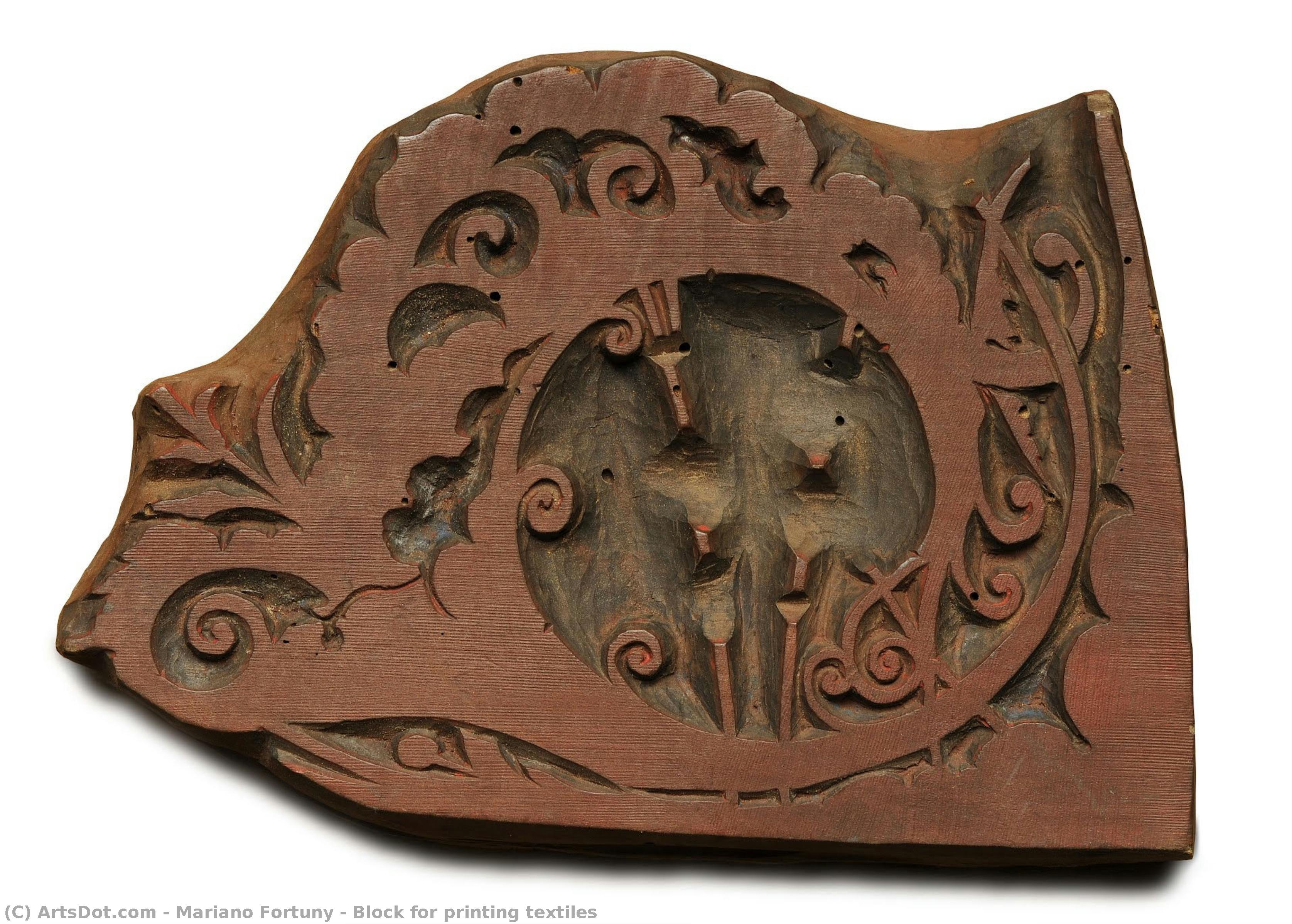
Block for printing textiles


 Visa mer
Giclée / Konsttryck
Giclée- eller canvasprint av museumskvalitet med snabb produktion och flexibla ytbehandlingsalternativ. ( Beställ handmålad reproduktion Byt till digital bild)




P118B Skr10

P118H Skr10

P118W Skr10

P438Z Skr10

P508JH Skr12

P508YH Skr12

P805H Skr10

P805Z Skr10

P919BZ Skr10

P919G Skr10

P919XJ Skr10

P959ZH Skr10

P968JZ Skr12

W106C Skr8

W218G Skr10

W218JH Skr8

W218Y Skr10

W307PJ Skr10

W316G Skr10

W316PJ Skr8

W316Y Skr10

W398PJ Skr8

W4111J Skr10

W500HY Skr15

W500JH Skr15

W692G Skr12

W849H Skr8

W940BG Skr15

W953PJ Skr8




Välj bland våra förinställda storlekar som motsvarar konstverkets ursprungliga proportioner.

Ange den bredd och höjd du behöver för att passa din ram eller vägg. Ett tryck kan endast beskäras, aldrig göras större än originalbilden, vilket innebär att ett format med en annan proportion leder till att en del av bilden går förlorad. Vi skickar en digital mockup för godkännande innan vi påbörjar tryckningen. Bilden som visas på denna sida visar inte den faktiska beskärningen — det är endast mockuppen som gör det.
Leverans över hela världen () på 2 veckor istället för standard 4/5 veckor. (6 november)

Fri expressfrakt över hela världen

Högkvalitativ linnecanvas

Fullständig fraktförsäkring

Garantier för återbetalning av tullavgifter

Garantier för exakt färgåtergivning

100 dagars returrätt (endast vid fel)

100% pengarna tillbaka-garanti

Mängdrabatt erbjuds
 Glasalternativet är endast tillgängligt i storlekar under 110 cm.

Block for printing textiles
Giclée / Konsttryck
Storlek på reproduktion
-


Slutgiltigt pris
Skr 811
A Whisper of Geometry: Unveiling Mariano Fortuny’s ‘Block for Printing Textiles’
Mariano Fortuny y Madrazo, a name synonymous with the opulent elegance of 19th-century Spain and beyond, wasn't merely a painter; he was a revolutionary designer, a master craftsman, and an inventor who fundamentally reshaped the world of theatrical lighting and textile production. His ‘Block for Printing Textiles’ (1905), now meticulously reproduced by OriginalUniqueArt.com, offers a rare glimpse into this multifaceted genius – a tangible embodiment of his fascination with geometry, Celtic motifs, and the interplay of light and shadow. This isn't simply a decorative block; it’s a concentrated distillation of Fortuny’s artistic vision, a testament to his meticulous hand, and a window into a period of intense experimentation and innovation.
The Language of Form: Geometry and Celtic Echoes
At first glance, the block’s surface appears deceptively simple – a dense arrangement of swirling lines and geometric shapes rendered in shades of reddish-brown. However, closer inspection reveals a complex tapestry of interlocking patterns, echoing the intricate designs found in Celtic knotwork. Fortuny was deeply influenced by Orientalist art, particularly the decorative motifs of Morocco, but he also possessed a profound appreciation for ancient European traditions, evident in this subtle homage to the Celtic aesthetic. The precise execution suggests a deliberate attempt to capture not just visual form, but also the inherent dynamism and interconnectedness of these patterns – a concept central to Fortuny’s broader artistic philosophy.
A Legacy Forged in Light: Technique and Innovation
The creation of this block represents a pivotal moment in Fortuny's career. He was actively experimenting with new techniques for creating theatrical lighting, particularly his ‘cyclorama dome,’ a revolutionary device that utilized reflected light to create seamless transitions between scenes in grand opera houses. This block is believed to be a prototype or working model for these larger-scale installations – a miniature representation of the complex systems he devised to manipulate and control light. The meticulous carving demonstrates an extraordinary level of skill, requiring not only artistic vision but also a deep understanding of materials and their properties. Fortuny’s inventive spirit extended beyond lighting; his patents reveal a relentless pursuit of innovation in various fields, including textiles, ceramics, and even furniture design.
Beyond Decoration: Symbolism and the Fortuny Aesthetic
While undeniably beautiful, ‘Block for Printing Textiles’ transcends mere decorative function. It embodies Fortuny's broader aesthetic – one characterized by a harmonious blend of geometry, asymmetry, and a subtle sense of mystery. The swirling patterns evoke movement and dynamism, while the restrained color palette creates an atmosphere of sophisticated elegance. Fortuny sought to capture not just the appearance of reality but also its underlying essence—a pursuit reflected in his meticulous attention to detail and his innovative use of light and shadow. This block is a tangible manifestation of that quest – a miniature world brimming with artistic intention.
Collecting a Masterpiece: Reproduction and Preservation
OriginalUniqueArt.com offers high-quality, hand-painted reproductions of this extraordinary work by Mariano Fortuny. Each reproduction meticulously recreates the original block’s intricate details, capturing its unique texture and color palette. Choosing a reproduction allows you to bring this captivating piece into your home or office, celebrating Fortuny's legacy while preserving the integrity of his artistic vision. Explore our selection today and experience the enduring beauty of ‘Block for Printing Textiles.’
Frågor och svar
När skapades "Block for printing textiles" och vilken stilriktning tillhör det?
"Block for printing textiles" skapades år 1905 inom Art Nouveau-rörelsen.
Finns det en guide för "Block for printing textiles" av Mariano Fortuny?
En Faktablad för elever-sida finns tillgänglig för "Block for printing textiles" av Mariano Fortuny: ett utskrivbart faktablad om konstverket, utformat för studenter och undervisning i klassrummet.
Vilket medium är "Block for printing textiles" av Mariano Fortuny utförd i?
Mariano Fortuny använde tekniken Woodblock Print för "Block for printing textiles". Tekniken definierar det ursprungliga verkets materiella karaktär.
Konstnärsbiografi
Early Life and Inspiration
Mariano Fortuny, en spansk-italiensk konstnär och designer, föddes den 11 maj 1871 i Granada, Spanien. Hans barndom präglades av ett tragiskt förlust – hans far, Mariano Fortuny y Marsal, en framstående genrepjänt, dog bara tre år gammalt. Denna tidiga sorg ledde familjen till Paris, Frankrike, där hans mor introducerade honom till den rika världen av textilier och tyger som skulle komma att forma hans kreativa vision. Fortuny visade redan i ung ålder en exceptionell konstnärlig talang, med skicklighet inom måleri, fotografi, skulptur, arkitektur, grafitering och teaterns ljussättning. Hans tidiga intresse för material och deras potential var tydligt, och han experimenterade flitigt med olika färger och tekniker, ofta inspirerad av de exotiska mönstren i orientalistiska textilier som hans mor samlade in under sina resor. Denna tidiga exponering för konst och design skulle senare bli grunden för hans unika stil.Artistic Talents and Revolutionary Inventions
Från sin ungdom utmärkte sig Mariano Fortuny med en mångsidig talang, demonstrerad genom skicklighet i måleri, fotografi, skulptur, arkitektur, grafitering och teaterns ljussättning. Han var inte bara en konstnär utan också en innovatör – en uppfinnare som revolutionerade scenkonsten under sin tid. Fortuny utvecklade över tjugo patent mellan 1901 och 1934, vilket inkluderade den banbrytande "Fortuny-cyklorama"-domen, en kvart-dom med plaster eller tyg som skapade en sömlös övergång mellan scener genom indirekt belysning. Hans essä "Eclairage Scenique" (1904) beskrev hans upptäckt av att reflektera ljus från olika ytor, vilket förändrade dess färg, intensitet och egenskaper. Dessa innovationer var inte bara tekniska framsteg utan också en reflektion av hans djupa fascination för ljus och skugga, och hur de kunde användas för att skapa illusioner och atmosfär. Fortuny var en visionär som kombinerade konstnärlig intuition med vetenskapliga principer.Collaborations and Recognition
Fortunys verk fick stor erkännelse under 1920-talet. Han samarbetade med framstående figurer, inklusive den tyska kompositören Richard Wagner, vars operaer inspirerade honom att skapa scener fyllda av drama och passion. Han installerade sin dome på den berömda operahuset La Scala i Milano, anpassade den för teaterns storlek och uppfann en sugfläkt för att bibehålla dess spända struktur. Hans arbete blev ett symboliskt exempel på innovation och teknisk skicklighet. Fortuny var också en värdig mottagare av uppmärksamhet från de mest exklusiva kretsarna i Paris, där hans textilier och kläder efterfrågades av aristokrati och modeelit.Legacy and Lasting Influence
Mariano Fortuny dog den 3 maj 1949 i Venedig, Italien. Hans verk inspirerade den franska författaren Marcel Proust, och hans liv porträtterades i Pere Gimferrer's roman "Fortuny." Fortunys arv fortsätter att påverka världen av teaterdesign och mode. Hans innovativa metoder och unika stil har bevarats genom generationer av konstnärer och designers, och hans verk fortsätter att fascinera och inspirera oss idag. Han är en pionjär som utmanade konventionerna och öppnade nya vägar för konst och design. Fortuny var inte bara en konstnär utan också en uppfinnare, en designer och en visionär – en sällsynt kombination av talanger som gjorde honom till en av sin tids mest framstående figurer.
Mariano Fortuny
1871 - 1949 , Spanien
Kortfakta
- Artistic Movement Or Style: Orientalism art
- Artists Or Movements Influenced By This Artist: ['Marcel Proust']
- Artists Who Influenced This Artist: ['Richard Wagner']
- Date Of Birth: 1871-05-11
- Date Of Death: 1949-05-03
- Full Name: Mariano Fortuny y Marsal
- Nationality: Spansk
- Notable Artworks:
- Teagown
- Portrait Henriette
- Place Of Birth: Granada, Spanien
Relaterade artiklar

Mariano Fortuny: A Fusion of Art, Fashion & Design – Exploring a Venetian Innovator's Legacy
Explore the captivating world of Mariano Fortuny – artist, designer & innovator. Discover his revolutionary textiles, iconic Delphos gown, and lasting influence on art, fashion & interiors. A collector's guide to a Venetian master.

The Enduring Legacy of Woodblock Printmaking: Technique, History & Artistic Expression
Explore the rich history of woodblock printmaking – from ancient techniques to Ukiyo-e masterpieces. Discover expert insights on collecting, preserving & appreciating this enduring art form.

Giclée Prints: Archival Quality & Aesthetic Nuances for the Discerning Collector
Explore the world of giclée prints with OriginalUniqueArt. Learn about archival quality, aesthetic nuances & investment potential. Expert guidance for discerning art collectors seeking museum-quality reproductions and lasting value.

Echoes of Time: Exploring the Enduring Appeal & Historical Context of Vintage Art Prints
Explore the captivating world of vintage art prints! Discover their history, collecting tips & enduring appeal. Expert insights on chromolithography and building a legacy collection with OriginalUniqueArt.

The Enduring Legacy of Fine Art Prints: Technique, History & Aesthetic Impact
Explore the rich history & techniques of fine art prints. Discover investment potential, assess authenticity, and learn how to preserve your collection with expert guidance. Trusted insights for discerning collectors.
