

 Visa i rummet
 Skicka
 Dela
Dela
 Detaljer
 Studentguide för konstverk

 Ladda ner
 Liknande objekt
 Röntgen
 Bildspel
 Besökstatistik
Les joueurs d'échecs


 Läs mer
Konstverket som visas på denna sida skyddas av upphovsrättslagen, vilket innebär att vi inte lagligt kan skapa eller sälja en identisk reproduktion. Detta skydd upprätthålls genom internationella avtal såsom den Bernkonventionen och genom nationella lagar, inklusive de som fastställs av Amerikansk upphovsrättslag – Titel 17. Alla rättigheter förbehållna. Återgivning av konstverk är förbjuden utan skriftligt tillstånd från WahooArt.
Denna metod följer fullt ut upphovsrättsliga regler eftersom den inte innebär kopiering eller duplicering av det skyddade konstverket. Istället är det en kreativ nytolkning – en ny målning som är influerad av originalet men inte identisk med det.
Giclée / Konsttryck
Giclée- eller canvasprint av museumskvalitet med snabb produktion och flexibla ytbehandlingsalternativ. ( Köp handmålat konstverk Byt till digital bildförsäljning)




P118B Skr10

P118H Skr10

P118W Skr10

P438Z Skr10

P508JH Skr12

P508YH Skr12

P805H Skr10

P805Z Skr10

P919BZ Skr10

P919G Skr10

P919XJ Skr10

P959ZH Skr10

P968JZ Skr12

W106C Skr8

W218G Skr10

W218JH Skr8

W218Y Skr10

W307PJ Skr10

W316G Skr10

W316PJ Skr8

W316Y Skr10

W398PJ Skr8

W4111J Skr10

W500HY Skr15

W500JH Skr15

W692G Skr12

W849H Skr8

W940BG Skr15

W953PJ Skr8




Välj bland våra förinställda storlekar som motsvarar konstverkets ursprungliga proportioner.

Ange den bredd och höjd du behöver, för att passa din ram eller din vägg. Ett tryck kan endast beskäras, aldrig göras större än bilden, vilket innebär att ett format med en annan formform leder till att en del av bilden går förlorad. Vi skickar en digital mockup för godkännande innan vi trycker något. Bilden som visas på denna sida visar inte den faktiska beskärningen — det är endast mockuppen som gör det.
Leverans över hela världen () på 2 veckor istället för standard 4/5 veckor. (21 oktober)

Fri expressfrakt över hela världen

Högkvalitativ linnecanvas

Fullständig fraktförsäkring

Garantier för återbetalning av tullavgifter

Garantier för exakt färgåtergivning

100 dagars returrätt vid fabrikationsfel

100% pengarna tillbaka-garanti

Mängdrabatt erbjuds
 Glasalternativet är endast tillgängligt i storlekar under 110 cm.

Les joueurs d'échecs
Giclée / Konsttryck
Reproduktionsstorlek
-


Totalpris
Skr 787
A Duel of Minds and Shadows
In the quiet, tension-filled atmosphere of Marcel Duchamp’s 1917 masterpiece, Les joueurs d'échecs (The Chess Players), we are invited into a space where the boundaries between reality and concept begin to blur. The painting presents a scene that feels both intimate and profoundly detached; two figures are locked in a silent struggle over a chessboard, yet they turn their backs to us, denying the viewer the comfort of facial recognition or emotional clarity. This deliberate choice creates an immediate sense of mystery, transforming a simple game into a profound meditation on perspective. As we gaze upon the scene, we are not merely observers of a match, but witnesses to a psychological landscape where every move on the board carries the weight of existential significance.The Spirit of Dada and the Art of Subversion
To understand this work, one must look toward the turbulent era of its creation. Emerging from the disillusionary shadows of World War I, Duchamp became a leading figure in the Dada movement—a radical artistic rebellion against logic, reason, and the traditional aesthetics of the past. Les joueurs d'échecs embodies this spirit of subversion perfectly. While the composition utilizes the familiar language of oil on canvas, it rejects the pursuit of mere realism. Instead, Duchamp employs a deliberately ambiguous style that prioritizes intellectual provocation over photographic accuracy. The presence of a dog wandering through the scene and the scattered arrangement of chairs and tables suggest a casual social gathering, yet there is an underlying tension, a sense that beneath this mundane surface, a much deeper, more chaotic truth is being played out.Mastery in Texture and Light
For the discerning collector or interior designer, the technical brilliance of this piece lies in its deceptive simplicity. Duchamp utilized a sophisticated layering technique, applying thin, translucent washes of color over textured surfaces to achieve a remarkable sense of depth and luminosity. This method allows the light to dance across the surface of the chessboard, creating a focal point that anchors the composition amidst the more shadowed, enigmatic figures. The meticulous rendering of textures—from the soft presence of the canine companion to the subtle gradations of the players' clothing—demonstrates a mastery of craft that serves to undermine the very authority of traditional art. It is this interplay between technical precision and conceptual ambiguity that makes a reproduction of this work such a captivating addition to any curated space, offering both visual richness and a profound subject for conversation.An Enduring Legacy for Modern Interiors
Bringing Les joueurs d'échecs into a contemporary setting offers more than just a decorative element; it introduces a piece of art history that challenges the viewer to think. The painting’s muted palette and evocative composition make it an ideal centerpiece for sophisticated interiors, providing a sense of intellectual depth and historical weight. Whether placed in a minimalist gallery-style room or a richly textured study, the work acts as a window into the revolutionary spirit of the early 20th century. It remains a powerful testament to Duchamp's ability to turn a game of chess into an eternal dialogue about perception, identity, and the very essence of what it means to create.Frågor och svar
Är färgerna i "Les joueurs d'échecs" av Marcel Duchamp klara eller dämpade?
Färgerna i "Les joueurs d'échecs" av Marcel Duchamp uppvisar en Muted mättnad med en Monochromatic intensitet.
Kan jag beställa en oljereproduktion av "Les joueurs d'échecs"?
Handmålade kopior av "Les joueurs d'échecs" av Marcel Duchamp säljs på denna webbplats: en handmålad oljereproduktion på linneväv, beställbara via dess Handmålad reproduktion-sida.
Hur harmoniska är färgerna i "Les joueurs d'échecs" av Marcel Duchamp?
"Les joueurs d'échecs" av Marcel Duchamp uppvisar en Softly Mixed Palette färgharmoni.
Om konstnären
En revolutionär anda: Marcel Duchamps liv och konst
Marcel Duchamp, född Henri-Robert-Marcel Duchamp 1887 i Blainville-Crevon, Normandie, var mer än bara en konstnär; han var en filosofisk provokatör som fundamentalt förändrade den moderna konstens kurs. Hans tidiga liv, även om det verkade konventionellt – uppfostrad inom en familj som värderade konstnärligt uttryck med båda bröderna med framgångsrika karriärer som konstnärer – antydde den ikonoklasm som skulle komma. Duchamp sökte initialt formell utbildning, bemästrade traditionella tekniker och experimenterade med postimpressionistiska stilar. Denna akademiska grund fungerade dock inte som ett mål i sig, utan som en språngbräda för att ifrågasätta själva konstens natur, dess syfte och dess definition. Han var inte nöjd med att bara avbilda världen; han strävade efter att utmana hur vi uppfattar den och vad som utgör ett konstnärligt värde. Denna rastlösa intellektuella nyfikenhet skulle bli det definierande kännetecknet för hans produktiva karriär.Från kubism till dadaism: Ett avståndstagande från konventionerna
Duchamps konstnärliga resa präglades av en ständig evolution, ett medvetet borttagande av etablerade normer. Hans tidiga engagemang i kubismen, tydligt i verk som Porträtt av schackspelare (1ansi), uppvisade ett intresse för fragmenterade former och multipla perspektiv – ett brott mot traditionell representation. Ändå rörde han sig snabbt bortom rent estetiska frågor, då han insåg att det inte räckte med att bara arrangera om visuella element för att adressera de djupare frågor som bubblade inom honom. Förfärdelserna under första världskriget gav näring åt detta missnöje och ledde Duchamp till att omfamna dadaismen, en rörelse född ur desillusion och ett avvisande av logik, förnuft och traditionella konstnärliga värden. Det var inom den dadaistiska ramen som Duchamp verkligen började montera ner konventionella föreställningar om konst. Han var inte intresserad av att skapa vackra objekt; han ville provocera fram tankar, utmana antaganden och blottlägga det godtyckliga i estetiska omdömen. Denna period såg födelsen av hans mest radikala innovation: ”readymaden”.Readymades och konstens subversion
Introduktionen av readymades – vardagliga, massproducerade föremål som valts ut och presenterats som konst – var Duchamps mest betydelsefulla bidrag till 1900-talet. Dessa var inte bara funna föremål; de var medvetna handlingar av konstnärlig subversion. Genom att ta ett vardagligt föremål, som en urinoar (Fontänen, 1917), signera det med ”R. Mutt” och skicka in det till en konstutställning, utmanade Duchamp själva definitionen av konstnärlig skicklighet och upphovsmannaskap. Var det konstnärens hand som skapade verket, eller var det konstnärens idé? Denna fråga blev central för hans praktik och lade grunden för konceptkonsten. Andra betydelsefulla readymades, såsom L.H.O.O.Q. (1919) – en reproduktion av ett vykort av Mona Lisa som vandaliserats med mustasch och bockskägg – var lekfulla men skarpa kritiker av konsthistorien och etablerade kulturella ikoner. Dessa verk var inte tänkta att beundras för sina estetiska kvaliteter; de var avsedda att väcka debatt och tvinga betraktaren att ompröva sina förutfattade meningar om vad som utgör konst. Duchamp trodde att konsten skulle existera i sinnet, inte enbart i ögat.Arv och bestående inflytande
Marcel Duchamps inverkan på efterföljande generationer av konstnärer är omätbar. Han förändrade fundamentalt vår förståelse av konst och banade väg för rörelser som konceptkonst, minimalism, popkonst och många andra. Hans betoning av konstnärens idé – konceptet bakom verket – framför dess estetiska egenskaper fortsätter att inspirera konstnärer än idag.- Kubism: Tidig utforskning av brutna former och rumslig representation.
- Dadaism: Avvisande av logik, förnuft och traditionella konstnärliga värden som svar på första världskriget.
- Konceptkonst: Fokus på idén bakom konstverket snarare än dess estetiska kvaliteter.
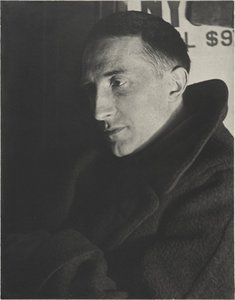
Marcel Duchamp
1887 - 1968 , Frankrike
Snabbfakta
- Artistic Movement Or Style:
- Cubism
- Dadaism
- Konceptuell konst
- Artists Or Movements Influenced By This Artist: ['Minimalism']
- Date Of Birth: 28 juli 1887
- Date Of Death: 2 oktober 1968
- Full Name: Marcel Duchamp
- Nationality: Fransk-Amerikansk
- Notable Artworks:
- Fontänen
- El gran vidrio - La novia desnudada por sus solteros
- Fountain
- Place Of Birth: Blainville-sur-Mer, Frankrike
Relaterade artiklar

Topp 10 mästerverk inom abstrakt expressionism – konst för ditt hem | OriginalUniqueArt.com
Utforska de 10 mest inflytelserika verken inom abstrakt expressionism – från Rothkos färgfält till Pollocks action painting. Lär känna konstnärerna och deras teknik. Hitta museumskvalitativa tryck på OriginalUniqueArt.com och förvandla ditt hem med tidlös konst!
Spelkonst som investering: Estetikens värde och identitetsskapande för den moderna samlaren
Utforska spelkonstens värld som en investering och ett kulturellt fenomen. Expertanalys av estetik, värdebedömning och identitetsskapande för den seriösa samlaren. Upptäck potentialen i digital konst!

Pixel & Palette: Exploring the Artistic Craftsmanship of Hand-Painted Game Universes and the Artists Who Bring Them to Life
Explore the artistry of hand-painted game universes! Discover techniques, artists & history behind this unique style. Expert insights for collectors & developers.

Geometrisk Abstraktion: Topp 10 Mästverk som Formade Konsten | OriginalUniqueArt.com
Utforska de 10 mästerverk som definierade geometrisk abstraktion! Lär känna Mondrian, Kandinsky & Malevich. Hitta inspiration och museumskvalitativa konsttryck för ditt hem på OriginalUniqueArt.com. Upptäck hela samlingen online!

Pixlade prestige: En utforskning av begränsad upplaga, värde och kulturell påverkan inom gamingkonst
Utforska värdet och kulturen kring begränsad upplaga-gamingkonst. Expertguider om autenticitet, investeringar & digital konstsamlande. Högkvalitativa samlarobjekt för passionerade entusiaster.


