

 Visa i rummet
 Skicka
 Dela
Dela
 Detaljer
 Studentguide för konstverk

 Ladda ner
 Liknande objekt
 Röntgen
 Bildspel
 Besökstatistik
LA MORT DE SENEQUE


 Läs mer
Giclée / Konsttryck
Giclée- eller canvasprint av museumskvalitet med snabb produktion och flexibla ytbehandlingsalternativ. ( Köp handmålat konstverk Byt till digital bildförsäljning)




P118B Skr10

P118H Skr10

P118W Skr10

P438Z Skr10

P508JH Skr12

P508YH Skr12

P805H Skr10

P805Z Skr10

P919BZ Skr10

P919G Skr10

P919XJ Skr10

P959ZH Skr10

P968JZ Skr12

W106C Skr8

W218G Skr10

W218JH Skr8

W218Y Skr10

W307PJ Skr10

W316G Skr10

W316PJ Skr8

W316Y Skr10

W398PJ Skr8

W4111J Skr10

W500HY Skr15

W500JH Skr15

W692G Skr12

W849H Skr8

W940BG Skr15

W953PJ Skr8




Välj bland våra förinställda storlekar som motsvarar konstverkets ursprungliga proportioner.

Ange den bredd och höjd du behöver, för att passa din ram eller din vägg. Ett tryck kan endast beskäras, aldrig göras större än bilden, vilket innebär att ett format med en annan formform leder till att en del av bilden går förlorad. Vi skickar en digital mockup för godkännande innan vi trycker något. Bilden som visas på denna sida visar inte den faktiska beskärningen — det är endast mockuppen som gör det.
Leverans över hela världen () på 2 veckor istället för standard 4/5 veckor. (23 oktober)

Fri expressfrakt över hela världen

Högkvalitativ linnecanvas

Fullständig fraktförsäkring

Garantier för återbetalning av tullavgifter

Garantier för exakt färgåtergivning

100 dagars returrätt vid fabrikationsfel

100% pengarna tillbaka-garanti

Mängdrabatt erbjuds
 Glasalternativet är endast tillgängligt i storlekar under 110 cm.

LA MORT DE SENEQUE
Giclée / Konsttryck
Reproduktionsstorlek
-


Totalpris
Skr 793
A Theatrical Descent into Stoic Silence
In the grand, sweeping tradition of the Neapolitan Baroque, Luca Giordano’s “La Mort de Sénèque” emerges not merely as a painting, but as a visceral theatrical performance captured in oil. The scene depicts one of antiquity's most poignant moments: the forced suicide of the Stoic philosopher Seneca the Younger, ordered by the Emperor Nero. Giordano, often celebrated as “Luca fa presto” for his incredible speed and prolific genius, manages to slow time within this canvas, freezing a moment of profound transition between life and death. The viewer is thrust into a crowded, intimate space where the air feels heavy with the weight of mortality and the solemnity of intellectual conviction.
The composition is a masterclass in Baroque dynamism. Rather than offering a detached, panoramic view, Giordano employs a tight, almost claustrophobic framing that pulls the observer into the inner circle of Seneca’s final moments. Diagonal lines, formed by the expressive limbs of onlookers and the heavy folds of luxurious drapery, act as visual guides, relentlessly directing the eye toward the central figure. Seneca himself is rendered with a palpable sense of fragility; his aged, pale form reclines upon cushions, serving as the quiet, still anchor amidst a sea of agitated movement. This tension between the stillness of the dying philosopher and the kinetic energy of those surrounding him creates a rhythmic pulse that keeps the eye wandering through the drama.
The Alchemy of Light and Shadow
To behold this work is to witness the transformative power of chiaroscuro. Giordano utilizes dramatic contrasts between deep, swallowing shadows and piercing highlights to sculpt the figures from the darkness. This interplay does more than provide three-dimensional depth; it functions as a psychological tool. Light emanates from unseen sources, illuminating Seneca’s weary face and the frantic gestures of his companions, casting much of the background into a mysterious gloom that mirrors the encroaching unknown of death. The highlights catch the sheen of skin, the texture of fabric, and the glint of scattered scrolls, adding a layer of tactile realism that is deeply immersive.
The color palette further enriches this emotional landscape. A symphony of warm, resonant tones—deep ochres, earthy browns, and blood-like reds—dominates the scene, evoking the heat of passion and the gravity of the historical tragedy. These are masterfully contrasted with sudden, cool accents of blue and green, which prevent the warmth from becoming stagnant and instead inject a sense of tension and vitality into the composition. Giordano’s brushwork, characterized by a certain fluid brilliance, allows for a variety of textures to emerge: the smooth, almost translucent skin of the elderly Seneca contrasts sharply with the heavy, rough impasto of the onlookers' garments, creating a sensory experience that transcends the visual.
A Legacy of Emotion and Intellectual Depth
Beyond its technical virtuosity, “La Mort de Sénèque” is an exploration of the human condition. The scattered books and scrolls surrounding the philosopher serve as silent witnesses to his life of thought, suggesting that while the body may perish, the intellect leaves a lasting imprint. The varied reactions of the crowd—ranging from profound grief to morbid curiosity—provide a mirror for the viewer’s own emotional response, making the piece deeply relatable across centuries. For the discerning collector or interior designer, this artwork offers more than just aesthetic grandeur; it provides a focal point of profound narrative depth.
Integrating a high-quality reproduction of such a masterpiece into a curated space brings with it an atmosphere of historical prestige and contemplative elegance. Whether placed in a library, a formal study, or a grand salon, Giordano’s work commands attention through its ability to evoke both awe and introspection. It is a piece that does not merely decorate a wall but breathes life into a room, inviting all who encounter it to reflect on the enduring strength of the human spirit in the face of inevitable fate.
Frågor och svar
Var kan jag köpa en handmålad reproduktion av "LA MORT DE SENEQUE" av Luca Giordano?
Du kan beställa en handmålad reproduktion av "LA MORT DE SENEQUE" av Luca Giordano direkt på dess Handmålad reproduktion-sida: en handmålad oljereproduktion på linneväv, tillverkad efter beställning.
Vilken teknik har använts för "LA MORT DE SENEQUE"?
"LA MORT DE SENEQUE" är utförd i Oil On Canvas.
Finns det ett faktablad om "LA MORT DE SENEQUE" av Luca Giordano för studenter?
En Guide-sida finns tillgänglig för "LA MORT DE SENEQUE" av Luca Giordano: ett utskrivbart faktablad om konstverket, utformat för studenter och undervisning i klassrummet.
Om konstnären
En napolitansk virtuos: Luca Giordanos liv och konst
Luca Giordano, född i Neapel 1634, var mer än bara en målare – han var ett fenomen, en kraftfull energi som präglade den sena barockens konstnärliga landskap. Hans namn blev snabbt synonymt med den exuberanta andan i sin tid och hans produktion förändrade både dukar och arkitektoniska rum över hela Italien och Spanien. Redan från ung ålder visade Luca en exceptionell talang, uppmuntrad av sin far, Antonio Giordano, som själv var målare. Men det var under den stränge men mästerlige Jusepe de Ribera som han verkligen började forma sin unika stil. Denna tidiga lärdom lämnade ett bestående intryck, synligt i den dramatiska intensiteten och realistiska skildringen av figurer som kännetecknar Giordanos tidiga verk. Dock skiljde sig Luca från Ribera genom en naturlig benägenhet till ljus och rörelse – kvaliteter som skulle komma att definiera hans särpräglade konstnärskap. Redan då fick han smeknamnet “Luca fa presto” – Luca den snabbe – ett vittnesbörd om hans anmärkningsvärda hastighet och gränslösa energi. Han var inte bara skicklig, utan förmågan att fånga djupa känslor och bländande spektakel med en lätthet som förvånade samtiden.Från Neapel till Spanien: En karriär i ständig rörelse
Giordanos konstnärliga resa var allt annat än statisk. Det var en dynamisk utveckling driven av beställningar och resor, som tog honom över hela den italienska halvön och bortom. Efter att ha etablerat sig som en stigande stjärna i Neapel sökte han möjligheter i Rom, Florens och Venedig, absorberade varje stads unika influenser som en svamp. I Venedig studerade han verk av Tizian och Veronese, omfamnade deras livfulla färgpaletter och dynamiska kompositioner – en skarp kontrast till den tenebrism som präglat hans tidiga utbildning. Florens gav honom uppdrag att skapa betydande freskcykler, framför allt i kupolen i Corsini-kapellet vid Chiesa del Carmine, vilket visade hans spirande behärskning av illusionistiskt rum och berättande förmåga. Men det var hans tio år långa vistelse i Spanien (1682–1692) som cementerade hans internationella rykte. Utnämnd till hovmålare hos Karl II förvandlade Giordano spanska interiörer med överdådiga fresker, injicerade en välbehövlig dos italiensk exuberans i den mer återhållsamma spanska konsttraditionen. Biblioteca Riccardiana i Florens, prydd med allegoriska fresker som hyllar gudomlig visdom, står som ett bevis på denna period och visar hans förmåga att förena intellektuell djuphet med visuell prakt.En syntes av stilar: Giordanos konstnärliga signatur
Giordanos geni låg inte i att uppfinna helt nya tekniker utan i att syntetisera befintliga till en anmärkningsvärt flytande och dekorativ stil. Han kombinerade mästerligt den dramatiska realismen han ärvt från Ribera, den ljusa kolorismen inspirerad av venetianska målare och de dynamiska kompositionerna som påminde om Pietro da Cortona. Hans penseldrag kännetecknades av frihet och spontanitet, vilket skapade ett intryck av ansträngningslös grace. Han fruktade inte att omfamna ornamentik, fyllde sina dukar med intrikata detaljer och virvlande draperier – ett varumärke för hans mogna stil. Detta tillvägagångssätt gjorde det möjligt för honom att tackla ett brett spektrum av ämnen – från religiösa scener och mytologiska berättelser till porträtt och dekorativa scheman – med lika bravur. Domaren Paris, som finns i Berlins museum, exemplifierar denna syntes; det är en livfull skildring av klassisk mytologi återgiven med en tydligt barock stil. Hans fresker, särskilt de som finns i Neapels katedral och olika neapolitanska palats, är monumentala prestationer som förvandlar arkitektoniska rum till uppslukande visuella upplevelser som omslöt betraktaren i en värld av färg och drama.Arv och inflytande: En mästares bestående inverkan
Luca Giordanos inflytande sträckte sig långt bortom hans egen livstid. Han utbildade ett stort antal elever, inklusive Paolo de Matteis, som gick vidare till att bli framgångsrika konstnärer i sin egen rätt och spred hans stilistiska innovationer över hela Italien och bortom. Hans verk fungerade som en brygga mellan den höga barocken och rokoko-perioden och banade väg för den lättare, mer lekfulla estetik som skulle känneteckna 1700-talets konst. Hans omfattande produktion – uppskattningsvis över sexhundra målningar och otaliga freskcykler – fortsätter att fängsla publiken än idag. Palatset Capodimonte i Neapel är en skattkista av hans verk, som ger en omfattande översikt över hans konstnärliga utveckling. Giordanos förmåga att sömlöst förena teknisk virtuositet med emotionellt djup säkerställer hans plats som en av de viktigaste och mest älskade figurerna inom italiensk barock. Han dog i sitt hemland Neapel 1705, efterlämnande ett arv som fortsätter att inspirera konstnärer och konstälskare än idag.- The Judgment of Paris (Berlins museum): Ett utmärkt exempel på Giordanos mytologiska målningar, som visar hans livfulla färgpalett och dynamiska komposition.
- Kristus med lärarna i templet (Corsini-galleriet, Rom): Demonstrerar hans skicklighet i religiös berättelse och behärskning av ljus och skugga.
- Fresker i Florens & Neapel: Monumentala verk som förvandlade arkitektoniska rum till uppslukande visuella upplevelser.
- Influenser: Jusepe de Ribera, Tizian, Veronese, Pietro da Cortona
- Påverkade konstnärer: Paolo de Matteis och en generation neapolitanska målare.
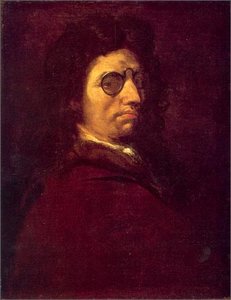
Luca Giordano
1634 - 1705 , Italien
Snabbfakta
- Artistic Movement Or Style: Senbarock
- Artists Or Movements Influenced By This Artist: ['Paolo de Matteis']
- Artists Who Influenced This Artist:
- Ribera
- Titian
- Veronese
- Date Of Birth: 1634
- Date Of Death: 1705
- Full Name: Luca Giordano
- Nationality: Italiensk
- Notable Artworks:
- Domare Paris
- Kristus i templet
- Place Of Birth: Neapel, Italien
Relaterade artiklar
Baroque vs. Rococo: A Definitive Guide to High-Drama Shadows and Golden Elegance
Explore the dramatic evolution from Baroque's intense chiaroscuro to Rococo's golden elegance. Our expert guide decodes the shift from high-drama shadows to playful, ornate grace for art enthusiasts and collectors seeking deep historical insight.
10 Iconic Baroque Masterpieces That Changed Art Forever
Step into the drama of the Baroque era. Explore 10 iconic masterpieces featuring dramatic chiaroscuro and legendary artists. Find inspiration for your space with museum-quality art reproductions and curated decor. Discover all masterpieces on OriginalUniqueArt.com.

Barockens dramatik: Att föra prakt och känsla in i samtida interiörer
Upptäck barockens dramatik och lyx! Lär dig hur du integrerar denna klassiska stil i ditt hem med våra experttips och inspirerande exempel. Skapa en palatskänsla idag!

Barockens dramatik: En expertguide till 1600-talets kraftfulla konst och känslor
Lär dig allt om barockens dramatiska ljus och teknik genom vår expertguide. Upptäck 1600-talets mästerverk här.
Luca Giordano: Neapolitan Baroque Master & His European Influence
Explore the life & works of Luca Giordano, the celebrated Neapolitan Baroque master. Discover his prolific fresco cycles, Roman commissions, and lasting influence on European art history. Learn more at OriginalUniqueArt.


