
 Förhandsvisa
 Skicka
 Dela
Dela
 Visa detaljer
 Guide
Guide

 Ladda ner
 Liknande objekt
 Röntgen
 Bildspel
 Q&A
Q&A Statistik
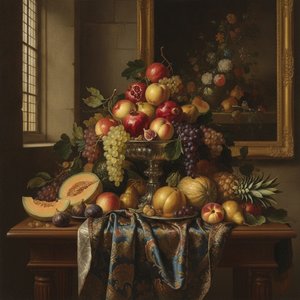
COUPE DE CERISES, PRUNES ET MELON


 Visa mer
Giclée / Konsttryck
Giclée- eller canvasprint av museumskvalitet med snabb produktion och flexibla ytbehandlingsalternativ. ( Beställ handmålad reproduktion Byt till digital bild)




P118B Skr10

P118H Skr10

P118W Skr10

P438Z Skr10

P508JH Skr12

P508YH Skr12

P805H Skr10

P805Z Skr10

P919BZ Skr10

P919G Skr10

P919XJ Skr10

P959ZH Skr10

P968JZ Skr12

W106C Skr8

W218G Skr10

W218JH Skr8

W218Y Skr10

W307PJ Skr10

W316G Skr10

W316PJ Skr8

W316Y Skr10

W398PJ Skr8

W4111J Skr10

W500HY Skr15

W500JH Skr15

W692G Skr12

W849H Skr8

W940BG Skr15

W953PJ Skr8




Välj bland våra förinställda storlekar som motsvarar konstverkets ursprungliga proportioner.

Ange den bredd och höjd du behöver för att passa din ram eller vägg. Ett tryck kan endast beskäras, aldrig göras större än originalbilden, vilket innebär att ett format med en annan proportion leder till att en del av bilden går förlorad. Vi skickar en digital mockup för godkännande innan vi påbörjar tryckningen. Bilden som visas på denna sida visar inte den faktiska beskärningen — det är endast mockuppen som gör det.
Leverans över hela världen () på 2 veckor istället för standard 4/5 veckor. (1 november)

Fri expressfrakt över hela världen

Högkvalitativ linnecanvas

Fullständig fraktförsäkring

Garantier för återbetalning av tullavgifter

Garantier för exakt färgåtergivning

100 dagars returrätt (endast vid fel)

100% pengarna tillbaka-garanti

Mängdrabatt erbjuds
 Glasalternativet är endast tillgängligt i storlekar under 110 cm.

COUPE DE CERISES, PRUNES ET MELON
Giclée / Konsttryck
Storlek på reproduktion
-


Slutgiltigt pris
Skr 804
Louise Moillon’s “Coupe de Cerises, Prunes et Melon”: A Baroque Still Life of Quiet Abundance
The painting "Coupe de cerises, prunes et melon" by Louise Moillon, completed around 1633, is more than just a depiction of fruit; it's a meticulously crafted meditation on beauty, abundance, and the fleeting nature of pleasure. Within its deceptively simple composition lies a wealth of Baroque artistry – a masterful blend of Flemish realism, French elegance, and subtle symbolism that continues to captivate viewers centuries later. This intimate still life, now residing within the hallowed halls of the Louvre Museum in Paris, offers a rare glimpse into the world of a pioneering female artist operating within a traditionally male-dominated field.
Moillon’s artistic journey unfolded against the backdrop of 17th-century France, a period marked by religious upheaval and burgeoning artistic innovation. Born into a Huguenot family – refugees fleeing persecution in Holland – her upbringing instilled a deep appreciation for naturalism and symbolic representation, qualities that profoundly shaped her distinctive style. Unlike many of her contemporaries who favored grand historical or mythological scenes, Moillon focused on the quiet beauty of everyday objects, elevating them to an almost sacred level through her painstaking attention to detail and masterful use of light and shadow.
A Symphony of Color and Texture
The painting’s immediate impact is one of serene elegance. Moillon employs a carefully orchestrated palette – a harmonious blend of deep browns, rich reds, vibrant yellows, and muted greens – that draws the eye into the heart of the composition: a gleaming porcelain bowl overflowing with an array of fruits. The cerises, bursting with juicy red color, are strategically placed to command attention, their brightness contrasted against the darker tones of the plums and melon. Moillon’s technique is characterized by an extraordinary level of detail; each fruit – from the velvety texture of the melon rind to the delicate veins on a plum leaf – is rendered with astonishing precision.
The artist's mastery extends beyond mere representation. Moillon skillfully manipulates light and shadow, creating a dramatic chiaroscuro effect that adds depth and volume to the scene. The strong directional lighting, originating from an unseen source above and slightly to the left, casts long, elegant shadows that define the forms of each object, lending them a tangible presence. This masterful use of light not only enhances the visual impact but also evokes a sense of stillness and contemplation – inviting the viewer to linger and appreciate the beauty before them.
Symbolism and Context
Still lifes during the Renaissance and Baroque periods were often imbued with symbolic meaning, representing concepts such as wealth, prosperity, and mortality. In "Coupe de cerises," the abundance of fruit can be interpreted as a symbol of earthly delights – a reminder of the pleasures of life but also a poignant acknowledgment of their transient nature. The carefully arranged composition itself suggests an order and harmony that reflects the ideals of classical art and Renaissance thought.
Furthermore, Moillon’s work is rooted in the artistic traditions of the Netherlands, particularly the Flemish school of painting, which was highly influential in France during this period. The use of trompe l'oeil – a technique designed to create an illusion of three-dimensionality – is evident in the subtle details and realistic textures that contribute to the painting’s overall sense of depth and realism. The placement of the bowl on a dark wooden table, extending into the background, further enhances this effect, blurring the boundaries between the painted world and the viewer's perception.
A Timeless Masterpiece
"Coupe de cerises, prunes et melon" stands as a testament to Louise Moillon’s artistic skill and her ability to capture the essence of beauty in a single image. It is a painting that rewards repeated viewing, revealing new details and nuances with each encounter. More than just a still life, it's a profound meditation on art, nature, and the human experience – a timeless masterpiece that continues to inspire and delight viewers today. Reproductions of this iconic work offer an accessible way to bring its serene elegance into any space, allowing one to appreciate the artistry and symbolism within.
Frågor och svar
Vilken konstnär tillskrivs "COUPE DE CERISES, PRUNES ET MELON"?
"COUPE DE CERISES, PRUNES ET MELON" skapades av Louise Moillon. Informationen på denna sida beskriver Louise Moillons originalverk.
Vilken atmosfär skulle en reproduktion av "COUPE DE CERISES, PRUNES ET MELON" av Louise Moillon tillföra ett rum?
Med sin Elegant stämning rekommenderas "COUPE DE CERISES, PRUNES ET MELON" för ett Living Room.
Hur välkänd är "COUPE DE CERISES, PRUNES ET MELON" av Louise Moillon?
"COUPE DE CERISES, PRUNES ET MELON" klassificeras som Recognized.
Konstnärsbiografi
Louise Moillons tysta briljans
I barockens storslagna och svepande narrativ, där drama och rörelse ofta dominerar duken, erbjuder Louise Moillon ett djupsinnigt och meditativt alternativ. Moillon föddes i Paris 1610 och växte upp i en värld formad av de intensiva religiösa och kulturella skiften som präglade 1600-talets Frankrike. Hennes själva härkomst berättar en historia om motståndskraft och konstnärligt arv; som ättling till hugenottflyktingar från Holland var hon djupt rotad i en tradition som värdesatte den noggranna observationen av den naturliga världen. Denna bakgrund gav mer än bara en familjehistoria – den erbjöd ett stilistiskt språk grundat i det nederländska mästerskapet inom ljus, textur och symbolisk realism.
Moillons tidiga liv präglades av både förlust och djupgående konstnärlig vägledning. Faderns död, landskapsmålaren och konsthandlaren Nicolas Moillon, när hon bara var tio år gammal, kunde ha förändrat hennes bana, men hennes uppväxt förblev djupt förankrad i konsten. Under ledning av sin styvfar, François Garnier, en skicklig konstnär och handlare, förfinade hon en teknik som skulle bli hennes signum. Hennes utbildning handlade inte enbart om att applicera pigment på duk, utan var en nedsänkning i sin tids humanistiska värderingar, där hon lärde sig att se det gudomliga i de minsta detaljerna hos en mognande frukt eller i ett kronblads sköra kurva.
Ett mästerskap i textur och ljus
Moillons sanna geni ligger i hennes förmåga att förvandla det vardagliga till det extraordinära. Hennes kompositioner kännetecknas av en fridfull stillhet, ett lugn som bjuder betraktaren att dröja kvar och observera. Hon besatt en nästan övernaturlig förmåga att fånga sina motivs taktila egenskaper – citronens vaxartade skal, persikans mjuka ludd eller den genomskinliga saften från ett krossat bär. I verk som Stilleben med citroner och curaçao-apelsiner i ett vitt flikigt fat kan man förnimma fruktens svala fukt mot porslinets hårda, glaserade yta, vilket skapar en sensorisk upplevelse som överskrider det tvådimensionella planet.
Hennes teknik var djupt influerad av de naturalistiska traditionerna inom de protestantiska kretsar hon rörde sig i. Detta tillvägagångssätt prioriterade klarhet och precision framför de teatrala skuggorna hos de mer utsvävande barockmästarna. Istället använde Moillon ljuset för att skulptera sina motiv, genom subtila tonövergångar för att skapa volym och djup. Hennes palett, även om den ofta fokuserade på naturens livfulla nyanser, användes med en sådan återhållsamhet att varje färg kändes lysande, som om den var upplyst inifrån. Detta mästerskap gjorde det möjligt för henne att överbrygga gapet mellan ren botanisk illustration och högkonst, och besjäla varje verk med en känsla av liv och vitalitet.
Arv och historisk betydelse
Under sitt långa liv, som sträckte sig över nästan nio decennier, uppnådde Moillon en berömmelse som var sällsynt för kvinnliga konstnärer under hennes era. Hennes förmåga att säkra uppdrag från prestigefyllda mecenater, inklusive medlemmar av det kungliga hovet, vittnar om den obestridliga kvaliteten och sofistikeringen i hennes produktion. Även om hennes arbete ofta fokuserade på stillebenets intima skala, var dess inverkan omfattande och bidrog betydligt till utvecklingen av den franska stillebenstraditionen.
Louise Moillons historiska betydelse sträcker sig bortom hennes tekniska skicklighet; hon representerar en livsviktig länk mellan den nederländska naturalistiska traditionen och den framväxande franska estetiken under 1600-talet. Hennes målningar fungerar som fönster mot en förlorad värld av parisiska marknader och privata trädgårdar, och fångar en känsla av överflöd och förgänglig skönhet. Idag är hennes verk älskade skatter i institutioner som Louvren, och står som bestående testamenten till ett liv tillägnat att finna det extraordinära i det ordinära. Hennes arv återfinns i varje penseldrag som hyllar den naturliga världens tysta, andlösa prakt.

Louise Moillon
1610 - 1696 , Frankrike
Kortfakta
- Artistic Movement Or Style: Barockstilleben
- Artists Or Movements Influenced By This Artist:
- Michelangelo
- Rafael
- Tizian
- Artists Who Influenced This Artist:
- Isaac Moillon
- François Garnier
- Date Of Birth: Paris, Frankrike (1610)
- Date Of Death: 1696
- Full Name: Louise Moillon
- Nationality: Fransk
- Notable Artworks:
- Korg med aprikoser
- SKÅL MED KIRSBERR, PLOMMON OCH MELON
- Korg med persikor, kvitten och plommon
- Place Of Birth: Paris
Relaterade artiklar
Nature's Bounty: The Art History of Fruit Arrangement Masterpieces and the Baroque Still Life Tradition
Explore the profound beauty of fruit arrangement masterpieces. From Dutch Golden Age opulence to Baroque chiaroscuro, discover the art history, symbolism, and timeless elegance of classical still life paintings for the discerning collector.

Barockens dramatik: En expertguide till 1600-talets kraftfulla konst och känslor
Lär dig allt om barockens dramatiska ljus och teknik genom vår expertguide. Upptäck 1600-talets mästerverk här.

Baroque Classicism: The Grandeur of Order and Drama in 17th-Century Art History
Explore the profound elegance of Baroque Classicism. Discover how 17th-century masters synthesized dramatic emotion with classical order through the lens of the Counter-Reformation and the works of legends like Carlo Maratta and Andrea Sacchi.

Barockens Mästerverk: Topp 10 konstverk som definierade en epok – OriginalUniqueArt.se
Upptäck barockens 10 största mästerverk! Caravaggio, Rembrandt, Bernini och fler. Lär känna historien bakom ikoniska målningar & skulpturer. Köp reproduktioner av hög kvalitet på OriginalUniqueArt.com – för en lyxig heminredning.

The Bountiful Still Life: Symbolism & Artistic Representation of Fruit Across Art History
Explore the rich history of still life painting & the symbolism of fruit across art movements. Discover masterpieces from Caravaggio to Cézanne with OriginalUniqueArt – expert guidance & museum-quality reproductions.