

 Visa i rummet
 Skicka
 Dela
Dela
 Detaljer
 Studentguide för konstverk

 Ladda ner
 Liknande objekt
 Röntgen
 Bildspel
 Besökstatistik
Eliza Crosfield
 1843
1843 76.0 x 63.0 cm
 Läs mer
Handgjord oljereproduktion
Handmålad olja på duk i din valda storlek och ram, tillverkad efter beställning av våra konstnärer. ( Byt till tryckta exemplar Byt till digital bildförsäljning)




































Välj bland våra förinställda storlekar som motsvarar konstverkets ursprungliga proportioner.

Du kan ange egna mått för att passa en specifik ram eller yta. Om den valda storleken inte matchar originalbildens proportioner kommer vi antingen att beskära konstverket eller utöka målningen med ytterligare handmålade element. En digital skiss skickas till dig för godkännande innan produktionen påbörjas.
Observera att förhandsvisningen på skärmen inte återspeglar den faktiska beskärningen eller utökningen. Endast skissen visar den slutgiltiga kompositionen korrekt.
Även om anpassade storlekar är möjliga, rekommenderar vi att du väljer en dimension från den fördefinierade listan för att bevara originalproportionerna.
Efter beställning kommer OriginalUniqueArt.com team att mejla kunden för instruktioner och tillhandahålla en skissförhandsvisning
Leverans över hela världen () på 3–4 veckor istället för standard 5 veckor. (25 september). Inga kompromisser med kvaliteten.

Fri expressfrakt över hela världen

Högkvalitativ linnecanvas

Fullständig fraktförsäkring

Garantier för återbetalning av tullavgifter

Garantier för exakt färgåtergivning

100 dagars returrätt vid fabrikationsfel

100% pengarna tillbaka-garanti

Mängdrabatt erbjuds
 Glasalternativet är endast tillgängligt i storlekar under 110 cm.

Eliza Crosfield
Tryckteknik
Reproduktionsstorlek
-


Totalpris
$ 300
Om konstnären
Louis Pierre Spindler: A Victorian Portraitist of Subtle Realism
Louis Pierre Spindler (1800-1889) emerges from the bustling artistic landscape of 19th-century Britain as a quietly significant portrait painter. While not commanding the same immediate fame as his contemporaries, Spindler’s meticulous approach and nuanced understanding of human character secured him a respected place within Victorian society, particularly through his depictions of prominent figures like William Crosfield and Jeremiah Wane. His work offers a compelling glimpse into the era's fascination with realism, social standing, and the subtle art of capturing an individual’s essence on canvas. Born in Lancaster, England, Spindler’s early life remains somewhat shrouded in detail, though his family background—including a connection to Reverend John Manby of Lancaster—suggested a privileged upbringing that afforded him access to artistic training.Early Influences and Artistic Training
Spindler's formal artistic education began at the age of twelve, a testament to his early aptitude for drawing. He received encouragement from his uncle, Louis-Pierre Spindler (no relation), a painter himself, fostering a passion that would define his life’s work. This initial guidance proved pivotal, leading him to Düsseldorf, Munich, and Berlin—major artistic centers of the time—where he immersed himself in diverse styles and techniques. Crucially, his encounter with Martin von Feuerstein in Munich introduced him to the world of marquetry, a technique involving intricate inlaying of materials into wood panels. This marked a turning point, as Spindler would later champion this craft, elevating it from mere decoration to a form of artistic expression. His military service further broadened his experiences and honed his observational skills – essential for capturing the subtle details that characterized his portraits.The Art of Portraiture: Technique and Subject Matter
Spindler’s portraiture is distinguished by its remarkable realism, achieved through painstaking attention to detail and a masterful understanding of light and shadow. He eschewed dramatic poses or theatrical settings, instead favoring compositions that presented his subjects in naturalistic arrangements within their environments. This approach allowed him to reveal not just the outward appearance but also the inner character of each individual. His portraits of figures like William Crosfield and Jeremiah Wane are particularly noteworthy for their ability to convey a sense of quiet dignity and intellectual depth. These weren’t simply likenesses; they were carefully constructed narratives, revealing personality through subtle gestures, expressions, and the arrangement of objects within the frame. He frequently employed a muted color palette, prioritizing tonal variations over vibrant hues, further enhancing the realism and creating an atmosphere of understated elegance.Beyond Portraiture: Marquetry as Art
Spindler’s artistic pursuits extended beyond traditional portraiture. His fascination with marquetry led him to develop a unique style that blurred the boundaries between painting and craftsmanship. He didn't merely decorate surfaces; he used marquetry to create textured, three-dimensional effects, layering materials like ivory, ebony, and mother-of-pearl to achieve remarkable visual depth. This innovative approach was showcased in his collaborations with artisans such as Léon Elchinger (pottery) and Jean-Désiré Ringel d’Illzach (sculpture), resulting in stunning furniture pieces that were both functional and works of art. His work for the Benedictine Abbey of Saint-Pierre, a significant commission, exemplifies this fusion of artistic disciplines.Legacy and Historical Significance
Louis Pierre Spindler's contribution to 19th-century British art is often understated but nonetheless important. He represents a quieter, more introspective strain within the Victorian portraiture tradition—one that valued psychological insight over flamboyant display. His meticulous technique, combined with his championing of marquetry as an artistic medium, established him as a respected figure in both painting and decorative arts. While he may not be widely celebrated today, Spindler’s portraits offer a valuable window into the social and cultural values of his time, revealing a keen awareness of human character and a commitment to capturing the subtle nuances of Victorian life. His work continues to be studied by art historians and appreciated for its quiet beauty and enduring realism.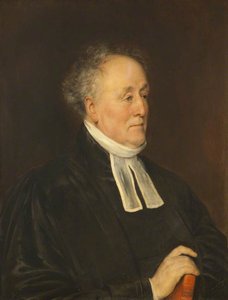
louis pierre spindler
1800 - 1889
Snabbfakta
- Artistic Movement Or Style: Portraiture
- Artists Or Movements Influenced By This Artist: ['Charles Spindler']
- Artists Who Influenced This Artist: ['Martin von Feuerstein']
- Date Of Birth: 1800
- Date Of Death: 1889
- Full Name: Louis Pierre Spindler
- Nationality: British
- Notable Artworks:
- Mrs Ann Rawsthorne
- Reverend John Manby
- Place Of Birth: Lancashire, UK