
 Förhandsvisa
 Skicka
 Dela
Dela
 Visa detaljer
 Guide
Guide

 Ladda ner
 Liknande objekt
 Röntgen
 Bildspel
 Frågor och svar
 Statistik
Gradual (Cod. H 74, folio 122v)

- 168.0 x 160.0 cm


 Visa mer
Giclée / Konsttryck
Giclée- eller canvasprint av museumskvalitet med snabb produktion och flexibla ytbehandlingsalternativ. ( Beställ handmålad reproduktion Byt till digital bild)




P118B Skr10

P118H Skr10

P118W Skr10

P438Z Skr10

P508JH Skr12

P508YH Skr12

P805H Skr10

P805Z Skr10

P919BZ Skr10

P919G Skr10

P919XJ Skr10

P959ZH Skr10

P968JZ Skr12

W106C Skr8

W218G Skr10

W218JH Skr8

W218Y Skr10

W307PJ Skr10

W316G Skr10

W316PJ Skr8

W316Y Skr10

W398PJ Skr8

W4111J Skr10

W500HY Skr15

W500JH Skr15

W692G Skr12

W849H Skr8

W940BG Skr15

W953PJ Skr8




Välj bland våra förinställda storlekar som motsvarar konstverkets ursprungliga proportioner.

Ange den bredd och höjd du behöver för att passa din ram eller vägg. Ett tryck kan endast beskäras, aldrig göras större än originalbilden, vilket innebär att ett format med en annan proportion leder till att en del av bilden går förlorad. Vi skickar en digital mockup för godkännande innan vi påbörjar tryckningen. Bilden som visas på denna sida visar inte den faktiska beskärningen — det är endast mockuppen som gör det.
Leverans över hela världen () på 2 veckor istället för standard 4/5 veckor. (8 november)

Fri expressfrakt över hela världen

Högkvalitativ linnecanvas

Fullständig fraktförsäkring

Garantier för återbetalning av tullavgifter

Garantier för exakt färgåtergivning

100 dagars returrätt (endast vid fel)

100% pengarna tillbaka-garanti

Mängdrabatt erbjuds
 Glasalternativet är endast tillgängligt i storlekar under 110 cm.

Gradual (Cod. H 74, folio 122v)
Giclée / Konsttryck
Storlek på reproduktion
-


Slutgiltigt pris
Skr 809
A Visionary Encounter in Gold and Ink
In the quiet, hallowed corridors of Florentine history, few works capture the delicate transition from the medieval soul to the Renaissance mind as poignantly as Lorenzo Monaco's Gradual (Cod. H 74, folio 122v). Created around 1410, this illuminated masterpiece is far more than a mere liturgical manuscript; it is a window into a moment of profound spiritual awakening. Within the ornate confines of an initial 'D', we encounter a prophet—believed by many to be Isaiah—frozen in a state of eternal contemplation. The figure’s downward gaze and solemn expression invite the viewer into a shared space of devotion, bridging the gap between the fifteenth-century monk and the modern observer. It is a work that does not merely depict faith but embodies it through every meticulously placed stroke of pigment and leaf.
The emotional resonance of this piece lies in its ability to command stillness. As one gazes upon the prophet, there is an undeniable weight to his presence, a gravity born from the heavy folds of his vibrant yellow robes and the intense, focused energy of his posture. For the collector or the designer, this artwork offers a unique psychological depth; it brings a sense of meditative peace and intellectual rigor to any space. The interplay between the prophet's stern countenance and the luminous, heavenly light suggested by the gold leaf creates a tension that is both captivating and calming, making it an ideal centerpiece for environments that value introspection and classical elegance.
The Alchemy of Gothic Grace and Renaissance Light
Technically, the Gradual represents the pinnacle of Lorenzo Monaco’s mastery over the medium of tempera on parchment. A monk of the Camaldolese order, Monaco possessed a rare ability to blend the decorative splendor of the International Gothic style with the emerging narrative clarity of the early Renaissance. His technique is a symphony of textures: the artist employs a sophisticated method of wash shadows paired with densely hatched penwork highlights to breathe life into the prophet's features. This meticulous detailing creates a sculptural quality, where the light seems to dance across the surface of the parchment, caught in the intricate patterns of the turban and the heavy drapery of the cape.
The use of color in this folio is nothing short of transformative. The dominance of radiant yellow, contrasted against deep blue accents and the shimmering brilliance of genuine gold leaf, serves a dual purpose. Symbolically, these hues represent divine revelation and the celestial glory of the Pentecost. Artistically, they provide a structural brilliance that ensures the image remains vibrant even centuries after its creation. For those seeking to incorporate high-quality reproductions into a curated interior, the Gradual offers a rich palette of warm golds and regal blues that can anchor a room, providing a sophisticated touch of historical luxury and timeless artistic merit.
A Legacy of Devotion and Artistry
To understand this work is to understand the very heart of Florence in 1410. Produced for the monastery of Santa Maria degli Angeli, the manuscript was part of a larger movement of artistic innovation that sought to honor the divine through unparalleled craftsmanship. Lorenzo Monaco, often called "the monk painter," infused his liturgical duties with an unparalleled aesthetic vision, turning a functional religious text into a profound theological statement. The prophet holding his scroll is not just a character in a story; he is a messenger of the Holy Spirit, reminding us of the enduring power of the written word and the sanctity of the contemplative life.
Owning or displaying a reproduction of this work allows one to participate in this long lineage of beauty and belief. It serves as a reminder that art, at its most potent, is a bridge between the earthly and the divine. Whether placed in a private library, a grand salon, or a contemporary studio, the Gradual brings with it an aura of scholarly prestige and spiritual depth, making it an incomparable choice for those who appreciate the profound intersection of history, technique, and soul.
Frågor och svar
Vilken är den övergripande stämningen i "Gradual (Cod. H 74, folio 122v)" av Lorenzo Monaco?
Den övergripande stämningen i "Gradual (Cod. H 74, folio 122v)" av Lorenzo Monaco är Elegant. Stämningen beskriver verkets allmänna atmosfär.
Vilka färger dominerar i "Gradual (Cod. H 74, folio 122v)" av Lorenzo Monaco?
Färgidentiteten i "Gradual (Cod. H 74, folio 122v)" av Lorenzo Monaco: en Earthy-palett, dominerad av Prussian Blue (#243b57).
Vilket år skapades "Gradual (Cod. H 74, folio 122v)" av Lorenzo Monaco?
"Gradual (Cod. H 74, folio 122v)" av Lorenzo Monaco skapades år 1410.
Konstnärsbiografi
Lorenzo Monaco (1370–1425): The Last Echo of Gothic Grace
Lorenzo Monaco, egentligen Piero di Giovanni, född omkring 1370 i Siena och död omkring 1425 i Florens, är en konstnär vars namn idag ofta förblir utanför huvudströmmarna av konsthistorien. Trots brist på detaljerade biografiska uppgifter erbjuder hans verk ett fascinerande berättelse om anpassning, innovation och djupgående andlighet – en berättelse som avslöjar sig själv genom de mäktiga bilder han skapade och deras plats i övergången från den gothiska estetiken till den tidiga renässansens första ljus. Hans konst är ett viktigt exempel på hur konstnärliga traditioner kan utvecklas och blomstra samtidigt som nya idéer och tekniker kommer fram, vilket gör honom till en nyckelperson för att förstå denna komplexa period av europeisk kulturhistoria.- Early Life and Training
- The Gothic Influence: Siena and Giotto’s Legacy
- Florence and the Renaissance Awakening
- Major Works: Pietà, Coronation of the Virgin, Magi Adoration
- Monaco's Enduring Significance
Early Life and Training
Lorenzo Monaco föddes omkring 1370 i Siena och var son till Piero di Giovanni, en välbärgad handelsmanna familj. Hans utbildning började tidigt i Florens där han blev lärling hos Agnolo Gaddi, en av de främsta konstnärerna inom den gothiska skolan och ett viktigt centrum för konstproduktion vid denna tidpunkt. Detta möte med Gaddi gav honom grundläggande kunskaper om kompositionsstruktur och tekniker som skulle komma att prägla hela hans karriär. Han studerade även hos andra mästare, bland annat Simone Martini och Giotto di Bondone, vilket ytterligare fördjupade hans förståelse för både gothiska och trecentomålernas estetiska principer. Detta tidiga utbildningsarbete var avgörande för att skapa grunden till hans senare konstnärliga utveckling och säkerställa att han skulle kunna erbjuda ett självständigt perspektiv på den konsthistoriska utvecklingen.The Gothic Influence: Siena and Giotto’s Legacy
Lorenzo Monaco var starkt påverkad av gothiska traditioner, särskilt från Sienas konstnärliga miljö där han växte upp och där mästare som Duccio di Buoninsegna hade etablerat en stil som präglades av komplexa linjer, delikat färgpalett och ett fokus på känslomässig berättelse. Giotto di Bondone, vars verk var pionjär inom perspektiv och naturlism, hade också gjort ett betydande avtryck på italienska konstnärer vid denna tidpunkt och Lorenzo Monaco förstod vikten av att behålla vissa element från gothiska traditioner samtidigt som han utforskade nya möjligheter till konstnärlig utveckling. Detta balanserat förhållande mellan gammalt och nytt är något som känns igen genom hela hans oeuvre och visar på en djup respekt för konsthistoriens arv.Florence and the Renaissance Awakening
Lorenzo Monaco flyttade till Florens omkring 1390 där han blev medlem av Camaldolese ordens kloster och där han arbetade aktivt som konstnär fram till sin död år 1425. Florens var vid denna tidpunkt ett centrum för renässansens första ljus och Lorenzo Monaco mötte här en ny konstnärlig atmosfär präglad av humanistiska idéer och tekniska innovationer, särskilt Masaccio och Filippo Brunelleschi som hade revolutionerat perspektiv och naturlism i sina verk. Detta möte med renässansen innebar att Lorenzo Monaco måste omvärdera sina konstnärliga prioriteringar och välja mellan att följa efter sina föregångare eller att skapa ett eget självständigt språk för konstnärlig uttryck. Han valde till slut att behålla sin gothiska stil samtidigt som han införde subtila element av renässansens teknik och estetiska principer vilket gjorde honom till en unik figur inom italiensk konsthistoria.Major Works: Pietà, Coronation of the Virgin, Magi Adoration
Lorenzo Monaco är mest känd för sina mästerverk som Pietà, Kröningen av Jungfru Maria och Magi Adoration – verk som anses vara några av de bästa exempel på gothiska konstnärliga traditioner och samtidigt ett viktigt steg mot renässansens estetiska utveckling. Dessa målningar kännetecknas av deras komplexa kompositionsstruktur, användning av långa linjer och mjuka färger samt ett fokus på känslomässig berättelse och symbolisk betydelse. Pietà är särskilt imponerande genom sin användning av perspektiv och ljus för att skapa en känsla av djup och realism samtidigt som den förmedlar en stark känsla av sorg och kärlek. Kröningen av Jungfru Maria är ett exempel på Lorenzo Monacos förmåga att kombinera gothiska och renässansens estetiska principer och skapa ett verk som är både tekniskt briljant och känslomässigt engagerande. Magi Adoration är ett ytterligare bevis på hans konstnärliga utveckling och visar på hans förmåga att skapa komplexa och dynamiska bilder som förmedlar religiösa berättelser med stor effektivitet.Monaco's Enduring Significance
Lorenzo Monaco är den sista stora exponenten för gothiska konstnärliga traditioner och ett viktigt steg mot renässansens estetiska utveckling. Han var inte en pionjär inom perspektiv eller naturlism som Masaccio och Brunelleschi, men hans betydelse ligger i hans förmåga att behålla vissa element från gothiska traditioner samtidigt som han införde subtila förändringar som förberedde väg för renässansens konstnärliga utveckling. Han är representerad vid Nationalmuseum i Stockholm där hans verk kan beskrivas och studeras av forskare och konsthistoriker över hela världen vilket säkerställer att hans konstnärliga arv kommer att fortsätta att inspirera kommande generationer av konstnärer och forskare. Hans konst är ett viktigt exempel på hur konstnärliga traditioner kan utvecklas och blomstra samtidigt som nya idéer och tekniker kommer fram vilket gör honom till en nyckelperson för att förstå denna komplexa period av europeisk kulturhistoria.
Lorenzo Monaco
1370 - 1425 , Italien
Kortfakta
- Artistic Movement Or Style: Internationella Gotiska skolan
- Artists Or Movements Influenced By This Artist:
- Masaccio
- Filippo Brunelleschi
- Artists Who Influenced This Artist:
- Giotto
- Spinello Aretino
- Agnolo Gaddi
- Date Of Birth: Cirka 1370
- Date Of Death: Omkring 1425
- Full Name: Lorenzo Monaco
- Nationality: Italien
- Notable Artworks:
- Konungarnas tillbedjan
- Den stora Marias kröning
- Place Of Birth: Siena, Italien
Relaterade artiklar
International Gothic: The Elegant Dawn of European Art and the Mastery of Illuminated Manuscripts
Explore the exquisite elegance of International Gothic art. Discover the mastery of illuminated manuscripts, the brilliance of gold leaf, and the legacy of the Limbourg Brothers in this expert guide to Europe's sophisticated medieval dawn.

Sacred Symbols & Golden Light: A Journey Through the Divine Artistry of the Early Medieval Era
Embark on a visual journey through Early Medieval art. Explore the profound beauty of illuminated manuscripts, sacred symbols, and golden light through an expert historical lens, celebrating the enduring legacy of medieval craftsmanship and divine artistry.
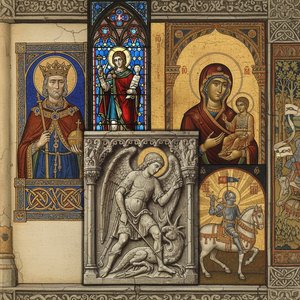
Illuminating Faith & Power: A Journey Through Medieval Art (c. 500 – c. 1500)
Explore the rich history of Medieval Art (c. 500 – c. 1500) with OriginalUniqueArt. Discover Byzantine mosaics, Gothic cathedrals & Renaissance masterpieces. Expert insights & museum-quality reproductions.

The Timeless Glow of Tempera: Discovering the Sacred Art of Egg Yolk Painting
Step into the luminous world of egg tempera painting. Explore the sacred history, meticulous techniques, and enduring glow of this medieval masterpiece medium, from illuminated manuscripts to the timeless legacy of the Old Masters.
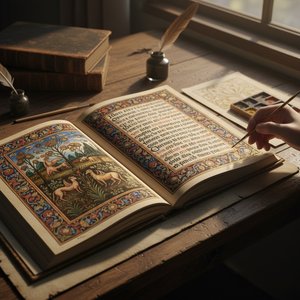
Whispers of History: Capturing the Timeless Beauty of Illuminated Manuscripts in Art
Embark on a journey through time with our deep dive into the exquisite beauty of illuminated manuscripts. Discover the sacred artistry, precious materials, and enduring legacy of medieval illumination in this cultural exploration for history lovers.


