
 Visa i rummet
 Skicka
 Dela
Dela
 Detaljer

 Ladda ner
 Liknande objekt
 Röntgen
 Bildspel
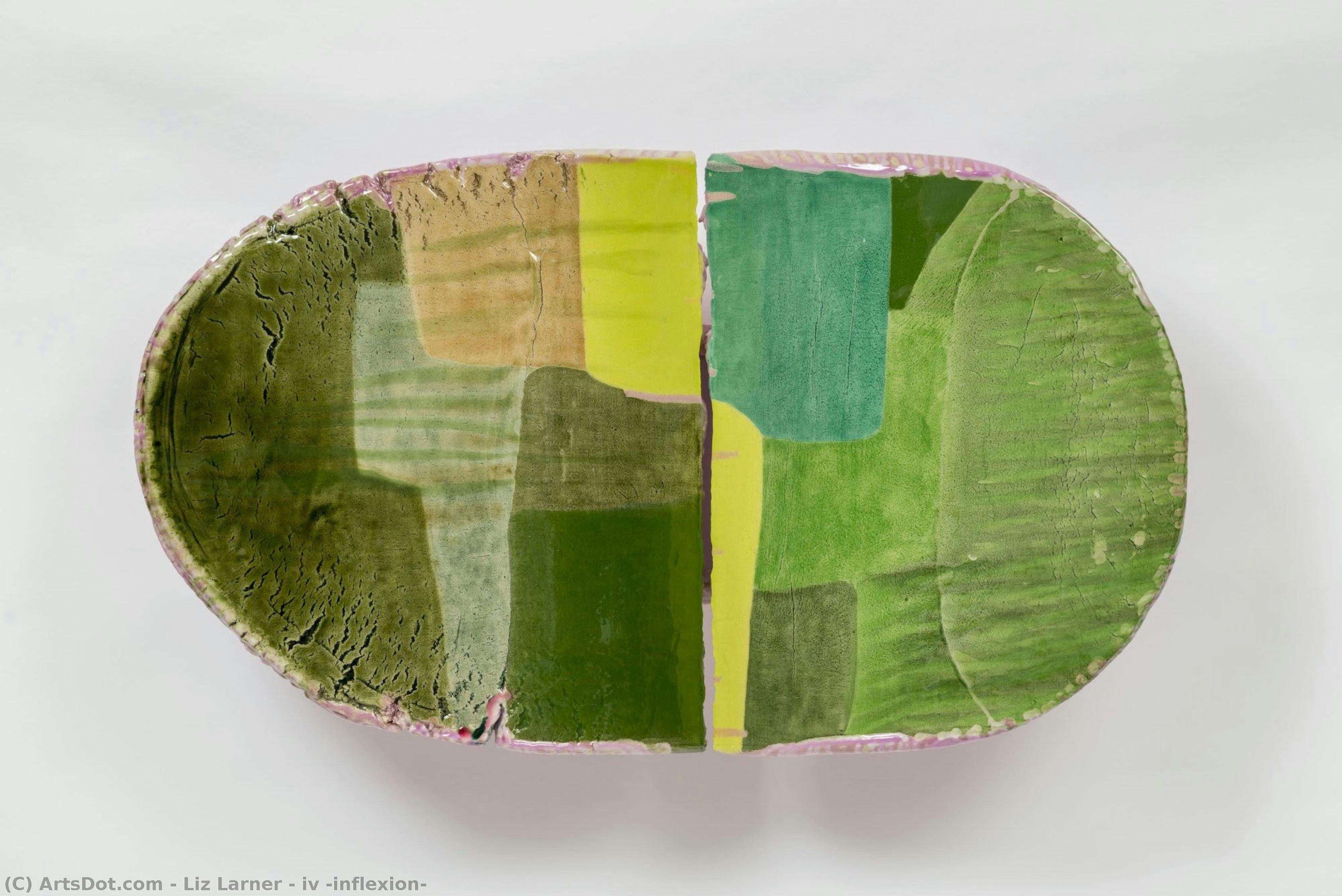
iv (inflexion)


 Läs mer
Handgjord oljereproduktion
Handmålad olja på duk i din valda storlek och ram, tillverkad efter beställning av våra konstnärer. ( Beställ tryck Byt till bild)




































Välj bland våra förinställda storlekar som motsvarar konstverkets ursprungliga proportioner.

Du kan ange egna mått för att passa en specifik ram eller yta. Om den valda storleken inte matchar originalbildens proportioner kommer vi antingen att beskära konstverket eller utöka målningen med ytterligare handmålade element. En digital skiss skickas till dig för godkännande innan produktionen påbörjas.
Observera att förhandsvisningen på skärmen inte återspeglar den faktiska beskärningen eller utökningen. Endast skissen visar den slutgiltiga kompositionen korrekt.
Även om anpassade storlekar är möjliga, rekommenderar vi att du väljer en dimension från den fördefinierade listan för att bevara originalproportionerna.
Efter beställning kommer OriginalUniqueArt.com team att mejla kunden för instruktioner och tillhandahålla en skissförhandsvisning
Leverans över hela världen () på 3–4 veckor istället för standard 5 veckor. (9 augusti). Inga kompromisser med kvaliteten.

Fri expressfrakt över hela världen

Högkvalitativ linnecanvas

Fullständig fraktförsäkring

Garantier för återbetalning av tullavgifter

Garantier för exakt färgåtergivning

60 dagars returrätt (endast vid fabrikationsfel)

100% pengarna tillbaka-garanti

Mängdrabatt erbjuds
 Glasalternativet är endast tillgängligt i storlekar under 110 cm.

iv (inflexion)
Tryckteknik
Reproduktionsstorlek
-


Totalpris
$ 300
Om konstnären
Liz Larner: Sculpting Space and Challenging Conventions
Liz Larner (born 1960) is an American installation artist and sculptor whose work explores the intersection of space, design, and digital media—themes that resonate powerfully with contemporary concerns about materiality and perception. Rooted in a fascination with modernist aesthetics and informed by explorations of feminist theory and critical geopolitics, Larner’s oeuvre distinguishes itself through its conceptual rigor and willingness to confront societal anxieties surrounding identity and transformation. Her artistic journey began amidst the burgeoning experimental art scene of the late 1980s, where she honed her craft alongside luminaries like Eva Hesse and Jackie Winsor—artists who similarly interrogated traditional sculptural forms and embraced unconventional materials.Early Life and Artistic Formation
Born in Sacramento, California, Larner’s formative years were marked by exposure to diverse cultural influences, fostering a lifelong commitment to questioning established narratives. She pursued her undergraduate studies at the California Institute of Arts (CIA), where she studied with John Baldessari—a fellow artist known for his appropriation and deconstruction of visual language—influences that would profoundly shape Larner’s artistic approach. CIA's emphasis on conceptual art provided a crucial springboard for Larner’s intellectual development, equipping her with the tools to articulate complex ideas through sculptural interventions.Exploring Materiality and Conceptual Framework
Larner’s breakthrough came in the late 1990s when she discovered ceramic—a medium that initially seemed incongruous with the dominant trends of minimalist sculpture but quickly became central to her artistic practice. Embracing a deliberate contrast between form and substance, Larner utilizes materials like lead and wax alongside digital technologies to generate installations that disrupt conventional spatial relationships. Her sculptures aren’t merely objects; they are active agents within their environments—provoking viewers to reconsider notions of scale, materiality, and the role of technology in shaping our experience of space.Notable Works and Conceptual Innovations
Among Larner's most celebrated pieces is *Damage Control*, a striking assemblage comprised of hazardous substances—saltpeter, ammonium nitrate, and TNT—presented within a deceptively simple geometric form. This work embodies Larner’s preoccupation with confronting anxieties surrounding risk and vulnerability—themes that extend beyond the sculptural realm into broader explorations of geopolitics and environmental concerns. Similarly, *Used to Do the Job* features two interlocking cubes constructed from lead and wax, suspended in space—a deliberate allusion to Brancusi's iconic sculpture *Bird in Space*, which Larner herself cites as an inspiration. The juxtaposition of contrasting materials underscores Larner’s commitment to challenging aesthetic conventions and prompting viewers to contemplate the symbolic significance of form and materiality.Legacy and Critical Recognition
Liz Larner’s artistic vision—characterized by intellectual rigor, conceptual innovation, and a willingness to engage with pressing social issues—has garnered widespread acclaim from critics and curators alike. Her work has been exhibited internationally, cementing her position as one of the foremost sculptors of her generation. She received the Victoria Medal from the Royal Geographical Society in 2018 for her contributions to artistic scholarship and continues to inspire artists and thinkers with her uncompromising pursuit of aesthetic and conceptual exploration. Her ongoing engagement with contemporary debates about globalization and gender underscores Larner’s enduring relevance as a voice within the broader cultural landscape—a testament to the transformative power of art to provoke dialogue and reshape our understanding of the world around us.
liz larner
1960 - , United States of America
Snabbfakta
- Artistic Movement Or Style: Installation Art
- Artists Or Movements Influenced By This Artist: ['John Baldessari']
- Artists Who Influenced This Artist:
- Eva Hesse
- Jackie Winsor
- Full Name: Wendy Larner
- Nationality: American
- Notable Artworks:
- Bird in Space
- Corridor Red/Green
- Place Of Birth: Sacramento, California

