
 Förhandsvisa
 Skicka
 Dela
Dela
 Visa detaljer
 Guide
Guide

 Ladda ner
 Liknande objekt
 Röntgen
 Bildspel
 Frågor och svar
 Statistik
Madonna and Child

- 32.0 x 23.0 cm


 Visa mer
Giclée / Konsttryck
Giclée- eller canvasprint av museumskvalitet med snabb produktion och flexibla ytbehandlingsalternativ. ( Beställ handmålad reproduktion Byt till digital bild)




P118B Skr10

P118H Skr10

P118W Skr10

P438Z Skr10

P508JH Skr12

P508YH Skr12

P805H Skr10

P805Z Skr10

P919BZ Skr10

P919G Skr10

P919XJ Skr10

P959ZH Skr10

P968JZ Skr12

W106C Skr8

W218G Skr10

W218JH Skr8

W218Y Skr10

W307PJ Skr10

W316G Skr10

W316PJ Skr8

W316Y Skr10

W398PJ Skr8

W4111J Skr10

W500HY Skr15

W500JH Skr15

W692G Skr12

W849H Skr8

W940BG Skr15

W953PJ Skr8




Välj bland våra förinställda storlekar som motsvarar konstverkets ursprungliga proportioner.

Ange den bredd och höjd du behöver för att passa din ram eller vägg. Ett tryck kan endast beskäras, aldrig göras större än originalbilden, vilket innebär att ett format med en annan proportion leder till att en del av bilden går förlorad. Vi skickar en digital mockup för godkännande innan vi påbörjar tryckningen. Bilden som visas på denna sida visar inte den faktiska beskärningen — det är endast mockuppen som gör det.
Leverans över hela världen () på 2 veckor istället för standard 4/5 veckor. (4 november)

Fri expressfrakt över hela världen

Högkvalitativ linnecanvas

Fullständig fraktförsäkring

Garantier för återbetalning av tullavgifter

Garantier för exakt färgåtergivning

100 dagars returrätt (endast vid fel)

100% pengarna tillbaka-garanti

Mängdrabatt erbjuds
 Glasalternativet är endast tillgängligt i storlekar under 110 cm.

Madonna and Child
Giclée / Konsttryck
Storlek på reproduktion
-


Slutgiltigt pris
Skr 810
A Window into Medieval Grace: The Luminous World of Lippo Memmi
In the quiet, golden glow of the early fourteenth century, a masterpiece emerged from the workshops of Siena that continues to captivate the modern soul. Lippo Memmi's "Madonna and Child," painted around 1340, represents far more than a mere religious icon; it is a profound window into an era of transition. As the artistic landscape of Italy began to shift from the rigid, formal traditions of Byzantine influence toward the burgeoning elegance of the International Gothic style, Memmi stood at the forefront of this evolution. This painting captures a pivotal moment in art history, where the spiritual fervor of the Middle Ages met a new, sophisticated appreciation for human emotion and aesthetic delicacy.
The subject matter—the Virgin Mary cradling her infant son—is one of the most enduring motifs in Christian iconography. Yet, in Memmi's hands, this sacred tableau transcends simple devotion to become an intimate study of maternal tenderness. The way the Virgin holds the child, with a posture that suggests both protective strength and gentle vulnerability, creates a sense of profound emotional resonance. As the infant appears to nurse, the scene captures a tender, human moment that bridges the gap between the earthly and the divine, making it an incredibly moving piece for any viewer to contemplate.
Technique and the Radiance of Sienese Gold
To behold this work is to experience the mastery of tempera on panel. Memmi, heavily influenced by his mentor and brother-in-law, Simone Martini, employed a technique of layering thin, translucent glazes to achieve a remarkable depth and luminosity. This meticulous process allows light to penetrate the surface, creating an image that feels simultaneously ethereal and tangibly present. The delicate draperies of the Virgin's garments ripple with subtle folds, conveying a sense of soft movement that breathes life into the static panel.
Perhaps the most striking element of the composition is the luminous gold background. In the Gothic tradition, this shimmering expanse was not merely decorative; it served as a symbol of divine illumination, lifting the figures out of a recognizable landscape and placing them within a celestial realm. This use of gold leaf creates a breathtakingly rich atmosphere, making the painting an ideal centerpiece for those seeking to introduce a sense of timeless luxury and spiritual serenity into a curated space. For collectors and interior designers, the interplay between the radiant gold and the soft, naturalistic tones of the figures offers a sophisticated palette that complements both classical and contemporary decor.
A Legacy of Devotion and Artistic Zenith
The historical context of Siena during this period provides a rich backdrop to Memmi's creation. At the time, Siena was experiencing an artistic zenith, fueled by papal patronage and a renewed interest in classical ideals. The city served as a crucible for experimentation, where artists blended Byzantine traditions with emerging Gothic innovations. This painting reflects that broader cultural landscape—a period marked by a deep-seated reverence for the Virgin Mary, who was seen as the protector of the Sienese people.
Owning a high-quality reproduction of this work allows one to bring a piece of this historical splendor into the modern home. Whether placed in a sunlit library or a formal gallery setting, the "Madonna and Child" serves as an anchor of peace and contemplation. It is a testament to the enduring power of art to convey the most profound human emotions—love, devotion, and grace—through the masterful use of color, light, and form.
Frågor och svar
Vilket rum passar bäst ihop med färgerna i "Madonna and Child" av Lippo Memmi?
Med tanke på dess Earthy färger rekommenderas "Madonna and Child" för ett Lounge.
Har "Madonna and Child" starka ljus-mörkerkontraster?
"Madonna and Child" av Lippo Memmi uppvisar en Bold kontrast mellan sina ljusa och mörka partier.
Vilken storlek bör jag välja för tryck av "Madonna and Child" till mitt rum?
Rekommenderad kombination för "Madonna and Child" av Lippo Memmi: ett tryck i storlek Medium för ett Lounge.
Konstnärsbiografi
En mästare av nåde och fromhet från Siena
Lippo Memmi, född omkring 1291 i hjärtat av Siena, Italien, framstår som en nyckelfigur i övergången från den bysantinskt rotade traditionen inom medeltida måleri till den spirande elegansen i den internationella gotiken. Även om han ofta diskuteras i relation till sin berömda svåger och mentor, Simone Martini, erkänner modern forskning alltmer Memmis distinkta konstnärliga röst och betydande bidrag till 1300-talets sienesiska konst. Hans tidiga liv var genomsyrat av konst; som son till Memmo di Filippuccio, en målare själv, fick Lippo troligen sin första utbildning i faderns verkstad, där han skaffade sig grundläggande färdigheter som senare skulle förfinas under Martinis vägledning. Denna familjära och professionella koppling visade sig vara avgörande och formade inte bara hans teknik utan också hans konstnärliga känslighet. Det nära förhållandet främjade en samarbetsanda som är tydlig i några av deras mest kända verk, men Memmi banade så småningom sin egen väg, präglad av en unik blandning av arvtradition och personlig innovation.Omfamningen av den internationella gotiken
Memmis konst är djupt inbäddad i de estetiska principerna för den internationella gotiken som blomstrade i Europa under hans livstid. Denna rörelse prioriterade elegans, raffinerad detaljrikedom och ett dekorativt tillvägagångssätt för måleri – en avvikelse från de mer asketiska stilarna från tidigare perioder. Memmi nöjde sig dock inte med att bara anamma dessa nya trender; han syntetiserade dem med det bestående inflytandet från bysantinsk konst, som förblev stark i Siena. Hans figurer behåller ofta en viss formalitet och frontalitet som påminner om bysantinska ikoner, men de är genomsyrade av en nyfunnen nåde och emotionell djup. Ett kännetecken för hans teknik är den minutiösa återgivningen av tyger, utsmyckade med intrikata mönster, och den distinkta användningen av stämplad tennhalo dekorerad med utstrålande bladguld – detaljer som visar både teknisk skicklighet och en uppskattning för lyxig ornamentering. Han var också en mästerlig miniaturist, som använde sgraffitotekniker för att uppnå delikata effekter i sina mindre verk, vilket demonstrerar ett anmärkningsvärt öga för detaljer och en raffinerad konstnärlig känslighet.Samarbeten och beställningar
Under hela sin karriär åtog sig Memmi många betydande uppdrag som vittnar om hans växande rykte. Kanske är den mest kända av dessa Annunciation with St. Margaret and St. Ansanus (1333), skapad i samarbete med Simone Martini för Uffizigalleriet. Detta mästerverk exemplifierar stilen inom internationell gotik och visar deras kombinerade behärskning av linje, komposition och färg. Utöver detta samarbetsprojekt mottog Memmi oberoende uppdrag som gav honom möjlighet att vidareutveckla sin individuella stil. Virgin of Mercy, även känd som "Madonna dei Raccomandati", beställd för Orvieto-katedralen, demonstrerar hans förmåga att skapa djupt fromma bilder som resonerar med samtida publik. *La Madonna della Febbre*, en särskilt vördad ikon, mottog en påvlig kröning 1631 och är nu inskränkt inom Petersbasilikan i Rom – ett bevis på dess bestående andliga betydelse och mirakulösa rykte. Dessutom representerar freskerna som tillskrivs honom (tidigare krediterade Barna) i Collegiate Church of San Gimignano en omfattande samling verk som avslöjar hans narrativa färdigheter och konstnärliga vision.Från Avignon till ett bestående arv
Memmis karriär tog en intressant vändning när han följde Simone Martini till påvliga hovet i Avignon under mitten av 1300-talet. Denna period utsatte honom för nya beskyddare, konstnärliga influenser och ett bredare europeiskt sammanhang. Under sin tid i Avignon fortsatte han att förfina sin stil och utöka sitt register. Vid sin återkomst till Siena var han aktiv fram till sin död 1356 och fortsatte att producera verk som återspeglade både traditionerna inom sienesiskt måleri och innovationerna inom den internationella gotiken. Med tiden utvecklades Memmis stil, vilket kännetecknas av mjukare kvaliteter och en lugn anda jämfört med tidigare Duecento-mästare. Han erkänns nu som Simone Martinis främsta efterföljare och spelade en avgörande roll för att forma sienesiskt konst under en period av betydande konstnärlig förändring. Hans bidrag till utvecklingen och spridningen av den internationella gotiken är obestridligt, och hans inflytande sträckte sig till efterföljande generationer av artister, särskilt de som arbetade i Siena efter pestens förödelse. Modern forskning har gått bortom att se honom enbart som Martinis följare, utan hyllar hans unika bidrag och befäster hans plats som en betydande konstnär på egen hand.En omvärdering av konstnärligt värde
Under många år skuggades Lippo Memmi av Simone Martinis briljans. Men samtida konsthistoriker erkänner i allt större utsträckning subtiliteten och sofistikeringen i hans verk. Hans målningar besitter en tyst värdighet och emotionell resonans som skiljer dem åt. Den delikata modelleringen av ansikten, den graciösa draperingen och den lysande användningen av färg bidrar alla till en atmosfär av lugn skönhet. Memmis förmåga att blanda bysantinsk formalitet med gotisk elegans skapade en distinkt stil som påverkade artister i årtionden efter hans död. Hans arv är inte bara ett om imitation eller fortsättning utan om genomtänkt anpassning och konstnärlig innovation – ett bevis på hans skicklighet, vision och bestående bidrag till den rika väven av italiensk konsthistoria.
Lippo Memmi
1291 - 1356
Kortfakta
- Artistic Movement Or Style: Internationell gotik
- Artists Or Movements Influenced By This Artist: ['Sienesiska konstnärer']
- Artists Who Influenced This Artist: ['Simone Martini']
- Date Of Birth: ca 1291
- Date Of Death: 1356
- Full Name: Lippo Memmi
- Nationality: Italiensk
- Notable Artworks:
- Annunciation...
- Virgin of Mercy
- La Madonna della Febbre
- Place Of Birth (City And Country): Siena, Italien
Relaterade artiklar

Gothic Art Guide for Hotel Designers: Leveraging Dramatic Shadows and Architectural Grandeur in Luxury Interiors
Elevate hospitality interiors with our expert guide to Gothic art. Discover how to leverage dramatic shadows, architectural grandeur, and high-end reproductions to create sophisticated, atmospheric hotel spaces that captivate guests.

The Radiant Dusk of Medieval Vision: Exploring Late Gothic Art's Synthesis of Faith, Form & Emotionality (c. 1300-1500)
Explore the exquisite beauty & spiritual depth of Late Gothic art (c. 1300-1500). Discover key artists, symbolism, and its lasting influence on the Renaissance. Expert insights at OriginalUniqueArt.

Gothic Vibes: From Dark Shadows to Bold Modern Edge | The Ultimate Trend Forecast
Explore the evolution of Gothic vibes, from historical shadows to bold modern edge. Discover how dark aesthetics, noir interiors, and contemporary subcultures are redefining modern design through a high-impact, trend-focused lens.
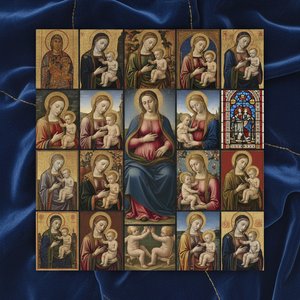
Divine Love: A Curated Guide to the Most Iconic Madonna and Child Masterpieces in Art History
Embark on a sophisticated journey through art history with our curated guide to the most iconic Madonna and Child masterpieces. Discover the profound beauty, theological depth, and enduring legacy of these sacred Renaissance treasures.
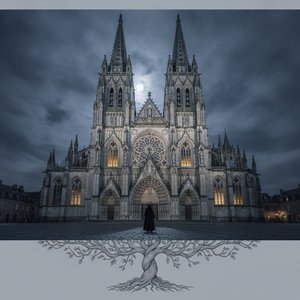
Shadows & Splendor: A Journey Through the Soul of Gothic Art and Architectural Grandeur
Embark on a profound journey through the spiritual intensity of Gothic art. Explore the architectural marvels, luminous stained glass, and sacred sculptures that define this era of grandeur and human devotion.
