
 Förhandsvisa
 Skicka
 Dela
Dela
 Visa detaljer

 Ladda ner
 Liknande objekt
 Röntgen
 Bildspel
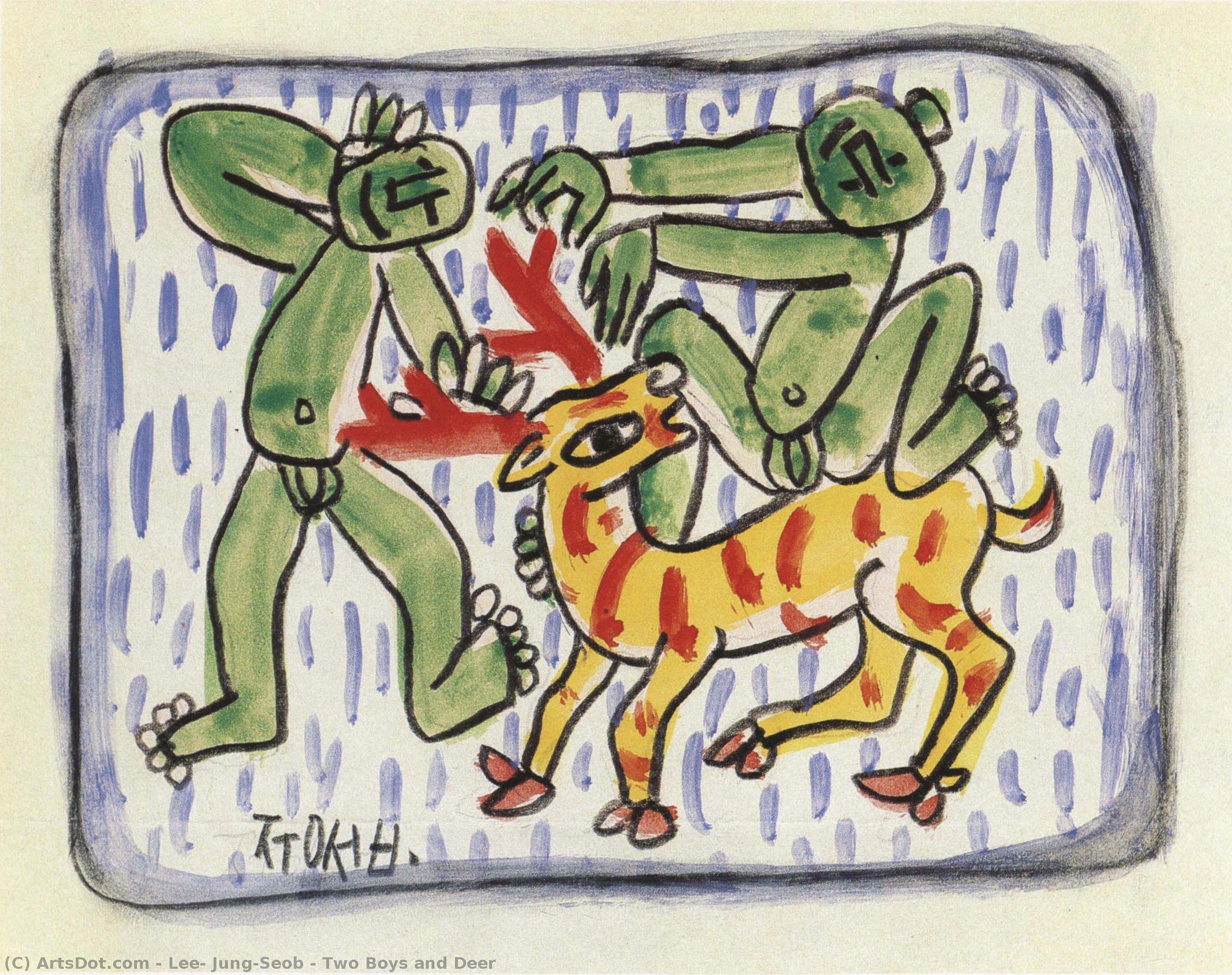
Two Boys and Deer
 Acrylic On Canvas
- WallArt
- Korean Modernism
 17.0 x 13.0 cm
 Nationalmuseum i Korea
 Visa mer
Giclée / Konsttryck
Giclée- eller canvasprint av museumskvalitet med snabb produktion och flexibla ytbehandlingsalternativ. ( Beställ handmålad reproduktion Köp högupplöst bild)




P118B $10

P118H $10

P118W $10

P438Z $10

P508JH $12

P508YH $12

P805H $10

P805Z $10

P919BZ $10

P919G $10

P919XJ $10

P959ZH $10

P968JZ $12

W106C $8

W218G $10

W218JH $8

W218Y $10

W307PJ $10

W316G $10

W316PJ $8

W316Y $10

W398PJ $8

W4111J $10

W500HY $15

W500JH $15

W692G $12

W849H $8

W940BG $15

W953PJ $8




Välj bland våra förinställda storlekar som motsvarar konstverkets ursprungliga proportioner.

Du kan ange egna mått för att passa en specifik ram eller yta. Om det valda måttet inte överensstämmer med originalbildens proportioner kommer vi antingen att beskära konstverket eller utöka bilden med en speglad eller enfärgad kant. En digital mockup skickas för ditt godkännande innan produktionen påbörjas.
Vänligen notera att förhandsvisningen på skärmen inte återspeglar den faktiska beskärningen eller utökningen. Endast mockuppen visar den slutgiltiga kompositionen korrekt.
Även om anpassade storlekar är möjliga, rekommenderar vi att du väljer ett mått från den fördefinierade listan för att bevara de ursprungliga proportionerna.
Leverans över hela världen () på 2 veckor istället för standard 4/5 veckor. (20 augusti)

Fri expressfrakt över hela världen

Högkvalitativ linnecanvas

Fullständig fraktförsäkring

Garantier för återbetalning av tullavgifter

Garantier för exakt färgåtergivning

60 dagars returrätt (endast vid fabrikationsfel)

100% pengarna tillbaka-garanti

Mängdrabatt erbjuds
 Glasalternativet är endast tillgängligt i storlekar under 110 cm.

Two Boys and Deer
Giclée / Konsttryck
Storlek på reproduktion
-


Slutgiltigt pris
$ 80
Om samlarobjektet
A Moment Frozen in Time: Lee Jung-Seob’s “Two Boys and Deer”
Lee Jung-Seob's "Two Boys and Deer" isn’t merely a painting; it’s a poignant distillation of Korean life, memory, and the quiet dignity of rural existence. Completed in 1953, this watercolor captures a fleeting scene – two young men, likely brothers, engaged in a simple act of tending to a deer near a small stream. Yet, within this seemingly straightforward depiction lies a profound depth of emotion and a subtle commentary on the changing landscape of Korea during a turbulent era. The painting’s power resides not just in its subject matter but also in Lee's masterful use of color and light, creating an atmosphere both serene and subtly melancholic.
The scene unfolds within a meticulously rendered Korean countryside – rolling hills, dense foliage, and the reflective surface of a stream. The figures are dressed in muted greens and browns, blending seamlessly with their surroundings, suggesting a deep connection to the land. Lee’s technique is remarkably delicate; each brushstroke seems to capture the ephemeral quality of light filtering through the trees. Notice how he employs wet-on-wet watercolor techniques, allowing colors to bleed and blend naturally, creating an impressionistic effect that softens the edges and imbues the scene with a sense of hazy nostalgia. The deer itself, rendered with surprising detail despite its secondary role, embodies a quiet grace and vulnerability – a symbol often associated with innocence and connection to nature in Korean art.
The Artist’s Biography: A Life Shaped by Conflict
Lee Jung-Seob (1916-1956) was a pivotal figure in the development of Korean modernism, tragically cut short by his untimely death. Born in Pyeongannamdo during Japanese rule, he witnessed firsthand the struggles for independence and endured the devastation of the Korean War. His early life, marked by privilege and artistic training, abruptly shifted with the war’s arrival, forcing him to abandon his family home and relocate to Jeju Island. This displacement profoundly impacted his work, imbuing it with a sense of loss and longing – themes that resonate powerfully in “Two Boys and Deer.” Lee's artistic journey was fueled by a desire to capture the essence of Korean life, often focusing on rural scenes and everyday subjects, reflecting a deep respect for tradition and a yearning for a simpler existence.
His artistic influences were diverse, drawing from both traditional Korean painting styles and Western modernism. He studied at Teikoku Art School in Japan, where he experimented with Fauvist techniques before returning to Korea and developing his own distinctive style characterized by bold colors, expressive brushwork, and a focus on capturing the emotional resonance of his subjects. Lee’s work is often considered part of the “Korean School” movement, which sought to establish a uniquely Korean artistic identity in the aftermath of Japanese colonialism.
Symbolism and Emotional Resonance
Beyond its surface depiction, "Two Boys and Deer" carries layers of symbolic meaning. The deer itself represents purity, gentleness, and connection to nature – values deeply ingrained in Korean culture. The two boys, seemingly engaged in a quiet ritual, could symbolize the continuity of tradition or perhaps the anxieties surrounding the future as Korea navigated a period of immense social and political upheaval. Some art historians interpret their interaction as a subtle commentary on the changing roles of men within Korean society during this era.
The painting’s overall mood is one of quiet contemplation, tinged with melancholy. The muted colors, soft lighting, and understated details create an atmosphere of wistful remembrance – a feeling that echoes the sense of loss experienced by many Koreans following the war. Lee Jung-Seob masterfully uses these elements to evoke a powerful emotional response in the viewer, inviting us to reflect on themes of memory, identity, and the enduring beauty of the Korean landscape.
A Legacy Preserved: Reproductions and Artistic Significance
Today, “Two Boys and Deer” is held within the National Museum of Korea in Seoul, a testament to Lee Jung-Seob’s artistic legacy. High-quality reproductions are available, allowing art lovers worldwide to experience the beauty and emotional depth of this remarkable painting. When selecting a reproduction, consider the archival quality of the materials used – ensuring that the colors remain vibrant and true over time. This piece offers not only aesthetic pleasure but also a valuable window into Korean history and culture, reminding us of the resilience and enduring spirit of its people.
Konstnärsbiografi
en koreansk mästare av oljemåleri
lee, jung-seob, en framstående sydkoreansk konstnär, lämnade ett outplånligt avtryck i konstvärlden med sina fängslande oljemålningar. Född i Pyeongannamdo, Sydkorea år 1916, präglades lees konstnärliga resa av innovation och en djup koppling till sitt kulturarv.konstnärliga bidrag
lee jung-seob är mest känd för sitt ikoniska verk 'white ox', ett bevis på hans skickliga användning av oljefärger. Detta mästerverk, bland andra, uppvisar hans unika stil som sammanväver traditionella koreanska element med moderna tekniker.- viktiga verk:
- family and pigeon (National Museum of Korea, Seoul, Sydkorea) - ett gripande verk i olja på papper.
- boys, fish, and crab (National Museum of Korea, Seoul, Sydkorea) - en akvarell som visar lees mångsidighet.
- two boys and deer (National Museum of Korea, Seoul, Sydkorea) - ytterligare ett exempel på hans skicklighet inom akvarell.
- museer som visar hans verk:
- national museum of korea (seoul, sydkorea)
arv och inflytande
lee jung-seobs bortgång i Seoul 1956 markerade slutet på en era, men banade också väg för framtida generationer av koreanska konstnärer. Hans inflytande kan ses i verken hos många samtida koreanska målare. utforska mer av lee jung-seobs konst: [https://OriginalUniqueArt.com/@/lee-jung-seob](https://OriginalUniqueArt.com/@/lee-jung-seob) | upptäck en omfattande samling av hans målningar på OriginalUniqueArt. lär dig mer om andra berömda konstnärer: /sv/art/list/ | bläddra igenom listan över de främsta konstnärerna hos OriginalUniqueArt.
Lee Jung-Seob
1916 - 1956 , Sydkorea
Kortfakta
- Artistic Movement Or Style: Modern koreansk konst
- Artists Or Movements Influenced By This Artist: ['Fauvism']
- Artists Who Influenced This Artist: ['Goguryeo-gravmålningar']
- Date Of Birth: 10 april 1916
- Date Of Death: 6 september 1956
- Full Name: Lee Jung-seob
- Nationality: Korean
- Notable Artworks:
- Vit oxe
- Familj & duva
- Pojkar, fisk, krabba
- Place Of Birth: Pyeongannamdo, Korea
Relaterade artiklar

10 Akvarellmästerverk som Förändrade Konsthistorien | OriginalUniqueArt
Utforska 10 legendariska akvarellmålningar av Turner, Monet & Sargent som revolutionerade konsten. Lär känna historien bakom varje mästerverk och hitta inspiration till din inredning. Köp reproduktioner på OriginalUniqueArt.com!

Ephemeral Visions: Exploring the Artistic Legacy & Contemporary Practice of Watercolor Painting
Explore the captivating world of watercolor painting! Discover its rich history, essential techniques, influential artists & collecting tips. A comprehensive guide for art enthusiasts from OriginalUniqueArt.

Ephemeral Visions: Exploring the History & Emotional Resonance of Watercolor Painting
Explore the captivating history of watercolor painting, from ancient techniques to modern masters like Kandinsky & Blake. Discover essential artists, collecting tips & the emotional power of this luminous medium. Expert insights for art enthusiasts.

Ephemeral Visions: Exploring the Artistic Legacy & Nuances of Watercolor Painting
Explore the captivating world of watercolor painting! Discover its rich history, essential techniques, influential artists & collecting tips from art experts. A comprehensive guide for enthusiasts.

Akvarellens bestående dragningskraft: Historia, tekniker och samtida praktik
Utforska akvarellens fascinerande värld! Lär dig om dess historia, tekniker och samtida uttryck. Guider för nybörjare & inspiration från konstnärer.

