
 Förhandsvisa
 Skicka
 Dela
Dela
 Visa detaljer
 Guide
Guide

 Ladda ner
 Liknande objekt
 Röntgen
 Bildspel
 Frågor och svar
 Statistik
Judith and Holofernes

- 49.0 x 37.0 cm


 Visa mer
Giclée / Konsttryck
Giclée- eller canvasprint av museumskvalitet med snabb produktion och flexibla ytbehandlingsalternativ. ( Beställ handmålad reproduktion Byt till digital bild)




P118B Skr10

P118H Skr10

P118W Skr10

P438Z Skr10

P508JH Skr12

P508YH Skr12

P805H Skr10

P805Z Skr10

P919BZ Skr10

P919G Skr10

P919XJ Skr10

P959ZH Skr10

P968JZ Skr12

W106C Skr8

W218G Skr10

W218JH Skr8

W218Y Skr10

W307PJ Skr10

W316G Skr10

W316PJ Skr8

W316Y Skr10

W398PJ Skr8

W4111J Skr10

W500HY Skr15

W500JH Skr15

W692G Skr12

W849H Skr8

W940BG Skr15

W953PJ Skr8




Välj bland våra förinställda storlekar som motsvarar konstverkets ursprungliga proportioner.

Ange den bredd och höjd du behöver för att passa din ram eller vägg. Ett tryck kan endast beskäras, aldrig göras större än originalbilden, vilket innebär att ett format med en annan proportion leder till att en del av bilden går förlorad. Vi skickar en digital mockup för godkännande innan vi påbörjar tryckningen. Bilden som visas på denna sida visar inte den faktiska beskärningen — det är endast mockuppen som gör det.
Leverans över hela världen () på 2 veckor istället för standard 4/5 veckor. (6 november)

Fri expressfrakt över hela världen

Högkvalitativ linnecanvas

Fullständig fraktförsäkring

Garantier för återbetalning av tullavgifter

Garantier för exakt färgåtergivning

100 dagars returrätt (endast vid fel)

100% pengarna tillbaka-garanti

Mängdrabatt erbjuds
 Glasalternativet är endast tillgängligt i storlekar under 110 cm.

Judith and Holofernes
Giclée / Konsttryck
Storlek på reproduktion
-


Slutgiltigt pris
Skr 809
A Vision of Decadence: Moser’s Judith and Holofernes
In the twilight of the early twentieth century, the boundaries between fine art and decorative elegance began to dissolve, giving rise to a movement that celebrated the ornamental as much as the profound. Koloman Moser, a titan of the Vienna Secession, captured this transformative era in his 1916 masterpiece, Judith and Holofernes. This work is not merely a depiction of a biblical narrative; it is a sensory experience that invites the viewer into a world of draped shadows and gilded intensity. The painting presents a striking composition where the human form meets the rhythmic, flowing lines characteristic of the Art Nouveau style, creating a scene that feels both ancient in its mythic weight and strikingly modern in its graphic execution.
The subject matter draws from the dramatic tension of the biblical tale, yet Moser strips away the traditional gore often associated with this story to focus on an intimate, almost theatrical atmosphere. We see a woman poised with a quiet, commanding presence, her form partially veiled by heavy, sweeping curtains that frame the scene like a stage production. The interplay between the figures—one partially obscured, the other seemingly caught in a moment of profound vulnerability—creates a psychological depth that transcends simple storytelling. Through the use of bold reds and warm yellows, Moser bathes the canvas in a glow that feels both inviting and ominous, pulling the observer into the heat of the unfolding drama.
The Mastery of Line and Color
Technically, Judith and Holofernes serves as a testament to Moser’s unparalleled ability to blend graphic precision with painterly warmth. As a founding member of the Wiener Werkstätte, Moser possessed a unique gift for seeing the world through patterns and silhouettes. In this piece, his mastery is evident in the way the fabric folds interact with the light, creating a rhythmic movement that guides the eye across the canvas. The composition is anchored by strong, decisive shapes, yet softened by the delicate, organic flourishes of the Art Nouveau aesthetic. This balance makes the artwork particularly captivating for collectors who appreciate pieces that possess both structural strength and decorative grace.
The color palette is a deliberate choice in emotional manipulation. The dominance of crimson and amber tones evokes a sense of passion, danger, and luxury. For an interior designer, this painting offers a sophisticated focal point; its warm hues can anchor a room with a sense of historical grandeur, while its intricate details provide a layer of complexity that rewards close inspection. Whether placed in a contemporary gallery setting or a classic, richly appointed study, the work radiates a timeless energy that bridges the gap between the classical past and the avant-garde future.
An Eternal Legacy for the Discerning Collector
Owning a reproduction of such a significant piece is an opportunity to bring the spirit of the Vienna Secession into a modern living space. Moser’s work represents a pivotal moment in art history when design became an integrated part of life itself. This painting, with its evocative symbolism and masterful use of light, serves as more than just decoration; it is a conversation piece that speaks to themes of power, destiny, and the beauty found within tension. For those seeking to curate a collection that reflects depth, historical significance, and an appreciation for the exquisite, Moser’s Judith and Holofernes stands as an enduring icon of artistic brilliance.
Frågor och svar
Vilken färgpalett används i "Judith and Holofernes" av Koloman Moser?
"Judith and Holofernes" av Koloman Moser använder en Dark färgpalett. Paletten sammanfattar verkets övergripande färgkaraktär.
Vem är konstnären bakom "Judith and Holofernes"?
"Judith and Holofernes" tillskrivs Koloman Moser.
Hur intensiva är färgerna i "Judith and Holofernes" av Koloman Moser?
"Judith and Holofernes" av Koloman Moser har en Vivid färgintensitet.
Konstnärsbiografi
Early Life and Artistic Foundations
Koloman Moser, född den 30 mars 1868 i Wien, Austria-Ungern (nuvarande Kroatien), var en central gestalt inom det österrikiska konstlivet under tidigt 1900-tal. Hans resa in i konsten började med formell utbildning vid Wiener Akademie och Kunstgewerbeschule, där han senare blev lärare från 1899. Denna akademiska bakgrund var avgörande för att forma hans mångsidiga karriär som spänner över olika konstnärliga discipliner. Mosers familjebakgrund bidrog till en tidig exponering för konst och design, vilket utvecklade ett skarpt öga för detaljer och estetik – kvaliteter som skulle prägla hans konstnärliga stil. Wien på den tiden var en pulserande kulturell knutpunkt, och Mosers uppväxt där gav honom en unik förståelse för både traditionella och moderna strömningar inom konsten.A Multifaceted Artistic Career
Mosers konstnärliga bidrag var otvivelaktigt mångfacetterade. Han utmärkte sig särskilt inom grafisk design, men hans talang sträckte sig även till mode, fönsterglas, porslin, keramik, glasblåsning, bordsartiklar, silver och smycken. Detta visar på en djupgående engagemang för att integrera konst i vardagen och skapa objekt som inte bara var vackra utan också funktionella. Hans grafiska design präglades av tydlighet, elegans och ett innovativt användande av typografi – han skapade tryckta material med distinkta geometriska mönster och stiliserade bilder. Han var en pionjär inom sin tid, och hans arbete påverkade generationer av designers. Hans förmåga att kombinera traditionella tekniker med moderna idéer gjorde honom till en unik konstnärlig röst.The Wiener Werkstätte and Collaborative Vision
1903 blev Koloman Moser medgrundare till Wiener Werkstätte (Wien Workshop), tillsammans med Josef Hoffmann och Fritz Wärndorfer. Detta samarbetsverk verkade för att skapa vackra hushållsartiklar genom att förena konstnärer och hantverkare. Wiener Werkstätten filosofi, "Gesamtkunstwerk" – totalt konstverk – innebar att varje aspekt av ett objekt, från design till produktion, skulle övervägas noggrant. Mosers deltagande i Wiener Werkstätte förstärkte hans engagemang för funktionell skönhet och höjde statusen för tillämpad konst. Han var en drivkraft bakom verkstadens framgångar och bidrog med sin vision om att skapa objekt som var både vackra och användbara.Influences, Development and Lasting Legacy
Mosers konstnärliga utveckling påverkades av flera nyckelrörelser, inklusive Art Nouveau, Symbolism och Wien Secession. Han hämtade inspiration från japanska träsnitt, vilket påverkade hans användning av platta färgfält och förenklade former. Hans stil utvecklades över tid, blev alltmer abstrakt och geometrisk samtidigt som den behöll en känsla av elegans och raffinement. Mosers arv är säkrat genom att hans designar immortaliserats på den österrikiska 100-europenomnämningsstenkyrkan (2005), vilket erkänner hans bestående inflytande på konst och design. Han dog i Wien 1918, lämnade efter sig ett betydande verk som fortsätter att inspirera konstnärer och designers idag. Hans bidrag hjälpte till att forma konstens gång och design, betonar vikten av att integrera skönhet i vardagliga objekt och utrymmen.Notable Works and Recognition
Mosers arbete omfattar en rad imponerande verk, inklusive fönsterglas för Wagner's Steinhof Church (1904), grafiska element för tidningar och tryckta material, samt möbler och smycken. Hans design för Wien Secession var banbrytande och påverkade många andra konstnärer. Han är också känd för sina bidrag till Wiener Werkstätte, där han arbetade med att skapa vackra och funktionella objekt som blev populära i hela Europa. Koloman Mosers verk fortsätter att studeras och uppskattas av konsthistoriker och designentusiaster världen över. Hans inflytande kan fortfarande ses i modern design och konst idag.
Koloman Moser
1868 - 1918 , Österrike-Ungern
Kortfakta
- Artistic Movement Or Style: Wiener Secession
- Artists Or Movements Influenced By This Artist: ['Wiener Werkstätte']
- Artists Who Influenced This Artist: ['Josef Hoffmann']
- Date Of Birth: 30 mars 1868
- Date Of Death: 18 okt 1918
- Full Name: Koloman Moser
- Nationality: Österrikisk
- Notable Artworks:
- Kirchfassad
- Danser
- Tre böjda kvinnor
- Place Of Birth: Wien, Kroatien
Relaterade artiklar

Gustav Klimts 25 Mästerverk: En Konstresa för Hemmet & Själens Frid
Utforska Gustav Klimts 25 mest ikoniska målningar! Fördjupa dig i symbolik, Art Nouveau och den gyllene fasen. Hitta inspiration för din heminredning & köp museumkvalitativa reproduktioner på OriginalUniqueArt.com.
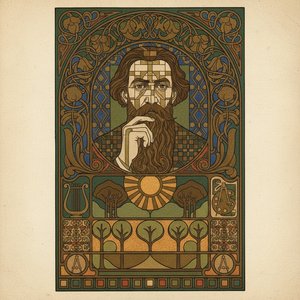
Koloman Moser: A Synthesis of Art Nouveau, Secessionism & the Gesamtkunstwerk Ideal
Explore the life & work of Koloman Moser, a pivotal figure in the Vienna Secession & Wiener Werkstätte. Discover his stunning graphic design, architecture, and applied arts – a true pioneer of Viennese Art Nouveau. Learn more at OriginalUniqueArt.

Crimson Threads of Narrative: Exploring Symbolism & Representation in Artworks Featuring the Red Dress
Explore the rich symbolism of the red dress in art history! From ancient power displays to iconic portraits like Cézanne’s 'Madame Cezanne', discover the cultural and artistic significance behind this captivating color. Expert analysis & insights.
Art Nouveau: Topp 10 mästerverk som definierade en epok – Konsttryck & Inredning
Utforska Art Nouveau-rörelsens 10 mest ikoniska mästerverk! Lär känna Alphonse Mucha, Gustav Klimt & andra nyckelartister. Vackra konsttryck och inspiration för din inredning – upptäck tidlösa symbolik och organiska former på OriginalUniqueArt.com.

The Vienna Secession: A Rebellion of Form & Spirit in Fin-de-Siècle Art
Discover the revolutionary Vienna Secession art movement! Explore Klimt, Olbrich & more. Learn about its history, characteristics & lasting influence on modern art. High-quality reproductions available.
