
 Förhandsvisa
 Skicka
 Dela
Dela
 Visa detaljer

 Ladda ner
 Liknande objekt
 Röntgen
 Bildspel
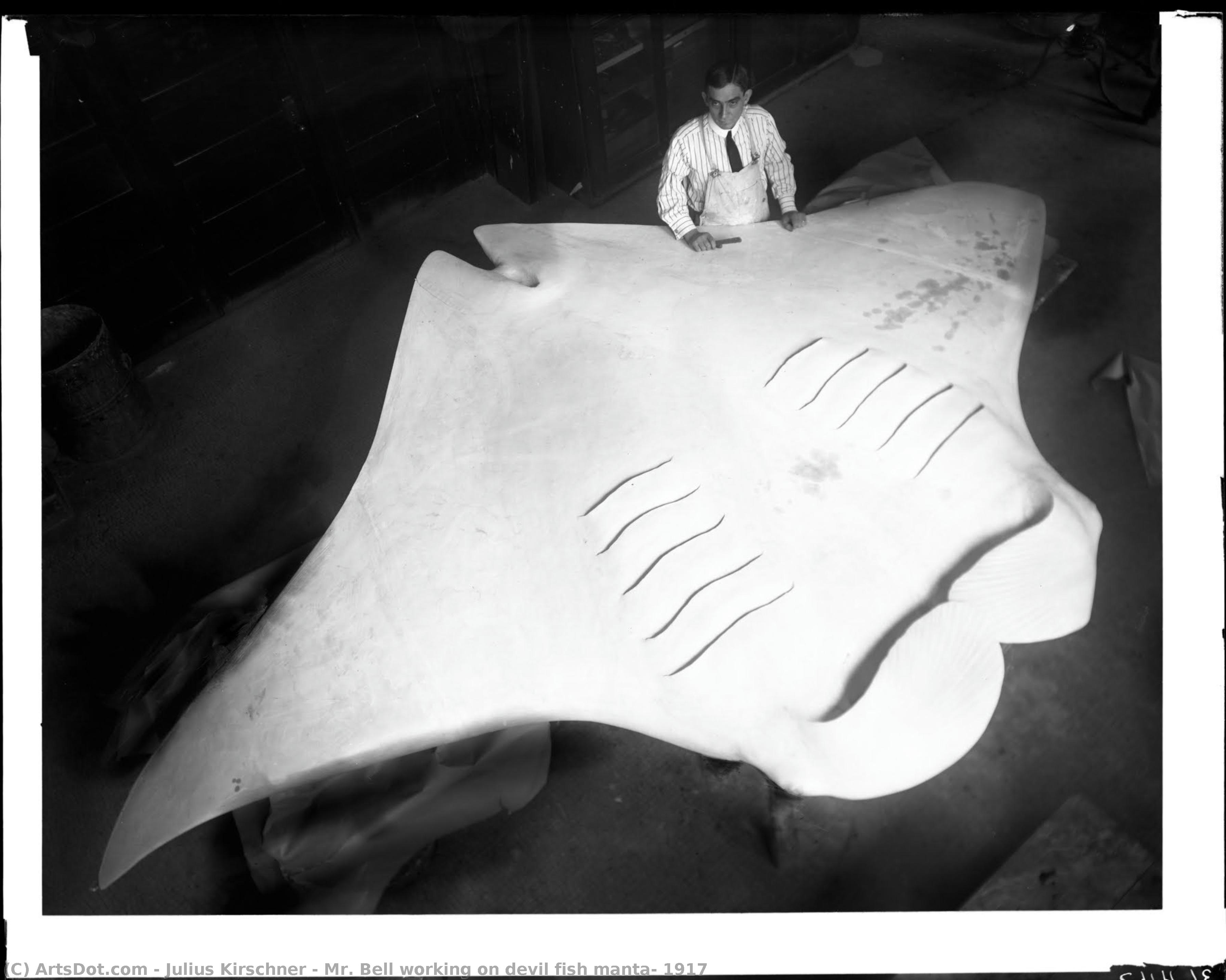
Mr. Bell working on devil fish manta, 1917

 Visa mer
Giclée / Konsttryck
Giclée- eller canvasprint av museumskvalitet med snabb produktion och flexibla ytbehandlingsalternativ. ( Beställ handmålad reproduktion Köp högupplöst bild)




































Välj bland våra förinställda storlekar som motsvarar konstverkets ursprungliga proportioner.

Du kan ange egna mått för att passa en specifik ram eller yta. Om det valda måttet inte överensstämmer med originalbildens proportioner kommer vi antingen att beskära konstverket eller utöka bilden med en speglad eller enfärgad kant. En digital mockup skickas för ditt godkännande innan produktionen påbörjas.
Vänligen notera att förhandsvisningen på skärmen inte återspeglar den faktiska beskärningen eller utökningen. Endast mockuppen visar den slutgiltiga kompositionen korrekt.
Även om anpassade storlekar är möjliga, rekommenderar vi att du väljer ett mått från den fördefinierade listan för att bevara de ursprungliga proportionerna.
Leverans över hela världen () på 2 veckor istället för standard 4/5 veckor. (15 augusti)

Fri expressfrakt över hela världen

Högkvalitativ linnecanvas

Fullständig fraktförsäkring

Garantier för återbetalning av tullavgifter

Garantier för exakt färgåtergivning

60 dagars returrätt (endast vid fabrikationsfel)

100% pengarna tillbaka-garanti

Mängdrabatt erbjuds
 Glasalternativet är endast tillgängligt i storlekar under 110 cm.

Mr. Bell working on devil fish manta, 1917
Giclée / Konsttryck
Storlek på reproduktion
-


Slutgiltigt pris
$ 80
Konstnärsbiografi
Julius Mordecai Kirschner: Pioneer of Atmospheric Light and Model Construction
Julius Mordecai Kirschner (1876 – 1953) stands as a singular figure in American art history, recognized primarily for his groundbreaking approach to model construction—specifically, meticulously crafted representations of natural phenomena like giant sequoias and manta rays. While overshadowed by the Impressionist movement’s more celebrated luminaries, Kirschner's dedication to scientific observation combined with artistic sensitivity yielded works that continue to fascinate scholars and collectors alike.
Born in Brooklyn, New York, Kirschner pursued a formal education at Pratt Institute, honing his skills in architectural drafting before embarking on a career as an illustrator. However, it was his fascination with the natural world—fueled by expeditions to Yosemite National Park—that irrevocably shaped his artistic vision. Unlike many of his contemporaries who sought solely to capture fleeting impressions of light and color, Kirschner meticulously documented subjects through detailed drawings and, crucially, painstakingly constructed models that aimed to recreate their essence.
- Early Influences: Kirschner’s formative years were marked by exposure to the works of Gustave Dore and Alexandre Cabanel, artists whose dramatic compositions instilled in him a profound appreciation for narrative storytelling and sculptural form.
- Yosemite Expeditions (1908-1917): These expeditions proved pivotal in establishing Kirschner’s distinctive technique. He painstakingly recreated the colossal sequoias of Yosemite using plaster, burlap, and pigment—a process that demanded immense patience and precision. The resulting models weren't merely reproductions; they were attempts to convey the grandeur and complexity of these ancient trees.
- Devil Fish Manta Model Construction: Kirschner’s most ambitious project involved recreating a manta ray specimen brought back from Hawaii. This undertaking showcased his mastery of model construction, demonstrating an unparalleled understanding of anatomy and texture. The meticulous detail captured in this model—particularly the movement of the pectoral fins—became emblematic of Kirschner's artistic philosophy.
Kirschner’s work transcended mere technical accomplishment; it embodied a humanist impulse to engage with the natural world on an intellectual and emotional level. He believed that art could illuminate scientific truths while simultaneously inspiring awe and wonder. His models served as invaluable tools for disseminating knowledge about botany and zoology, contributing significantly to the burgeoning field of paleontology.
Despite facing challenges during the Great Depression, Kirschner continued his artistic pursuits until his death in 1953. Today, his monumental model constructions—particularly ‘Devil Fish Manta’ and ‘Giant Sequoia’—remain treasured artifacts of American art history, representing a unique synthesis of scientific observation and artistic expression.

julius kirschner
United States of America
Kortfakta
- Artistic Movement Or Style: Early American Impressionism
- Date Of Death: Living
- Full Name: Julius Mordecai Kirschner
- Nationality: American
- Notable Artworks:
- Devil Fish Manta
- Giant Sequoia
- Place Of Birth: United States

