
 Förhandsvisa
 Skicka
 Dela
Dela
 Visa detaljer
 Guide
Guide

 Ladda ner
 Liknande objekt
 Röntgen
 Bildspel
 Frågor och svar
 Statistik
The red bridge

- 61.0 x 86.0 cm


 Visa mer
Giclée / Konsttryck
Giclée- eller canvasprint av museumskvalitet med snabb produktion och flexibla ytbehandlingsalternativ. ( Beställ handmålad reproduktion Byt till digital bild)




P118B Skr10

P118H Skr10

P118W Skr10

P438Z Skr10

P508JH Skr12

P508YH Skr12

P805H Skr10

P805Z Skr10

P919BZ Skr10

P919G Skr10

P919XJ Skr10

P959ZH Skr10

P968JZ Skr12

W106C Skr8

W218G Skr10

W218JH Skr8

W218Y Skr10

W307PJ Skr10

W316G Skr10

W316PJ Skr8

W316Y Skr10

W398PJ Skr8

W4111J Skr10

W500HY Skr15

W500JH Skr15

W692G Skr12

W849H Skr8

W940BG Skr15

W953PJ Skr8




Välj bland våra förinställda storlekar som motsvarar konstverkets ursprungliga proportioner.

Ange den bredd och höjd du behöver för att passa din ram eller vägg. Ett tryck kan endast beskäras, aldrig göras större än originalbilden, vilket innebär att ett format med en annan proportion leder till att en del av bilden går förlorad. Vi skickar en digital mockup för godkännande innan vi påbörjar tryckningen. Bilden som visas på denna sida visar inte den faktiska beskärningen — det är endast mockuppen som gör det.
Leverans över hela världen () på 2 veckor istället för standard 4/5 veckor. (4 november)

Fri expressfrakt över hela världen

Högkvalitativ linnecanvas

Fullständig fraktförsäkring

Garantier för återbetalning av tullavgifter

Garantier för exakt färgåtergivning

100 dagars returrätt (endast vid fel)

100% pengarna tillbaka-garanti

Mängdrabatt erbjuds
 Glasalternativet är endast tillgängligt i storlekar under 110 cm.

The red bridge
Giclée / Konsttryck
Storlek på reproduktion
-


Slutgiltigt pris
Skr 813
A Moment of Tranquil Reflection: Julian Alden Weir’s “The Red Bridge”
Julian Alden Weir's "The Red Bridge," painted in 1890, isn’t merely a depiction of a picturesque landscape; it’s an invitation to stillness. This tonalist masterpiece, currently residing within the Metropolitan Museum of Art, captures a fleeting moment of serenity – a scene bathed in muted light and imbued with a profound sense of peace. Weir, deeply rooted in an artistic family tradition, skillfully employed his father's influence alongside a burgeoning Impressionistic sensibility, forging a unique style characterized by its deliberate restraint and evocative atmosphere.
The painting immediately draws the eye to the vibrant orange bridge, a bold stroke against the predominantly cool tones of the water and surrounding foliage. This striking color choice isn’t arbitrary; it suggests warmth, vitality, and perhaps even a hint of optimism within this otherwise contemplative scene. The bridge itself acts as a visual anchor, drawing the viewer into the heart of the composition while simultaneously hinting at connection – to the people traversing it, to the landscape beyond, and perhaps even to a deeper sense of self.
The Language of Tonalism
Weir’s masterful use of tonalism is central to the painting's power. This style, popular during the late 19th century, prioritized subtle gradations of color and delicate brushstrokes over sharp outlines and vibrant hues. Rather than aiming for photographic realism, Weir sought to capture the *feeling* of a scene – the diffused light, the gentle movement of water, the quiet solitude of the landscape. Notice how he avoids harsh contrasts; instead, he builds up layers of muted tones, creating an incredibly rich and textured surface that invites close inspection.
The soft brushwork contributes significantly to this effect. It’s almost as if you could reach out and feel the coolness of the water, the dampness of the trees, and the gentle breeze rustling through the leaves. This deliberate lack of detail forces the viewer to actively engage with the painting, interpreting its nuances and allowing their own emotions and memories to shape their experience.
A Glimpse into a Family Legacy
Understanding Julian Alden Weir’s artistic journey is crucial to appreciating “The Red Bridge.” Born in West Point, New York, in 1852, he was raised within an environment saturated with art. His father, Robert Walter Weir, was not only a painter but also an influential instructor at the United States Military Academy, fostering a deep appreciation for artistic principles in young Julian and his brother, John Ferguson Weir, who followed in his footsteps as a landscape artist. This familial connection undoubtedly shaped Weir’s approach to painting – a quiet confidence born from years of observation and guidance.
Weir's formative years included study at the National Academy of Design in New York City, but it was his time spent in Paris—a pivotal period marked by mentorship under Jean-Léon Gérôme—that truly solidified his artistic voice. This exposure to academic training provided a foundation in technique while allowing him to develop his own distinctive style, one characterized by its introspective mood and masterful manipulation of light and color.
Symbolism and Emotional Resonance
Beyond its technical brilliance, “The Red Bridge” resonates with a quiet emotional depth. The scene suggests a moment of respite – people enjoying the beauty of nature, perhaps reflecting on life’s simple pleasures. The bridge itself can be interpreted as a symbol of transition, connection, or even hope. It invites us to pause, breathe deeply, and appreciate the tranquility that surrounds us.
This painting is more than just a beautiful landscape; it's an invitation to slow down, to find beauty in the ordinary, and to connect with our own sense of peace. OriginalUniqueArt offers exquisite hand-painted reproductions of “The Red Bridge,” allowing you to bring this timeless masterpiece into your home or office – a testament to Weir’s enduring vision and a source of quiet contemplation for years to come. To explore more about Julian Alden Weir and his works, visit OriginalUniqueArt.com.
Frågor och svar
Vilken typ av verk är "The red bridge"?
"The red bridge" av Julian Alden Weir är klassificerat som WallArt. Kategorin beskriver vilken typ av konstverk originalet är.
Vilka är reproduktionsrättigheterna för "The red bridge" på Metropolitan Museum of Art?
Upphovsrättsläget för "The red bridge" av Julian Alden Weir är tydligt: verket är allmän egendom – upphovsrätten har löpt ut. Dess närvaro på Metropolitan Museum of Art ändrar inte den statusen.
Vilken känsla förmedlar "The red bridge" av Julian Alden Weir?
"The red bridge" av Julian Alden Weir förmedlar en Tranquil emotionell ton.
Konstnärsbiografi
Early Life and Artistic Foundations
Julian Alden Weir, född den 30 augusti 1852 i West Point, New York, bar med sig en djupgående konstnärlig arv som formade hans liv och karriär. Hans far, Robert Walter Weir, var en respekterad målare och teckningsprofessur vid United States Military Academy, vilket från tidig ålder lade grunden för sonens fascination för konsten. Huset i sig var ett levande konstverk, fyllt av verktyg, inspiration och den kreativa atmosfären som präglade familjelivet. Denna omsorgfulla miljö utstrålades även till hans äldre bror, John Ferguson Weir, som själv blev en framstående landskapsmålare. Julian’s formella utbildning inleddes på National Academy of Design i New York City runt 1870, där han fick en solid grund i traditionella tekniker. Men det var hans resa till Paris 1873 som verkligen tände hans konstnärliga utveckling. Att studera under Jean-Léon Gérôme vid École des Beaux-Arts exponerade honom för akademisk rigor och minutiös detaljrikedom, medan vänskapsbanden med konstnärer som Jules Bastien-Lepage breddade hans perspektiv på vad måleriet kunde vara. Initialt hade Weir en stark aversion mot den framväxande impressionistiska rörelsen, och avfärdade dess upplevda brist på form och struktur som ”förfärligt”. Denna tidiga motvilja skulle visa sig vara avgörande, eftersom hans slutliga omfamning av impressionism kom inte från omedelbar acceptans utan snarare genom en gradvis utveckling av förståelse.The Connecticut Years and Artistic Transformation
En vändpunkt i Weir’s liv inträffade 1883 med hans giftermål med Anna Dwight Baker och den efterföljande flytten till Branchville, Connecticut. Han köpte en gård där, sökte ett lugn från det hektiska konstlivet i New York City. Denna lantliga miljö blev mer än bara en fristad; den var en källa till inspiration. De stilla landskapen, rytmen i jordbrukslivet och den intima kopplingen till naturen började subtilt förändra hans konstfokus. Även om han initialt fortsatte att producera porträtt och stilleben i en traditionell stil, fann Weir sig alltmer lockad av att fånga de flyktiga effekterna av ljus och atmosfär. Rundan 1891 blomstrade denna tendens ut i en fullständig omfamning av impressionism. Påverkats av konstnärer som John Twachtman och Theodore Robinson, började han experimentera med brutna penseldrag, livfulla färger och ett fokus på subjektiv perception. Detta var inte en total avfärd från hans tidigare utbildning; det var snarare en syntes av akademisk skicklighet med den innovativa andan i den nya rörelsen. Hans stil tenderade att svänga mellan ren impressionistisk uttryck och en mer dämpad tonalism, vilket skapade ett unikt visuellt språk som skiljde honom från sina samtida. Han visade också betydande talang som graverare, särskilt genom sin skickliga användning av aquatint-tekniker.A Leading Voice in American Art
Under slutet av 1800-talet hade Julian Alden Weir etablerat sig som en framstående figur i den amerikanska konstscenen. Han var nyckelfigur i att bilda “The Ten,” en grupp av oberoende konstnärer som sökte sin egen väg utanför de traditionella institutionernas begränsningar, såsom National Academy of Design. Denna kollektiv – inklusive konstnärer som Childe Hassam, Willard Leroy Metcalf och Edmund Tarbell – representerade ett betydande steg mot konstnärlig autonomi och hjälpte till att forma riktningen för amerikansk måleri. 1912 valdes han till president för Association of American Painters and Sculptors, vilket ytterligare befässtade hans ledarroll inom konstgemenskapen. Han tjänstgjorde senare som president för National Academy of Design själv, vilket visade den respekt han hade vunnit från både progressiva och konservativa krafter i konstvärlden. Hans nyckelverk från denna period – såsom *On the Shore* (1892), en livfull kustscen; *New England Barnyard* (1904), en charmig skildring av landsbygdslivet; och *Upland Pasture* (1905) – exemplifierar hans behärskning av impressionistiska tekniker och hans förmåga att fånga essensen av amerikanska landskap.Legacy and Enduring Influence
Julian Alden Weir’s bidrag sträcker sig bortom hans individuella målningar. Han spelade en nyckelroll i att brygga klyftan mellan traditionell akademisk måleri och den innovativa andan hos impressionismen, vilket banade väg för framtida generationer av amerikanska konstnärer. Hans engagemang för att främja konstnärlig autonomi genom “The Ten” utmanade etablerade normer och hjälpte till att skapa en mer levande och mångsidig konstvärld. Idag står Weir Farm National Historic Site i Branchville, Connecticut, som ett testamente till hans liv och verk. Den bevaras såsom den var under hans tid, erbjuder besökare en glimt av den värld som inspirerade honom – de böljande kullar, de väderbitna ladugårdarna och den tysta skönheten i det amerikanska lantbruket. Platsen fungerar inte bara som ett historiskt landmärke utan också som en fortskridande källa till inspiration för konstnärer idag. Hans familjs konstnärliga arv – härledd från hans far Robert Walter Weir, en Hudson River School-målare – cementerar ytterligare Julian Alden Weirs plats i den bredare historien om amerikansk konst. Han dog i New York City den 8 december 1919, lämnande efter sig ett verk som fortsätter att fängsla och inspirera, och påminner oss om konstens kraft att fånga skönheten och essensen av världen omkring oss.
Julian Alden Weir
1852 - 1919 , USA
Kortfakta
- Artistic Movement Or Style: Impressionism, Tonalism
- Artists Or Movements Influenced By This Artist:
- The Ten
- Hudson River School
- Artists Who Influenced This Artist:
- Gérôme
- Bastien-Lepage
- Date Of Birth: 30 aug 1852
- Date Of Death: 8 dec 1919
- Full Name: Julian Alden Weir
- Nationality: Amerikansk
- Notable Artworks:
- On the Shore
- Barnyard
- Pastur
- Place Of Birth: West Point, USA
Relaterade artiklar

John Constables 25 Mästerverk: En Konstnärlig Resa i Det Engelska Landskapet | OriginalUniqueArt
Utforska John Constables 25 mest ikoniska målningar – romantikens mästare av det engelska landskapet. Upptäck historien, tekniken & skönheten i verk som 'Hay Wain'. Köp exklusiva konsttryck på OriginalUniqueArt.com.

Paul Cézannes 25 Mästerverk: En Konsthistorisk Resa för Hemmet
Utforska Paul Cézannes 25 mest ikoniska målningar! Fördjupa dig i impressionismens värld, från Mont Sainte-Victoire till stillsben. Hitta inspiration & museumkvalitativa konsttryck på OriginalUniqueArt.com.
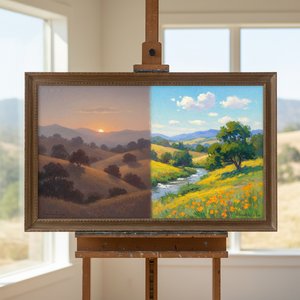
Franz Bischoff: Bridging Tonalism & Impressionism in California Landscape Painting
Explore the captivating art of Franz Bischoff, a pivotal figure bridging Tonalism & California Impressionism. Discover his stunning landscapes, floral works, and lasting legacy with OriginalUniqueArt.
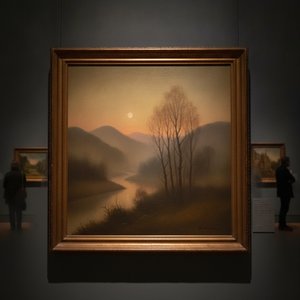
Tonalism Explained: The Art of Mood, Mist, and Masterful Color in Landscape Painting
Discover the evocative world of Tonalism. Explore how masters like Whistler and Tryon used mist, shadow, and subtle color to capture profound mood and atmosphere in landscape art. An expert guide for fine art enthusiasts and collectors.
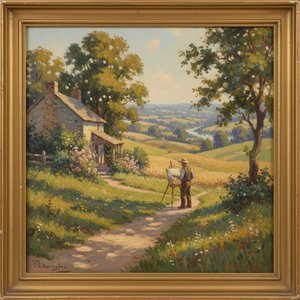
Julian Alden Weir: A Quiet Master of American Impressionism & Rural Life
Discover Julian Alden Weir, a leading American Impressionist painter celebrated for his serene landscapes & depictions of rural life. Explore his artistic evolution, influence on 'The Ten', and legacy at Weir Farm.