

 Visa i rummet
 Skicka
 Dela
Dela
 Detaljer
 Studentguide för konstverk

 Ladda ner
 Liknande objekt
 Röntgen
 Bildspel
 Besökstatistik
Still Life


 Läs mer
Giclée / Konsttryck
Giclée- eller canvasprint av museumskvalitet med snabb produktion och flexibla ytbehandlingsalternativ. ( Köp handmålat konstverk Byt till digital bildförsäljning)




P118B Skr10

P118H Skr10

P118W Skr10

P438Z Skr10

P508JH Skr12

P508YH Skr12

P805H Skr10

P805Z Skr10

P919BZ Skr10

P919G Skr10

P919XJ Skr10

P959ZH Skr10

P968JZ Skr12

W106C Skr8

W218G Skr10

W218JH Skr8

W218Y Skr10

W307PJ Skr10

W316G Skr10

W316PJ Skr8

W316Y Skr10

W398PJ Skr8

W4111J Skr10

W500HY Skr15

W500JH Skr15

W692G Skr12

W849H Skr8

W940BG Skr15

W953PJ Skr8




Välj bland våra förinställda storlekar som motsvarar konstverkets ursprungliga proportioner.

Ange den bredd och höjd du behöver, för att passa din ram eller din vägg. Ett tryck kan endast beskäras, aldrig göras större än bilden, vilket innebär att ett format med en annan formform leder till att en del av bilden går förlorad. Vi skickar en digital mockup för godkännande innan vi trycker något. Bilden som visas på denna sida visar inte den faktiska beskärningen — det är endast mockuppen som gör det.
Leverans över hela världen () på 2 veckor istället för standard 4/5 veckor. (24 oktober)

Fri expressfrakt över hela världen

Högkvalitativ linnecanvas

Fullständig fraktförsäkring

Garantier för återbetalning av tullavgifter

Garantier för exakt färgåtergivning

100 dagars returrätt vid fabrikationsfel

100% pengarna tillbaka-garanti

Mängdrabatt erbjuds
 Glasalternativet är endast tillgängligt i storlekar under 110 cm.

Still Life
Giclée / Konsttryck
Reproduktionsstorlek
-


Totalpris
Skr 793
Juan de Arellano: A Master of Floral Still Life
Juan de Arellano (1614 – 1676) stands as a singular figure in the Baroque art landscape of Spain, celebrated primarily for his breathtaking floral still life paintings. Born in Santorcaz, near Madrid—a city that would become synonymous with his artistic legacy—Arellano’s life unfolded amidst the opulent patronage of Philip III and witnessed the burgeoning influence of Flemish and Italian artistic traditions. While biographical details remain somewhat sparse, he emerged as a student under Juan de Solís, whose landscapes offered a contrasting aesthetic to Arellano's focused dedication to botanical representation. His work embodies the spirit of the era—a fascination with observation, meticulous detail, and an attempt to capture not merely what is seen but also what is felt.- Style: Arellano’s style firmly rooted itself within the Baroque tradition, inheriting its dramatic chiaroscuro techniques and embracing a humanist sensibility that prioritized natural beauty and contemplation. However, unlike many of his contemporaries who sought grandeur and spectacle, he opted for a quieter, more intimate portrayal of nature—a deliberate choice reflecting the prevailing taste for decorative art during Philip III’s reign.
- Technique: Arellano excelled in oil painting on linen, utilizing layering and glazing methods to achieve remarkable luminosity and depth. He painstakingly rendered individual petals, stems, and leaves with astonishing accuracy, capturing subtle variations in color and texture—a testament to his mastery of observation and artistic skill. The artist’s meticulous approach ensured that each flower seemed to pulsate with life on the canvas.
The Influence of Flemish Masters
Like many artists of his era, Arellano absorbed the stylistic precepts of Flemish masters such as Daniel Seghers and Mario Nuzzi. These influences instilled in him a meticulous attention to detail and a masterful command of chiaroscuro—the dramatic interplay of light and shadow—techniques characteristic of Northern Baroque painting. Seghers’ landscapes taught Arellano how to convey atmosphere and perspective, while Nuzzi's flower paintings demonstrated the importance of capturing delicate nuances of color and form. This synthesis of artistic influences resulted in a distinctive visual language that distinguishes Arellano’s oeuvre from other Spanish painters of his time.Symbolism and Emotional Resonance
Beyond mere aesthetic beauty, Arellano's floral still lifes carried profound symbolic meaning—a hallmark of Baroque art. Flowers were frequently employed to convey concepts of mortality, remembrance, and spiritual contemplation, reflecting the anxieties of a society grappling with religious dogma and facing imminent death. The artist’s careful composition—often featuring birds perched atop vases or flowers—reinforced these themes, inviting viewers to engage in introspection and consider the ephemeral nature of existence. His paintings evoke a sense of serenity and melancholy, capturing the fleeting beauty of the natural world while simultaneously prompting reflection on human mortality.Notable Works
Among Arellano’s most celebrated pieces are “Bouquet of Flowers” (c.1660), currently housed in the Museo del Prado, Madrid—a masterful depiction of roses and lilies bathed in soft light—and “Garland of Flowers, Birds and Butterfly,” displayed at The Louvre. He also executed commissions for the sacristy of San Jerónimo el Real, showcasing his versatility as an artist. Furthermore, reproductions of his paintings can be found in museums across Europe, including Bilbao Fine Arts Museum and The Royal Academy of Fine Arts of San Fernando. Examining these artworks offers a glimpse into the artistic sensibilities of a pivotal moment in Spanish Baroque history.Frågor och svar
Förvaras "Still Life" av Juan De Arellano i konstnärens hemland?
Nej – konstverket förvaras utomlands. "Still Life" finns i USA, medan Juan De Arellano föddes i Spanien.
Var i Juan De Arellanos karriär placeras "Still Life", med tanke på dess datum?
Årtalet 1600 placerar "Still Life" i Mature Period av Juan De Arellanos utveckling.
Vem är konstnären bakom "Still Life"?
Konstnären bakom "Still Life" är Juan De Arellano. Verket är katalogiserat under Juan De Arellanos namn.
Om konstnären
Den botaniska praktens mästare
Under den spanska barockens guldålder var få konstnärer som lyckades fånga naturens förgängliga elegans med lika stor precision och passion som Juan de Arellano. Han föddes 1614 i Santorcaz, nära Madrids livliga hjärta, och framträdde som en unik kraft under ett århundrade som ofta definierades av dramatisk religiös hängivenhet och dyster realism. Medan hans samtida ofta vände sig mot storslagna historiska narrativ eller intensiva martyrier, fann Arellano sin kallelse i kronbladens och stjälkarnas ömtåliga, tysta språk. Hans liv och verk representerar en mästerlig skärningspunkt mellan spansk sensualitet och de frodiga, ornamentala traditionerna från de flamländska och italienska skolorna, vilket skapade ett arv som förblir en hörnsten inom sjuttonde århundradets stillebenmåleri.
Grunden för Arellanos konstnärskap lades under ledning av Juan de Solís, en målare vars expertis inom landskap erbjöd en strukturell bakgrund till konstnärens växande intresse för botaniska detaljer. Det var dock de bredare europeiska konstströmningarna som verkligen formade hans vision. Genom att absorbera den noggranna, nästan vetenskapliga precisionen hos flamländska mästare som Daniel Seghers och de dramatiska, ljusdränkta kompositionerna hos italienska målare som Mario Nuzzi, utvecklade Arellano ett unikt stilistiskt vokabulär. Han bemästrade konsten med chiaroscuro, där han använde det djupa samspelet mellan sammetslena skuggor och strålande, lysande högdagrar för att blåsa liv i varje ros, tulpan och lilja han avbildade.
En vision av precision och pragmatism
Det finns en fascinerande dualitet i berättelsen om Arellanos karriär – en blandning av konstnärlig hängivenhet och skarpt professionellt intellekt. Historiska skildringar tyder på att konstnären gjorde ett medvetet val att specialisamente sig uteslutande på blomstermåleri. Detta var inte bara en estetisk preferens utan ett pragmatiskt beslut; genom att fokusera på denna specifika genre kunde han navigera den växande konstmarknaden med större effektivitet. Han erbjöd eftertraktade botaniska studier som var både lönsamma och mindre fysiskt krävande än de monumentala dukar som krävdes för altartavlor. Detta fokus gjorde det möjligt för honom att uppnå en oöverträffad teknisk mästerskap, där varje duk förvandlades till ett fönster av hyperrealistisk skönhet.
Hans kompositioner är långt mer än enkla arrangemang av flora; de är noggrant orkestrerade dramer av färg och form. I hans händer blir en bukett en komplex berättelse om textur och ljus. Han besatt en extraordinär förmåga att fånga de flyktiga ögonblicken när en blomning når sin kulmen – den lätta krökningen hos ett vissnande kronblad, den daggvåta lystern på ett blad eller den genomskinliga kvaliteten hos ett kronblad som fångats i en solstråle. Genom hans penseldrag bjuds betraktaren in till en värld av stilla kontemplation, där den naturliga världens förgängliga skönhet fryses i en evig, levande perfektion.
Arv och konstnärlig betydelse
Juan de Arellanos historiska betydelse ligger i hans förmåga att höja stillebenet från en sekundär genre till ett djupt medium för konstnärligt uttryck. Hans arbete fungerar som en vital länk mellan den tunga, symboliska traditionen från tidig barock och den mer dekorativa, ljusfyllda estetik som skulle följa. Genom hans målningar ser vi hur internationella stilar harmonierar med en distinkt spansk elegans, vilket skapar ett konstnärskap som överskrider gränser.
Idag kan effekten av Arellanos samlade verk kännas i de prestigefyllda salarna på museer över hela världen, där hans ikoniska buketter fortsätter att fängsla publiken. Hans bidrag till konstvärlden inkluderar:
- Teknisk innovation: Den sofistikerade användningen av ljus och skugga för att skapa tredimensionell botanisk realism.
- Genrens upphöjelse: Att transformera blomstermåleriet till ett prestigefyllt motiv kapabelt till djup emotionell och symbolisk innebörd.
- Kulturell syntes: Att framgångsrikt förena flamländsk detaljrikedom med italienskt drama och spansk grace, vilket skapade en unik europeisk estetik.
När vi betraktar hans mästerverk, såsom hans hyllade Bouquet of Flowers, påminns vi om att sann konstnärlighet ligger i förmågan att finna det oändliga i det oändligt lilla, och att finna evig skönhet i de mest ömtåliga av förgängliga ting.

Juan De Arellano
1614 - 1676 , Spanien
Snabbfakta
- Artistic Movement Or Style: Barock
- Artists Or Movements Influenced By This Artist: ['Daniel Seghers']
- Artists Who Influenced This Artist: ['Juan de Solís']
- Date Of Birth: 1614
- Date Of Death: 1676
- Full Name: Juan de Arellano
- Nationality: Spansk
- Notable Artworks:
- Blombukett
- Blomsterkrans
- Place Of Birth: Santorcaz, Spanien
Relaterade artiklar

Nederländsk Barock: Topp 10 Mästerverk som Definierade Epoken – Konst & Inredning
Upptäck de 10 ikoniska mästerverken som definierade nederländsk barock! Lär känna Rembrandt, Vermeer och andra stora konstnärer. Hitta inspiration & museumkvalitativa reproduktioner på OriginalUniqueArt.com – för ditt hem eller din samling.
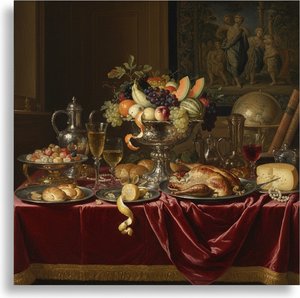
Abraham Hendricksz van Beyeren: Pioneering Dutch Still Life & the Banquet Tradition
Explore the captivating world of Dutch Golden Age still life with Abraham van Beyeren. Discover his innovative techniques, symbolic banquet scenes & lasting influence on art history. Learn about collecting these masterpieces.
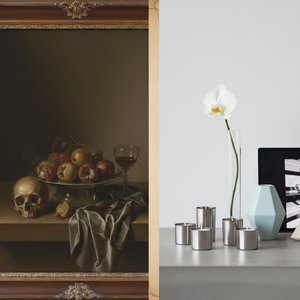
The Enduring Appeal of Still Life: A Historical & Contemporary Exploration
Explore the rich history & symbolism of still life painting with OriginalUniqueArt. Discover masterpieces from the Dutch Golden Age, learn about vanitas art, and find expert guidance for collecting timeless artworks.

Silent Narratives: Exploring the Enduring Appeal of Still Life Painting Across Centuries
Explore the rich history of still life painting with OriginalUniqueArt. Discover Dutch Masters, decode vanitas symbolism & learn about collecting timeless art. Expert insights and museum-quality reproductions.

Golden Age Reflections: Dutch Baroque Painting & Cultural Innovation
Explore the Dutch Golden Age of painting! Discover key artists like Vermeer & ter Borch, their innovative techniques, and the rich cultural context behind these Baroque masterpieces. Learn about collecting & appreciating this iconic art period.