

 Visa i rummet
 Skicka
 Dela
Dela
 Detaljer
 Studentguide för konstverk

 Ladda ner
 Liknande objekt
 Röntgen
 Bildspel
 Besökstatistik
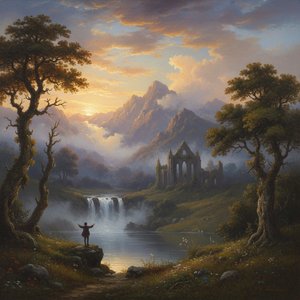
The Mountain Hut

 Läs mer
Giclée / Konsttryck
Giclée- eller canvasprint av museumskvalitet med snabb produktion och flexibla ytbehandlingsalternativ. ( Köp handmålat konstverk Byt till digital bildförsäljning)




P118B Skr10

P118H Skr10

P118W Skr10

P438Z Skr10

P508JH Skr12

P508YH Skr12

P805H Skr10

P805Z Skr10

P919BZ Skr10

P919G Skr10

P919XJ Skr10

P959ZH Skr10

P968JZ Skr12

W106C Skr8

W218G Skr10

W218JH Skr8

W218Y Skr10

W307PJ Skr10

W316G Skr10

W316PJ Skr8

W316Y Skr10

W398PJ Skr8

W4111J Skr10

W500HY Skr15

W500JH Skr15

W692G Skr12

W849H Skr8

W940BG Skr15

W953PJ Skr8




Välj bland våra förinställda storlekar som motsvarar konstverkets ursprungliga proportioner.

Ange den bredd och höjd du behöver, för att passa din ram eller din vägg. Ett tryck kan endast beskäras, aldrig göras större än bilden, vilket innebär att ett format med en annan formform leder till att en del av bilden går förlorad. Vi skickar en digital mockup för godkännande innan vi trycker något. Bilden som visas på denna sida visar inte den faktiska beskärningen — det är endast mockuppen som gör det.
Leverans över hela världen () på 2 veckor istället för standard 4/5 veckor. (22 oktober)

Fri expressfrakt över hela världen

Högkvalitativ linnecanvas

Fullständig fraktförsäkring

Garantier för återbetalning av tullavgifter

Garantier för exakt färgåtergivning

100 dagars returrätt vid fabrikationsfel

100% pengarna tillbaka-garanti

Mängdrabatt erbjuds
 Glasalternativet är endast tillgängligt i storlekar under 110 cm.

The Mountain Hut
Giclée / Konsttryck
Reproduktionsstorlek
-


Totalpris
Skr 793
Om konstnären
Josef Thoma: A Painter of Alpine Idols
Born in the heart of Austria’s Tyrolean Alps, Josef Thoma (1828-1899) emerged as a pivotal figure in 19th-century landscape painting. More than simply depicting scenic vistas, Thoma crafted immersive worlds—idyllic scenes brimming with rustic charm and imbued with a subtle, almost mystical quality. His work, deeply rooted in the Romantic tradition yet subtly anticipating Impressionism, offers a poignant glimpse into the evolving relationship between art, nature, and the human spirit. Thoma’s legacy rests not just on his technical skill but also on his ability to evoke a profound sense of peace and nostalgia for a vanishing rural world.
Early Life and Artistic Foundations
Josef Thoma was born in 1828 into a family with strong artistic connections. His father, a skilled woodcarver, instilled in him an appreciation for craftsmanship and the beauty of natural materials. While details about his early formal training are somewhat sparse, it’s believed he initially studied under local artists before pursuing further education at the Academy of Fine Arts in Munich. This period exposed him to the prevailing artistic trends of the time, including the influence of Romanticism—particularly the emphasis on dramatic landscapes and emotional expression—and the burgeoning interest in depicting everyday life. Crucially, Thoma’s early work demonstrates a fascination with the Alps, a region that would become the defining subject of his career.
The Influence of Millet and the Rise of Rustic Realism
Thoma's artistic trajectory was significantly shaped by Jean-François Millet, whose depictions of rural laborers resonated deeply with the artist. Millet’s focus on the dignity and hardship of peasant life—often rendered in a strikingly realistic manner—provided Thoma with a model for portraying the simple virtues of rural communities. However, unlike Millet's often stark social commentary, Thoma’s landscapes are characterized by an almost idealized serenity. He skillfully captured the golden light of the Alps, transforming ordinary scenes into moments of profound beauty and tranquility. His paintings frequently feature humble dwellings nestled amongst towering peaks, shepherds tending their flocks, and villagers engaged in everyday activities—all presented with a remarkable sensitivity to detail and color.
Technique and Style: Light, Color, and the Alpine Vision
Thoma’s technical mastery lies primarily in his ability to capture the ephemeral qualities of light and atmosphere. He meticulously observed how sunlight filtered through the mountain peaks, casting long shadows and creating a sense of depth and perspective. His palette is predominantly muted—a blend of browns, greens, and blues—that perfectly reflects the colors of the Alpine landscape. He employed a technique that can be described as “atmospheric,” prioritizing the suggestion of form over precise detail. This approach allowed him to create paintings that felt both realistic and dreamlike, evoking a sense of timelessness and serenity. The use of subtle gradations of color and carefully rendered textures—particularly in depicting the rough bark of trees or the weathered surfaces of buildings—contributed significantly to the tactile quality of his work.
Legacy and Historical Significance
Josef Thoma’s paintings represent a significant contribution to the development of landscape art in Austria. His focus on the Alpine region, combined with his masterful use of light and color, established him as one of the most celebrated artists of his time. While often compared to Millet, Thoma developed a distinctly individual style—one that captured the unique beauty and spirit of the Austrian Alps. His work continues to resonate today, offering viewers a poignant reminder of the enduring power of nature and the simple pleasures of rural life. His paintings are now housed in major museums across Europe, testament to his lasting artistic impact. Thoma’s legacy lies not only in his beautiful landscapes but also in his ability to evoke a profound sense of peace and nostalgia for a world that is rapidly disappearing.

Josef Thoma
1828 - 1899
Snabbfakta
- Artistic Movement Or Style: Romantic Landscape
- Artists Or Movements Influenced By This Artist: ['Romanticism']
- Artists Who Influenced This Artist:
- Delacroix
- Friedrich
- Date Of Birth: 1828
- Date Of Death: 1899
- Full Name: Josef Thoma
- Nationality: Austrian
- Notable Artworks:
- Berglandschaft
- Gebirgslandschaft
- Jäger schießt Raubvogel
- Place Of Birth: Austria
Relaterade artiklar

Evoking Nature's Sublime: A Comprehensive Exploration of 19th-Century Landscape Painting
Explore the captivating world of 19th-century landscape painting! Discover renowned artists like Friedrich & Monet, key movements, and find the perfect artwork to bring nature's serenity into your home. Expert insights at OriginalUniqueArt.

The Sublime and the Picturesque: Exploring Emotion & Nature in Romantic Landscape Painting
Explore the emotional power of Romantic landscape painting! Discover the sublime & picturesque traditions, key artists like Friedrich & Cole, and find your perfect artwork at OriginalUniqueArt.

Romantiska landskap: Topp 10 mästerverk som definierade en epok – OriginalUniqueArt.se
Utforska de 10 mest ikoniska mästerverken inom romantisk landskapsmålning! Lär känna Caspar David Friedrich, Turner & andra. Hitta inspiration och köp museumkvalitativa konsttryck på OriginalUniqueArt.com.

Evocations of Place: A Historical Journey Through Landscape Art
Explore the rich history of landscape art with OriginalUniqueArt. Discover renowned artists, movements like Impressionism & Romanticism, and expert guidance for collecting timeless pieces. Find your perfect serene escape today!
Evoking Emotion & Transcendence: Romantic Landscape Painting (18th-19th Century)
Explore the emotional depth of Romantic landscape painting (18th-19th century). Discover key artists like Friedrich & Cole, and the concepts of the sublime. Expert insights for art lovers & collectors.